Kyoto in Winter: Quiet Temples, Snow Days and Short Hours
November 3, 2026
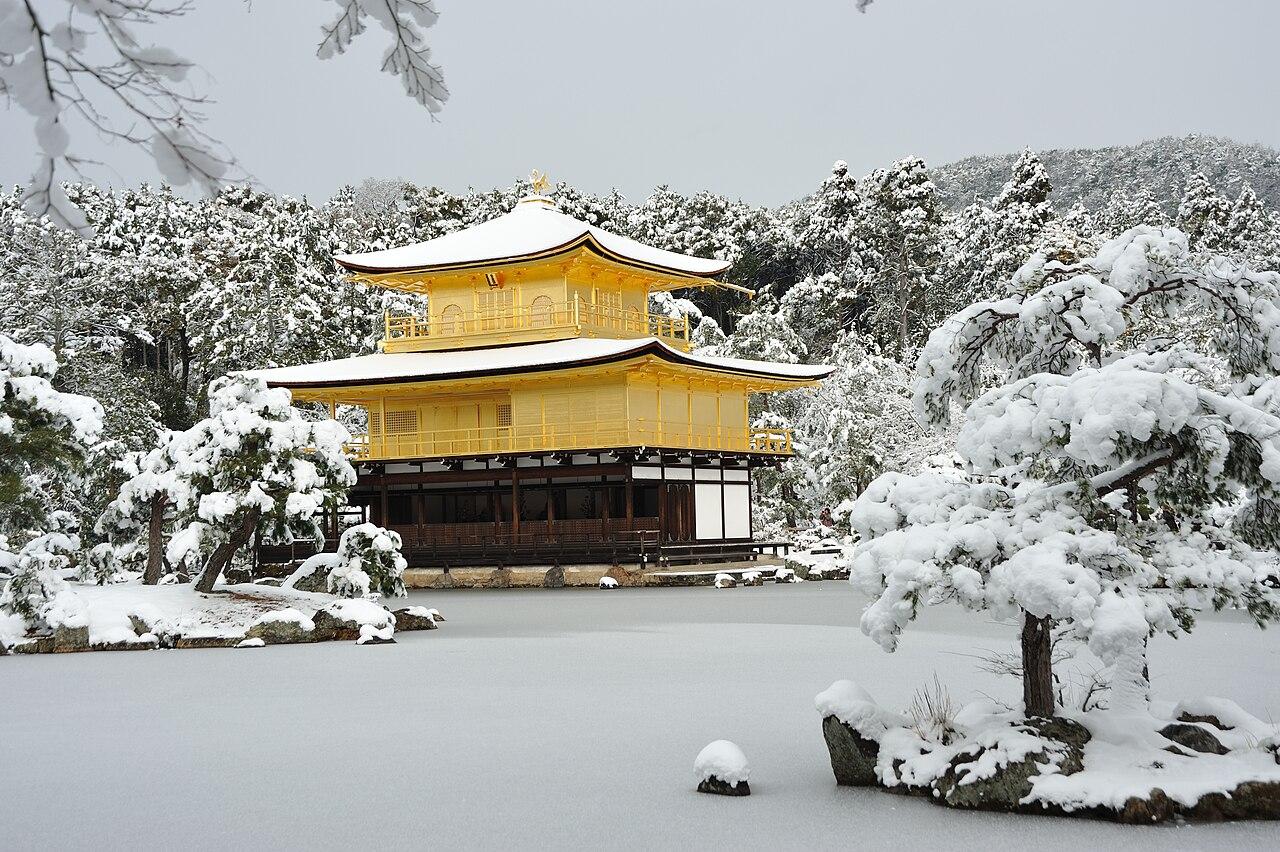
Kyoto in winter is the easiest time of year to see the city's famous temples without shuffling in a queue. From December to February the autumn leaf crowds are gone, the cherry blossom crowds have not arrived, and hotel prices drop outside the New Year week. The trade-offs are cold mornings, early closing times and short days, so a winter trip works best when you plan each day around daylight. This guide covers what changes in Kyoto in winter, which sights suit the season, what the New Year week is like and a simple three-day plan.
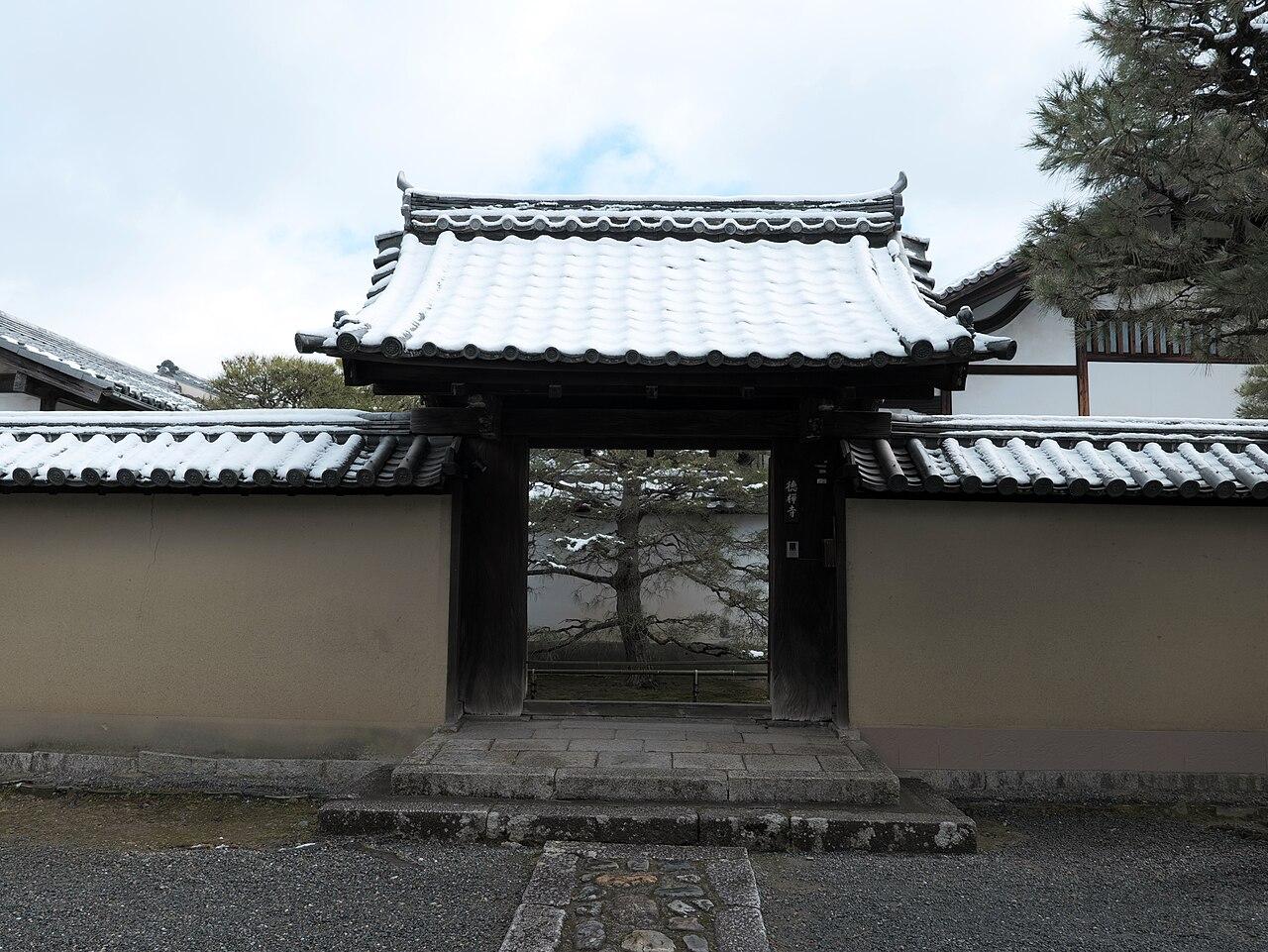
Photo: Hyppolyte de Saint-Rambert / Wikimedia Commons, CC BY 4.0
What Kyoto in winter is actually like
Kyoto sits in a basin, so winter feels colder than the map suggests. Days are often dry, clear and cold, and nights drop close to freezing. Snow does fall a few times most winters, usually lightly and often gone by lunchtime. If you want the classic picture of the Golden Pavilion under snow, you need luck and an early start on the morning after a snowfall, not a fixed date.
The practical effects matter more than the temperature:
- Light goes early. Sunset is around 5pm in December and January. Plan outdoor sights for the morning and early afternoon.
- Temple floors are cold. Many halls ask you to remove your shoes. Thick socks make a real difference.
- Gardens look different. Moss gardens are green, maples are bare, and some places put up straw wrapping on trees and shrubs. Rock gardens like Ryoan-ji look the same in any season.
- Fewer people. January after the first week and most of February are among the quietest weeks in the year at the big sights.
Opening hours to plan around
Most temples and shrines in Kyoto set their own hours, and a few shorten them in winter. Two examples from the official Shokoku-ji pages, which run both pavilions:
- Kinkaku-ji (Golden Pavilion): 9am to 5pm every day of the year. Adult admission is ¥500.
- Ginkaku-ji (Silver Pavilion): winter hours from 1 December to the end of February are 9am to 4:30pm, against 8:30am to 5pm the rest of the year. Adult admission is ¥1,000.
The rule of thumb: arrive at least an hour before closing, and assume ticket windows shut earlier than the gates. Fushimi Inari Taisha is open around the clock, which makes it a good choice for the early morning or after dark.
The New Year week in Kyoto
Japan's biggest holiday runs roughly from 29 December to 3 January. In Kyoto it changes the trip more than any weather does.
- Hatsumode crowds. On 1 to 3 January, millions of people make their first shrine visit of the year. Fushimi Inari, Yasaka Shrine and Heian Shrine are among the busiest in the country. Expect lines, crowd control and food stalls.
- New Year's Eve bells. Many temples ring their bells 108 times around midnight on 31 December. Chion-in is the best known. Some temples let the public ring the bell with a numbered ticket, others only allow watching. Rules change each year, so check the temple's own notice in December.
- Closures. Some museums, restaurants and smaller shops close for a few days. Big temples and shrines stay open, sometimes with extended hours.
- Prices. Hotels raise rates for the New Year week. The rest of January is usually cheaper.
If you want quiet temples, skip 29 December to 4 January. If you want the festival feel, book that week early and accept the crowds. Our guide to Japan in January covers what stays open across the country.
Costs that changed in 2026
Two things to know before you budget:
Accommodation tax. Kyoto raised its accommodation tax on 1 March 2026. The tax is charged per person, per night, and depends on the room rate. A mid-range room costing between ¥6,000 and ¥19,999 per person per night pays ¥400. Rooms from ¥20,000 to ¥49,999 pay ¥1,000, and very expensive rooms pay much more. Hotels add it to your bill, usually at check-in or check-out.
Bus fares. The flat city bus fare is ¥230 for adults at the time of writing. Kyoto City has proposed a new system from fiscal year 2027 (which starts in April 2027) where residents would pay less and visitors would pay more on city buses. It still needs approvals, so check the Kyoto City Transportation Bureau before a spring trip. For a winter trip in 2026 to 2027, the current fare applies.
What to see in Kyoto in winter
Zen temples in the north
Winter suits the Zen temples in the north and west of the city. The Daitoku-ji complex has several sub-temples with dry gardens, and the paths between them are calm in January. Ryoan-ji's rock garden is the same in any season and much easier to sit with when it is not full. Kinkaku-ji is a short bus ride away. If snow falls overnight, go there first thing.
Special winter openings
Every winter, the Kyoto City Tourism Association runs a program of special openings called Kyo no Fuyu no Tabi, usually from early January to mid March. Temples that are normally closed open selected halls, gardens or treasures for a few weeks. The list changes every year and is published in December, so treat it as a bonus rather than the core of your plan.
Fushimi Inari early or late
The gate tunnel at Fushimi Inari is the most crowded spot in Kyoto for most of the year. In winter, arriving soon after sunrise or after dark gives you long stretches of the path with very few people. Avoid 1 to 3 January unless you want to see the New Year crowds.
Indoor backups
On a wet or very cold day, the Kyoto National Museum, the Kyoto Railway Museum, Nishiki Market and the department store food halls around Shijo and Kyoto Station are useful. A long, hot lunch also counts. Winter is the season for yudofu (simmered tofu) near Nanzen-ji and for hot nabe dishes everywhere.
A three-day Kyoto in winter plan
This plan keeps outdoor sights in daylight and puts indoor or night options at the end of each day.
Day 1: East side
- Morning: Kiyomizu-dera when it opens, then walk down Sannenzaka and Ninenzaka before the shops fill up.
- Midday: Yasaka Shrine and Gion. Lunch near Shijo.
- Afternoon: Kennin-ji, the oldest Zen temple in the city, which is indoors for most of the visit.
- Evening: Pontocho or Gion for dinner.
Day 2: North and west
- Morning: Kinkaku-ji at 9am. If there was snow overnight, this is the day to switch the plan around.
- Late morning: Ryoan-ji, then Ninna-ji or the Daitoku-ji sub-temples.
- Afternoon: Ginkaku-ji before its 4:30pm winter closing, then the start of the Philosopher's Path.
- Evening: yudofu or hot pot near Nanzen-ji or downtown.
Day 3: South and a half day trip
- Early morning: Fushimi Inari, walking as far up the mountain as you like.
- Late morning: Tofuku-ji, which is close by and quiet in winter.
- Afternoon: either Nara for the deer and Todai-ji, or the Arashiyama bamboo grove and Tenryu-ji. Both are easier in winter than in any other season.
You can load this plan into RoamerPlanner and move days around if the weather turns. For a longer trip, the 7-day Japan itinerary and 14-day Japan itinerary both include Kyoto, and our comparison of Kyoto vs Osaka helps you choose a base.
What to pack
- A warm coat, hat and gloves for mornings and evenings.
- Thick socks and shoes that are easy to take off at temples.
- Layers you can remove indoors, since trains, shops and restaurants are heated.
- A small bag for your shoes, which some temples hand out and some do not.
Kyoto in winter FAQ
Is Kyoto worth visiting in winter? Yes, if you care more about seeing temples calmly than about colour in the gardens. It is one of the best times for first-time visitors who dislike crowds.
Does it snow in Kyoto? Most winters bring a few light snowfalls, usually in January and February. Heavy snow that lasts all day is rare.
When are the quietest weeks? From around 6 January to mid February, apart from weekends and the Lunar New Year period, when visitor numbers from other parts of Asia rise.
Are temples open on New Year's Day? Most large temples and shrines are open and very busy. Some smaller places and museums close for a few days.
Sources: Shokoku-ji official visitor pages for Kinkaku-ji and Ginkaku-ji (hours and admission); City of Kyoto, accommodation tax revision from 1 March 2026; Kyoto City Transportation Bureau bus fare guide and the city's published outline of the planned resident fare; Kyoto City Tourism Association. Checked 30 October 2026.
Cover photo: Takeshi Kuboki from Amagasaki, Japan / Wikimedia Commons, CC BY 2.0
Trips you can copy
Ready-made day-by-day plans for this place. Copy one for free and change it to fit your trip.
Turn this into a plan
Ready to turn this into a real itinerary? Plan it in RoamerPlanner.
Start your own plan, no account neededBrowse sample trips