Kyoto vs Osaka: Where to Stay on Your First Japan Trip
October 20, 2026
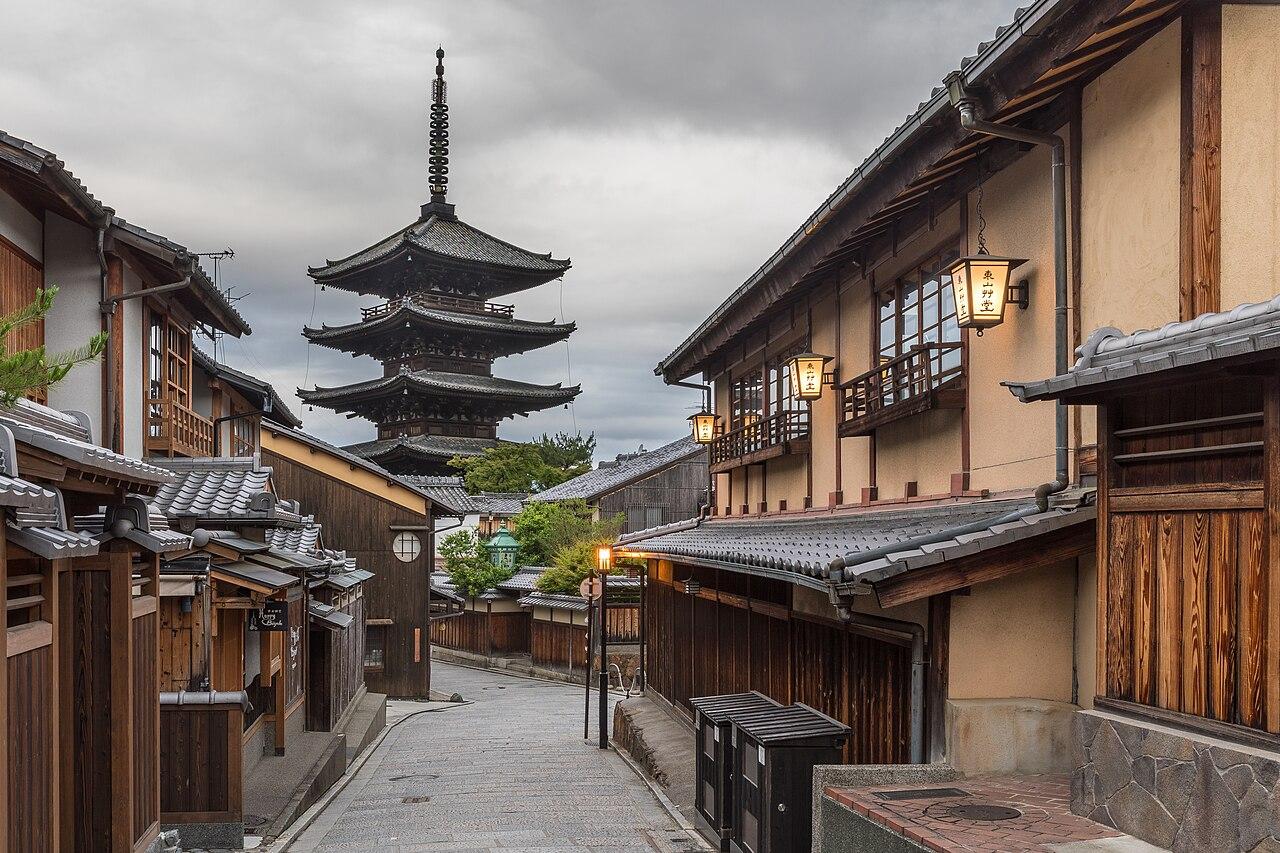
Kyoto vs Osaka is one of the first real decisions on a Japan trip, because the two cities sit so close together that you only need one base for both. Kyoto is the city of temples, gardens and old streets. Osaka is bigger, louder and built around food and nightlife. The trains between them are fast, cheap and frequent, so the right choice depends less on the sights and more on what you want outside your hotel each evening, and on how much you are willing to pay for it.
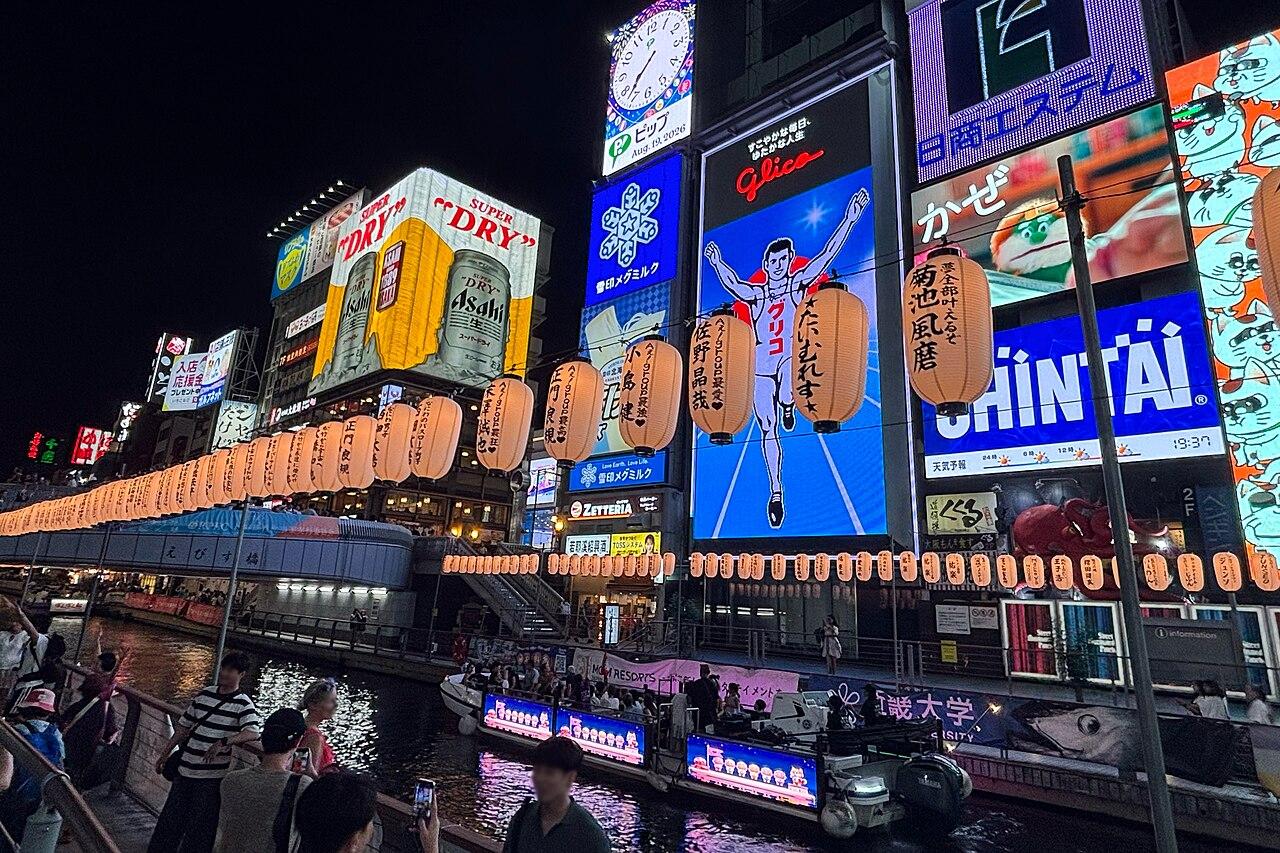
Photo: Sakai Yayoi / Wikimedia Commons, CC0
Kyoto vs Osaka in one minute
- Stay in Kyoto if temples, gardens and early morning walks are the main reason you are going, and you want to see the famous sights before the crowds arrive.
- Stay in Osaka if you care more about food, nightlife and shopping, want more hotel choice for the money, or plan day trips to Nara, Kobe, Himeji and Hiroshima.
- Split your stay if you have five nights or more in the region. Two or three nights in each city often works better than commuting every day.
The rest of this guide explains why, with travel times, costs and the best areas to stay in each city.
How far apart are Kyoto and Osaka?
Not far at all. According to fare searches we ran in October 2026:
- JR Special Rapid, Kyoto Station to Osaka Station: about 30 minutes, ¥580 one way. Covered by the JR Pass.
- Hankyu Railway, central Kyoto (Karasuma or Kyoto-Kawaramachi) to Osaka-Umeda: about 40 to 45 minutes, ¥410 one way. Not covered by the JR Pass.
- Shinkansen, Kyoto to Shin-Osaka: about 15 minutes. Faster, but it costs more and Shin-Osaka is a few minutes north of central Osaka, so the time saved is smaller than it looks.
- Keihan Railway runs along the river from central Kyoto (Gion-Shijo and Sanjo) to Osaka, and is handy if you stay on Kyoto's east side.
So a day trip either way is easy. The real cost is not the fare but the 1 to 1.5 hours of door-to-door travel each day, and the fact that you cannot pop back to your hotel between sights.
Who should stay in Kyoto
Kyoto rewards early starts. Places like Fushimi Inari, Kiyomizu-dera and the bamboo grove in Arashiyama are far quieter at 7 am than at 10 am, and you can only realistically get there that early if you are already in the city.
Reasons to stay in Kyoto
- You can visit the big sights before the tour groups.
- Evenings are calm, and walking through Gion or along the Kamo River after dinner is part of the experience.
- You can stay in a ryokan or a machiya townhouse, which Osaka does not really offer.
Reasons to think twice
- Hotels cost more for what you get, especially in spring and autumn.
- City buses are slow and often full. Plan to use trains and the subway where you can, and walk the rest.
- The accommodation tax went up in 2026 (details below).
Where to stay in Kyoto
- Around Kyoto Station: best for convenience. Trains to Osaka, Nara and the airport leave from here, and there are many mid-range hotels. The area itself is not very attractive at night.
- Shijo-Karasuma and Kawaramachi: the downtown area. Lots of restaurants, Nishiki Market, Hankyu trains to Osaka, and a short walk to Gion. This is the best all-round base for most first-timers.
- Gion and Higashiyama: the most atmospheric. Close to Kiyomizu-dera, Yasaka Shrine and the old lanes, but quieter at night and fewer train links.
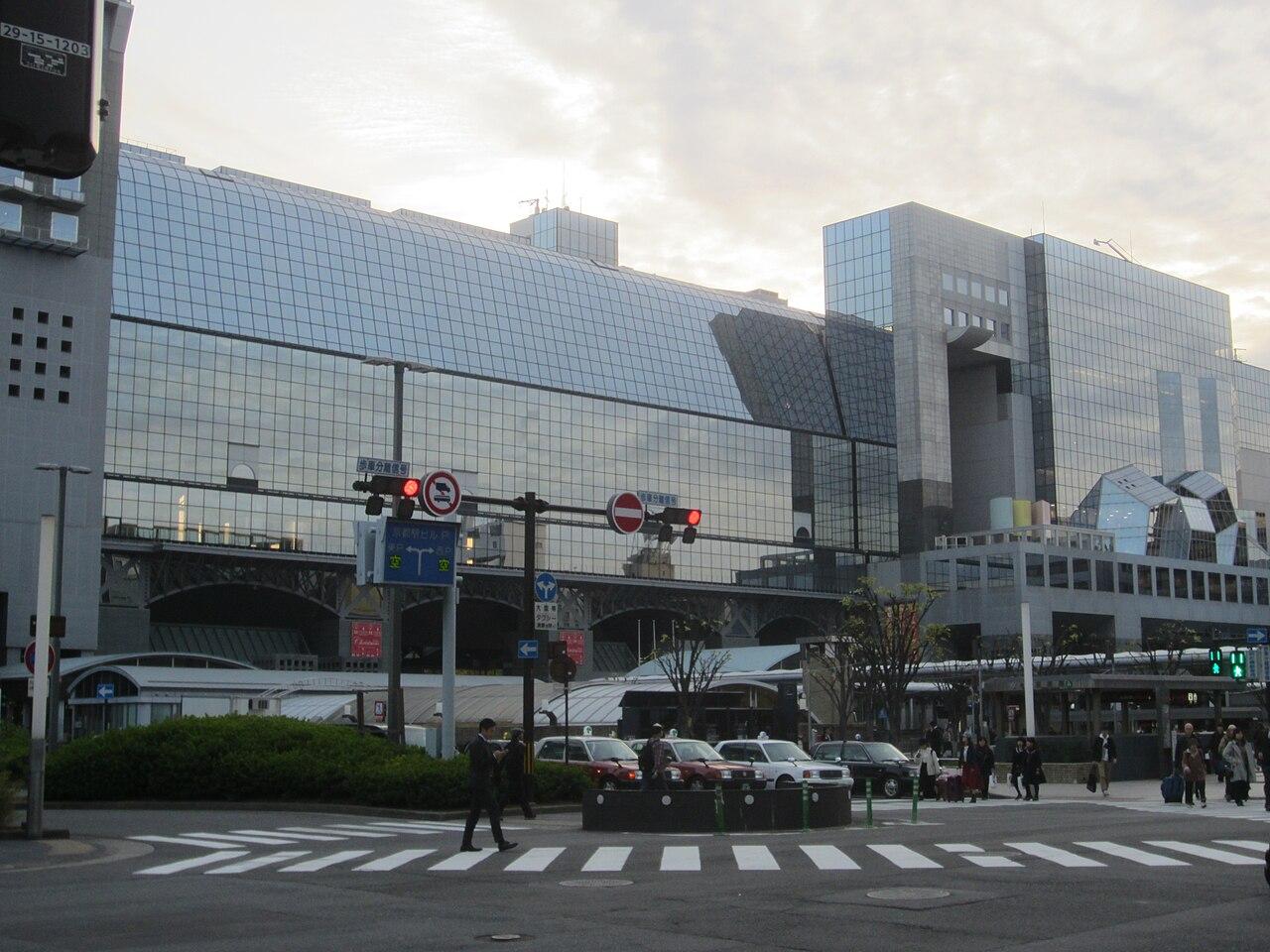
Photo: Another Believer / Wikimedia Commons, CC BY-SA 4.0
Who should stay in Osaka
Osaka is a big city with a reputation for food, and it is the better base for a varied trip.
Reasons to stay in Osaka
- More hotels, often larger rooms, and usually lower prices than Kyoto for the same standard.
- Excellent food at all hours, from street stalls to small counter bars.
- Easy day trips in every direction: Kyoto, Nara, Kobe, Himeji, and Hiroshima by shinkansen.
- Kansai Airport is closer, and limited express trains and buses run straight there.
Reasons to think twice
- If Kyoto's temples are your priority, you will arrive after the crowds every day.
- Evenings in Namba and Umeda are loud and busy, which some people love and others do not.
Where to stay in Osaka
- Umeda (around Osaka Station): best for trains, including JR to Kyoto, Hankyu to Kyoto and the airport express. Big department stores and plenty of restaurants.
- Namba and Shinsaibashi: the food and nightlife centre, including Dotonbori. Direct trains to Kansai Airport and Nara. Lively until late.
- Shin-Osaka: right on the shinkansen line and good for a short stay between cities, but there is not much to do around it.
Costs: room rates and accommodation tax
Room rates change by season, so compare prices for your exact dates. As a general pattern, Kyoto costs more than Osaka for a similar hotel, and the gap widens in cherry blossom season (late March to early April) and autumn colours (mid November to early December).
Both cities add a local accommodation tax per person per night, and Kyoto's has risen.
Kyoto City, from 1 March 2026 (based on the room charge per person per night):
- Under ¥6,000: ¥200
- ¥6,000 to ¥19,999: ¥400
- ¥20,000 to ¥49,999: ¥1,000
- ¥50,000 to ¥99,999: ¥4,000
- ¥100,000 or more: ¥10,000
Osaka Prefecture, since 1 September 2025:
- Under ¥5,000: no tax
- ¥5,000 to ¥14,999: ¥200
- ¥15,000 to ¥19,999: ¥400
- ¥20,000 or more: ¥500
For a mid-range hotel this is a small difference. For a luxury ryokan in Kyoto, the tax can add a noticeable amount to the final bill, so check whether your quoted price includes it.
Kyoto is also planning a "citizen priority" fare for its city buses during fiscal year 2027, subject to national approval. Under the plan, non-residents would pay ¥360 per ride in the flat-fare zone instead of the current ¥230, while residents would pay less. It is one more reason to base your Kyoto days on trains and walking.
Splitting your stay
If you have five or more nights in the region, splitting usually wins. A common pattern on a first trip:
- Two or three nights in Kyoto for the temples, early mornings and evening walks.
- Two or three nights in Osaka for food, nightlife and day trips to Nara or Himeji, and an easy run to Kansai Airport at the end.
Moving between them takes less than an hour, and you can send your large bag ahead with a luggage forwarding service so you travel light. If your trip starts in Tokyo, the shinkansen gets you to Kyoto in about two and a quarter hours. Our guide to where to stay in Tokyo first time covers the Tokyo side.
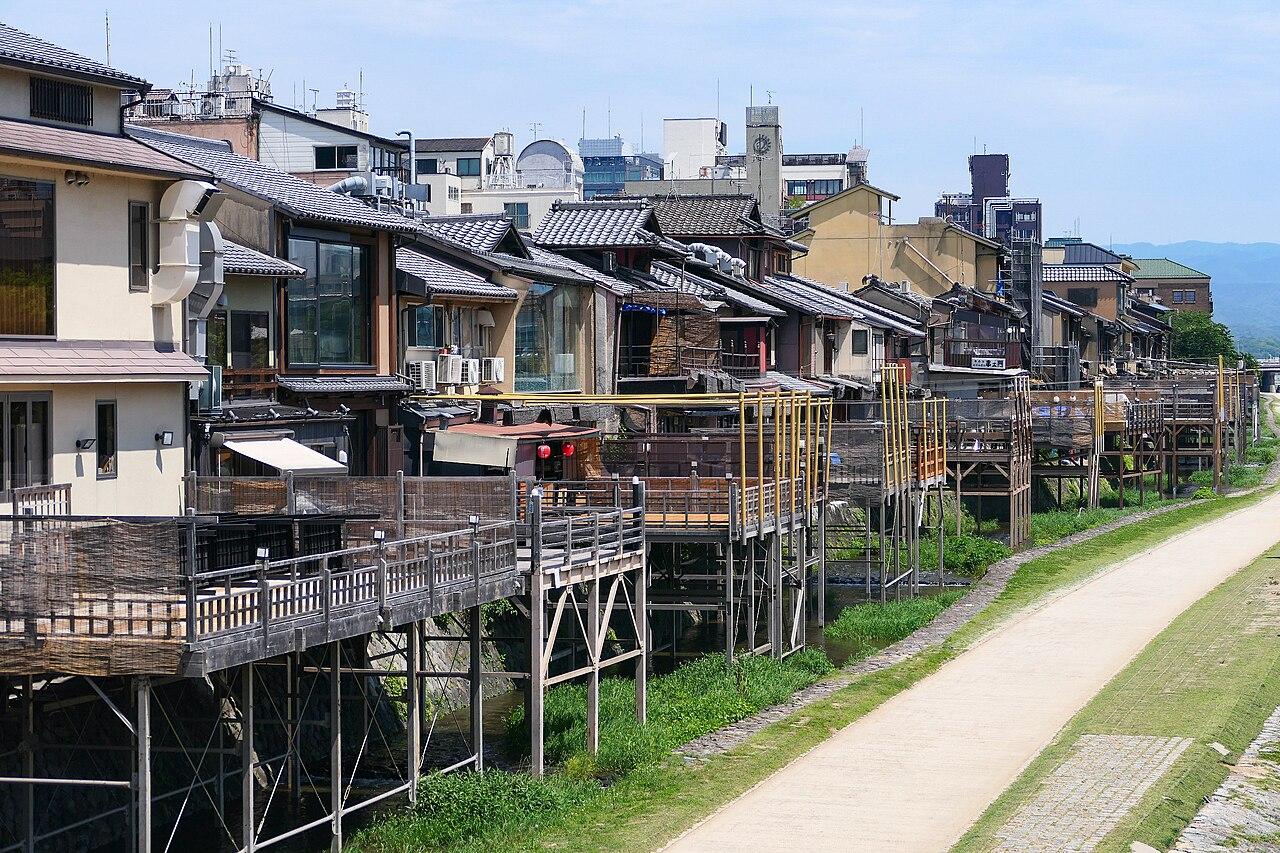
Photo: MaedaAkihiko / Wikimedia Commons, CC0
Sample plans
Three nights, mostly temples: stay in Kyoto. Spend one day on Higashiyama and Gion, one on Fushimi Inari and Arashiyama, and one evening in Osaka for dinner in Dotonbori, coming back by train.
Four nights, mixed interests: two nights in Kyoto, two in Osaka. Visit Nara as a half-day trip from either city.
Six nights or more: three and three, with day trips to Nara, Kobe or Himeji from Osaka, and maybe Hiroshima by shinkansen.
The 7-day Japan itinerary uses a Tokyo plus Kyoto and Osaka split, and the 14-day Japan itinerary adds Hiroshima and more time in each city. If you are deciding whether a JR Pass makes sense for that route, see is the JR Pass worth it. Laying both options out in RoamerPlanner, with your hotel and the train times on each day, is a quick way to see which one leaves you with less travel and more time in each place.
FAQ
Is it better to stay in Kyoto or Osaka? Kyoto if the temples and old streets are your priority, Osaka if food, nightlife, hotel choice and day trips matter more. With five nights or more, split your stay.
Can I visit Kyoto as a day trip from Osaka? Yes. JR trains take about 30 minutes and Hankyu trains about 40 to 45 minutes. You will just miss the quiet early mornings at the main sights.
Is Osaka cheaper than Kyoto? Usually, for hotels. The accommodation tax is also lower in Osaka, especially for more expensive rooms, after Kyoto's increase in March 2026.
Where should I stay in Kyoto for the first time? Shijo-Karasuma or Kawaramachi for an all-round base, Kyoto Station for convenience, or Gion and Higashiyama for atmosphere.
Sources: Kyoto City official tourism site kyoto.travel (accommodation tax from 1 March 2026); Osaka Prefectural Government, pref.osaka.lg.jp (accommodation tax from 1 September 2025); Kyoto City Transportation Bureau (planned citizen priority bus fare for fiscal 2027); JR West and Hankyu fares via a Japanese fare search (ekitan.com). Checked 20 October 2026. Fares and taxes can change, so check before you travel.
Cover photo: Basile Morin / Wikimedia Commons, CC BY-SA 4.0
Ready to turn this stay into a real itinerary? Plan it in RoamerPlanner.
Open RoamerPlanner