Japan in January: Weather, Crowds and What Stays Open
October 25, 2026
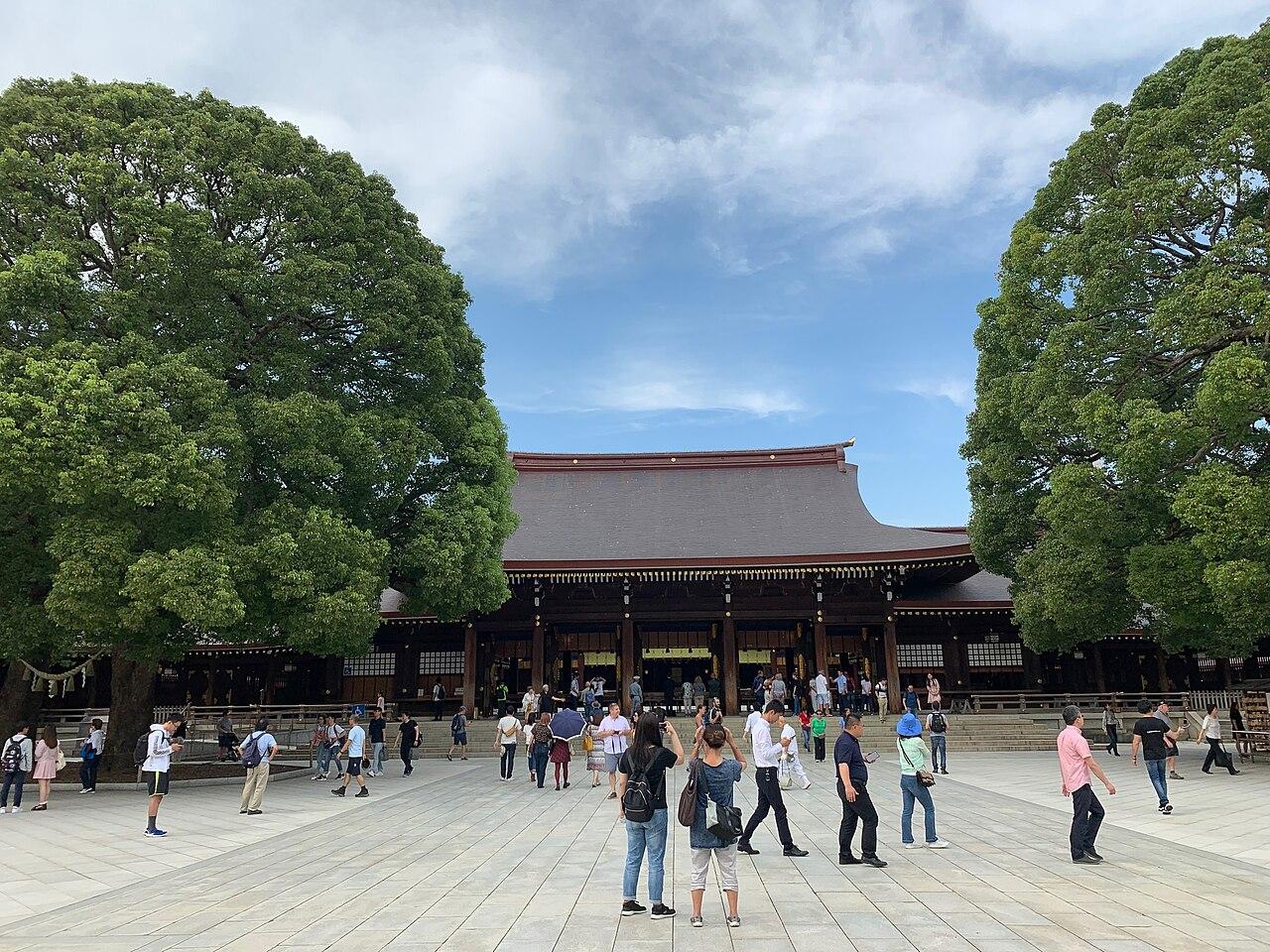
Japan in January splits at about 4 January. Before it, shrines are packed and many small businesses are shut. After it, cities work again, museums reopen on their own schedules, and the weather does not turn mild. On the Pacific side it is the coldest, clearest stretch of the year, and on the Sea of Japan coast and in Hokkaido it is full winter. Below: official 2027 holiday dates, long-term climate normals, and a three-day Tokyo plan for the quieter part of the month.
Pair it with 5 days in Tokyo or the 7-day Japan itinerary if you need a route, and with New Year's Eve in Tokyo if your trip actually starts on 31 December.
Japan in January, region by region
Figures below are Japan Meteorological Agency 1991 to 2020 normals. They describe a typical January, not the forecast for a single week in 2027. Check the JMA forecast before you pack.
Hokkaido. Sapporo's January mean is -3.2°C, with an average daily high of -0.4°C and an average daily low of -6.4°C. Precipitation is 108.4 mm, snow falls on about 29 days, and the normal deepest snow cover is 76 cm. This is ski and snow season. The Sapporo Snow Festival is not a January event. The 2027 dates are 4 to 11 February, covered separately once you are ready to move a week later. January in Sapporo is the city in deep winter without that festival crowd.
Sea of Japan side. Niigata's January mean is 2.5°C, but precipitation is 180.9 mm, far wetter than Tokyo. Cloud and snow are the point of travelling here, not a mistake. Kanazawa and the other Japan Sea cities follow the same broad pattern even though this paragraph quotes the Niigata station. Garden visits in snow are realistic. Long sunny afternoons are not the normal.
Tokyo. January mean temperature is 5.4°C and normal precipitation is 59.7 mm, one of the drier months. Days are cold in the wind and mild enough, by Hokkaido standards, that snow rarely resets the city. You are dressing for a long outdoor queue at a shrine or a museum door, not for a blizzard. Clear winter air makes a view of Mount Fuji more plausible than in the summer haze, though it is never guaranteed.
Kansai and Kyushu. Osaka's January mean is 6.2°C, with 47.0 mm of precipitation. Fukuoka's mean is 6.9°C and 74.4 mm. Kyoto is not in that JMA summary table. Expect a similar cool, relatively dry Pacific-side pattern, and do not copy Tokyo's number onto a Kyoto morning as if it were a measurement. Temples stay open. Some gardens change their hours in winter. Each site posts its own calendar.
Okinawa. Naha's January mean is 17.3°C, with 101.6 mm of precipitation. It is warm compared with Honshu and cool for swimming for many people. It is the right contrast if the rest of your route is snow and you want one milder base. It is the wrong place if you came for ice.
The 2027 calendar: what is a holiday, and what only feels like one
The Cabinet Office list for Reiwa 9 (2027) puts two national holidays in January. New Year's Day is Friday 1 January 2027. Coming of Age Day, the second Monday of January, is Monday 11 January 2027. There is no extra "bridge" holiday attached to New Year in that list. The next national holiday is National Foundation Day on Thursday 11 February 2027, which matters for the snow festival, not for a January city break.
JNTO's holiday guidance says that over New Year, from late December into early January, many businesses close for several days and domestic travel peaks. That is the official caution. It is not a single nationwide closure table. A pattern travellers run into, and that you should treat as a habit rather than a statute, is that small restaurants, some museums, and many neighbourhood shops close on one or more days from about 29 December through 3 or 4 January, with 1 January the most shut. Department stores, convenience stores, hotel restaurants and chain cafes are more likely to trade. Shrines and temples do not close for the holiday. They are the reason the trains are crowded.
Exact museum dates for January 2027 were not centrally published at the time of writing. Tokyo National Museum, the big gardens, and the teamLab-style ticketed shows each post their own calendars. If a visit only works on a specific morning, check that page in December, not in a general article.
Coming of Age Day on 11 January is a Monday public holiday. Local ceremonies can fill hotels in smaller cities. In Tokyo the effect is milder, but a Monday closure at a museum may be swapped or kept. Look it up. Do not assume every museum is open just because the day is a holiday, and do not assume every museum is shut just because it is a Monday.
Hatsumode, the first shrine or temple visit of the year, is concentrated on 1 to 3 January. JNTO describes the usual order: purify at the water basin, offer a coin, bow twice, clap twice, bow once, and treat the precinct as a place of worship rather than a backdrop. Meiji Jingu in Tokyo, Senso-ji in Asakusa, and large shrines in other cities draw the biggest crowds. A neighbourhood shrine does the same ritual with a shorter line. Midnight on New Year's Eve is when the mood is strongest and transport is hardest. Late morning on 2 or 3 January is busy. After 4 January the decorations remain for a while and the density drops.
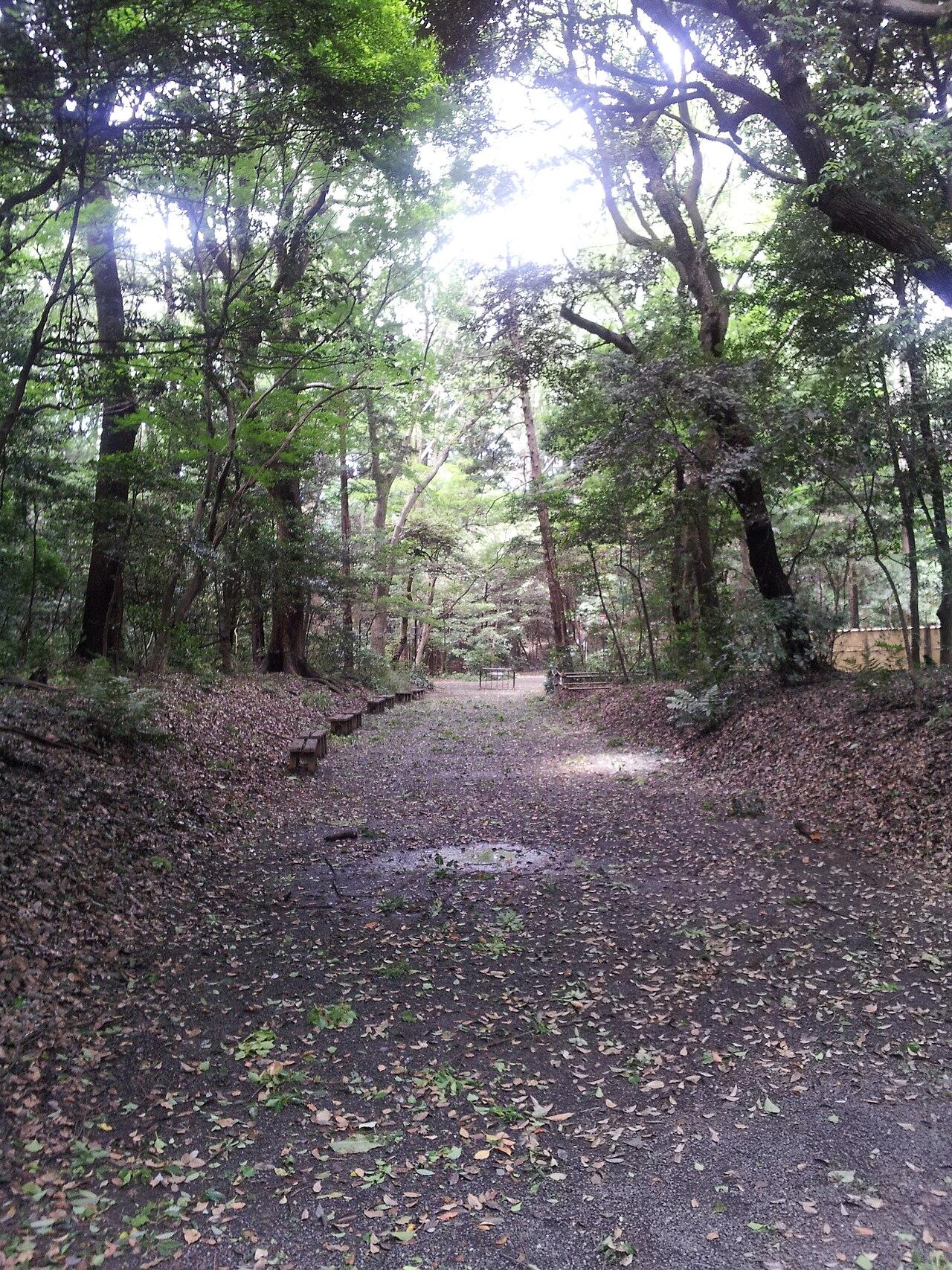
Photo: Nightcrafter / Wikimedia Commons, CC BY-SA 4.0
What is realistically open
Open, and crowded if you pick the famous ones: shrines and temples, especially 1 to 3 January. Convenience stores. Trains and subways, with extra pressure on 1 January and on routes that serve major shrines. Many hotel restaurants.
Often closed or on a short menu, especially 1 January: small restaurants that depend on a fresh market, family shops, some museums, bank counters. There is no prize for discovering this at the door of a one-counter sushi bar on 1 January. Eat where you already know the door will open, then go back to the small places from 4 January.
Back to normal with winter hours: most of the city from the first full working week. Outdoor gardens may close earlier than in summer. Last entry can be an hour before the posted closing time. Snow does not stop Tokyo. It does slow Hokkaido roads and, on the Japan Sea side, it can interrupt regional trains. Build slack into any January itinerary that depends on a single scenic limited express.
Shopping districts in large cities often run lucky-bag sales (fukubukuro) from 2 January. Stock and rules are set by each store. They are a reason a street looks busy, not a reason to plan the whole trip.
If your heart is set on December illuminations instead, those belong to the previous month: Tokyo Christmas illuminations 2026. By mid-January most of that lighting has come down or is on its last days. Do not promise yourself a Christmas light map in the third week of January.
A three-day Tokyo plan after the shutdown
Use this from 4 January onward, or any mid-month stretch that is not built around hatsumode. The first three days of the year want a different plan: one major shrine, food you have already checked will be open, and no museum you cannot afford to find closed. Keep both versions in RoamerPlanner if your dates might slide across 1 January, so the museum day is the piece you move, not the flight.
Day 1, Asakusa and Ueno. Morning at Senso-ji. The temple is open through the New Year and remains a working complex after the crush eases. Walk Nakamise only as far as you enjoy it. Afternoon at Tokyo National Museum if the day's calendar says open. If it is closed, stay outdoors in Ueno Park. Evening at Ameya-Yokocho, the market street beside the station, for a casual meal. This day has almost no transfers.
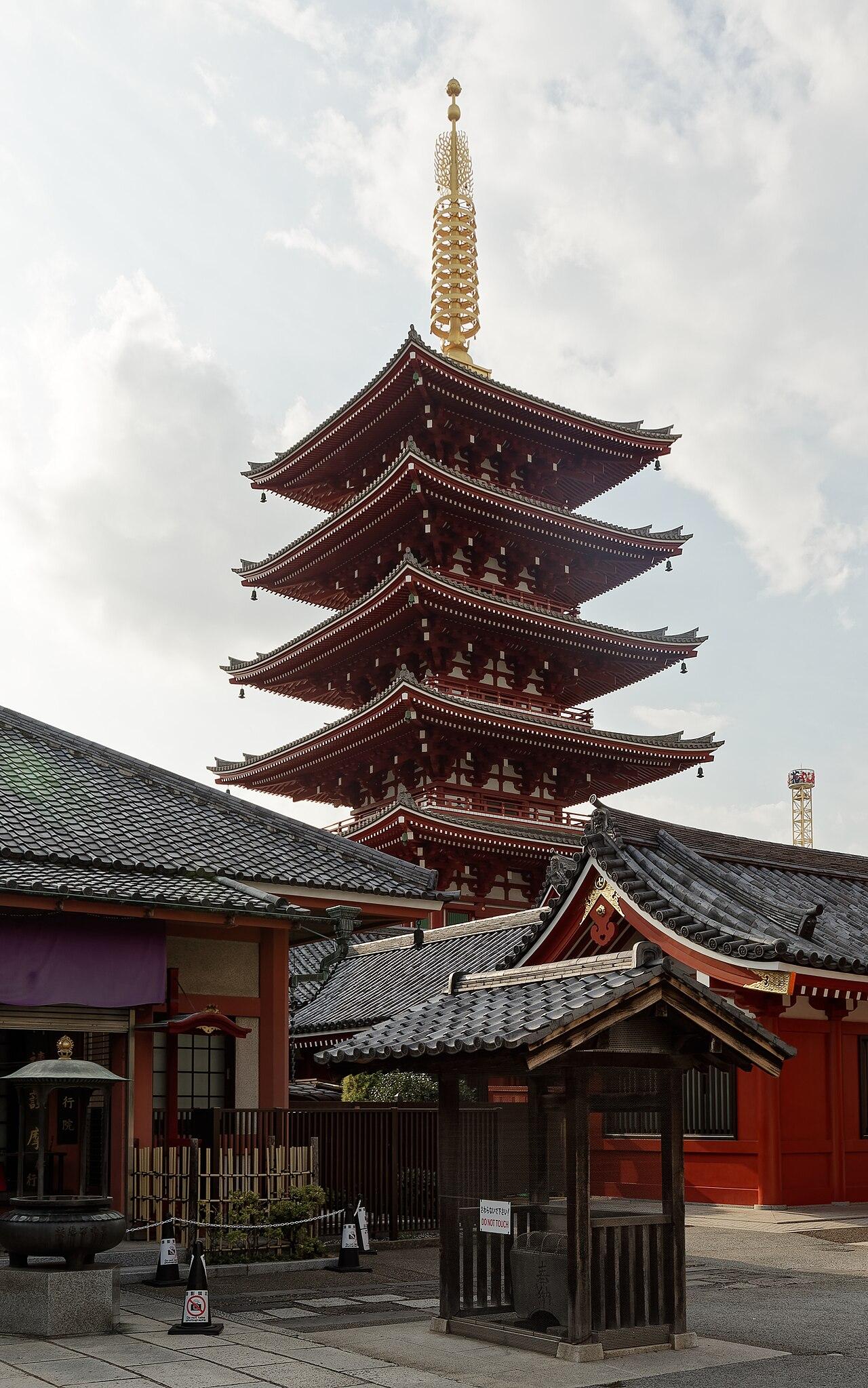
Photo: Jakub Hałun / Wikimedia Commons, CC BY 4.0
Day 2, a shrine and a garden. Morning at Meiji Jingu. The forest approach is the visit, even when you are not there for hatsumode. Afternoon at Shinjuku Gyoen. Winter hours are shorter than summer hours and the garden has a regular closing day, so read that week's notice before you cross town. Evening around Shinjuku Station for food. You do not need a reservation at every counter, and you will want one if you have picked a single small place on a Saturday.
Day 3, Kamakura as a day trip. About an hour from Tokyo by JR. Tsurugaoka Hachimangu in the morning, the Great Buddha at Kotoku-in late morning, and Komachi-dori if you want a street of small shops rather than a third temple. Kamakura is outdoors and exposed. It is a good dry January day and a poor day in heavy rain. Have a museum morning in Tokyo as the spare, not a second coastal town.
Rail passes are a separate decision. A Tokyo-only January trip often does not need a national JR Pass. A route that adds Hokkaido or a long Kansai hop might. Run the current fares against your actual trains in the JR Pass piece rather than buying on the strength of the season.
FAQ
Is Japan in January a bad time because everything is closed? Only if you arrive on 1 January and expect small restaurants and every museum to trade as usual. Shrines are open. From about 4 January the cities function, with winter hours.
Will it snow in Tokyo? Sometimes, and it rarely settles for long. Sapporo and the Japan Sea coast are where snow is the normal. Pack for cold wind in Tokyo anyway.
Is Coming of Age Day a problem? It is a Monday holiday on 11 January 2027. Smaller cities hosting ceremonies can be tight for hotels. Check Monday museum rules.
What about cherry blossom? Far too early on Honshu. Plum blossom starts in some places in late winter. The main sakura planning sits in cherry blossom 2027.
Sources
JMA 1991 to 2020 climate normals (Sapporo, Niigata, Tokyo, Osaka, Fukuoka, Naha: January means and precipitation as cited; Sapporo daily max, daily min, snow days and deepest snow from the Sapporo station normal table). Cabinet Office national holidays for 2027: 1 January New Year's Day, 11 January Coming of Age Day, published at cao.go.jp. JNTO guidance on New Year business closures and on hatsumode practice. Individual museum hours for January 2027 not officially confirmed in one national list. Checked 24 October 2026.
Cover photo: MediaByPanda / Wikimedia Commons, CC BY-SA 4.0
Turn this into a plan
Ready to turn this into a real itinerary? Plan it in RoamerPlanner.
Start your own plan, no account neededBrowse sample trips