Cherry Blossom 2027 Japan: When to Go and How to Plan Before the Forecast
October 21, 2026
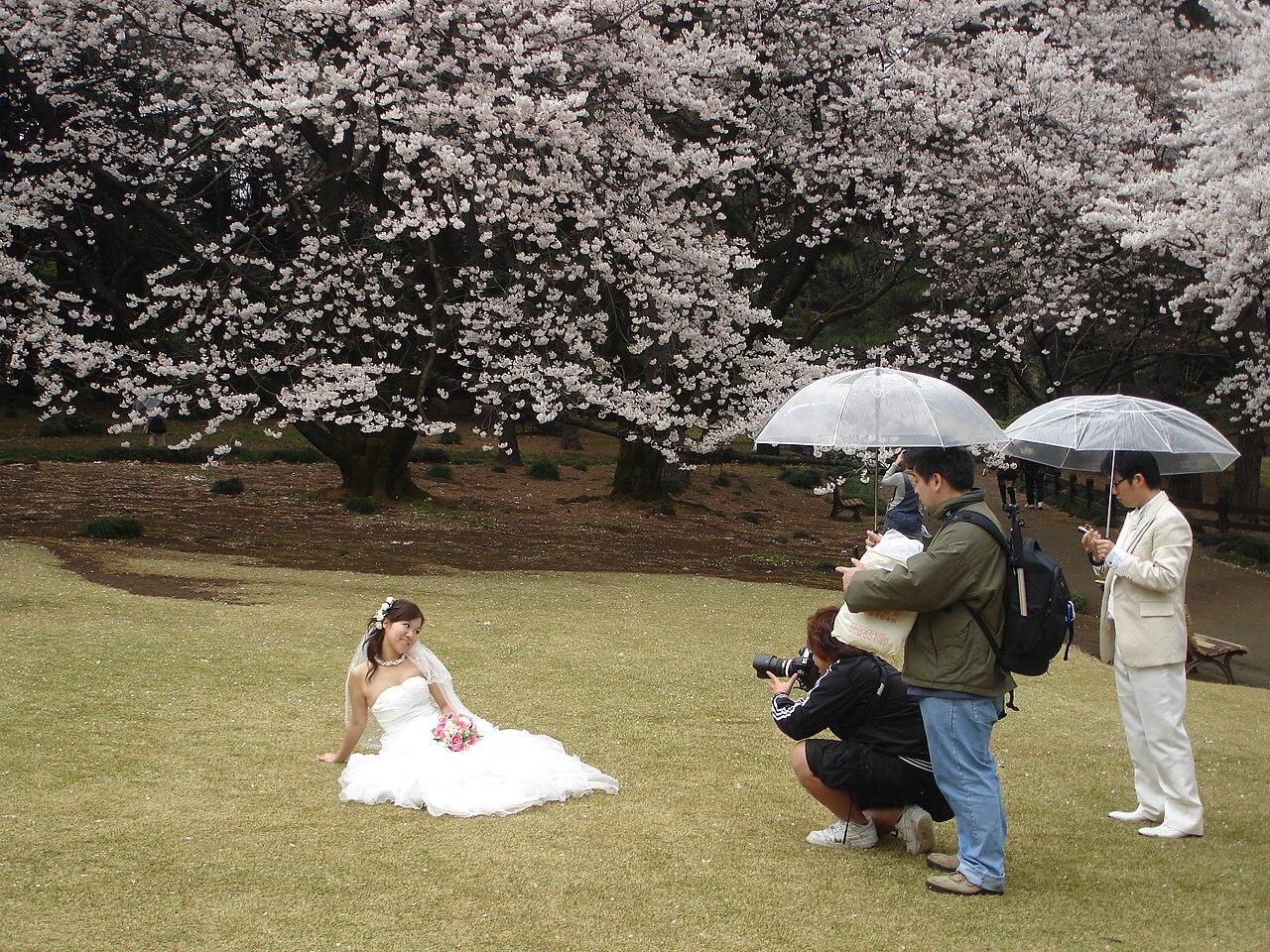
Planning a cherry blossom 2027 Japan trip means booking before any dated forecast exists. Private forecasters usually publish their first nationwide calls in mid-winter; as of 21 October 2026, no official 2027 flowering calendar has been released. You can still plan well by using long-term averages, building date flexibility and watching the forecasts when they appear.
What "not officially confirmed" means for 2027
Japan's national weather agency no longer issues the old public sakura forecasts travellers used to wait for. Seasonal timing now comes mainly from private forecasters such as the Japan Meteorological Corporation (Nihon Kishou) and Weathernews. For the 2026 season, Japan Meteorological Corporation published an early first outlook in mid-December 2025 and then updated it many times through spring. Weathernews and other outlets follow their own calendars.
Until those 2027 releases appear, treat any precise "Tokyo blooms on 28 March 2027" claim online as speculation. Prefer historical normals and a booking strategy that can shift a few days either side of your ideal window.
Cherry blossom 2027 Japan: how the season usually moves
There is no single national cherry blossom week. JNTO describes the main viewing period as running roughly from the latter half of March into early May as blooming moves from south to north.
Typical planning anchors (long-term averages for Somei Yoshino, not 2027 forecasts):
- Kyushu and western Honshu: often mid to late March into early April.
- Tokyo: average first bloom around late March; average full bloom around 31 March in the current normal set used by many guides.
- Kyoto and Osaka: average full bloom often early April (commonly cited near 4 April).
- Tohoku: mid to late April in many years.
- Hokkaido (for example Sapporo): late April into early May.
Averages shift slowly over decades as normals are recalculated. Year-to-year swings of a week either side are normal. Your trip plan should survive that spread.
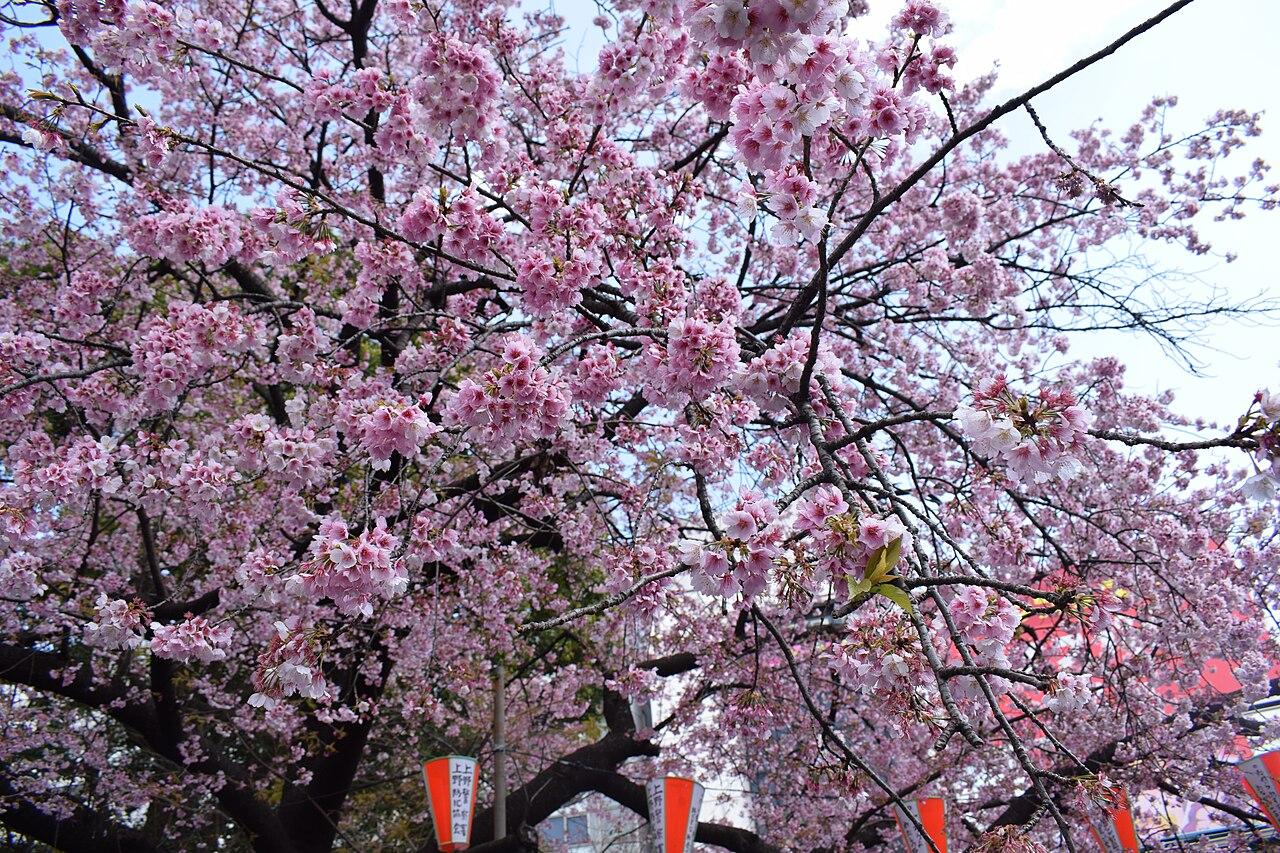
Syced / Wikimedia Commons, CC0
Book the trip before the forecast, not after
Hotels in Tokyo and Kyoto for late March and early April often rise months ahead. Waiting for the first 2027 forecast (likely winter 2026–27 if recent patterns hold) can leave you with fewer refundable rooms.
A practical sequence:
1. Now through late autumn 2026: lock refundable hotels for your preferred window (often late March to early April for Tokyo–Kyoto) and watch flight prices. 2. When the first forecaster releases appear: read them, but avoid tearing up the whole trip for a one-day shift. 3. January to March 2027: follow updates; slide refundable nights a few days if several forecasters agree. 4. Closer to travel: book time-specific items (some tea houses, popular restaurants, early train seats on busy days).
If your dates are fixed by work or school, build a wider geography into the plan instead of chasing a single park on a single Saturday.
Where to go for a first sakura trip
Tokyo
Ueno Park, Shinjuku Gyoen, Chidorigafuchi and the Meguro river are classic spots. Crowds peak at full bloom weekends. Shinjuku Gyoen needs a ticket and has rules about alcohol and large picnics; check the park's current page before you go.
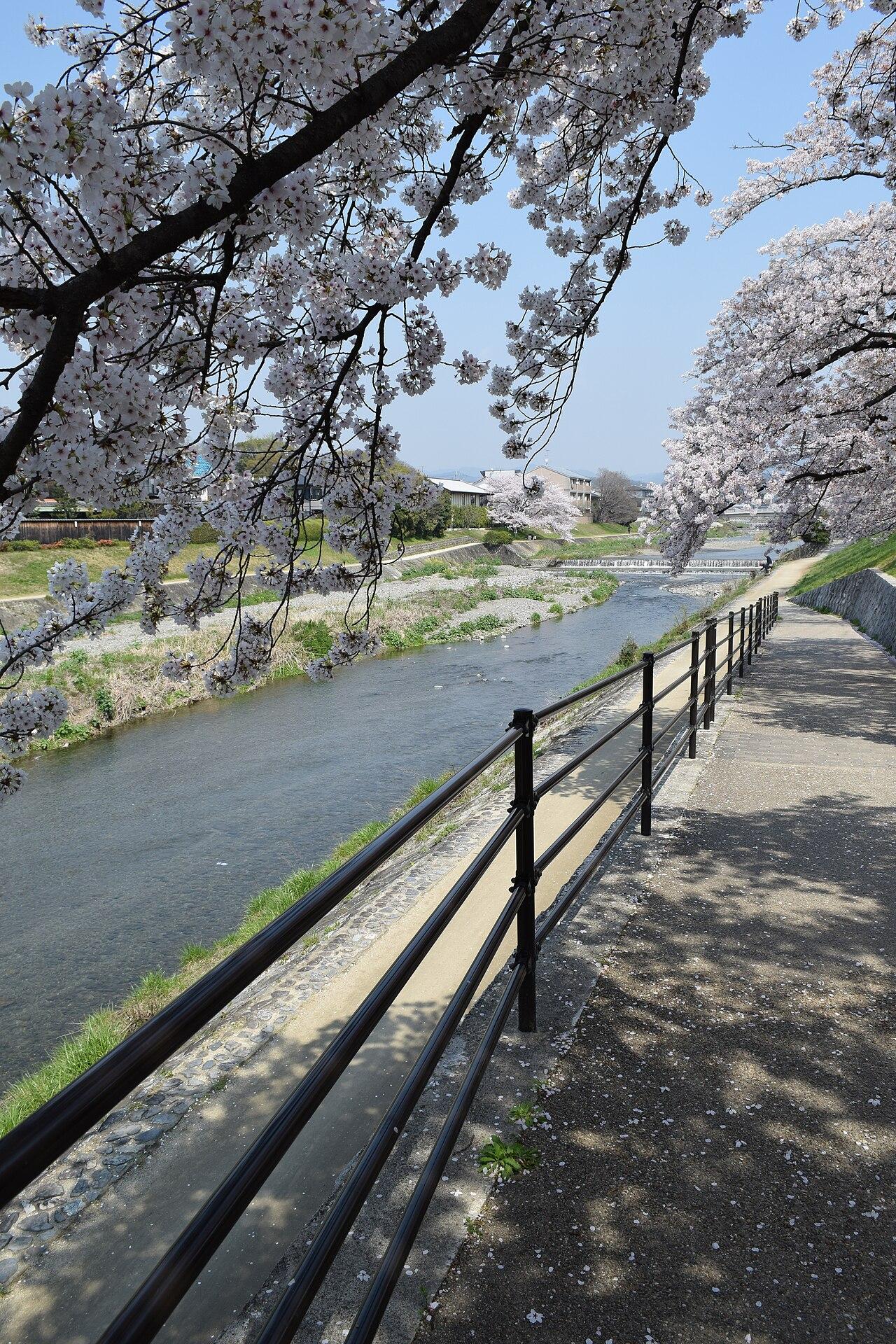
Photo: ::::=UT=:::: / Wikimedia Commons, CC BY-SA 3.0
Kyoto
Philosopher's Path, Arashiyama, Maruyama Park and temple gardens draw heavy visitor numbers. Stay in or near the areas you will walk at dawn if you want quieter photos. Pair sakura with non-blossom sights so rain days still work.
Osaka and beyond
Osaka Castle Park is an easy add on a Kansai base. Day trips to Nara or Himeji work when Tokyo timing looks early or late relative to your locked flights.
Later blooms
If you can travel in mid-April or early May, Tohoku and Hokkaido reduce some of the Tokyo–Kyoto crush. That is a different itinerary shape, closer to a northbound journey than a short city break.
A flexible five-day sample (Tokyo focus)
This is a template you can shift earlier or later once forecasts firm up. It is not a promise of bloom on these exact calendar days.
Day 1: Arrive and settle
Morning or afternoon arrival, hotel check-in, easy neighbourhood walk, early night.
Day 2: Central parks
Morning at a major park (Ueno or Shinjuku Gyoen), afternoon museum or shopping under cover, evening river or illuminated trees if open for the season.
Day 3: East side and markets
Asakusa and Sumida areas, with sakura detours only if trees along your route are open. Keep indoor backups.
Day 4: West side
Shibuya or Shinjuku streets, optional Meguro river if timing matches, flexible evening.
Day 5: Buffer or day trip
Hold this day for a forecast-driven park visit, a rain museum day, or a short trip to Kamakura or Yokohama.
For a wider country route once dates settle, see our 7-day Japan itinerary, 5 days in Tokyo and 14-day Japan itinerary. You can drop the sample days into RoamerPlanner and move blocks when the forecast updates. Related reading: Is the JR Pass worth it in 2026?.
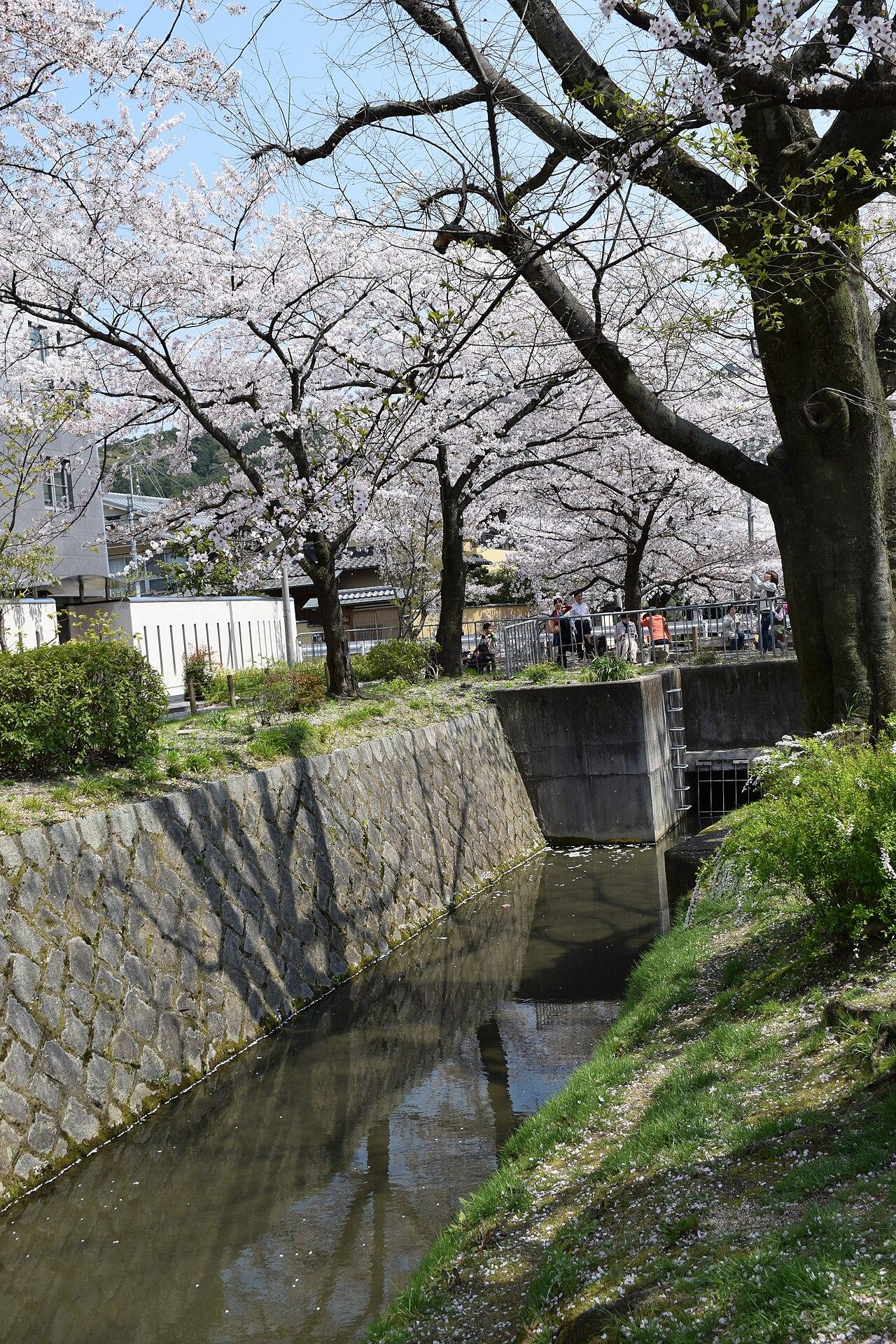
Photo: ::::=UT=:::: / Wikimedia Commons, CC BY-SA 3.0
Practical tips that matter more than perfect dates
- Refundable rates: worth the premium when bloom timing is still open.
- Weekdays: parks are easier midweek than Saturday afternoon at full bloom.
- Rain gear: spring showers are common; a light waterproof layer beats cancelling the day.
- Transit: IC cards and a clear hotel-to-park route save time when stations are crowded.
- Etiquette: stay on paths where required, take rubbish with you, and respect park alcohol rules.
How to read a forecast when it arrives
Forecasters talk about first bloom (kaika) and full bloom (mankai) at designated trees, often Somei Yoshino. Full bloom is usually the picnic target, but petal drop can start soon after, especially with wind and rain. Read city-level dates as a centre point, not a guarantee for every street.
When several independent outlooks agree within a few days, small hotel shifts make sense. When they disagree, keep your buffer day and indoor plans.
FAQ
Has the cherry blossom 2027 Japan forecast been released? Not as of 21 October 2026. Treat dated 2027 predictions on random websites as unofficial until major forecasters publish.
When should I book flights? When you can accept a late-March to early-April window for Tokyo and Kyoto, or when your school or work calendar forces fixed dates. Refundable hotels matter as much as the flight.
Is mid-April too late for Tokyo? Some years still have petals; many years have moved on. Mid-April is stronger for points north. Watch updates rather than assuming.
Do I need the JR Pass for a Tokyo-only sakura trip? Often no. See our JR Pass numbers piece linked above for multi-city routes.
Sources
Forecast status and industry release patterns: Japan Meteorological Corporation seasonal sakura services; reporting on 2026 first-release timing (mid-December 2025) and update cadence. Season overview: JNTO cherry blossom guidance (south-to-north progression into early May). Historical average bloom anchors widely cited from JMA normals (1991–2020) for major cities. 2027 dated peak forecasts: not officially confirmed as of 21 Oct 2026. Recheck forecaster sites in winter 2026–27 before travel.
Cover photo: Humanoid one / Wikimedia Commons, CC BY-SA 3.0
Ready to turn this stay into a real itinerary? Plan it in RoamerPlanner.
Open RoamerPlanner