Day Trips from Tokyo: Nikko, Kamakura and Hakone
October 29, 2026
Day trips from Tokyo split on the train, not on the photographs. Kamakura is an ordinary JR ride of about an hour with no limited express charge. Nikko and Hakone each need a reserved limited express on top of the fare, and Hakone's loop is the one that often runs out of daylight.
All three are in a different direction, from a different station. Nikko leaves from Asakusa on Tobu. Hakone leaves from Shinjuku on Odakyu. Kamakura leaves from Tokyo Station on the JR Yokosuka Line. A Japan Rail Pass covers the Yokosuka Line and, via Utsunomiya, the JR way to Nikko. It does not cover Tobu and it does not cover Odakyu past Odawara. If the pass already lost the math in Is the JR Pass worth it in 2026?, do not buy one just to save the Kamakura ticket.
Day trips from Tokyo: how long the trains take
Kamakura. JR East's Yokosuka Line runs direct from Tokyo Station to Kamakura. The ride is about an hour, and often a few minutes under that, with several trains an hour through the day. You do not buy a limited express ticket. JR East revised ordinary fares on 14 March 2026 and folded the old cheaper Tokyo-area fare into the trunk fare, so a pre-2026 blog that still says under 1,000 yen is stale. Check the machine on the day. It remains a plain local fare, not a Shinkansen fare.
From Kamakura Station the Enoshima Electric Railway (Enoden) takes about seven minutes to Hase, the third stop toward Fujisawa. Kotoku-in is a seven-minute walk from Hase. A bus from the east exit of Kamakura Station reaches the Daibutsu-mae stop in about ten minutes. Kotoku-in's own page says the temple has no parking.
Nikko. Tobu's SPACIA X timetable shows four trains from Asakusa that actually reach Tobu-Nikko: 7:50 arriving 9:39, 9:00 arriving 10:50, 10:00 arriving 11:49, and 15:00 arriving 16:49. That is 1 hour 49 minutes. Other SPACIA X runs on the same sheet go to Kinugawa Onsen instead. Kegon and Revaty limited expresses fill the gaps, and they are what you will probably ride home, because the SPACIA X returns from Tobu-Nikko are sparse. Confirmed departures on that sheet include 10:20 (into Asakusa at 12:15) and 11:55 (into Asakusa at 13:45). An 11:55 departure gives you a short shrine visit, not a full one. Check the day's Kegon board before you commit to the 7:50 outbound.
Every seat on these limited expresses is reserved. The basic fare and the limited express charge are separate, and the charge moves between off-peak, regular and peak dates. Tobu's NIKKO PASS all area is 8,000 yen for an adult and 4,000 yen for a child, valid four days, and it does not include the limited express ticket. It is sold to foreign visitors. Japanese nationals traveling with them can buy it too. Admission to the shrines is extra. The pass does cover Tobu buses in Nikko, which is the useful part once you are there.
The JR alternative is the Tohoku Shinkansen to Utsunomiya and the JR Nikko Line. A nationwide rail pass covers that. It is not the direct Tobu train, and it is the wrong project if you do not already hold a pass.
Hakone. Odakyu's Romancecar is reserved only. The limited express surcharge from Shinjuku to Hakone-Yumoto is 1,200 yen, or 1,150 yen if you buy the digital ticket on Odakyu's site. The Hakone Freepass from Shinjuku is 7,100 yen for two days and does not include that surcharge. The ride itself is under an hour and a half on the fastest Romancecars. A cheaper path is a rapid express to Odawara and the Hakone Tozan line up to Hakone-Yumoto, which takes longer and skips the supplement.
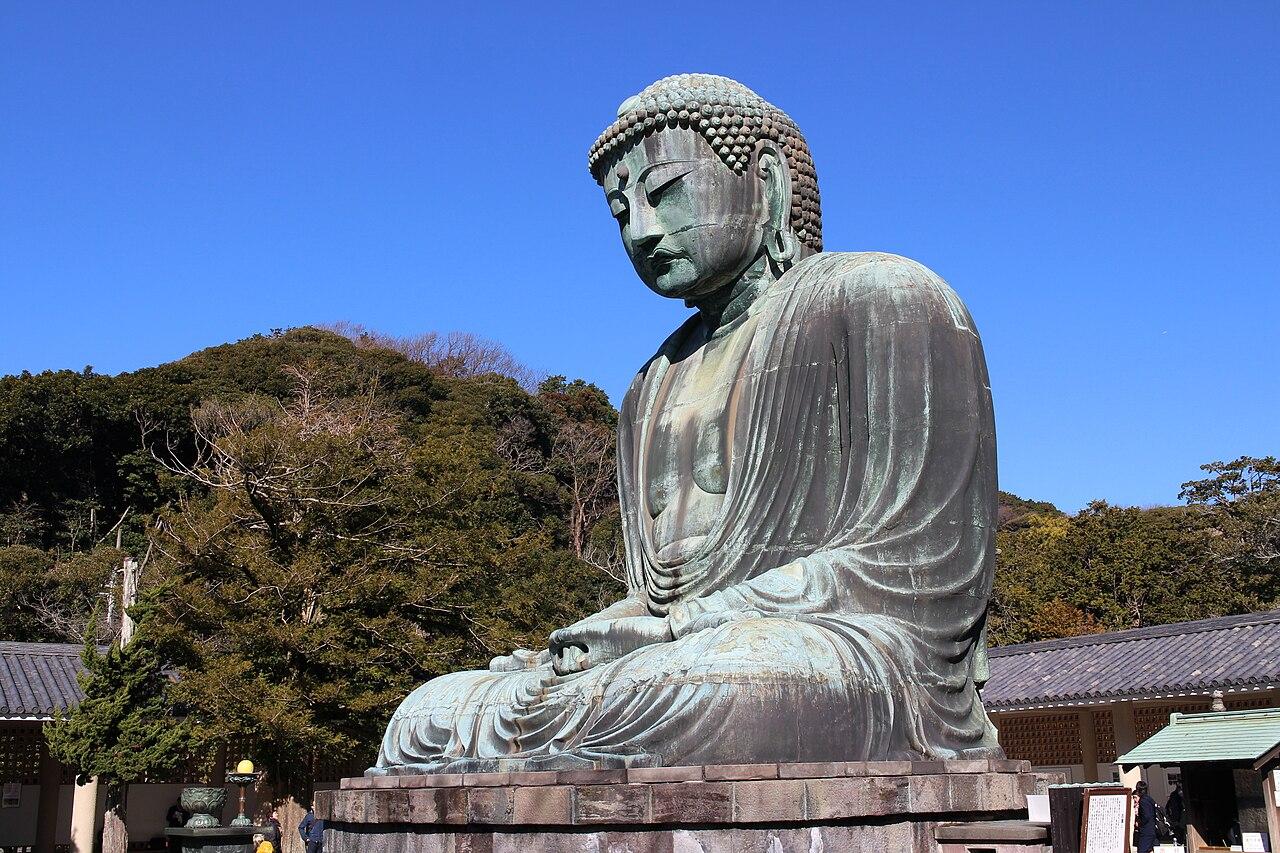
Photo: Suicasmo / Wikimedia Commons, CC BY-SA 4.0
What you pay to walk in
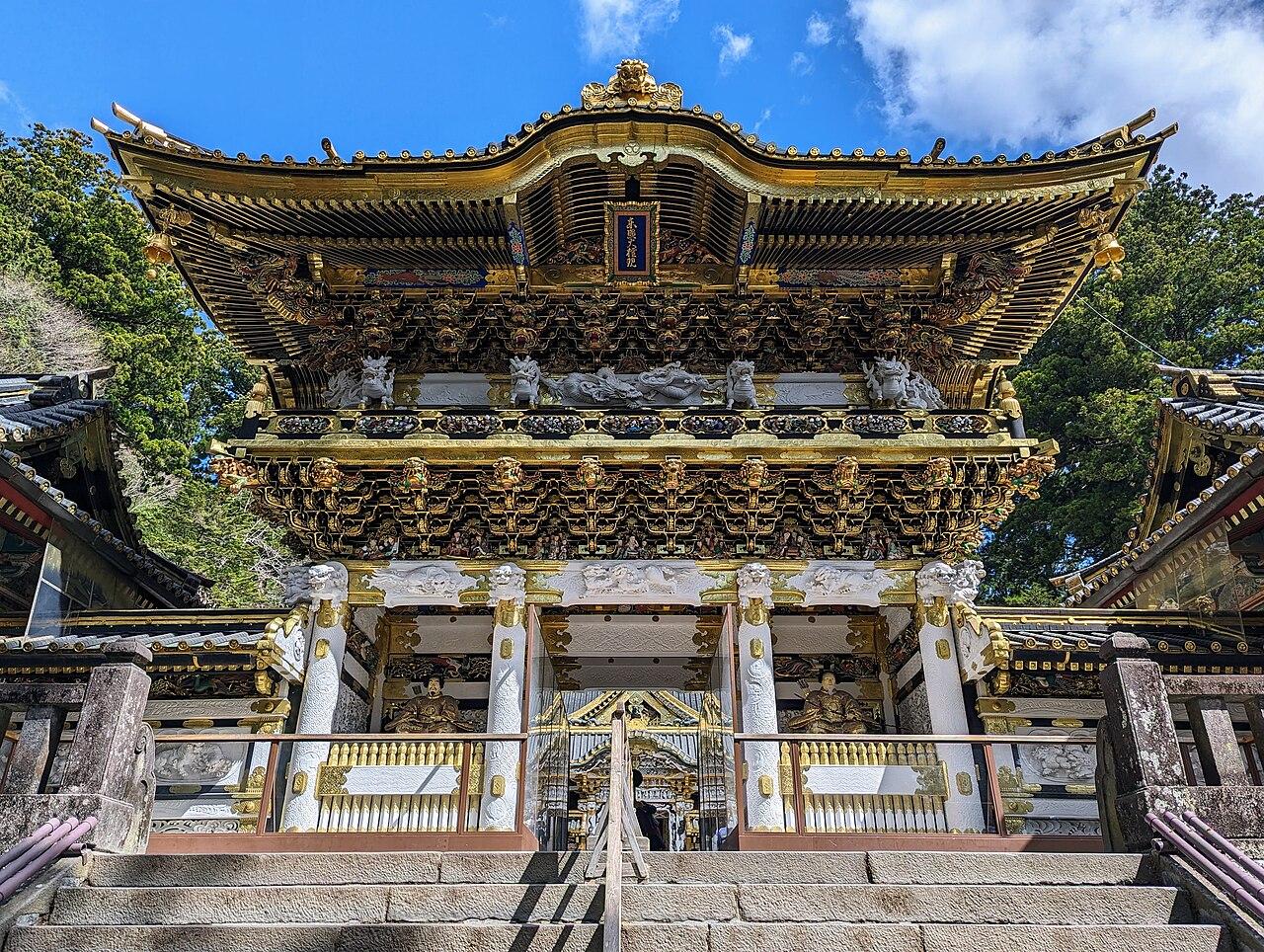
Nikko Toshogu's own tariff is 1,600 yen for adults and high school students, 550 yen for elementary and junior high students. From 1 April to 31 October the grounds are open 9:00 to 17:00. From 1 November to 31 March they close at 16:00. Ticket sales stop 30 minutes before closing on both seasons. The shrine is open daily. Tochigi's tourism site puts the world-heritage loop bus at about ten minutes from Tobu-Nikko Station to the Omotesando stop, then a short walk. Toshogu, Rinnoji and Futarasan are three separate gates. Budget the 1,600 yen for Toshogu first. The other two are smaller fees and easy to skip if the return train is tight.
Kotoku-in charges 300 yen, or 150 yen for ages 6 to 12. Children under six are free. Going inside the statue is another 50 yen. Hours are 8:00 to 17:30 from April through September, and 8:00 to 17:00 from October through March, with entry until 15 minutes before close. The interior closes earlier, at 16:30, with entry until 10 minutes before. No reservation. Hase-dera is a five-minute walk away and charges its own ticket. Tsurugaoka Hachimangu, the shrine at the end of the pedestrian approach from Kamakura Station, does not charge to walk the grounds.
Hakone's sights are mostly inside the freepass: Hakone Tozan railway, the cable car, the ropeway, the pirate ship on Lake Ashi, and the local buses. Owakudani is the stop that closes. Volcanic gas and wind shut the ropeway and the valley paths with little notice. If that is the photo you came for, have a bus-only version of the day ready. Mount Fuji from the ropeway is a weather event, not a promise.
Three sample days
These are alternatives. Doing all three in one holiday is three early alarms, not one long weekend pasted together. A base in Shinjuku makes Hakone and the Odakyu side of Kamakura easier. A base near Tokyo Station or Asakusa makes the other two easier. 5 days in Tokyo already fills the center. Add one of these, not the set, unless you have a second week.
Kamakura, if you want to be back for dinner. Leave Tokyo Station mid-morning on the Yokosuka Line. Walk the approach to Tsurugaoka Hachimangu before the lunch crush on Komachi-dori. Ride the Enoden to Hase and see Kotoku-in while the gate is still quiet. Hase-dera is next door if the 300 yen Buddha was not enough. The train home does not need a reservation. That is the practical difference from Nikko and Hakone.
Nikko, if the shrines are the point. Take the 7:50 SPACIA X from Asakusa and be at Tobu-Nikko at 9:39. Bus to Omotesando, Toshogu when it opens. Eat near the shrine, not back in Tokyo. Leave on a Kegon that still gives you a full visit. Lake Chuzenji and the falls are on the all-area pass and they are a second bus ride into the mountains. Adding them turns a shrine day into a 12-hour day. Save Chuzenji for a night in Nikko.
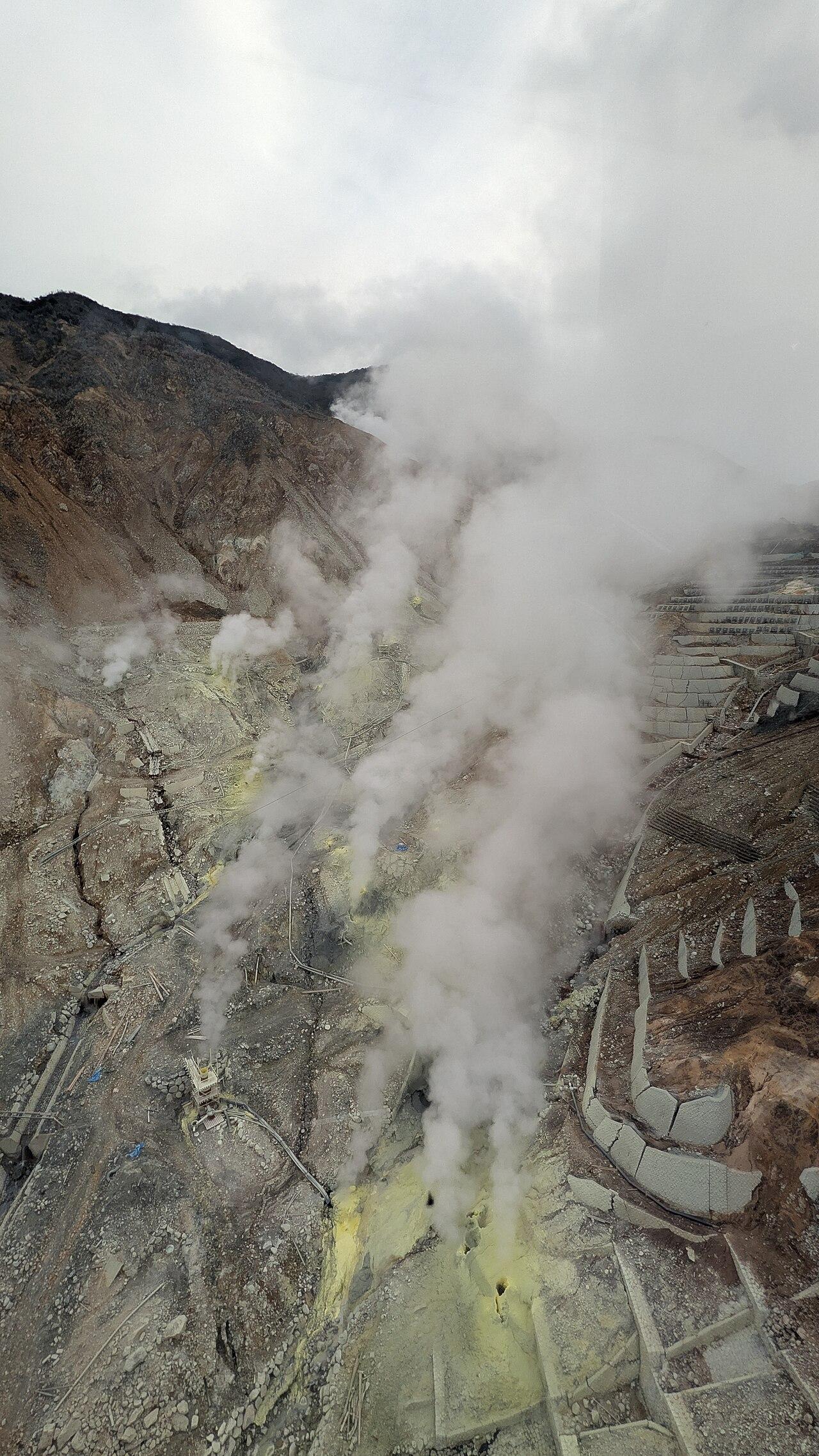
Photo: Joli Rumi / Wikimedia Commons, CC BY-SA 4.0
Hakone, if you accept a long loop. Odakyu's freepass from Shinjuku is 7,100 yen for two days. Buy that even if you only sleep in Tokyo, because the railway, cable car, ropeway, ship and buses are what the pass is for, and the Romancecar surcharge is still extra. Pay the 1,200 yen at least outbound so you start early. Hakone-Yumoto, Tozan train to Gora, cable car, ropeway over Owakudani, ship across Ashi, bus back. Drop one of those if the ropeway is closed or if you want a soak. A day-use onsen plus every vehicle is how this trip misses the last Romancecar. The pass is sold for two days. Use a second morning for whichever leg you cut. If you must sleep in Tokyo, start with the first train and cut something.
An IC card such as Suica pays the Yokosuka Line and a lot of Odakyu and Tobu basic fares. It does not reserve the Romancecar or the Tobu limited express. Which card to buy is in Suica vs ICOCA. The long ride west, if this day trip is a warm-up for Kansai, is a different ticket: Tokyo to Kyoto.
You can park one of these days beside the Tokyo block in RoamerPlanner and see the alarm time. Kamakura tolerates a late start. Nikko does not.
What goes wrong
Nikko in winter closes Toshogu at 16:00, with tickets stopping at 15:30. A late outbound plus a slow bus is how people see the gate from the wrong side. The 15:00 SPACIA X arrival at 16:49 is a same-day return only if you are going to Kinugawa or you already know you will not enter.
Hakone's ropeway is the other failure. It is the view, and it is the piece the mountain can cancel. The freepass does not refund the weather.
Kamakura's failure is milder and more common: Komachi-dori at lunch, then a rushed Buddha, then an Enoden back that you could have reversed. See Hase first if you care more about the statue than the shrine approach.
Holiday weeks stack all three problems. Golden Week 2027 is when limited express seats and the Romancecar go first. Book those seats when they open. Kamakura's local train cannot sell out in the same way, and the temple gate still can queue.
Sources: Tobu Railway SPACIA X timetable and NIKKO PASS all area page (8,000 yen adult, four days, limited express extra); Nikko Toshogu visiting-hours page (1,600 yen, 9:00 to 17:00 or 16:00); Tochigi tourism association access note for the shrine bus; Kotoku-in official hours and fees; Odakyu passes page (Romancecar surcharge 1,200 yen Shinjuku to Hakone-Yumoto, Hakone Freepass 7,100 yen for two days from Shinjuku); JR East fare revision of 14 March 2026. Checked 25 October 2026.
Cover photo: Jpatokal / Wikimedia Commons, CC BY-SA 4.0
Turn this into a plan
Ready to turn this into a real itinerary? Plan it in RoamerPlanner.
Free. You'll sign up or log in first, then the copy is ready to edit.
Start your own plan, no account needed