Tokyo to Kyoto: Shinkansen, Night Bus or Flight
October 29, 2026
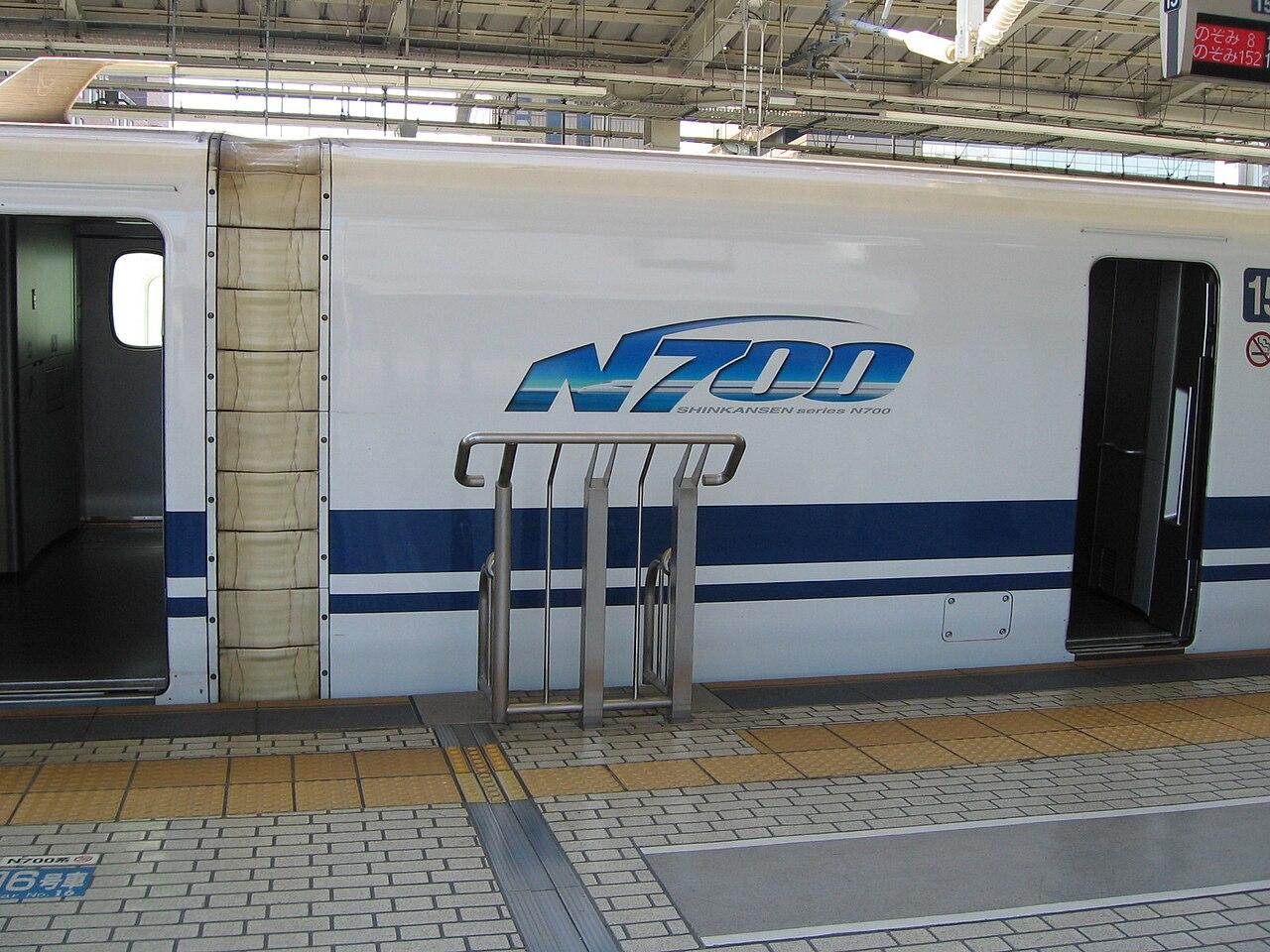
Tokyo to Kyoto is about two hours on a Nozomi, station to station, and that is the fact that should decide the ticket. A flight is shorter in the air and usually longer once Haneda and the bus from Itami are added. The night bus is the cheap seat, and it uses the night you would otherwise pay a hotel for.
JR Central describes the Tokaido Shinkansen as about two hours from Tokyo to Kyoto, with trains every few minutes at the busy times of day. The fastest Nozomi runs are a little over two hours. Hikari trains make more stops and are often half an hour slower, sometimes more. You board at Tokyo Station or Shinagawa. You get off at Kyoto Station, in the city, not at an airport bus stop.
Tokyo to Kyoto by Shinkansen
A reserved ordinary seat on a Nozomi, regular season, was 14,170 yen on JR's published Tokaido fare table as of March 2026. A reserved ordinary seat on a Hikari was 320 yen less. The reserved-seat charge moves with the season: a few hundred yen down on designated quiet days, and a few hundred yen up on peak days and the busiest days. Non-reserved seats do not take that seasonal bump. Use the fare for your date on SmartEX or at the station window. A screenshot from another month will be wrong by enough to annoy, not by enough to change the choice versus a bus.
Station counters put reserved seats on sale at 10:00 one month before departure, the same date in the previous month. SmartEX and JR's Express Reservation open some products at 5:30 a year ahead. Those early seats are a limited slice of the train. The rest join the one-month sale. You need a credit card SmartEX will accept, and a foreign transaction fee is the card company's business, not JR's.
Outside peak blocks, Nozomi trains still have non-reserved cars. They fill first, and you do not choose the seat. During the blocks JR Central lists for fiscal 2026, every Nozomi seat between Tokyo and Hakata is reserved. The English notice names the blocks as Golden Week, Obon, Silver Week, Sports Day, Labor Thanksgiving Day, the New Year holiday, Coming-of-Age Day and the vernal equinox. The dates themselves are on the graphic at JR Central's Nozomi page. If your day is on that list and you only hold a non-reserved ticket, you may stand in the vestibule of an ordinary car. You will not be sat. Hikari and Kodama keep non-reserved seats in those periods, and those cars get crowded because everyone who did not book ends up there.
The Japan Rail Pass does not include Nozomi or Mizuho by itself. The add-on ticket between Tokyo and Kyoto was 4,960 yen in the pass rules checked for Is the JR Pass worth it in 2026?. Hikari is included in the pass and is the train you ride if you refuse the extra ticket. For a simple Tokyo, Kyoto and Osaka week, that same piece shows the pass losing to ordinary tickets. Run your own dates before you buy seven days of pass to cover one ride.
Large bags have a separate rule. If the three sides of a bag add up to more than 160 cm, JR Central wants it in an oversized-baggage seat reserved ahead. A normal suitcase under that total can use the overhead rack or the space behind the last row. Measure the bag before you are at the gate arguing with a tape.
SmartEX can be tied to a Suica or ICOCA so the Shinkansen gate opens when you tap the card. The tap does not pay the fare. The reservation does. Without that link, ICOCA and Suica do not cover the Shinkansen. You still buy a ticket.
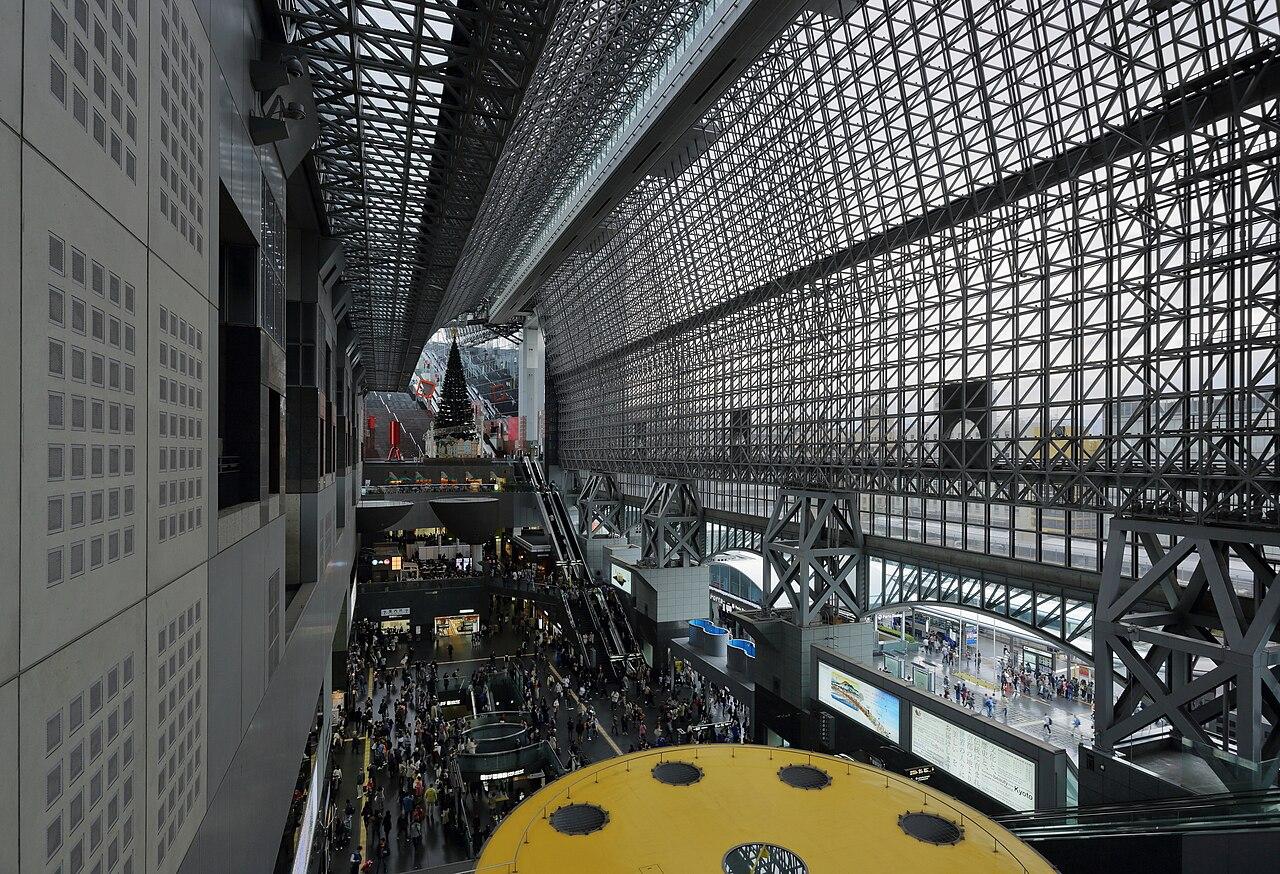
Photo: Martin Falbisoner / Wikimedia Commons, CC BY-SA 4.0
Seat E, the right-hand window when the train is going from Tokyo toward Kyoto, is the Mount Fuji side on most of this line. It is a free choice when you book. It is not a reason to pay for Green car. Green is a wider seat and a higher fare. For two hours, ordinary reserved is what most people need.
The night bus, when the yen matter
Nishinihon JR Bus published a fare sheet dated 19 March 2026 for the Tokyo corridor. On the Seishun Eco Dream, the 4-row overnight buses, a one-way adult fare between Tokyo or Shinjuku and Osaka, Kobe, Kyoto or Nara runs from 3,300 to 12,500 yen. The day sets the price. The same sheet prices 3-row and premium buses higher, with some products quoted only as far as Osaka. Private operators such as Willer sell their own seats, often in a similar spread, with the ugly prices on Friday night and the night before a holiday. Those are the nights that also sell out.
These are overnight runs. Scheduled arrivals at Kyoto Station cluster around breakfast. The Tomei Expressway can add an hour or more, and the bus company will not hold a temple's timed entry for you. Do not book a 9:00 slot at a Kyoto site for the morning you get off the bus. If you need that morning, take the train the day before and pay for the hotel.
Busta Shinjuku and the Tokyo Station bus terminal are the usual Tokyo ends. Kyoto drops are at Kyoto Station, with some buses also stopping at points such as Gion-Shijo. Read the stop name. "Kyoto" on a ticket is not always the main station door you expect, though most JR and Willer runs that continue to Osaka do use Kyoto Station.
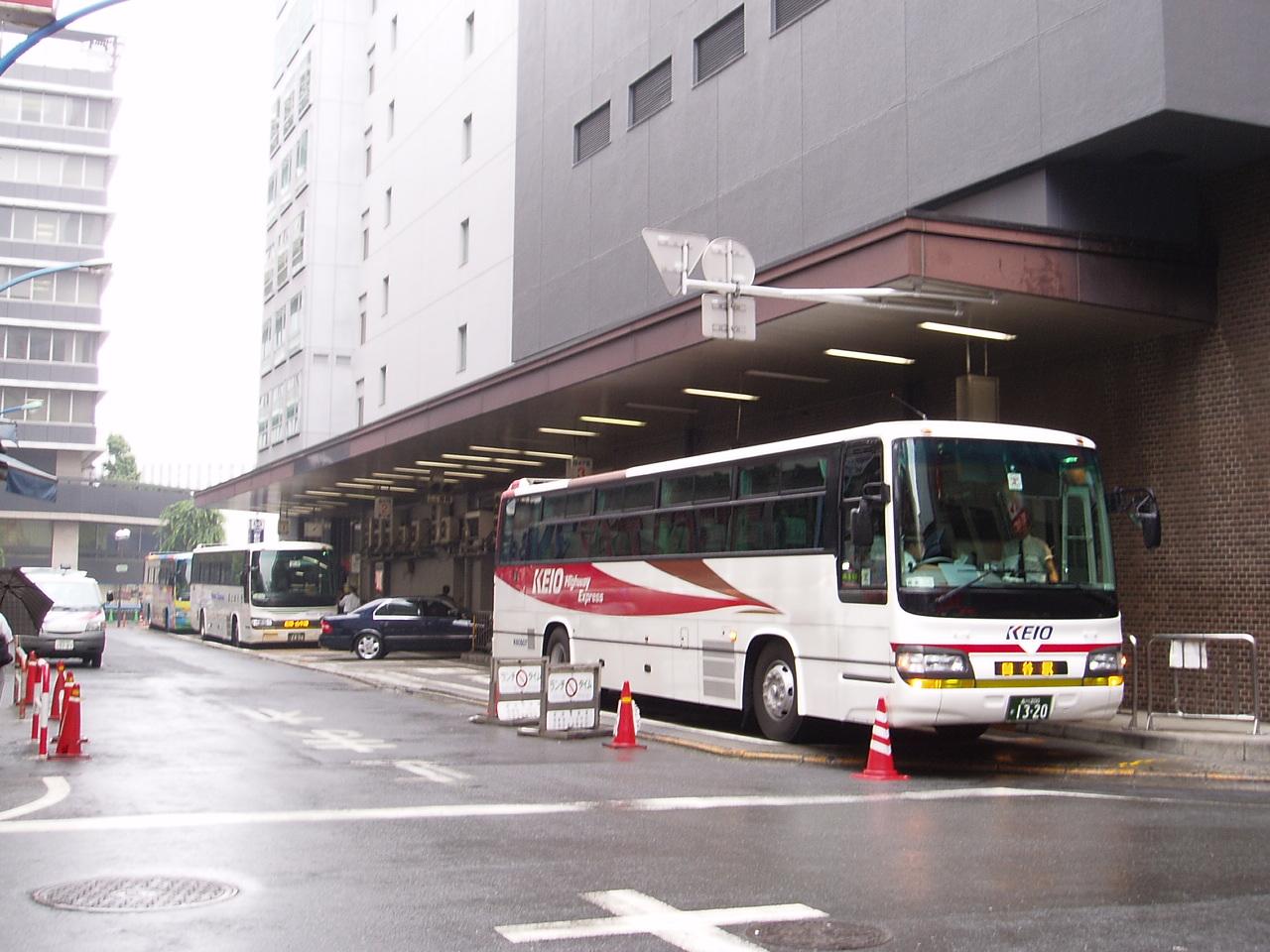
The bus is the right ticket when the fare is far under 14,170 yen, you can sleep in a seat, and you do not need the next morning. It is a bad ticket if you are tall, you are arriving from a long flight the same evening, or the only seats left are the ones at the top of that fare band. At 12,500 yen you are close enough to a Hikari that the train's two hours and a real bed may be the cheaper day.
Flying, and why the hour in the air misleads
Haneda to Itami is about an hour in the air. Itami is the closer of Osaka's airports to Kyoto. The onward ride is a bus, not a station under the terminal, and the bus is another ticket and another queue. Add the ride from a Tokyo hotel to Haneda, the bag drop, and the wait, and the chain is rarely faster than a Nozomi into Kyoto Station. It wins on a day when the Shinkansen you want is sold out, or when a sale fare is plainly cheaper and you are already at Haneda.
Narita is the wrong airport for this hop unless your international flight already dumped you there. Kansai International is the wrong airport for a speed comparison with the train: it is the one with more long-haul flights, and it sits well south of the city. Kansai does have a JR limited express into Kyoto, which is useful on an arrival day from abroad. It is not a shortcut from Shinjuku.
Published air fares swing harder than the Shinkansen. A sale can undercut 14,170 yen. A walk-up fare can look absurd next to it. Compare the ticket you can actually pay for, then add the airport buses on both ends. If those buses wipe out the saving, buy the train.
Which one to book
Take the Shinkansen if you want the afternoon in Kyoto, you are carrying a bag over the 160 cm rule and would rather reserve a seat than a bus luggage hold, or your date is inside a holiday when buses sell out and Nozomi cars go all-reserved. Book the reserved seat when the one-month window opens, or earlier on SmartEX if your card works.
Take the bus if the day's fare is in the low half of that 3,300 to 12,500 yen band, you can afford a soft morning, and a hotel night saved is the point.
Take the plane only after the door-to-door clock, not the airborne one, still looks better.
Golden Week 2027 is the sort of week when this choice gets worse in every mode at once. A normal week in a 7-day Japan itinerary is one train ride, not a puzzle. If the trip runs further west, the 14-day Japan itinerary is where a pass starts to enter the math. You can drop the train, with its fare, onto the right day in RoamerPlanner and see whether the pass week still loses.
Does the Nozomi always take two hours? JR Central's own line is "about two hours." Individual runs vary by a few minutes. Hikari is the slower reserved option and the one a rail pass covers without an extra ticket.
Can I board a Shinkansen with Suica alone? No. Suica and ICOCA pay local trains, subways and a lot of shops. The Shinkansen needs a ticket, unless the card is only the key for a SmartEX reservation you already bought.
Is the bus safe to book for a morning temple? Only if the temple time is late enough to absorb a delay. A 9:00 entry is not that.
Sources: JR Central, Tokaido and Sanyo Shinkansen Nozomi all-reserved notice and SmartEX reservation rules (global.jr-central.co.jp/en/nozomi and smart-ex.jp); JR published Tokaido fare table, regular season, as of March 2026 (14,170 yen reserved ordinary Nozomi Tokyo to Kyoto; Hikari 320 yen less), also used in the JR Pass guide checked 19 October 2026; Nishinihon JR Bus fare sheet for Kobe, Osaka and Kyoto to Tokyo, dated 19 March 2026. Checked 25 October 2026.
Turn this into a plan
Ready to turn this into a real itinerary? Plan it in RoamerPlanner.
Start your own plan, no account neededBrowse sample trips