Suica vs ICOCA: Which IC Card to Buy in Japan
October 29, 2026
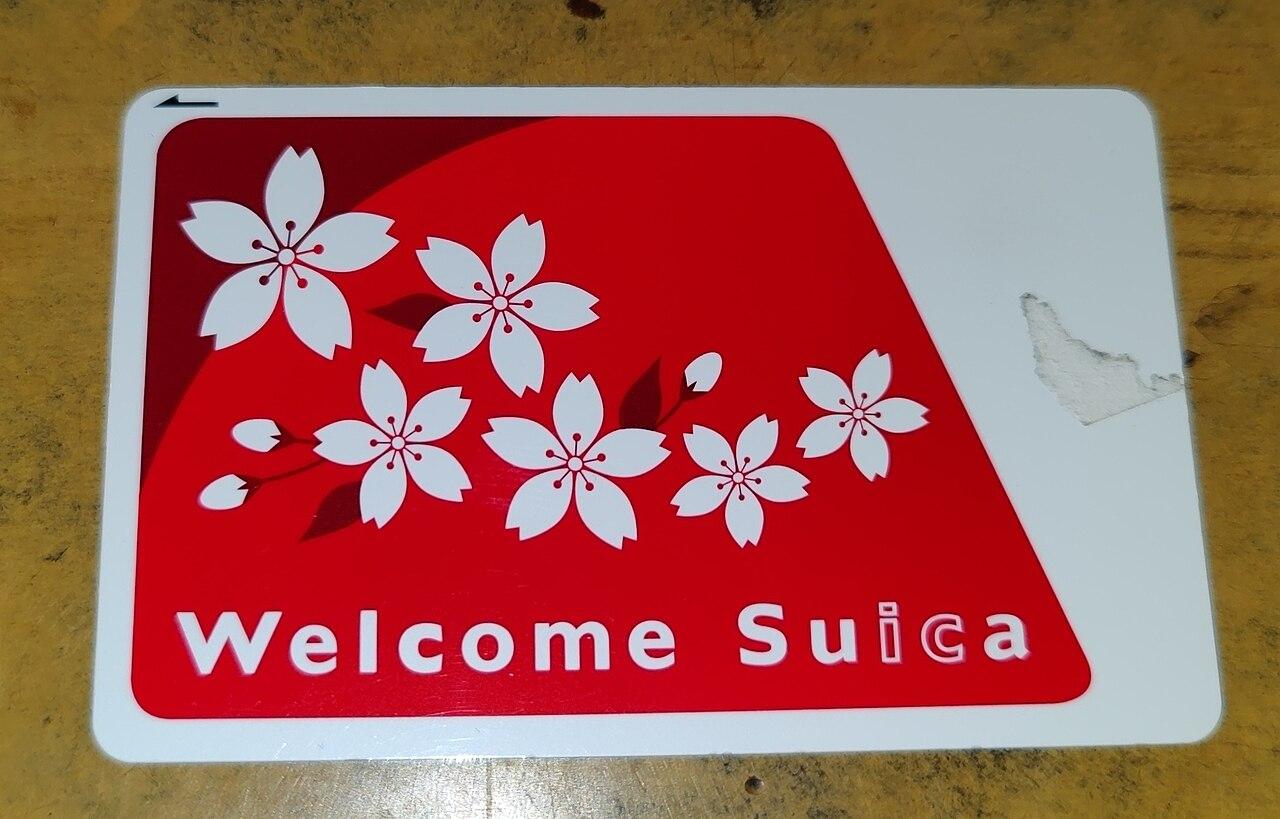
Suica vs ICOCA is a smaller choice than the names suggest. One card works in Tokyo and in Kansai, and buying both means a second 500 yen deposit you can only refund in the city that issued it. The real split is a short-stay visitor card with no deposit and no refund, or a normal card you can hand back.
JR East issues Suica. JR West issues ICOCA. Tokyo's private railways and the subway issue Pasmo. All three sit in the same national tap-and-go club as Kitaca, manaca, TOICA, Hayakaken, nimoca and SUGOCA. You tap the same gate. The fare comes off the balance. Shops with those marks, including a lot of convenience stores, take the same tap. The card you buy is about where you start, how long you stay, and whether you want the leftover yen back.
Suica vs ICOCA if you only buy one
Buy the card at the end of the country where you land, use it everywhere the mark is shown, and return it there if it is a normal card. A Suica bought in Tokyo still opens gates in Osaka and Kyoto. An ICOCA bought at Kansai Airport still opens gates in Tokyo. JR West's own how-to says ICOCA is usable across Japan on railways, buses and stores showing the mark. JR East says the same for Welcome Suica outside the east. Local holes exist. The Shinkansen is the hole that matters.
ICOCA cannot pay a Shinkansen ride by itself. Neither can a plain Suica. You buy a Shinkansen ticket, or you attach the card to a SmartEX reservation so the gate opens for a seat you already paid for. Limited express trains on conventional lines also need a separate express ticket. The card covers the basic fare on ordinary trains, the subway, and many buses. The Tokyo to Kyoto choice is a ticket decision, not a card decision.
PiTaPa is the odd one. It is postpaid, aimed at people who live in Kansai, and not the card to apply for on a short visit. Your Suica or ICOCA can still be used on many of those gates. Do not open a PiTaPa account to "complete the set."
A Japan Rail Pass does not replace any of this. The pass covers a defined set of JR trains. Tokyo Metro, Osaka Metro, buses, and a bottle of tea at a station kiosk are not that set. The pass math is in Is the JR Pass worth it in 2026?. Even when the pass wins, pack a card for the days you are only underground.
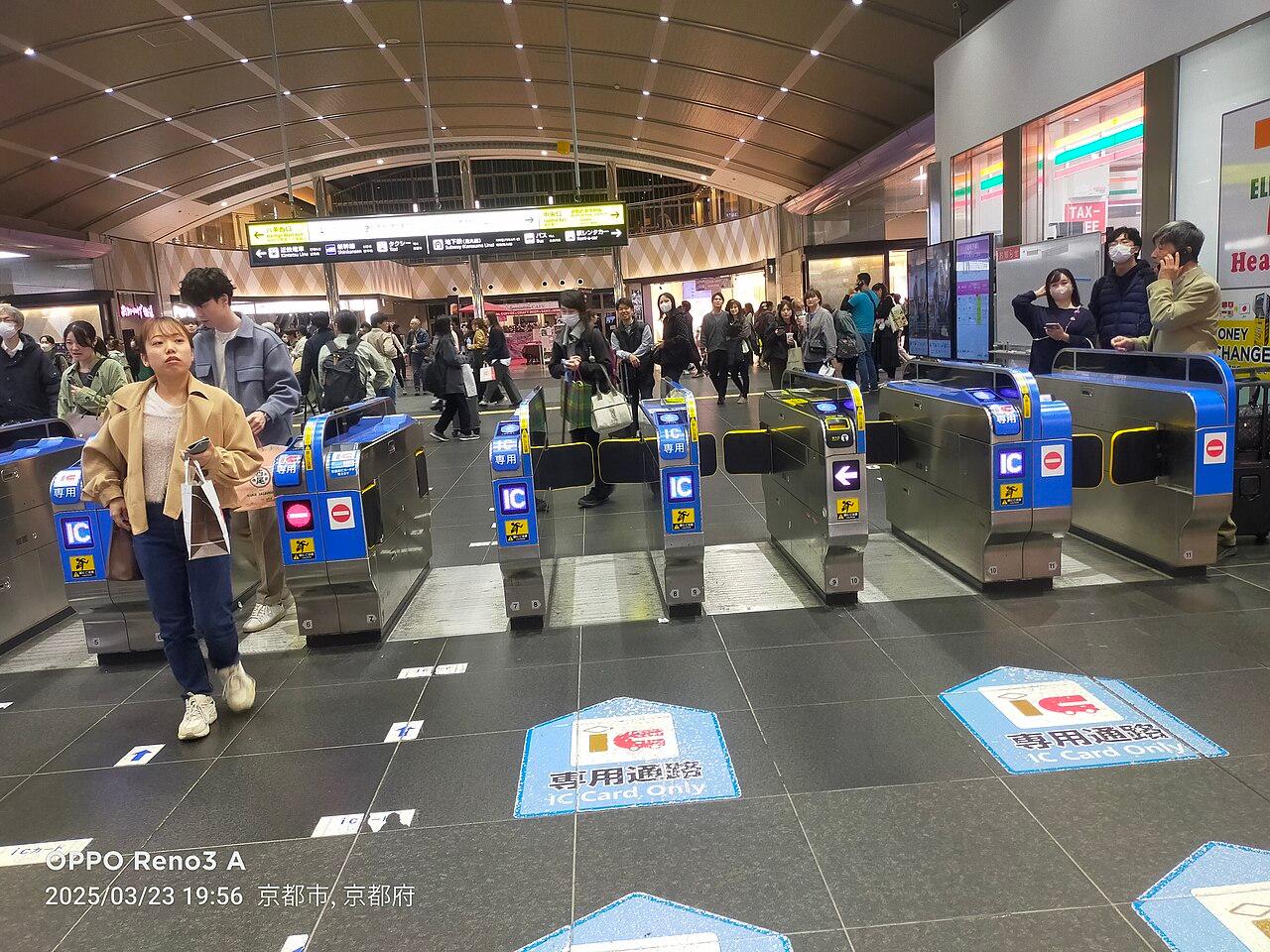
Photo: Mr.ちゅらさん / Wikimedia Commons, CC BY-SA 4.0
Visitor cards, if the trip is under a month
Welcome Suica is JR East's card for temporary visitors. There is no 500 yen deposit. The balance is not refunded. The card is valid for 28 days including the day you buy it, and it dies on the 29th day. The "GOOD THRU" date printed on the back is not that deadline. The deadline is on the reference paper they hand you with the card. Keep the paper. JR East sells, in principle, one Welcome Suica per person.
Sale points listed by JR East from 27 March 2025 include the JR East Travel Service Centers at Narita Airport Terminal 1, Narita Terminals 2 and 3, Haneda Airport Terminal 3 (Tokyo Monorail), and at Tokyo, Shibuya, Shinjuku, Ikebukuro, Ueno and Yokohama stations, plus Sendai. Airport vending machines sell it at those Narita and Haneda stations. Japan Rail Cafe Tokyo and the Takanawa Gateway travel center sell it too. The same page marks several suburban counters, including Kashiwa, Kawasaki, Tachikawa, Omiya, Funabashi, Fukushima and Niigata, as sales temporarily halted. If a blog sends you to Omiya for a Welcome Suica, check the board. The airports and the big central stations are the reliable desks.
Prices on that page run from 1,000 to 10,000 yen. That sum is all stored value. Nothing is held back as a deposit. Top up with cash only. JR East's FAQ says a physical Welcome Suica cannot be charged with a credit card. The balance cap is 20,000 yen, the same ceiling as a normal Suica.
Welcome Suica Mobile is a different product, iPhone only, via Apple Pay. JR East's app page, current as of March 2026, says the Suica is valid for 180 days from issue. The remaining balance is not refunded and it expires at the end of those 180 days. You must be 13 or older. Some countries block the download or the top-up until the phone is in Japan, which is why "I'll load it at home" sometimes fails. You can also add cash at machines in Japan. Service hours for issuing and topping up are 4:00 to 2:00 the next day, Japan time. If the trip is longer than 28 days and you have an iPhone, this is the visitor card that still covers a six-week stay. If you want a plastic souvenir, buy the physical card and accept the shorter life.
Tourist Pasmo is the private-railway twin. Pasmo's page prices it from 1,000 to 10,000 yen depending on where you buy it, with no deposit and no refund of the stored value. It is valid for 28 days from the purchase date. Functionally it does the same job as a physical Welcome Suica. Buy one of them. Buying both wastes the yen you cannot get back.
Normal cards, if you might return
A normal Suica includes a 500 yen deposit in the purchase price. JR East's menu starts at 1,000 yen, so the cheapest adult card is 500 yen of deposit and 500 yen you can spend. Top-ups are cash, in steps such as 1,000, 2,000, 3,000, 5,000 and 10,000 yen, and the balance cannot go past 20,000 yen. There is no 28-day death date. Children and adults pay different fares. The card type, not your honesty at the gate, decides which fare is cut.
Refunds are the annoying part, and they are why the issuing city matters. JR East refunds a JR East Suica only at JR East stations. You get the 500 yen deposit back. A 220 yen handling fee comes out of the remaining balance, not out of the deposit. JR East's own examples: a 1,000 yen balance returns 1,280 yen (1,000 minus 220, plus the 500 deposit). A 100 yen balance returns the 500 deposit, and the 100 yen is taken toward the fee. A zero balance still returns the 500. You cannot do this at a JR West window in Osaka. If the trip ends at Kansai Airport, a Tokyo Suica is a bad card to be holding unless you refunded it before you left the east.
ICOCA uses the same deposit. JR West's ticket guide says a new card includes 500 yen so people do not treat them as disposable, and that 500 yen comes back when you return the card at a Midori-no-madoguchi in the ICOCA area. Stored value is refunded minus a 220 yen commission. If the balance is smaller than the commission, they take what is left and still return the deposit. You cannot do this at Tokyo Station. Cash top-up only, 20,000 yen cap, same as Suica.
At Kansai Airport Station the JR ticket office sells a visitor-design ICOCA for 2,000 yen, deposit included. You need a passport from a government other than Japan, temporary-visitor status, and you get one card per person. Japanese nationals are not eligible for that design, even with permanent residence abroad. A plain ICOCA from a ticket machine in Osaka or Kyoto is the ordinary card and does not have that passport rule. Either one rides the same gates. The airport design is a souvenir with a stricter sales desk, not a better fare.
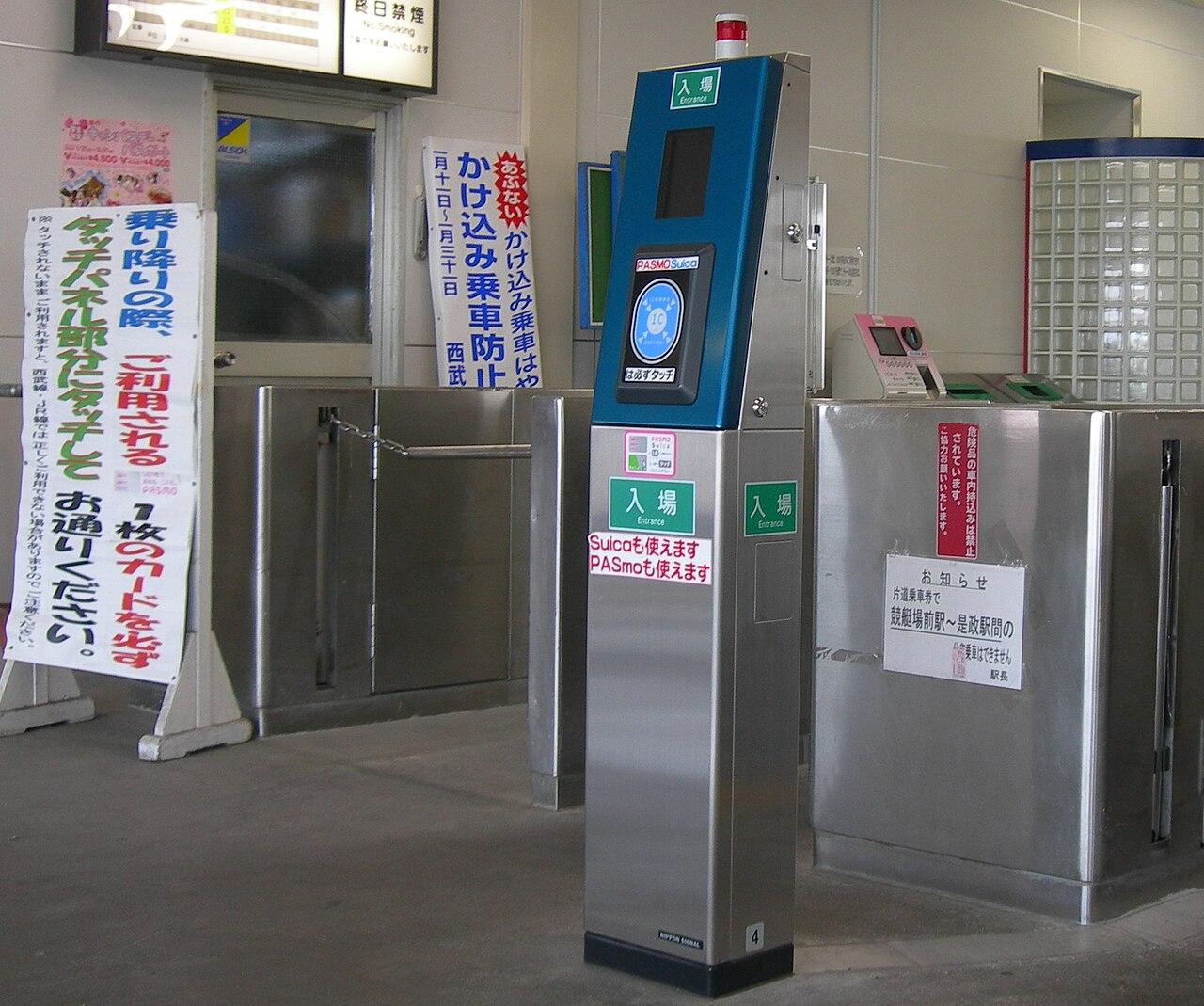
Photo: Rsa / Wikimedia Commons, CC BY-SA 3.0
What to buy
Landing at Narita or Haneda, staying under 28 days, and happy to spend the card down to near zero: physical Welcome Suica at the airport desk. Take the reference paper.
Same trip, with an iPhone, and any chance you will still be in Japan on day 29: Welcome Suica Mobile, and do not trust a top-up from abroad until you have seen it work. Have a cash backup for the first ride from the airport.
Landing at Kansai, any length of stay: ICOCA at the airport ticket office or at the first JR machine in Osaka or Kyoto. Refund it at a JR West window on the way home if the leftover yen plus the deposit is worth the queue. The 220 yen fee means a tiny balance is not worth the stop. The 500 yen deposit is.
Staying over a month, starting in Tokyo, and planning to come back: a normal Suica, refunded in Tokyo or kept for next time. The deposit is yours either way. The balance on a Welcome card is not.
Skip a second brand. Pasmo, Suica and ICOCA are not three tools. They are one purse with three logos.
On a walking week such as 5 days in Tokyo, the card is what you tap for the Metro and the JR Yamanote, several times a day. On a 7-day Japan itinerary it is the same card in both cities, plus a separate Shinkansen ticket in the middle. You can note the card and the deposit in RoamerPlanner next to the arrival airport so the refund city matches the last JR window you will actually see.
Can a child use an adult card? The gates will take it and charge the adult fare. A child card charges the child fare. For Welcome Suica, the reference paper records which one you bought. For a child Tourist Pasmo, Pasmo's rules ask for a passport or other ID so they can see the child is a child.
What if the card fails at a gate? Do not jump the gate. A station attendant can fix a card that was not tapped out properly, or one that was used outside the area and needs an adjustment. JR East's Welcome Suica FAQ says to ask at a station in the Suica area, and to check that another card in the same wallet is not blocking the reader.
Sources: JR East Suica page (deposit, 220 yen fee, 20,000 yen cap, cash top-up) and Welcome Suica purchase page (28 days, sales points, no-deposit prices); JR East Welcome Suica FAQ and Welcome Suica Mobile page, information current as of March 2026 (180 days, iOS, non-refundable balance); JR West ICOCA how-to and ticket guide (nationwide use, 500 yen deposit, 220 yen commission, Kansai Airport visitor card at 2,000 yen); Pasmo Tourist Pasmo price and 28-day rule. Checked 25 October 2026.
Cover photo: Ravi Dwivedi / Wikimedia Commons, CC BY-SA 4.0
Turn this into a plan
Ready to turn this into a real itinerary? Plan it in RoamerPlanner.
Start your own plan, no account neededBrowse sample trips