New Years Eve Tokyo: Temples, Countdown Spots and What Closes
October 23, 2026
New years eve Tokyo is quieter than many Western cities expect. There is no big central fireworks show for tourists to walk into, and the famous Scramble Crossing countdown in Shibuya has been cancelled for years on safety grounds. What you get instead is temple bells, shrine visits (hatsumode), a few ticketed countdown events, and a city that partly shuts for the holiday.
This guide covers temples and shrines for midnight, countdown options, what tends to close, and how to plan 31 December and 1 January without inventing a party that is not there. Use it with the 5 days in Tokyo itinerary if New Year is one night inside a longer stay.
New years eve Tokyo: what it actually feels like
Japanese New Year (oshogatsu) is a family holiday. Many independent restaurants and shops close from 31 December through 1–3 January. Convenience stores, some chains and hotel restaurants stay open more often, but you should not rely on randomly finding dinner at 23:00 on the 31st.
The traditional focus is joya no kane (temple bells rung 108 times around midnight) and the first shrine or temple visit of the year. The mood on the street is orderly and cold, not carnival.
Shibuya scramble: no public countdown
For New Year 2026 (the night of 31 December 2025 into 1 January 2026), and again discussed for the following year in travel round-ups, Shibuya Ward has not revived a public Scramble Crossing countdown. Expect crowd-control fencing near Hachiko at peak times, alcohol restrictions in public spaces in the evening, and convenience stores limiting alcohol sales. Do not plan midnight at the crossing as if it were Times Square.
If you still want to see Shibuya that day, go earlier for daylight views or a booked observation deck, then move elsewhere before the late crush.
Temples and shrines for midnight and hatsumode
Hours change by year. Confirm on each site's official page in December. Patterns that usually hold:
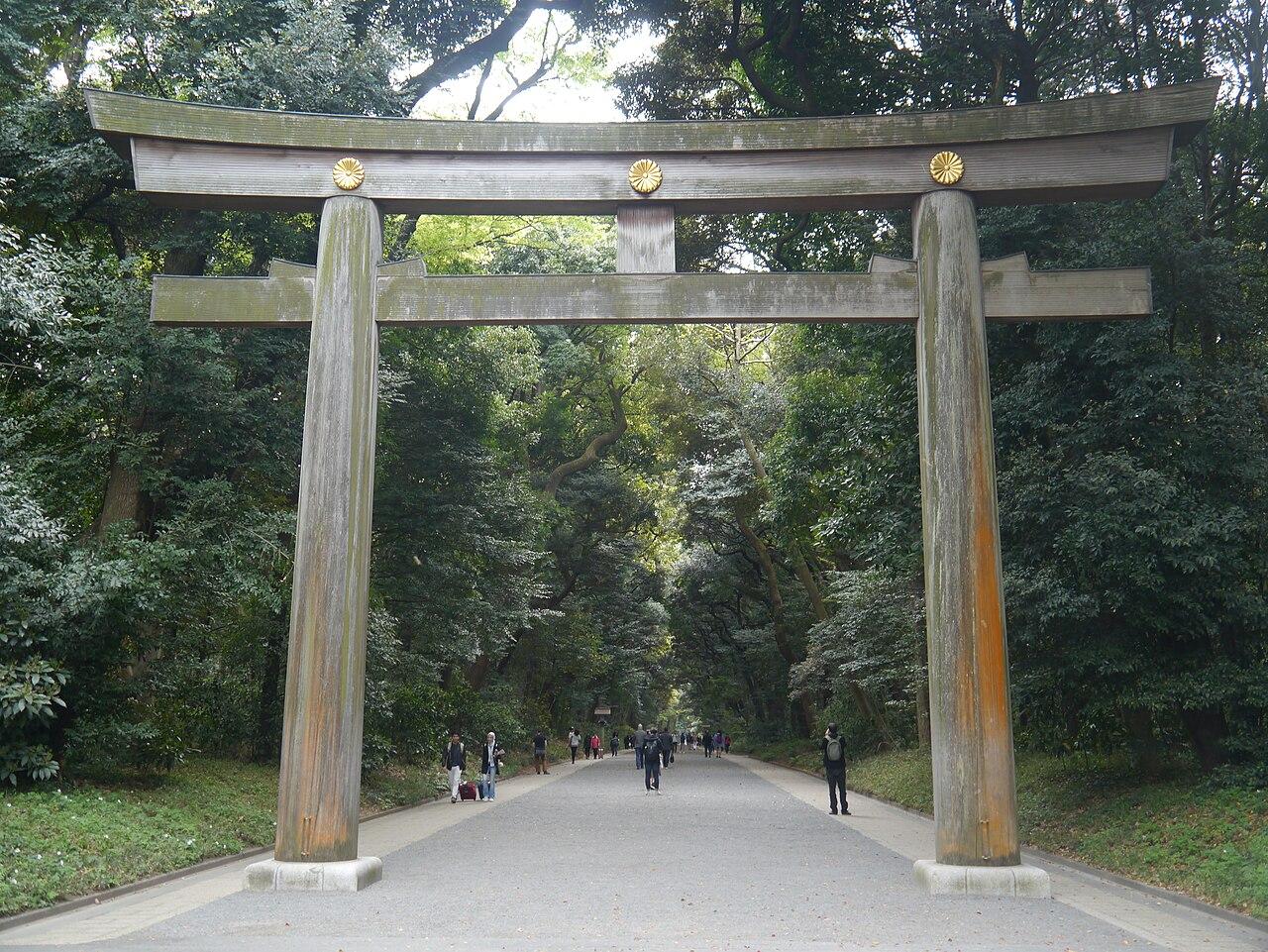
Meiji Shrine (Harajuku / Yoyogi)
One of Tokyo's busiest New Year sites. For the 2025–2026 New Year period, Meiji Jingu published opening hours that kept the shrine accessible through midnight on 31 December and on into the afternoon of 1 January, with extended or adjusted hours across the first days of January. Traffic control around Harajuku is common. Dress warmly; queues between 22:00 and 03:00 are long.
For New Year 2027 (31 Dec 2026–1 Jan 2027), treat 2025–2026 hours as a guide only until Meiji Jingu posts the new notice. Check meijijingu.or.jp in December.
Senso-ji (Asakusa)
Asakusa's temple grounds are a major hatsumode destination. The approach along Nakamise is decorated and crowded. Grounds are often open through the night; stall hours vary and many close earlier in the evening. Arrive with a clear exit plan on the metro.
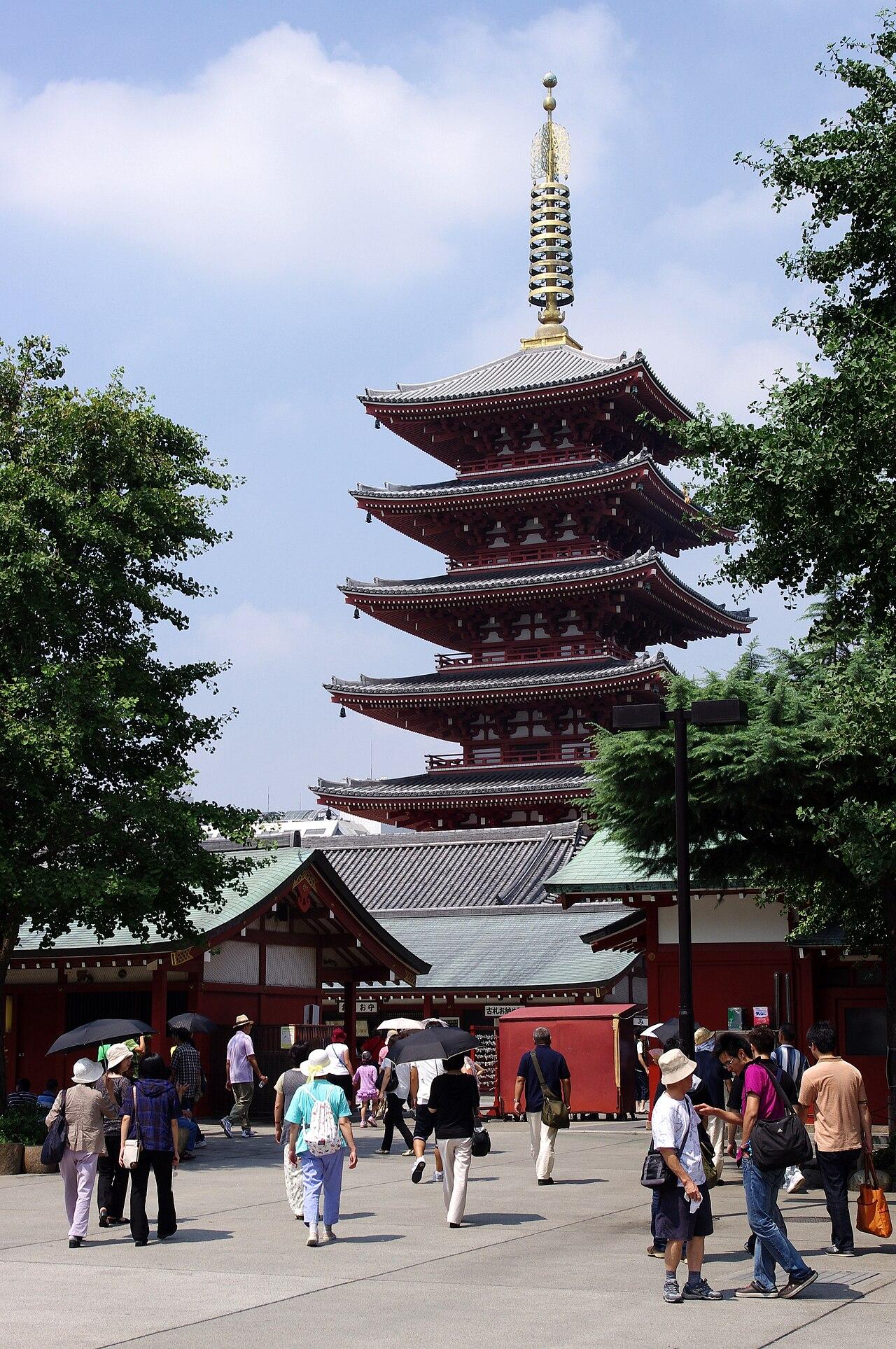
Photo: Jakub Hałun / Wikimedia Commons, CC BY-SA 4.0
Zojo-ji (near Tokyo Tower)
Popular for combining temple atmosphere with Tokyo Tower views. Joya no kane and midnight queues are common themes in city guides. Confirm bell-viewing or participation rules on the temple site if that matters to you; some temples require advance booking to strike a bell.
Other options
Kanda Shrine, Yasukuni Shrine and many neighbourhood shrines also draw New Year visitors. Smaller local shrines can be calmer than Meiji or Senso-ji if you want the ritual without the longest queue.
Countdown events (booked, not street parties)
Organised countdown concerts and plaza events appear in some years at places such as the Tokyo Metropolitan Government Building area in Shinjuku. They are capacity-limited, often free but registration-based, or ticketed at hotels and clubs. Details change every year.
For New Year 2027 specifically, do not assume last year's lineup repeats. When December programmes are posted, book early or skip them and stick to a shrine plan.
Hotel countdowns and restaurant courses are the predictable paid option if you want a seated midnight.
What closes (and what usually stays open)
Often closed or reduced 1 January (sometimes 31 December afternoon through 3 January):
- Many independent restaurants and bars
- Department stores (often closed 1 January; first sales days follow)
- Museums and some attractions
- Banks and many offices
More likely to stay available:
- Convenience stores (with possible product limits)
- Hotel restaurants (book ahead)
- Major station areas and transit (check New Year timetables; service may be extended overnight on some lines, then shift to holiday schedules)
- Temples and shrines during hatsumode peaks
Buy snacks and a simple dinner plan on 30 December if your hotel kitchen is your backup.
A practical 31 December timeline
- Morning / afternoon: Normal sightseeing or a short museum visit; confirm tomorrow's closures.
- Late afternoon: Early dinner reservation.
- Evening: Travel to your chosen shrine or temple before the worst queues; toilets and warm layers matter.
- Midnight: Quiet observation of bells or shrine visit; follow staff instructions.
- After midnight: Last trains or a clear night-bus / taxi plan back to your hotel. Do not invent a long walk across the city in freezing wind without a route.
1 January: Sleep in, then a daytime hatsumode if you skipped midnight, or a calm park walk. Many tourist checklists shift to "first shrine of the year" rather than heavy shopping.
Where to stay for New Year
Shinjuku or Shibuya bases make late returns easier if you attend a western Tokyo shrine event. Asakusa suits Senso-ji. See where to stay in Tokyo. Book New Year nights early; some hotels set minimum stays around 31 December.
For winter clothes, use the winter packing list for Tokyo. Illumination fans should note that many Christmas light programmes end on 25 December; New Year is a different calendar. See our Tokyo Christmas illuminations 2026 guide if your trip spans both.
FAQ
Is there a big public countdown in Shibuya? No. Plan something else.
Can tourists join temple bell ringing? Sometimes at specific temples with advance booking; many places let you watch only. Check the temple you choose.
Will restaurants be open? Some will; many will not. Reserve or use your hotel.
Are trains running at midnight? Often with special New Year arrangements, but patterns change. Check JR East and metro notices in late December for your line.
Is 1 January a good sightseeing day? For shrines and quiet streets, yes. For shopping and museums, often no.
When your flights are fixed, put the midnight plan and the hotel dinner backup into one timeline. RoamerPlanner is enough to keep 31 December from colliding with a day trip you cannot finish in time.
Sources
Meiji Jingu 2025–2026 hatsumode hours and Harajuku traffic notes: Meiji Jingu announcements as reported by Travel Watch (Dec 2025 coverage of official hours). Shibuya Scramble countdown cancellation and alcohol / fencing measures: Shibuya Ward practice as summarised by Navitime Japan Travel and other 2025–2026 guides. Senso-ji / Zojo-ji / hatsumode patterns: Time Out Tokyo New Year guides (confirm hours on temple sites). Closure patterns for 1 January: standard oshogatsu practice; verify department-store and attraction pages for your dates. New Year 2027 (31 Dec 2026) event lineups and exact shrine hours were not all posted when checked; where unconfirmed, this article says so. Reviewed 23 Oct 2026.
Cover photo: Zairon / Wikimedia Commons, CC BY-SA 4.0
Ready to turn this stay into a real itinerary? Plan it in RoamerPlanner.
Open RoamerPlanner