Rome in Winter: January and February Weather, Hours and a 3-Day Plan
November 2, 2026
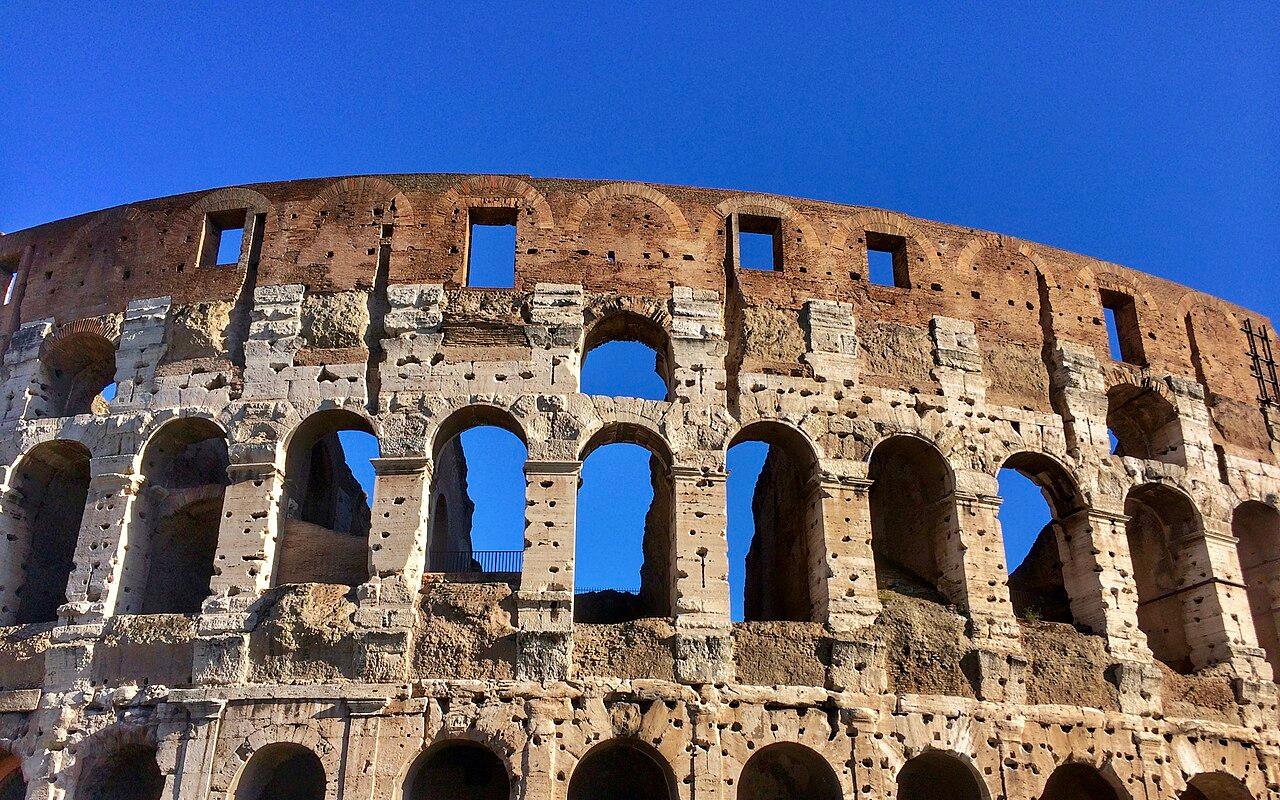
Rome in winter is mild by northern European standards, much quieter than spring or summer, and still has most of its sights open every day. January and February are the calmest months of the year at the Colosseum and Vatican, apart from the Christmas and New Year weeks. The catch is shorter opening hours, a few fixed closure days and earlier sunsets. This guide covers the weather, the winter hours and closures for 2026 and 2027, and a 3-day plan built around them.
What the weather is like in Rome in winter
Climate normals for Rome Ciampino (1991 to 2020) give January an average high of about 12°C and an average low of about 3°C. February is very similar, with highs closer to 13°C. Rain falls on roughly seven or eight days a month, often in short spells with sunny breaks in between.
That makes Rome comfortable for walking in the middle of the day, especially in the sun. Mornings and evenings are cold, and some churches and old buildings are colder inside than out. Snow in the city is rare.
Sunset in January is roughly between 5pm and 5:30pm, moving to around 6pm by late February. That gives you enough light for a full day of sightseeing, but outdoor sites close early.
What to bring: a warm jacket, a scarf, a small umbrella, and shoes with good grip for wet cobblestones. Covered shoulders and knees are still needed for St Peter's Basilica and many churches, which is easy in winter clothes.
Winter opening hours and closures
These are the times most likely to affect a winter trip. They change through the year, so check the official sites before you book.
Colosseum, Roman Forum and Palatine
According to the Parco archeologico del Colosseo, from 25 October 2026 to 28 February 2027:
- The Colosseum opens at 8:30am and the Roman Forum and Palatine at 9am.
- The park closes at 4:30pm, with last admission at 3:30pm.
- It is closed on 25 December 2026 and 1 January 2027.
- Entry is free on the first Sunday of each month (3 January and 7 February 2027). These days are very busy.
- Tickets with a timed Colosseum slot go on sale 30 days before your visit.
The key point for winter: do the Colosseum and the Forum in the morning. If you arrive at 3pm, you will have very little time.
Vatican Museums and Sistine Chapel
According to the Vatican Museums' official page:
- Open Monday to Saturday, 8am to 8pm, with final entry at 6pm.
- Closed on Sundays, except the last Sunday of the month, when entry is free from 9am to 2pm (final entry 12:30pm). In winter 2027 that means 31 January and 28 February. Free Sundays are very crowded and cannot be booked online.
- Also closed on 1 and 6 January and 11 February.
Book a timed ticket online in advance. Early morning slots and late afternoon slots are usually the least crowded.
Trevi Fountain
Since 2 February 2026, non-residents pay €2 to enter the inner area next to the Trevi Fountain basin. According to the official Trevi Fountain site, the paid hours are 11:30am to 10pm on Mondays and Fridays, and 9am to 10pm on other days, with last entry at 9pm. After the paid hours, the fountain is visible for free. Children under 6 enter free. Food, drinks and sitting on the edge of the basin are not allowed.
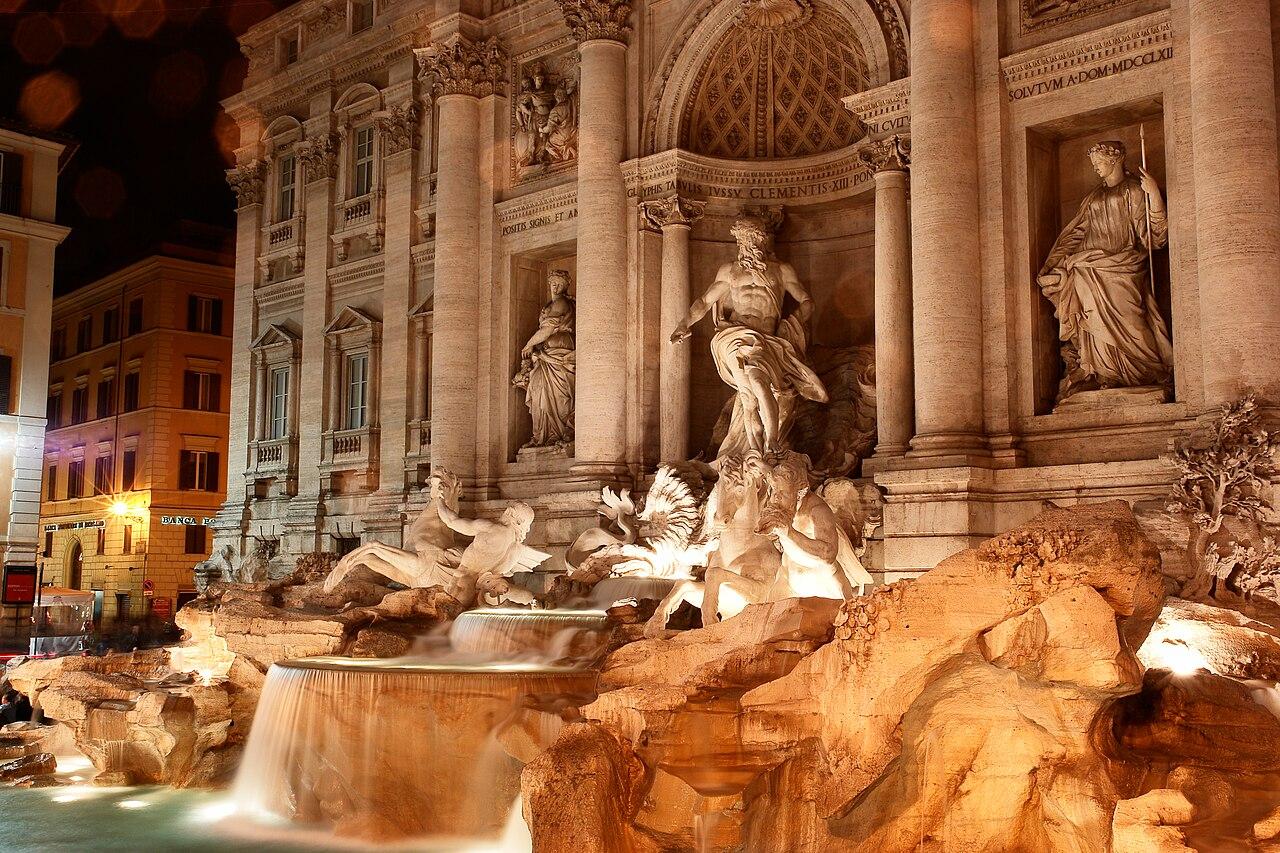
Photo: RoyFokker / Wikimedia Commons, public domain
Pantheon
The Pantheon charges an admission fee and is open daily, closing on 25 December and 1 January. The price was revised in mid-2026, so check the current fee on the official Direzione Musei nazionali di Roma site before you go. Entry is free on the first Sunday of the month.
Winter events: Befana, Epiphany and Carnival
Piazza Navona and the Befana
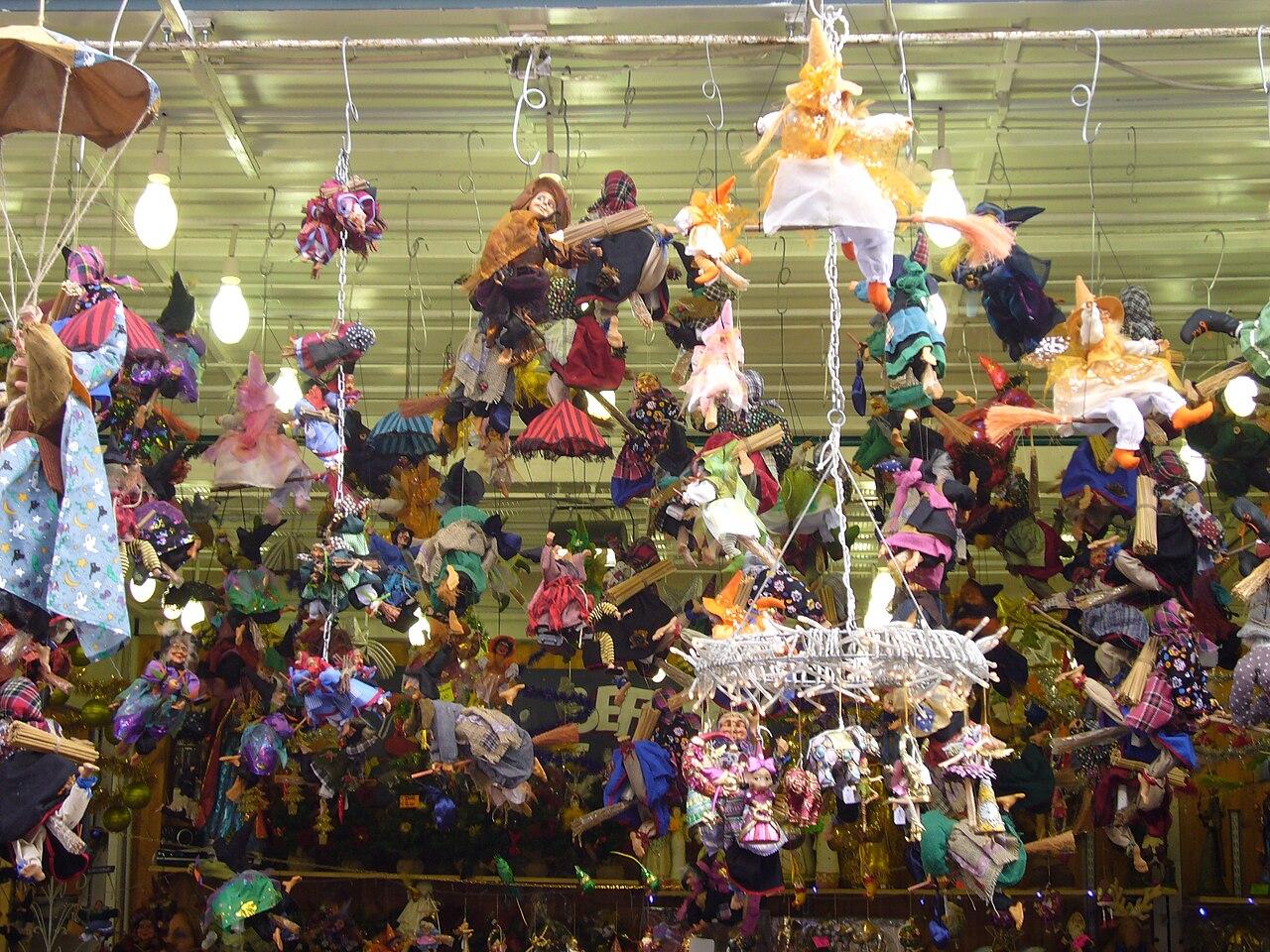
Photo: Lalupa / Wikimedia Commons, CC BY-SA 3.0
Piazza Navona hosts its Christmas and Befana market from 1 December 2026 to 6 January 2027. Epiphany on 6 January is a public holiday in Italy, and the Befana, a friendly witch who brings sweets to children, is the main character in the square. Expect families, stalls selling sweets and toys, and a busy atmosphere on the last weekend. After 6 January the square goes back to normal.
Carnival
Carnival is celebrated in Rome on a smaller scale than in Venice, with children in costumes and some events in the historic centre. In 2027, Carnival falls in early February, as Easter is on 28 March. If you want the full experience, Venice is a day trip away by high-speed train; our Venice Carnival 2027 guide has the dates and costs.
Pros and cons of Rome in winter
Good things about January and February:
- Shorter queues at the Colosseum and Vatican on most weekdays
- Hotel prices well below spring and early autumn
- Comfortable walking temperatures in the middle of the day
- Food that suits the season: carciofi (artichokes) start to appear, and many trattorias focus on hearty pastas and soups
Things to plan around:
- Earlier closing times at outdoor sites
- Fixed closure days, including 1 and 6 January
- Some smaller restaurants and shops close for a winter break in January
- Rain can disrupt outdoor plans, so keep an indoor option ready
A 3-day plan for Rome in winter
This plan puts outdoor sites in the morning and indoor sights in the afternoon. It works for most weekdays in January and February. Adjust if your dates fall on a closure day or a free Sunday.
Day 1: Ancient Rome
- 8:30am: Colosseum with a pre-booked slot.
- 10:30am: Roman Forum and Palatine Hill. Allow two to three hours.
- 1:30pm: lunch in Monti, a short walk north.
- 3pm: Capitoline Museums, which stay open later than the archaeological park, or a walk up to the Piazza del Campidoglio for the view over the Forum.
- Evening: dinner in Monti or around Piazza Venezia.
Day 2: Vatican and Trastevere
- 8am: Vatican Museums and the Sistine Chapel with an early slot. Allow three to four hours.
- 12:30pm: St Peter's Basilica. Security lines are usually shorter in winter, but they can still take time.
- 2pm: lunch near Prati or Borgo.
- 3:30pm: walk or take a short taxi to Trastevere. Visit Santa Maria in Trastevere and wander the streets as it gets dark.
- Evening: dinner in Trastevere.
Day 3: the historic centre
- 9am: the Trevi Fountain, as early as possible to avoid crowds (from 11:30am on Mondays and Fridays if you want the inner area).
- 10am: Spanish Steps and a walk along Via del Corso.
- 11am: the Pantheon.
- 12:30pm: lunch near Campo de' Fiori.
- 2pm: Piazza Navona, then the Galleria Borghese if you have booked a slot, or the Doria Pamphilj Gallery as a quieter indoor option.
- Evening: a final walk past the lit-up fountains.
The 3 days in Rome itinerary has a similar structure with more detail on each stop. You can copy it into RoamerPlanner and move the outdoor stops to the morning slots for a winter trip. If you are adding Florence and Venice, the 10-day Italy itinerary shows how to split the time.
Practical tips
- Book timed tickets early for the Colosseum, Vatican Museums and Galleria Borghese, even in winter.
- Check the calendar for your dates. 1 January, 6 January and 11 February are the main winter closure days at the Vatican. The Colosseum is closed on 1 January.
- Avoid free Sundays unless you are on a tight budget and willing to queue.
- Keep a rain plan. The Capitoline Museums, Palazzo Massimo and the Doria Pamphilj Gallery are all good indoor options.
- Use the metro and buses for longer hops and walk within the centre. Contactless bank cards work at metro gates.
For the weeks before this, our guide to Rome at Christmas covers December, and our Italy in spring guide covers March to May.
Quick FAQ
Is Rome worth visiting in winter? Yes, if you prefer fewer crowds and lower prices. Days are mild and most sights stay open, though hours are shorter.
What time does the Colosseum close in winter? From 25 October 2026 to 28 February 2027, the park closes at 4:30pm, with last admission at 3:30pm.
Is the Vatican open on Sundays in winter? Only on the last Sunday of the month (31 January and 28 February 2027), from 9am to 2pm with free entry.
How cold is Rome in January? Average highs are about 12°C and lows about 3°C, based on 1991 to 2020 normals for Rome Ciampino.
Sources: Parco archeologico del Colosseo, opening times and tickets; Vatican Museums official opening days and closures 2026 to 2027; official Trevi Fountain site and Roma Capitale notice of 28 January 2026; Roma Capitale notice on the 2026 to 2027 Festa della Befana in Piazza Navona; WMO 1991 to 2020 climate normals for Roma Ciampino. Checked 28 October 2026.
Cover photo: SalieL / Wikimedia Commons, CC BY-SA 4.0
Trips you can copy
Ready-made day-by-day plans for this place. Copy one for free and change it to fit your trip.
Turn this into a plan
Ready to turn this into a real itinerary? Plan it in RoamerPlanner.
Start your own plan, no account neededBrowse sample trips