London Transport for Tourists: Contactless, Oyster and Zones Explained
November 3, 2026
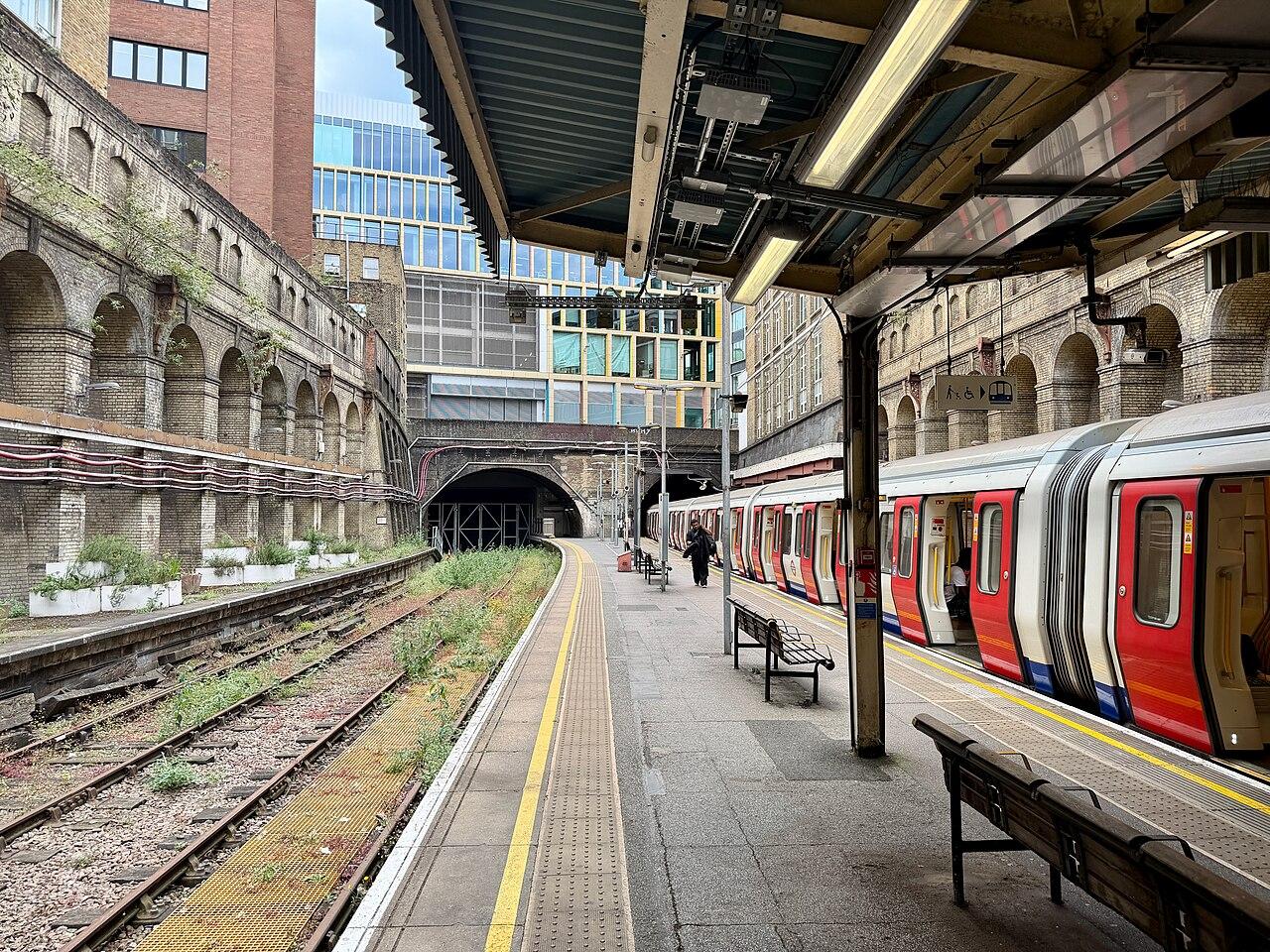
London transport for tourists is simpler than it looks: for most visitors, the contactless bank card or phone already in your pocket is the ticket. You tap in, you tap out, and a daily cap stops you paying more than a set amount however many trips you make. The parts that catch people out are zones, the airport trains, and using two different cards on the same day. This guide explains how paying works, what a day of travel costs in 2026, and which lines and buses are worth knowing.
How paying works: contactless, Oyster or a Travelcard
Contactless card or phone
Any contactless bank card, or a phone or watch with Apple Pay or Google Pay, works on the Tube, buses, the Elizabeth line, the Overground, the DLR, trams and most National Rail trains inside London. You pay the adult pay as you go fare. Most foreign cards work; check with your bank whether it charges a fee for each payment in pounds, because some do.
This is the best option for most visitors. There is nothing to buy and nothing to refund at the end.
Oyster card
An Oyster card is TfL's own prepaid card. It charges the same pay as you go fares and uses the same caps as contactless. Oyster cards are sold at station ticket machines, and you pay a small fee for the card itself on top of the credit you load. It mainly makes sense if your bank charges foreign transaction fees on every tap, or if you want to add a discount railcard.
Paper Travelcards
A paper Day Travelcard costs much more than the daily cap. Unless you have a specific National Rail offer that requires one, skip it.
The daily cap in 2026
Fare capping is what makes contactless good value. TfL adds up your journeys over a travel day, which runs from 4:30am to 4:29am the next morning, and stops charging once you reach the cap for the zones you used.
According to TfL's fare pages, the adult daily cap for Zones 1 and 2 is £8.90 in 2026. A day that reaches out to Zone 3 caps at £10.50, and a day that includes Zone 6 (where Heathrow is) caps at £16.30. TfL has said these caps and Travelcard prices are frozen until March 2027. There is also a weekly cap that runs Monday to Sunday, so a week of heavy travel costs less than seven daily caps.
Buses have their own cheaper rule. From 1 November 2026, a single bus fare is £1.85, you can change to other buses or trams for free within an hour (the Hopper fare), and a day of buses and trams alone caps at £5.55. Before that date the fare was £1.75, so older guides may still quote it.
Three rules to get the cap:
1. Tap in and out on every Tube and train journey, using the yellow card readers. On buses, tap in only. 2. Use the same card or device all day. Tapping your phone in the morning and the physical card in the evening counts as two different payers, and you lose the cap. 3. Each person needs their own card. One card cannot pay for two people.
Understanding the zones
London is divided into zones from 1 in the centre to 9 at the edge. Almost everything a first-time visitor wants (Westminster, the South Bank, the West End, the City, the big museums in South Kensington) is in Zone 1. Camden, Greenwich and Notting Hill are in Zones 1 to 2 or just past.
Peak fares apply on weekday mornings and late afternoons. If you can, start your sightseeing day after 9:30am. Because the cap is the same at peak and off-peak for Zones 1 and 2, the cap protects you on busy days anyway.
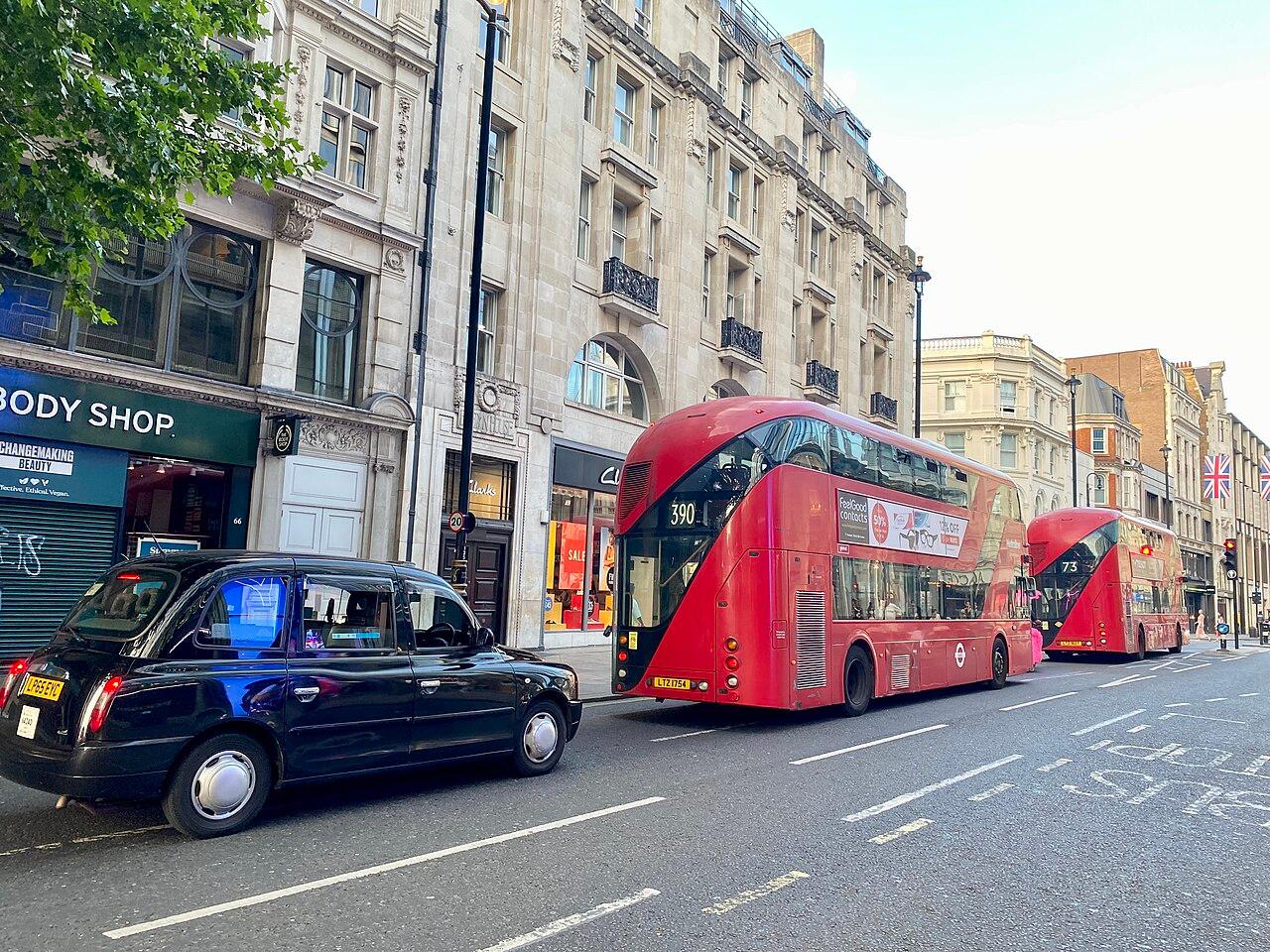
Photo: No Swan So Fine / Wikimedia Commons, CC BY-SA 4.0
Getting from the airports
Heathrow
- Piccadilly line: the cheapest rail option into central London. It takes about an hour to the West End and runs through Zone 1, so it charges a peak fare at any time of day.
- Elizabeth line: faster to Paddington, Bond Street and the City. TfL raised the single fare from Zone 1 to Heathrow to £15.50 in March 2026, but it still counts towards the daily cap if you use the same card all day.
- Heathrow Express: non-stop to Paddington, but it is not included in caps or Travelcards and costs more.
Gatwick, Stansted and Luton
These airports are outside the TfL fare zones. Gatwick accepts contactless on National Rail trains into London, but the fare is separate from the Zones 1 and 2 cap. For Stansted and Luton, buy a train or coach ticket separately. Check the operator's site for current fares; they change through the year.
Lines and routes worth knowing
- Elizabeth line: fast, air-conditioned and step-free, running east to west across central London. Useful for Heathrow, Paddington, Tottenham Court Road, Liverpool Street and Canary Wharf.
- Jubilee line: links Westminster, the South Bank (Waterloo and London Bridge), Canary Wharf and North Greenwich.
- Thames Clippers boats: the Uber Boat by Thames Clippers runs along the river and accepts contactless. It is not part of the daily cap, but it is a good way to reach Greenwich.
- Heritage bus routes: a regular double-decker on routes through the centre gives you a sightseeing tour for the price of a bus fare. Sit on the top deck at the front.
Walking is often faster than the Tube for short hops in Zone 1. Leicester Square and Covent Garden stations are a few minutes apart on foot.
Step-free access and luggage
Many older Tube stations have stairs and no lifts. TfL's Journey Planner has a step-free filter, and the Elizabeth line is step-free at every station. If you have heavy luggage or a pushchair, plan your arrival route with that filter on. Avoid the Tube with big suitcases on weekday mornings between about 7:30am and 9:30am.
Strikes, closures and weekend works
Sections of the Tube close for planned engineering work, mostly on weekends, and strike days happen. Before each travel day, check TfL's status page or app. Buses and the Elizabeth line are often good alternatives when a Tube line is closed.
A simple way to plan your days
Group sights by area so you travel less: Westminster and the South Bank one day, the museums of South Kensington another, the City and the Tower another. That way a single cap covers the whole day, and you spend more time out of the Tube. Our 4 days in London itinerary is grouped this way, and you can copy it into RoamerPlanner to swap days around. For ways to keep costs down beyond transport, see our guide to London on a budget.
London transport for tourists FAQ
Do I need an Oyster card in London? No. A contactless bank card or phone gives you the same fares and caps. An Oyster card only helps if your bank charges a fee on every payment.
Can two people share one contactless card? No. Each person needs their own card or device, or the system cannot charge you correctly.
Do children travel free? Children aged 5 to 10 travel free on buses and trams, and under 11s travel free on the Tube and Elizabeth line with a paying adult. Older children pay adult fares unless they have a Zip Oyster photocard or a young visitor discount, so check TfL's child fares page before you go.
What happens if I forget to tap out? You may be charged a maximum fare for that journey, and it may not count towards the cap correctly. You can ask TfL for a refund online if you have a contactless account.
Is the Heathrow Express worth it? Only if speed to Paddington matters more than price. The Elizabeth line is a few minutes slower and much cheaper, and it counts towards the cap.
Sources: Transport for London, fare capping page and 2026 adult caps and Travelcard prices; TfL press release of February 2026 on 1 March 2026 fare changes; TfL bus and tram fares page, including fares from 1 November 2026; London City Hall decision MD3464 on March 2026 fares. Checked 30 October 2026.
Cover photo: Oleg Yunakov / Wikimedia Commons, CC BY-SA 4.0
Trips you can copy
Ready-made day-by-day plans for this place. Copy one for free and change it to fit your trip.
Turn this into a plan
Ready to turn this into a real itinerary? Plan it in RoamerPlanner.
Free. You'll sign up or log in first, then the copy is ready to edit.
Start your own plan, no account needed