Seoul to Busan KTX: Tickets, Times and a 2-Day Busan Plan
October 31, 2026
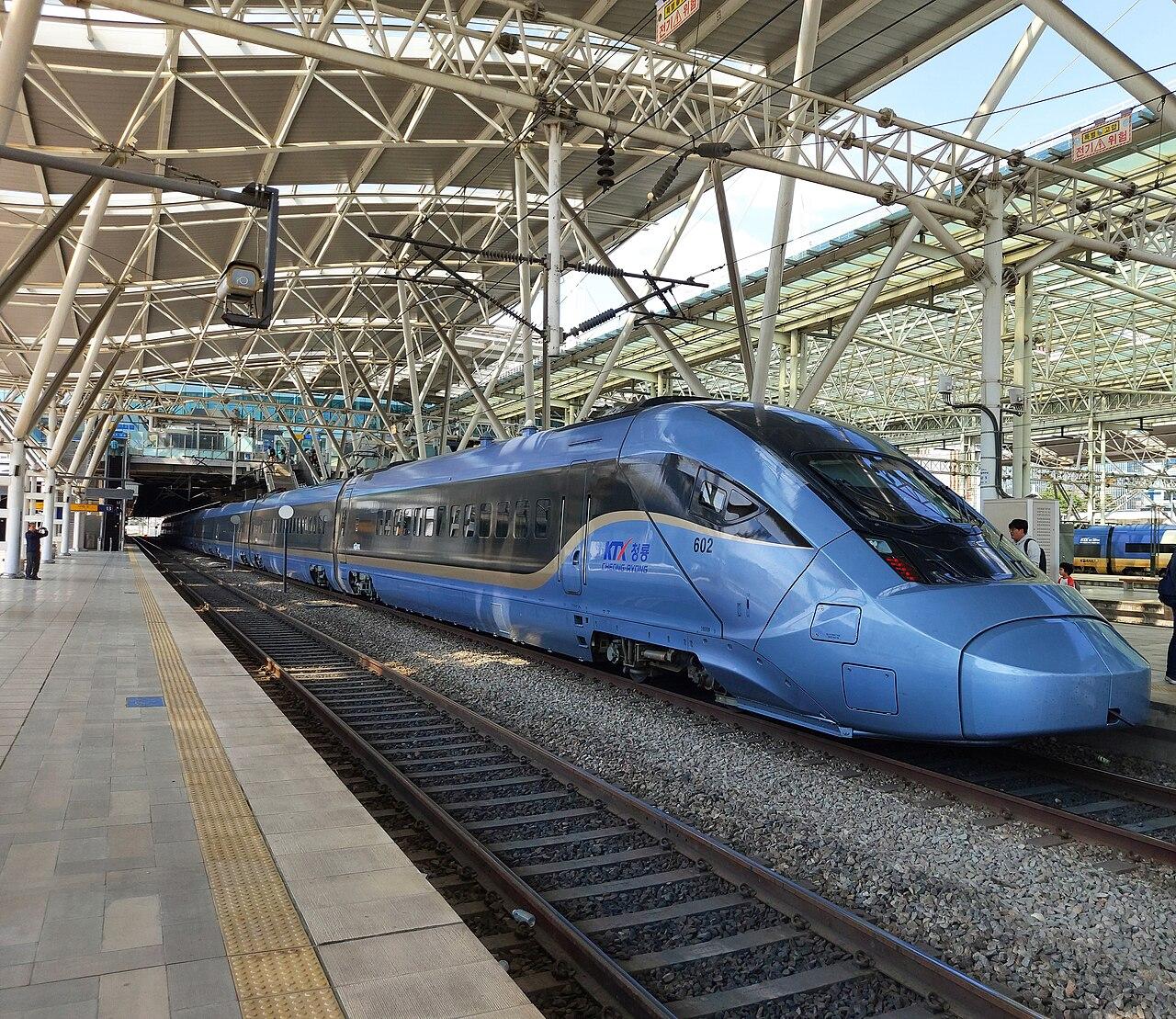
The Seoul to Busan KTX is the easiest way to add Korea's second city to a Seoul trip. The fastest trains take a little over two hours, the stations sit inside both cities, and since 1 September 2026 the booking side is simpler than it used to be. This guide covers what changed this autumn, how to book, which station to leave from, and a realistic two-day plan for Busan once you arrive.
What changed on the Seoul to Busan KTX in 2026
For ten years Korea had two high-speed operators on this corridor. Korail ran KTX trains from Seoul Station, and a separate company ran SRT trains from Suseo Station in the south-east of the city. Many older guides still describe two apps, two websites and two fare tables.
That ended on 1 September 2026. Korail took over the SRT services, the former SRT trains were renamed KTX-Sancheon, and both stations are now searched and sold in one place: the Korail+ app and korail.com. Korail's announcement also cut KTX fares by about 10% on average to match the old SRT level. On this route the standard fare from Seoul Station to Busan dropped from 59,800 won to 54,400 won one way.
A few other changes from the same announcement matter to visitors:
- Tickets bought for former SRT routes now follow Korail rules, so you can change a ticket without a fee up to 30 minutes before departure, within seven days either side of the original date.
- Delay compensation is more generous: 50% of the fare for 60 to 90 minutes late, 75% for 90 to 120 minutes, and a full refund beyond that.
- Korail says it added around 116,000 high-speed seats a week, which should ease weekend sell-outs a little.
Fares can still vary with the exact train, the seat class and any promotion, so treat 54,400 won as the reference price and trust the amount shown at checkout.
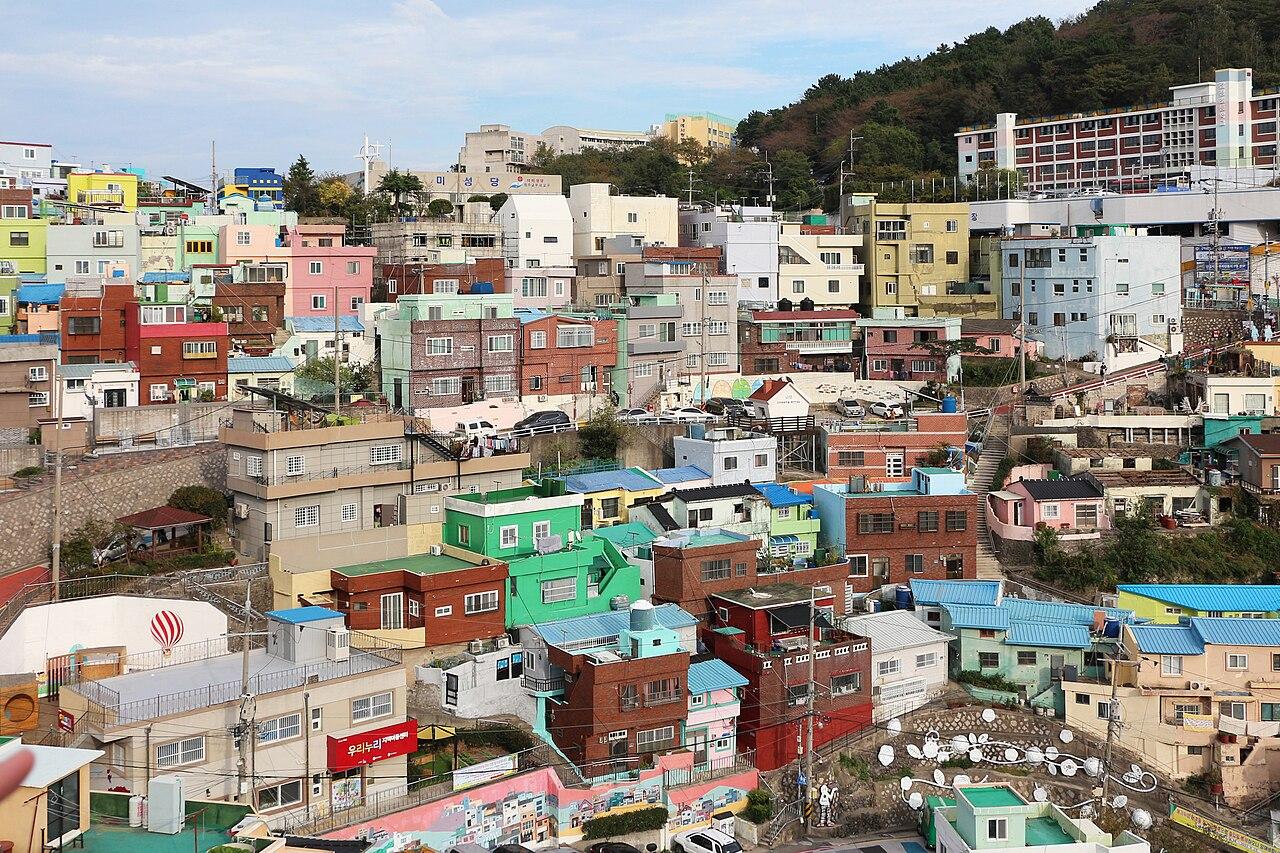
Photo: Bernard Gagnon / Wikimedia Commons, CC0
How long the trip takes
Korail's timetable from 1 September lists the fastest Seoul Station to Busan Station trains at about 2 hours 18 minutes. Most direct trains take somewhere between 2 hours 30 minutes and 2 hours 50 minutes, and a few slower patterns run over three hours because they stop at more intermediate stations such as Daejeon, Dongdaegu and Ulsan.
The train itself is not faster or slower. The difference is the number of stops, so when you compare departures, look at the journey time in the search result rather than the train name.
From Suseo, the fastest listed trip to Busan is a few minutes quicker, at a little over two hours.
Seoul Station or Suseo: which one to use
Pick the station that is easier to reach from where you are staying.
- Seoul Station suits most first-time visitors. It is on Metro Lines 1 and 4, the Gyeongui-Jungang Line and the AREX airport train, so it is close to Myeongdong, Jung-gu, City Hall and the palace areas. If you stay in Hongdae or around Gwanghwamun, this is the natural choice.
- Suseo Station is in Gangnam-gu, on Line 3 and the Suin-Bundang Line. It makes sense if your hotel is in Gangnam, Jamsil or anywhere south of the river, where crossing the city to Seoul Station could add 40 minutes or more.
If you have not booked your Seoul hotel yet, the neighbourhood comparison in where to stay in Seoul covers which areas sit closest to each station.
How to book tickets
1. Install Korail+ or open korail.com. Both have English versions. Korail says members who were only registered with SR, the old SRT operator, need to convert their account through a separate page. 2. Search the date and station pair. Results now show trains from Seoul Station and Suseo together. 3. Choose a seat class. Standard class is fine for a two-hour ride. First class gives a wider 2+1 layout and costs more. 4. Pay with a card. Foreign cards normally work, but have a backup card in case one is declined. 5. Keep the ticket in the app or save the QR code. There are no ticket gates on most Korean high-speed platforms, and staff check tickets on board.
Seats usually open about a month ahead. On ordinary weekdays you can often book a day or two before. Friday evenings, Sunday afternoons and the days around public holidays are different: Seollal, Chuseok and long weekends sell out quickly, so book as soon as sales open if your dates fall on one of those.
Is the Korail Pass worth it for this route?
Usually not, if Busan is your only long trip. A standard return from Seoul Station costs 108,800 won at the new fares, which is less than the shortest flexible pass. A pass starts to make sense only when you add several more long legs, such as Gyeongju, Jeonju or Gangneung, within the pass window. Check current pass prices on Korail's site before you decide, because the fare cut changed the maths for many itineraries.
Arriving at Busan Station
Busan Station is on Metro Line 1, which runs north to south through the old city. Nampo-dong and Jagalchi are three or four stops south. Haeundae, the beach district, is on Line 2 and takes about 50 minutes from Busan Station with a change at Seomyeon. A taxi to Haeundae is faster outside rush hour.
A few practical points:
- A T-money card from Seoul works on the Busan metro and buses, so there is no need to buy a new one.
- Lockers at Busan Station fill up on weekends. If you are going straight out sightseeing, ask your hotel whether you can drop bags before check-in.
- Busan is hillier than central Seoul. Comfortable shoes matter more here.
A two-day Busan plan
This plan assumes you leave Seoul in the morning on Day 1 and return to Seoul in the evening of Day 2. It splits Busan into two areas so you are not crossing the city twice a day.
Day 1: old port, markets and Gamcheon
- Late morning: Arrive at Busan Station and take Line 1 south to Jagalchi. Walk through Jagalchi Fish Market, the city's best-known seafood market. The upper floors have restaurants that cook what you pick downstairs.
- Early afternoon: Walk to BIFF Square and Gukje Market for street food and the covered shopping lanes around Nampo-dong.
- Mid afternoon: Take a taxi or local bus up to Gamcheon Culture Village, the hillside neighbourhood of painted houses and small galleries. It is a residential area, so keep noise down and do not walk into private lanes or doorways.
- Evening: Head back down to Nampo-dong or go up Busan Tower in Yongdusan Park for a view over the port.
Day 2: coast and Haeundae
- Morning: Go out to Haedong Yonggungsa, a Buddhist temple built on the rocks by the sea, north-east of Haeundae. It is busy from mid-morning, so an early start helps.
- Midday: Lunch in Haeundae, then walk the beach and the Dongbaekseom island trail at its southern end.
- Afternoon: If you have time, take the coastal walk or the Haeundae Blueline Park beach train towards Cheongsapo, or visit Gwangalli beach for the view of the Gwangan Bridge.
- Evening: Travel back to Busan Station. Allow a full hour from Haeundae, because traffic and metro changes add up.
If you would rather spend one night only, Day 2 on its own makes a good day trip from Seoul with an early train down and a late train back.
When to book and when to go
Spring and autumn are the most comfortable seasons for walking around Busan. Summer is hot, humid and the beaches are crowded in July and August. Winter is milder than Seoul, which makes Busan a reasonable addition to a December or January trip, and the coast is often clearer on cold days. The Seoul in winter guide covers what to pack for that season.
Fitting Busan into a Seoul trip
Busan works best as the second half of a trip rather than a detour in the middle. A common pattern is three or four days in Seoul, two in Busan, and a flight home from Gimhae Airport if your airline offers it, which saves the trip back up to Seoul.
If you are still building the Seoul part, the 3 days in Seoul itinerary gives a day-by-day base you can extend with the Busan plan above. You can copy it into RoamerPlanner and add the train as a booking so the departure time sits with the rest of the day.
Quick FAQ
How much is the Seoul to Busan KTX? 54,400 won one way in standard class from Seoul Station, after the 1 September 2026 fare cut. Confirm the exact amount at checkout.
How long does it take? About 2 hours 18 minutes on the fastest trains and 2.5 to 3 hours on most others.
Can I still book SRT? The SRT brand is gone. Those trains now run as KTX-Sancheon from Suseo and are booked through Korail+ or korail.com.
Do I need to print my ticket? No. Keep it in the app or save the QR code.
Sources: Korail press release on high-speed rail integration (info.korail.com); Hankyung report on the 1 September 2026 fare change; Korail timetable as summarised by TipsKorea. Checked 27 October 2026.
Cover photo: 생각하는 나무 / Wikimedia Commons, CC BY-SA 4.0
Trips you can copy
Ready-made day-by-day plans for this place. Copy one for free and change it to fit your trip.
Turn this into a plan
Ready to turn this into a real itinerary? Plan it in RoamerPlanner.
Free. You'll sign up or log in first, then the copy is ready to edit.
Start your own plan, no account needed