Pocket WiFi Japan vs eSIM: Which One to Buy
October 30, 2026
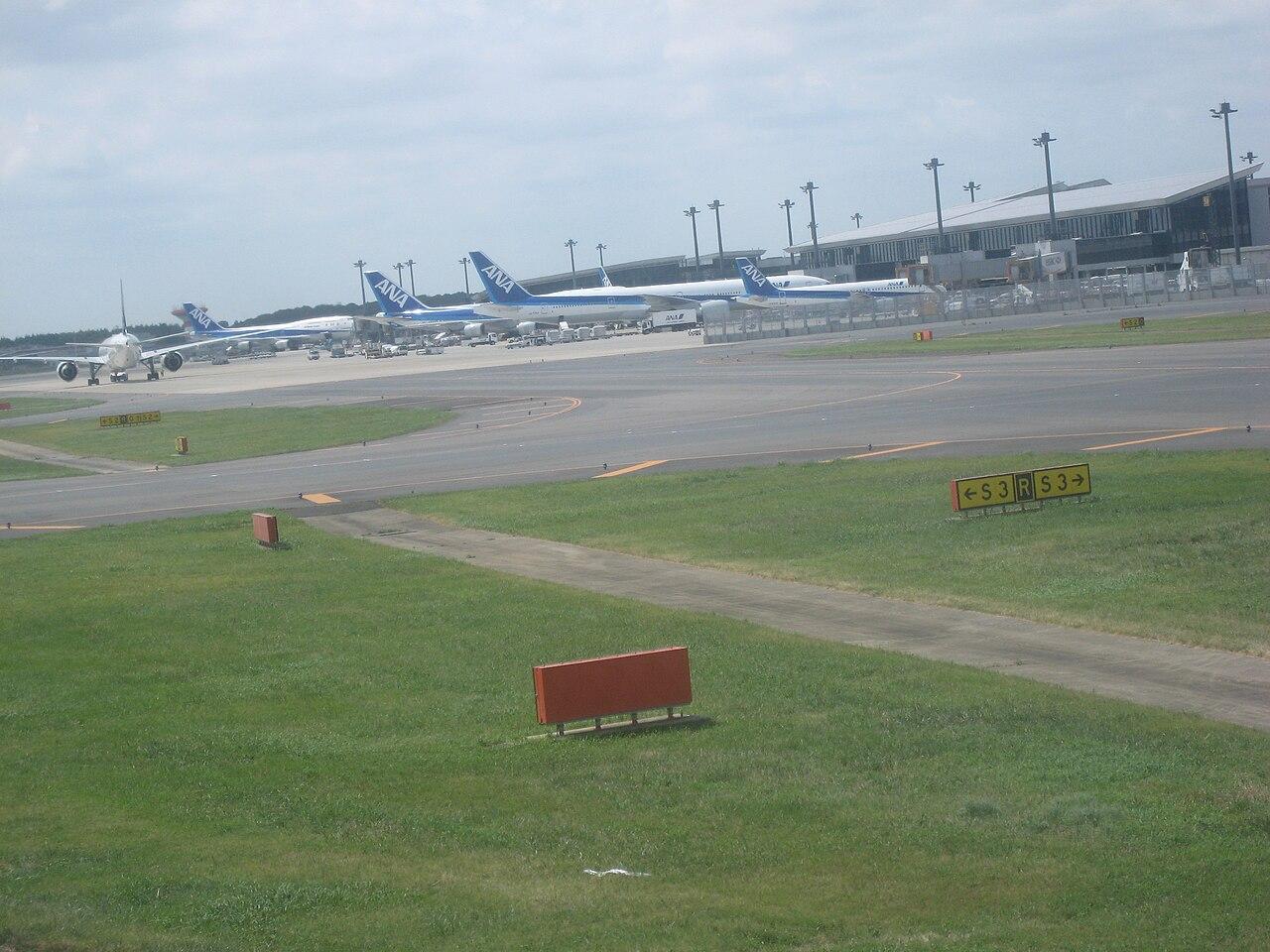
Pocket wifi japan rentals are built for sharing, and that is the decision. One router can feed several phones, but someone has to collect it, charge it every night, and hand it back. An eSIM stays in a single unlocked phone and has nothing to return. For one traveler who wants more than a trickle of data, the eSIM is usually the cheaper and simpler buy. For a group that can live with one shared connection, the router can win, but only if you read the daily cap hidden in the word "unlimited."
Pocket wifi japan prices, and what unlimited means
Ninja WiFi, part of Vision Inc., publishes pocket-wifi day rates that are tax included. The names are easy to misread. Several plans are labeled "Unlimited Plan (SoftBank)" and then a daily high-speed amount. After that amount, the connection is no longer the speed you rented it for. The plan that is actually unlimited, in the company's own naming, is the separate "Infinite Unlimited" line.
One device, per day, from Ninja's list:
- 1 GB per day: 440 yen
- 3 GB per day: 770 yen
- 5 GB per day: 1,100 yen
- 10 GB per day: 1,320 yen
- Infinite Unlimited (SoftBank): 1,980 yen
- 5G Unlimited: 2,200 yen
A second device on the same order costs more. Infinite Unlimited for two devices is 3,168 yen a day, and the 5G plan for two is 3,520 yen. Ninja says it may send a different device of equal or greater value if the one you chose is out of stock.
Seven days at those one-device rates:
- 1 GB per day: 3,080 yen
- 3 GB per day: 5,390 yen
- 5 GB per day: 7,700 yen
- 10 GB per day: 9,240 yen
- Infinite Unlimited: 13,860 yen
Maps, translation and a few messages can fit in 1 GB if you stay off video. A group sharing that 1 GB will hit the cap before lunch. The 440 yen price is real. It is not a week of normal phone use.

Photo: Solomon203 / Wikimedia Commons, CC BY-SA 4.0
eSIM prices from the same company, and from Airalo
Ninja also sells a Japan eSIM, tax included, with no router to return:
- 1 GB: 726 yen
- 5 GB: 2,200 yen
- 10 GB: 3,608 yen
- 7-day unlimited: 4,807 yen
- 14-day unlimited: 8,305 yen
Airalo's Japan unlimited eSIM, priced in US dollars on its site, is 11.50 for 3 days, 17 for 5 days, 26.50 for 7 days, 34.50 for 10 days, 48 for 15 days and 69 for 30 days. Your card converts that at the rate the bank uses that day. Do not budget it as a yen figure you invented. Ninja's 4,807 yen for seven days is the one you can compare with the router without a currency step.
Set the one-person test on Ninja's own numbers. The 7-day unlimited eSIM at 4,807 yen costs less than every pocket-wifi plan except the 1 GB-per-day router (3,080 yen for the week). The 3 GB-per-day router is already 5,390 yen, more than the unlimited eSIM. If you are one person and you do not want a 1 GB cap, the eSIM is the lower bill, and you skip the queue to pick the box up.
A group flips it. Four people on one 5 GB-per-day router pay 7,700 yen for the week, or 1,925 yen each. Four separate 7-day eSIMs are 4,807 yen each, 19,228 yen together. The router is the better bill if those four can share 5 GB of high-speed data a day. Two people on the Infinite plan pay 13,860 yen, or 6,930 yen each, which is more than two eSIMs at 4,807 yen. Sharing only helps when the headcount is high enough to beat the eSIM, or when the group accepts a small daily cap.
Hotspot from an eSIM phone can stand in for a router for a laptop or a second phone. That uses the same data pool and runs the battery down. Airalo's Japan page does not promise that tethering is included, so check the plan you are about to pay for rather than assuming every unlimited eSIM lets you share.
Pickup, return, and the night the order will not start
Ninja takes applications up to one day ahead and charges a card. Its FAQ says you can collect the next day if you reserve by 16:00 Japan time the day before, at these counters: Narita Terminal 1, Narita Terminal 2, Haneda Terminal 2, Haneda Terminal 3, Kansai Terminal 1, Kansai Terminal 2, Naha, and Fukuoka. Other airports, and a hotel delivery, are the fallback when that counter list does not match your flight. A return box is offered at some airports, which avoids the counter line on the way out, if you can find the box before you go through security. Late return and loss fees are on the booking screen. They are not one public number, so read them before you pay. A device you miss at the airport becomes a courier problem on the first morning, which is the failure mode an eSIM does not have.
Ninja posts a weekly maintenance window from 22:00 Tuesday to 09:00 Wednesday, Japan time, during which a new subscription cannot be started. The notice sits on the SIM section of the site. If you are ordering on a Tuesday night, assume you wait until Wednesday morning, and check whether your product is inside that window.
The phone has to be unlocked and eSIM-capable. A locked handset, or an older phone with no eSIM slot, cannot use the 4,807 yen plan at all. That traveler is the one the router is for, even at a higher price. Check the compatibility list before you buy the eSIM, not in the arrivals hall.
Photo: Grendelkhan / Wikimedia Commons, CC BY-SA 4.0
Which one to book
One unlocked phone, a week in Japan, normal maps and social apps: Ninja's 7-day unlimited eSIM at 4,807 yen, or Airalo's 7-day plan at 26.50 dollars if that converts to less on your card. Skip the 440 yen router unless you are sure 1 GB a day is enough.
Two or three people who each want their own connection: buy two or three eSIMs. The Infinite router at 1,980 yen a day is 13,860 yen a week, which does not beat two eSIMs (9,614 yen) and only barely competes with three (14,421 yen) while tying everyone to one battery.
Four or more people who can share: a 5 GB or 10 GB daily router is the bill that drops the fastest per person. Infinite Unlimited is the one to pick if that group will watch video. The 1 GB plan is the wrong economy for a family.
Carry a charged battery pack for a router. The eSIM does not need one beyond the phone you already charge. Neither product is a substitute for an IC card on the train. Suica and ICOCA are a separate purchase, and the day-to-day metro fares are small next to either of these data bills. Where you sleep does not change the data price much, though a hotel with a reliable room network makes the daily cap less painful. Neighborhood choice is covered in where to stay in Tokyo. A 7-day Japan itinerary or a 5-day Tokyo plan will tell you how many days to buy. Match the eSIM length to the nights, not to a round number, and if you keep the plan in RoamerPlanner, put the pickup counter or the eSIM install on the arrival day so it is not left until you are in the taxi line.
One more limit. A router reserved for Narita does not help if your first night is reached through a different airport and the counter you chose is behind you. Read the terminal number, not just the airport name. Haneda Terminal 2 and Terminal 3 are both on Ninja's next-day list. Terminal 1 is not, on the FAQ checked for this article. That is an easy way to miss the handoff.
Sources checked 26 October 2026: Ninja WiFi pocket wifi, SIM and eSIM prices, Ninja reservation day rates, Ninja FAQ on next-day airport pickup, and Airalo Japan unlimited eSIM prices. Prices are the ones printed on those pages and can change without a new article.
Turn this into a plan
Ready to turn this into a real itinerary? Plan it in RoamerPlanner.
Start your own plan, no account neededBrowse sample trips