How Many Days in Each City? A First-Timer's Rule That Holds Up
November 8, 2026
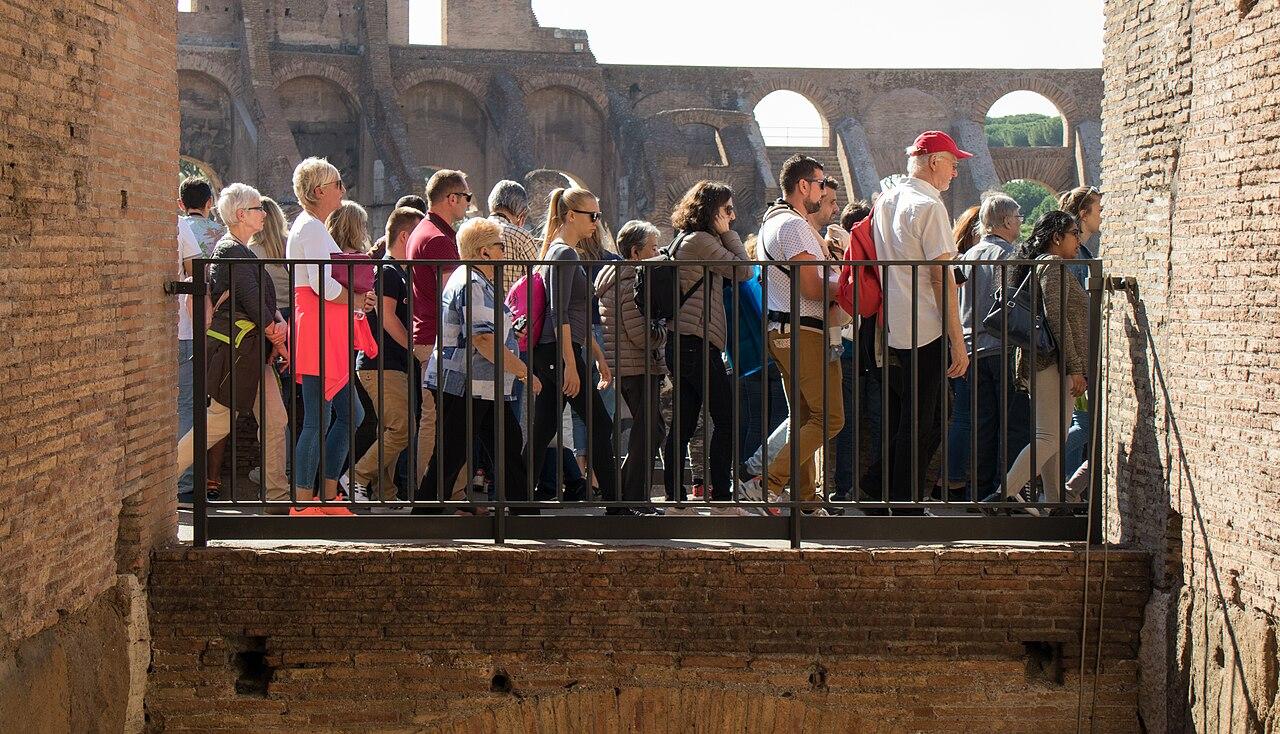
Most first-time itineraries fail for a boring reason: too many cities for the nights available. Flights and hotel check-ins eat half days, and a place that looked fine as "two days" on a spreadsheet becomes a blur of luggage and early trains. Deciding how many days in each city before you buy tickets is the decision that protects the rest of the trip.
How many days in each city: a working rule
Start from nights, not attractions. Count sleeping nights in a city, then ask what a realistic daytime window looks like after arrival and before departure. A late inbound flight and a 7am train out do not leave two full days, even if the calendar shows two date stamps.
A useful default for first visits to large capitals:
- 3 full days (4 nights) for cities where the main sights sit in different districts and queues are normal: Rome, Paris, London, Tokyo, Seoul.
- 2 full days (3 nights) when the core is walkable and you accept missing secondary museums: Florence, Amsterdam, Prague, Kyoto if temples are the focus.
- 1 full day (2 nights) only for a true stopover or a compact place you treat as a day trip with a bed: Bruges, a coastal town, or a transit city you do not plan to explore deeply.
These are planning floors, not ceilings. Add a night when a major museum needs a timed ticket you cannot move, or when a day trip is non-negotiable from that base.
What "a day" actually costs you
Transit between cities is where people lie to themselves. A morning high-speed hop can still cost you:
- Packing and hotel checkout
- Station transfer and security or passport checks on some routes
- The ride itself (Rome to Florence is about 1.5 hours on Frecciarossa; London to Paris on Eurostar is about 2.5 hours door to platform time plus terminal buffers)
- Finding the next hotel and dropping bags
Treat each intercity move as half a lost sightseeing day unless both ends are close to stations and you travel midday. Two moves in three days is usually one day of real looking around and two days of logistics.
Overnight trains and red-eye flights change the math. You gain a morning in the new city and lose sleep. For a first trip with jet lag already in play, a daytime transfer is often kinder even when it "wastes" a calendar day.
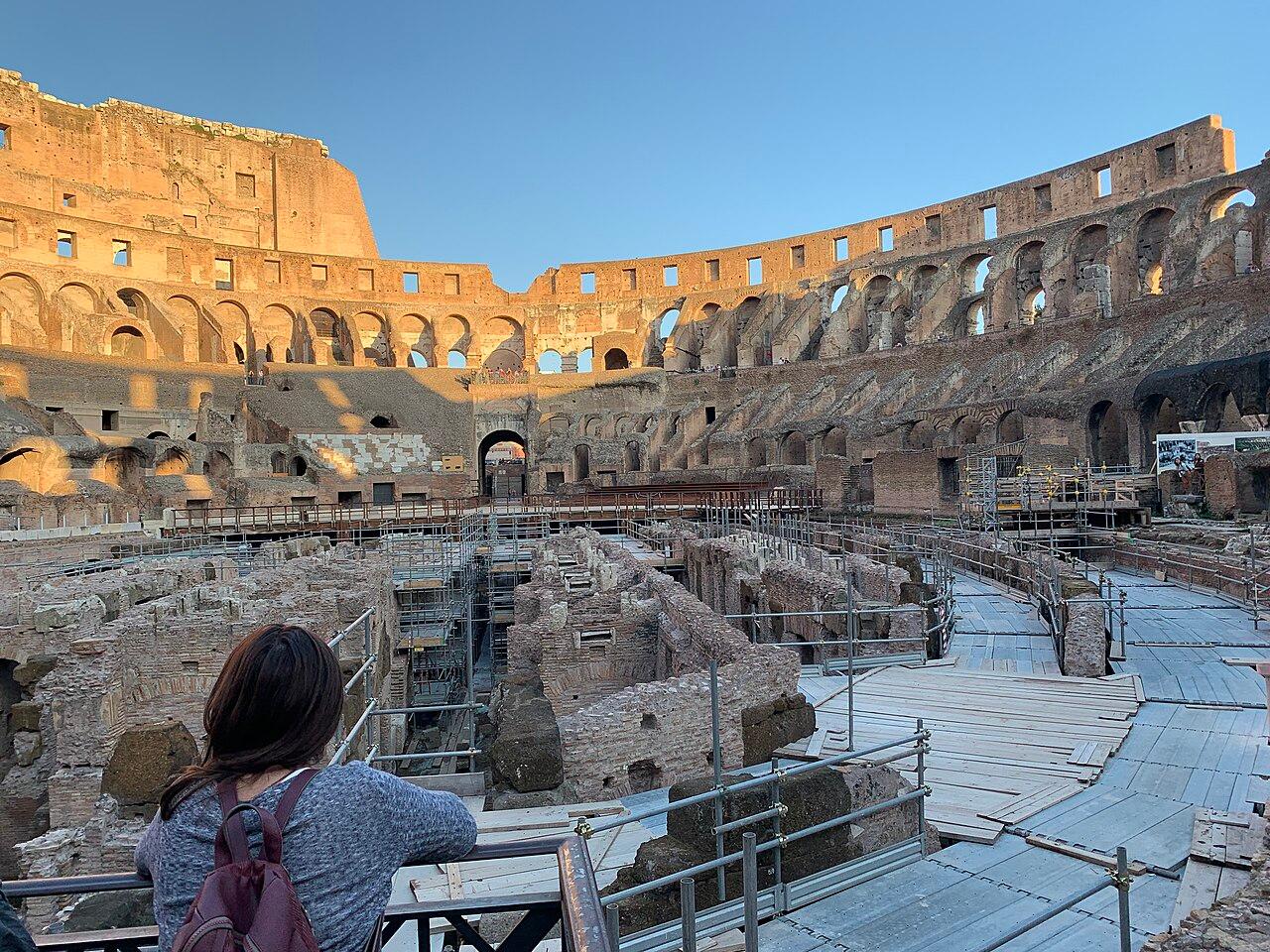
Photo: JCRollem / Wikimedia Commons, CC BY 4.0
City-by-city starting points (first timers)
These ranges assume you want the famous core without racing. They are not exhaustive checklists.
Rome. Three full days cover Ancient Rome, the Vatican area, and a Centro day without stacking every church. Two days forces a hard cut: usually Vatican or a leisurely Centro, not both at an easy pace. See Rome in 2 days for what drops when you squeeze it, and 3 days in Rome for a fuller outline.
Florence. Two full days fit the Duomo area, one major museum (Uffizi or Accademia), and a neighbourhood walk. A single day is a museum-plus-Duomo sprint. Many travellers base here and day-trip to Pisa or a Chianti town; that day is not a Florence day.
Venice. Two nights (one full day plus arrival/departure edges) is the common compromise. One night means you mostly see the city at rush hour. Three nights help if you want outer islands without giving up San Marco entirely.
Paris. Three full days is the usual first-timer floor: one museum-heavy day, one Right Bank walk day, one Left Bank or Montmartre day. Louvre alone can take a half day if you go without a plan. 3 days in Paris is a concrete skeleton.
London. Four days feels less rushed than three because the Tube joins distant clusters (West End, South Bank, museums in South Kensington, a western park). Three days works if you skip a day trip. Greenwich or Windsor should not share a day with the British Museum unless you enjoy fatigue.
Tokyo. Five days is a sane first visit if you want more than Shinjuku and Shibuya. Three days is possible for a highlight reel. Day trips to Nikko, Kamakura or Hakone each need their own full day from Tokyo; do not hide them inside a "Tokyo day" count. 5 days in Tokyo and day trips from Tokyo show how the calendar fills.
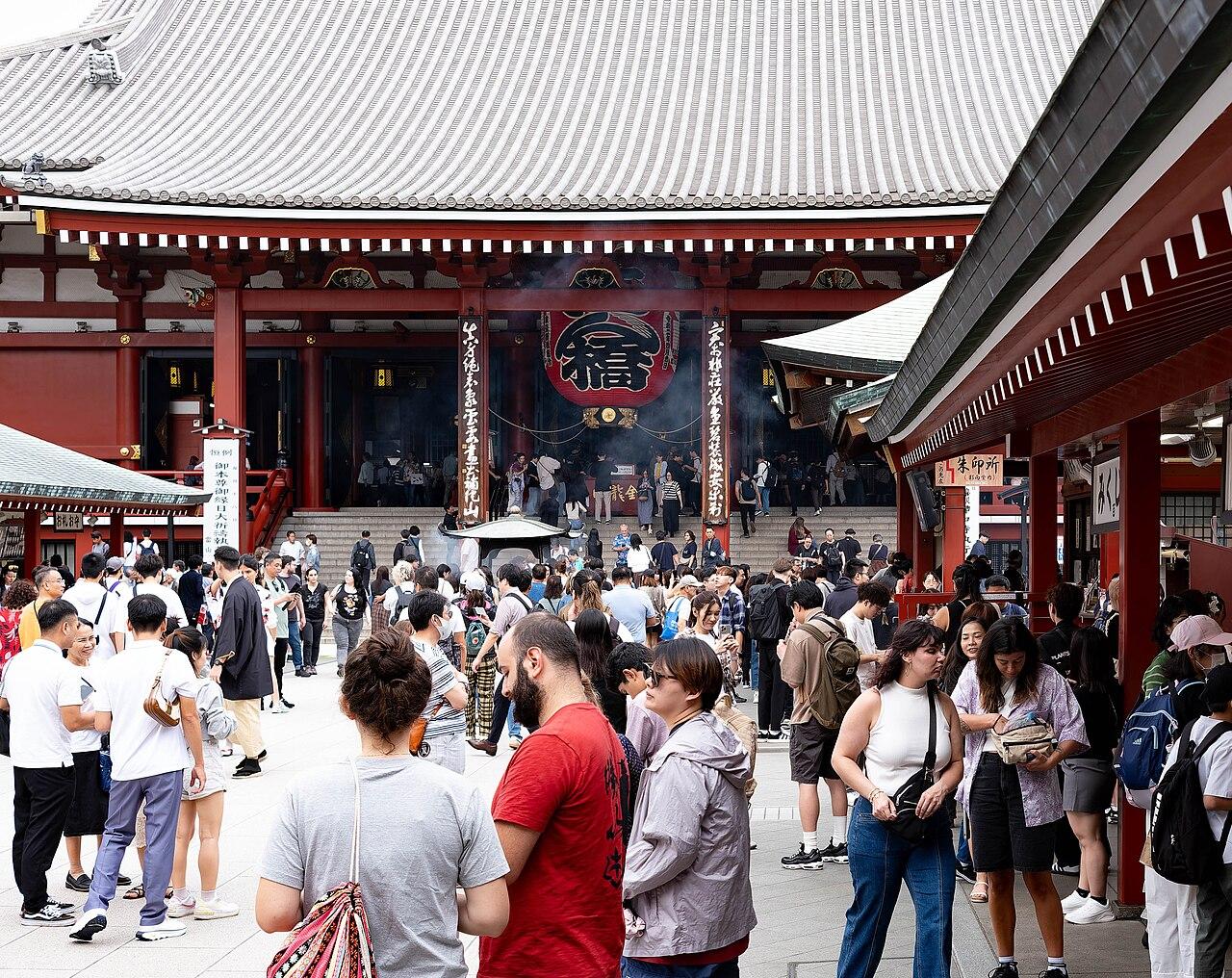
Photo: sergejf / Wikimedia Commons, CC BY 2.0
Kyoto and Osaka. Kyoto wants three full days for temples without dawn-to-dusk marching. Osaka can work in two if food and neighbourhood walks matter more than castles. Many Japan first-timers split a week as Tokyo 4, Kyoto 3, with Osaka as a night or two if the route fits. A 7-day Japan itinerary shows one way to assign those nights.
Bangkok. Three days covers river temples, one market area and a neighbourhood that is not only Khao San. Day trips to Ayutthaya need a separate day. 3 days in Bangkok is a workable base.
How to cut when the holiday is short
If you have 8 to 10 nights for a multi-city trip, prefer fewer bases over more stamps in the notebook.
A 10-night Italy sketch that usually works: Rome 3 full days, Florence 2, Venice 2, with travel days absorbing the rest. That is the shape behind 10 days in Italy and the 10-day Italy itinerary. Adding Naples or the Amalfi Coast in the same window means dropping a Rome or Florence day, not "squeezing it in."
A 7-night Japan sketch: Tokyo 4 nights (about 3 full days) and Kyoto 3 nights (about 2 full days), or Tokyo-heavy if you care more about neighbourhoods than temples. Inserting Hiroshima usually means cutting Tokyo, not inventing free hours.
Honest cautions:
- Ticketed sights with fixed entry times (Vatican Museums, Uffizi, teamLab-type venues) punish short stays because one late train ruins the booking.
- Weekend crowd patterns matter. A "quiet" museum Monday plan fails if Monday is the local closing day.
- Shoulder season still has school holidays. Check local calendars before you assume empty streets will save you time.
A simple decision worksheet
For each candidate city, write four lines before you book:
1. Arrival time and how you reach the hotel (minutes and mode). 2. Departure time and how early you must leave the hotel. 3. Must-do list capped at three items that need tickets or long queues. 4. Optional list you will drop first if a day shrinks.
If the must-do list needs more full days than your night count allows after transit, either add a night or delete a city. Do not solve it by waking everyone at 5am for a week.
When two cities are a short hop (Kyoto and Osaka, Rome and Florence), ask whether a day trip replaces an overnight. Day trips save a hotel change and cost a tired evening. Overnights cost a move and buy a morning without a return ticket hanging over you.
Common mistakes
Counting calendar dates as full days. Landing at 9pm on Friday and leaving Sunday at noon is not "a weekend in Paris."
Building the route from a map of famous names instead of train times. Pretty arcs on a map often hide 5-hour connections.
Leaving zero recovery after a long-haul flight. The first local day is often half-speed. Put a lighter neighbourhood walk there, not your hardest ticket.
Copying someone else's 12-city Europe loop. Those itineraries rarely include laundry, pharmacy stops, or the afternoon someone feels unwell.
Putting the nights into a plan
Once the night counts feel honest, drop them into a day-by-day view so hotel bookings match the logic. How to plan a trip day by day covers sequencing. A blank structure lives on the travel itinerary template. Building the same night counts in RoamerPlanner makes it obvious when a transfer day is pretending to be a sightseeing day.
How many days in Paris is enough for a first visit? Three full days covers the usual first-timer set without sprinting. Two days means picking a museum focus and cutting a whole district.
Is two days in Rome enough? It is enough for a highlight pass if you accept trade-offs. It is not enough for Vatican plus Ancient Rome plus a slow Centro evening without rush.
Should day trips count as days in the base city? No. Count them separately. A Hakone day is not a Tokyo day in your night math, even if you sleep in Tokyo.
Sources: Trenitalia published Rome to Florence Frecciarossa ride times (about 1 h 30 m on frequent services); Eurostar published London to Paris ride times (from about 2 h 15 m to 2 h 37 m depending on service); RoamerPlanner itinerary pages for Paris, Rome, Tokyo, Italy and Japan used as structural cross-checks for night counts. Opening hours and ticket rules change by season; verify timed entries on official museum sites before you lock nights. Checked 4 November 2026.
Cover photo: Christian Sapetschnig / Wikimedia Commons, CC BY-SA 4.0
Trips you can copy
Ready-made day-by-day plans for this place. Copy one for free and change it to fit your trip.
Turn this into a plan
Ready to turn this into a real itinerary? Plan it in RoamerPlanner.
Start your own plan, no account neededBrowse sample trips