How to Plan a Group Trip Without a 300-Message Group Chat
October 22, 2026

Learning how to plan a group trip without drowning in a 300-message chat is mostly about process, not personality. Friends and families stall for the same reasons: no one owns the dates, options multiply in screenshots, and money talk arrives too late. This guide lays out a simple sequence you can reuse for weekends away or longer holidays.
Why group chats stall
A chat is good for quick replies. It is a poor place to hold a plan. Messages scroll. Decisions get buried. Someone who missed a day of ping-pong has to re-ask the same questions. The fix is not a stricter chat. It is one shared plan, clear owners, and deadlines that are short enough to be real.
Typical failure points:
- Dates stay “flexible” for weeks, so flights and hotels move out of budget.
- Everyone posts links; nobody records a shortlist with a yes/no.
- One person books, then chases repayments in private messages.
- Day plans live in five heads, so mornings start with negotiation.
How to plan a group trip: a nine-step sequence
1. Name one trip lead (and one backup)
The lead is not the boss of fun. They are the person who keeps the timeline, moves decisions to a deadline, and updates the shared plan. Pick a backup for the week the lead is offline. Write both names where everyone can see them.
2. Lock a date window before destinations
Agree a range first: for example “any 5 nights between 10 and 25 May” or “the long weekend of X.” If the group cannot agree even on a window, pause the destination debate. Flights and leave requests need a window more than they need a perfect city.
3. Set a budget band per person
Give a number that includes flights (or fuel), stays, and a daily spend guess. Bands beat exact figures at this stage: “฿15,000–20,000 all-in excluding shopping” is enough to kill luxury villa ideas early. Ask people to say if the band is too high for them before anyone books.
4. Shortlist two destinations, not twelve
Collect ideas for 48 hours, then the lead cuts to two options with a one-line reason each (flight time, weather, visa ease, someone already has points). Vote once. No new cities after the vote unless the winner becomes impossible.
5. Put the plan somewhere that is not the chat
Copy the winner into one shared document or trip board: dates, budget band, shortlist of stays, draft day outline, and open questions. Chat becomes the alert channel (“please vote by Thursday”) rather than the archive. A dedicated group trip planner keeps the itinerary, people and notes in one place so screenshots stop multiplying. The same idea sits behind day-by-day planning in how to plan a trip day by day.
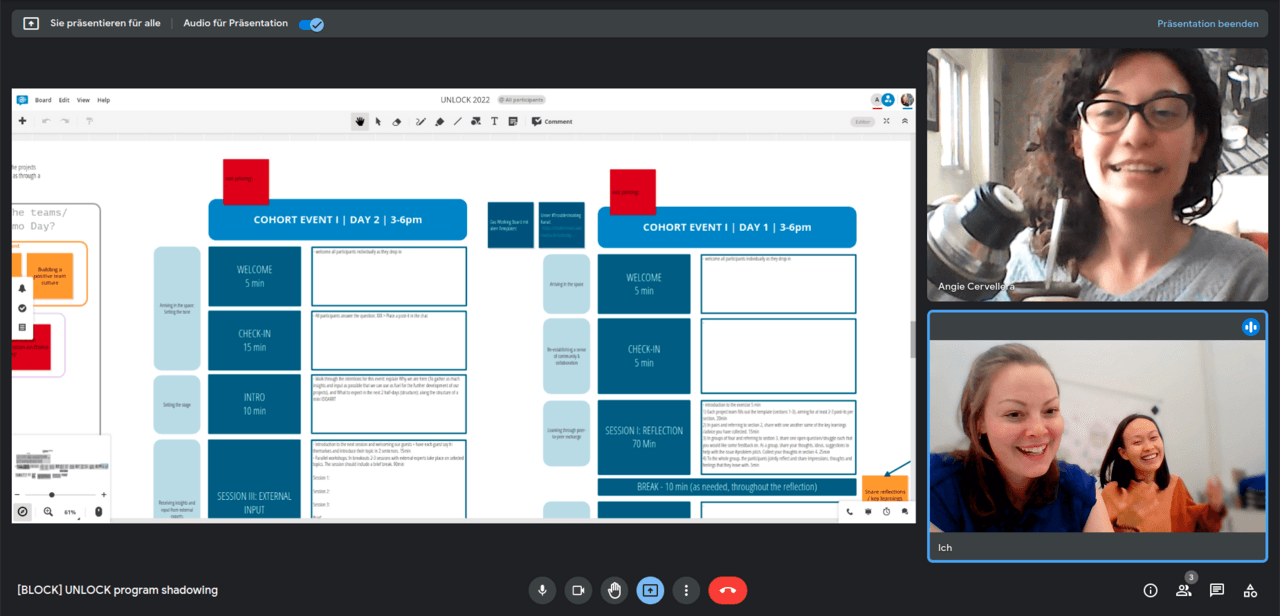
Photo: Lucia Obst (WMDE) / Wikimedia Commons, CC BY-SA 4.0
6. Decide stay style before you book rooms
Agree early:
- One shared house or apartment vs separate hotel rooms
- Quiet nights vs nightlife
- Must-have: kitchen, parking, two bathrooms, near transit
Searching without those rules wastes evenings. For city trips, pair the stay decision with a simple outline such as 3 days in Bangkok or 4 days in London and adapt it to the group’s energy.
7. Split money rules before the first payment
Write down:
- Who pays deposits
- How others repay (and by when)
- What is shared (Airbnb, rental car, groceries) vs personal (souvenirs, optional tours)
- Cancellation policy if someone drops out
Groups that skip this step argue later, even when everyone is acting in good faith.
8. Build a day plan with optional blocks
A full itinerary for six people fails if every hour is mandatory. Better pattern:
- One shared morning or highlight per day
- One shared meal
- Optional afternoon blocks so introverts and museum fans can branch without drama

Photo: Flutezutta / Wikimedia Commons, CC BY 4.0
Keep the outline visible. When someone asks “what are we doing Thursday?”, the answer is a link, not a 40-message recap.
9. Freeze the plan, then handle only exceptions
After flights and stays are booked, freeze the core. New restaurant ideas are welcome; new cities are not. The lead reviews open questions once a week, not all day in chat.
Roles that keep things moving
Besides the lead, assign light roles if the group is larger than four:
- Transport: trains, flights, airport transfers
- Stays: shortlist and booking
- Activities: tickets that need timed entry
- Food: reservations for the big shared meals only
Roles stop the lead from owning every tab. They also give quieter members a clear way to help.
Communication rules that actually help
Try these for the planning phase:
- Decisions have a deadline and a default (“If no reply by Sunday 18:00, we book option A”).
- Votes happen in one message thread or poll, then the result is copied into the plan.
- Screenshots without a link and a price date are ignored.
- Off-topic chat can stay fun; planning updates use a fixed tag or a separate channel.
Once you travel, switch to a lighter rhythm: morning meetup point, evening optional dinner, and a shared note for tomorrow. The planning channel does not need live commentary all day.
Common group types (and what to watch)
Friends with mixed budgets. Lead with the budget band. Offer a cheaper stay option and a nicer one; do not force one person into debt for the group photo.
Families with kids. Nap windows and meal times beat ambitious museum marathons. Book refundable rooms when dates might shift with school calendars.
Work colleagues. Keep optional evenings optional. Clarify expense policy before anyone pays on a personal card.
Mixed fitness levels. Plan one shared easy activity and one harder optional hike or long walk. Nobody should feel they ruined the day by sitting it out.
Tools: use fewer, not more
You do not need five apps. You need:
1. A chat for pings 2. One shared plan for the truth 3. A calendar hold for the locked dates
If the group already lives in one messenger, stay there for alerts. Move the itinerary out. That single move cuts most of the 300-message noise.
When you want the itinerary itself to be collaborative, build it in RoamerPlanner or the group trip planner and paste the link into the chat once. People comment on the plan instead of inventing parallel versions.
FAQ
What if two people refuse to pick dates? Set a final decision date. If they still cannot choose, the trip is not ready. A half-committed group rarely gets happier on the road.
Should one person book everything? Often yes for flights on the same itinerary and for one shared stay. Always with written repayment rules first.
How early should we plan? Domestic weekends: 4–8 weeks is common. International peak season: 3–6 months for flights and popular stays. Timed tickets (museums, parks) may need their own booking windows closer to travel.
How do we handle someone who cancels late? Agree the rule before deposits: for example, they cover their share of non-refundable costs unless a replacement joins. Put it in writing.
Sources
- Planning process based on common group-travel failure modes and product patterns for shared itineraries (RoamerPlanner group trip planner), checked 22 Oct 2026
- No timed ticket prices or destination rules claimed here; verify those on official operator sites for your specific trip
Cover photo: Familydestinationsguide.com Images / Wikimedia Commons, CC BY 2.0
想把这次住宿排进真正的行程里?去 RoamerPlanner 规划吧。
打开 RoamerPlanner