Bangkok to Chiang Mai: Train vs Flight vs Bus
October 22, 2026
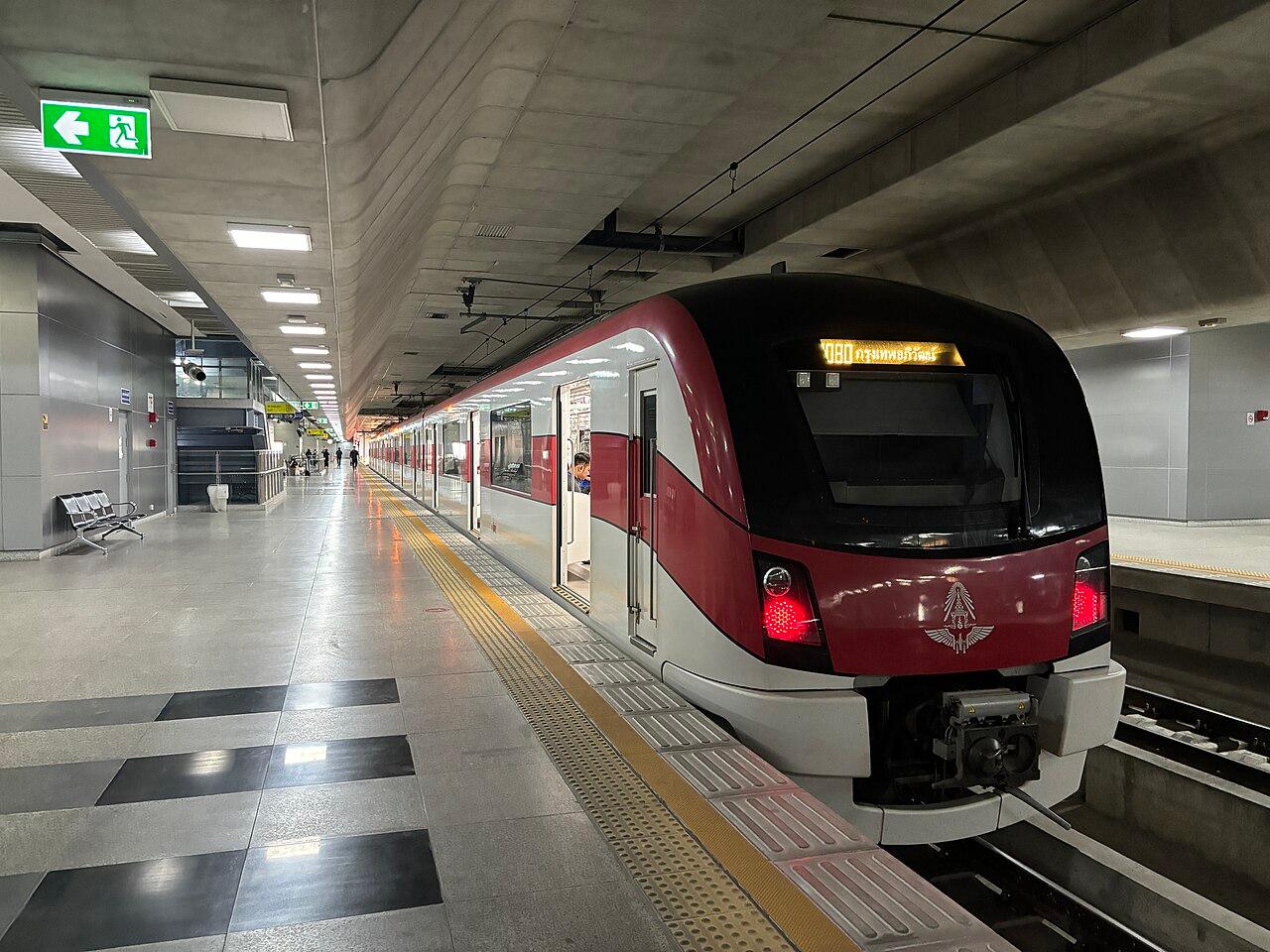
Getting from Bangkok to Chiang Mai is one of the most common moves on a Thailand trip. You can fly in a little over an hour, take an overnight sleeper train from Krung Thep Aphiwat, or ride a VIP bus from Mo Chit. This guide compares train vs flight vs bus on time, price bands, stations and who each option suits, so you can book once and stop second-guessing.
Quick comparison
- Flight: about 1h10–1h20 air time; fares often in a ฿650–3,500 one-way band. Best when you need speed.
- Overnight train: about 11–14 hours; seats can start near ฿230, sleeper berths cost more. Best when the journey is part of the trip and you can skip a hotel night.
- Bus: about 9–12 hours; often ฿450–1,150. Best for budget trips or when sleepers are sold out.
Fares move with season and how early you book. Treat the bands as planning ranges and confirm on the day you buy.
Bangkok to Chiang Mai by flight
Direct flights run many times a day into Chiang Mai International Airport (CNX). Air time is usually about 1 hour 10 to 1 hour 20. Carriers on the route include Thai AirAsia, Thai Vietjet, Nok Air, Thai Lion Air, Thai Airways and others, split between Don Mueang (DMK) and Suvarnabhumi (BKK).
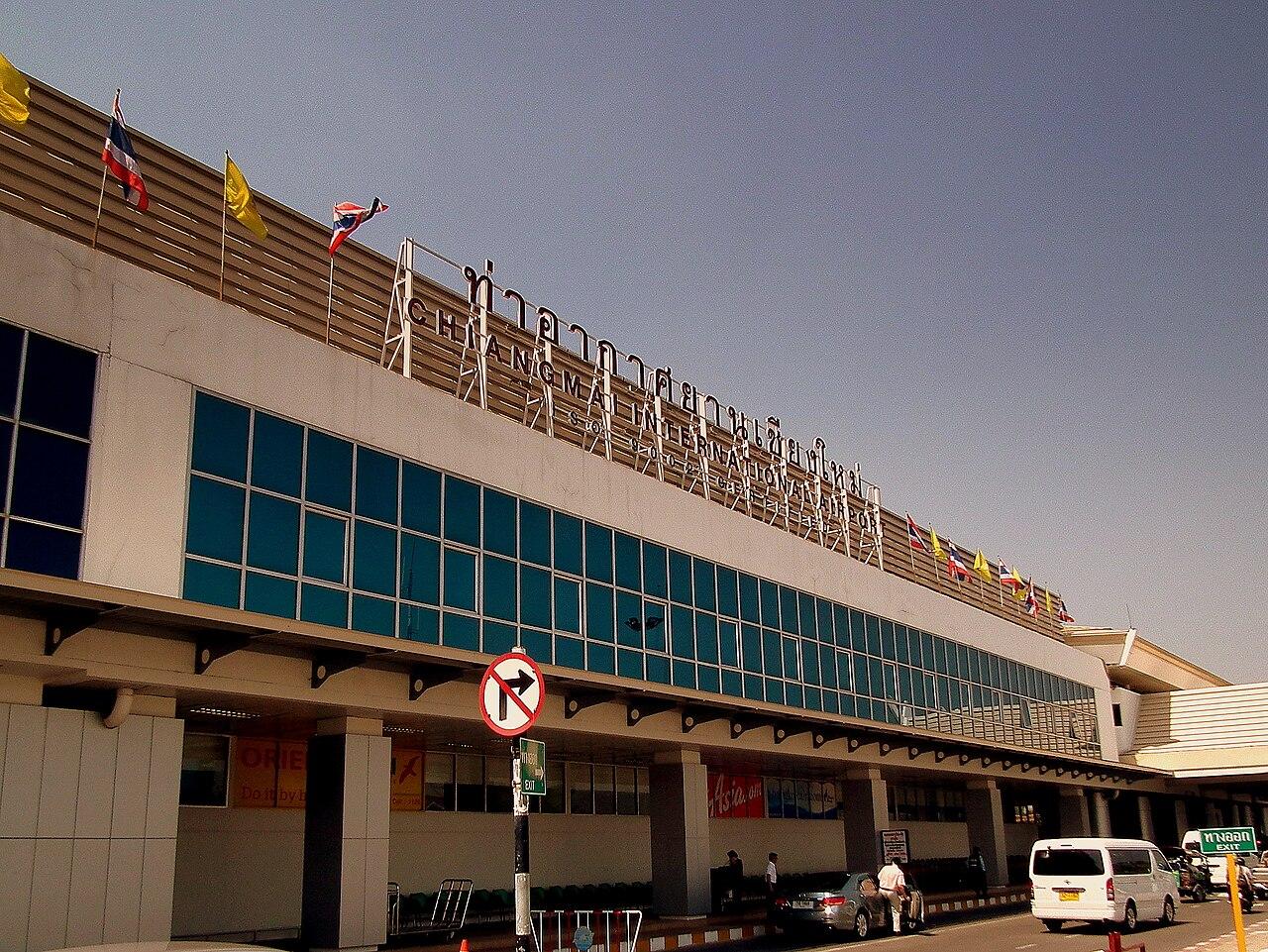
Photo: calflier001 / Wikimedia Commons, CC BY-SA 2.0
Why fly
- You keep a full day in Chiang Mai.
- Same-day or next-day seats are often still available when train berths are gone.
- Frequency is high, so missed connections are easier to recover from than on a once-a-day sleeper.
What to know
- Airport choice matters. Low-cost carriers often use Don Mueang; full-service and some others use Suvarnabhumi. The two airports are far apart in Bangkok traffic. Build real transfer time.
- Door to door is longer than air time: check-in, security, boarding and the ride into Chiang Mai city (roughly 15–30 minutes depending on traffic and where you stay).
- Baggage fees on budget fares can close the gap with a train berth. Read the fare rules before you click buy.
Who it suits: anyone with three days or fewer in the north, families with limited patience for overnight travel, and trips where flight sales undercut the sleeper.
Bangkok to Chiang Mai by train
Long-distance northern trains leave from Krung Thep Aphiwat Central Terminal (Bang Sue), not Hua Lamphong. Hua Lamphong still appears in older blogs; for this route, plan on Krung Thep Aphiwat.
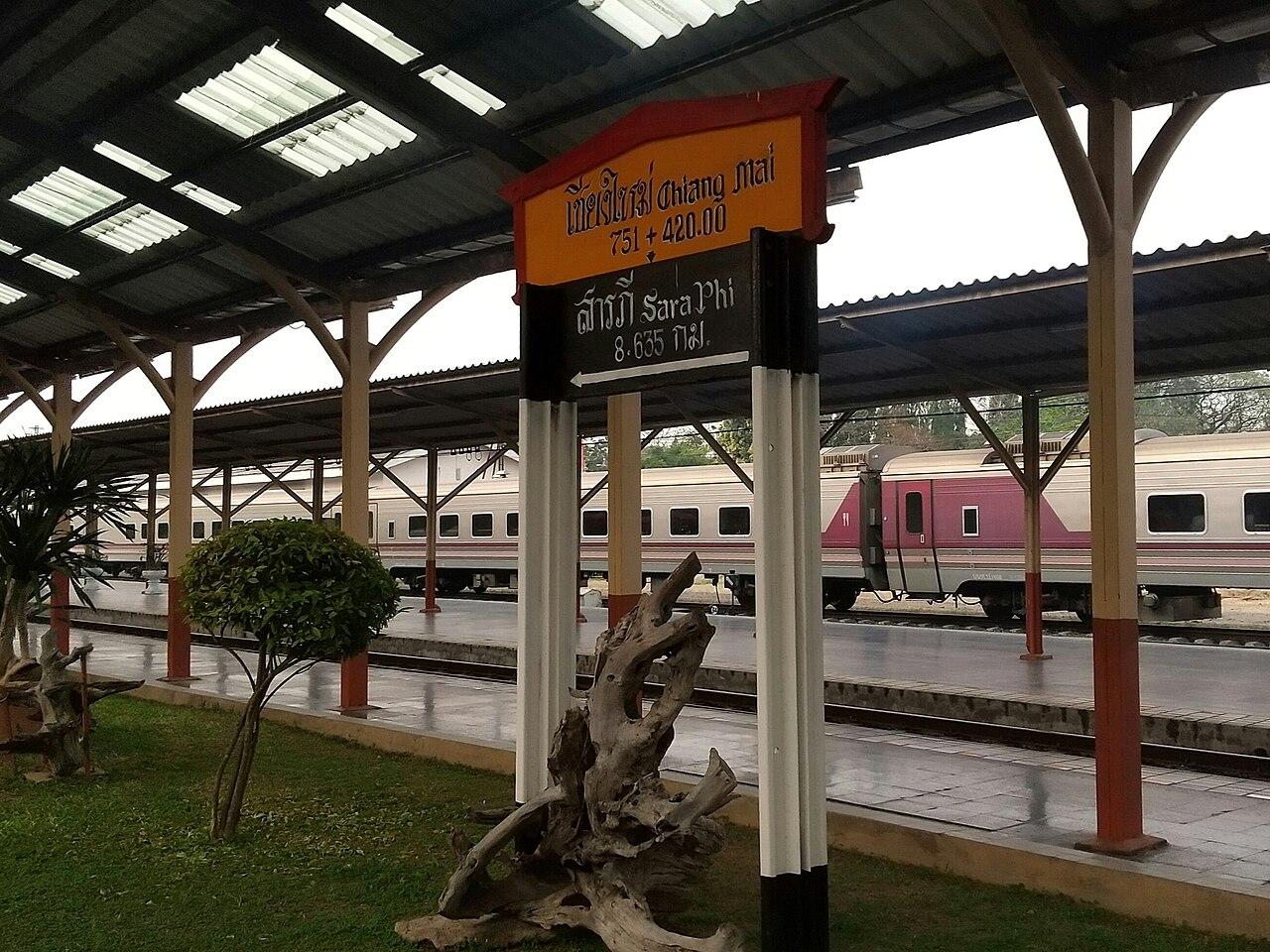
Photo: Suikotei / Wikimedia Commons, CC BY-SA 4.0
Typical 2026 State Railway of Thailand (SRT) services on the Bangkok–Chiang Mai corridor include daytime and overnight trains, for example (times can change; always recheck the official timetable):
- SP7 daytime special express: depart about 07:30, arrive about 17:50 (around 10h20)
- RP109 rapid: afternoon departure, early-morning arrival (around 13–14 hours)
- SP9 / SP13 overnight special expresses: evening departures, morning arrivals (around 12–13 hours)
- Late express options also appear on the modern timetable
Second-class air-conditioned seats on the daytime train and second- or first-class berths on overnight trains are the options most visitors book. Third-class seats exist on some services at lower fares but are a harder sell for a 12-hour ride.
Booking
- Official channel: SRT D-Ticket (website or app). From 2026, long-distance Special Express, Express and Rapid tickets are generally sold up to 90 days ahead (rules differ for short segments and local trains). Confirm current rules on the SRT site when you book.
- Popular berths sell out in peak months (roughly October–December and major holidays). Book early if you need a lower berth or first class.
Why take the train
- You sleep while covering distance and often save a hotel night.
- You arrive in the city (Chiang Mai Railway Station), not at the airport.
- The scenery and the ride itself are part of the experience for many travellers.
What to know
- Schedules slip. Build a buffer before same-day tours or flights out of Chiang Mai.
- Bring earplugs, a light layer and a small lock for bags if that helps you sleep.
- Food on board is limited; many people bring snacks or buy at the station.
Who it suits: travellers who like overnight journeys, flexible morning arrival plans, and anyone comparing a berth price against a flight plus a hotel night.
Bangkok to Chiang Mai by bus
VIP and first-class coaches leave from Bangkok’s Mo Chit (Northern) Bus Terminal and arrive at Chiang Mai’s Arcade Bus Terminal. Operators such as Nakhonchai Air and Sombat Tour are widely used. Scheduled times are often about 9 to 12 hours, sometimes faster than the train on paper.
Why take the bus
- Usually the cheapest reliable option when flights are not on sale.
- Many departures through the day and evening.
- Wide reclining seats on better VIP services; some coaches have toilets onboard.
What to know
- You are still on the highway for a full night or day. Motion, stops and air-con strength vary by operator.
- Terminals sit outside the old-city core in both cities. Budget Grab/taxi time at each end.
- Overnight buses arrive early. Hotel early check-in is not guaranteed; have a bag-drop plan.
Who it suits: tight budgets, sold-out train dates, and travellers who prefer a reserved coach seat to a fan carriage.
How to choose
Fly if your Chiang Mai window is short, if you land in Bangkok late and need to be north the same day, or if a sale fare is close to a sleeper once bags are added.
Train if you want the overnight berth, dislike early airport runs, and can book far enough ahead. Pair it with a relaxed first morning in Chiang Mai.
Bus if price is the main driver or sleepers are gone. Pick a named VIP operator and an evening departure so you arrive after sunrise.
For city plans at each end, see 3 days in Bangkok and 3 days in Chiang Mai. Neighbourhood context for the north is in where to stay in Chiang Mai. Keep flight, train or bus blocks on the same timeline in RoamerPlanner so transfers do not collide with temple mornings.
Practical tips
- Wrong airport is the expensive mistake on this route. Double-check DMK vs BKK on the ticket.
- Wrong station is the train equivalent: Krung Thep Aphiwat for long-distance northern trains.
- Peak dates (Yi Peng / Loy Krathong weeks, New Year, Songkran) fill sleepers and raise flight prices. Book transport before hotels if dates are fixed.
- Same-day fly north: leave Bangkok with margin. Domestic security is usually quick, but Bangkok traffic is not.
FAQ
Is the train safer than the bus? Both are mainstream options used daily. Choose a reputable bus company and an official train ticket. Personal comfort and sleep quality matter as much as the safety debate for most visitors.
Can I leave luggage at the station? Many travellers use hotel bag storage after an early arrival. Station left-luggage rules change; do not rely on it without checking on the day.
Is there a high-speed train yet? As of this check, the classic locomotive services above are what you book for Bangkok–Chiang Mai. Do not plan around an unopened high-speed schedule.
Sources
- SRT modern timetable / Bangkok–Chiang Mai service summaries (railway.co.th / D-Ticket ecosystem), times cited as typical 2026 examples, checked 22 Oct 2026
- Thai Train Guide notes on 90-day advance booking for long-distance trains (2026), checked 22 Oct 2026
- Flight duration and airport split: airline schedules and route aggregators for BKK/DMK–CNX, checked 22 Oct 2026
- Bus duration and fare bands: operator listings and 2026 route comparisons (confirm live price when booking), checked 22 Oct 2026
Cover photo: MNXANL / Wikimedia Commons, CC BY-SA 4.0
想把这次住宿排进真正的行程里?去 RoamerPlanner 规划吧。
打开 RoamerPlanner