Ubud Itinerary: 2 Days of Rice Terraces, Temples and Good Timing
October 31, 2026
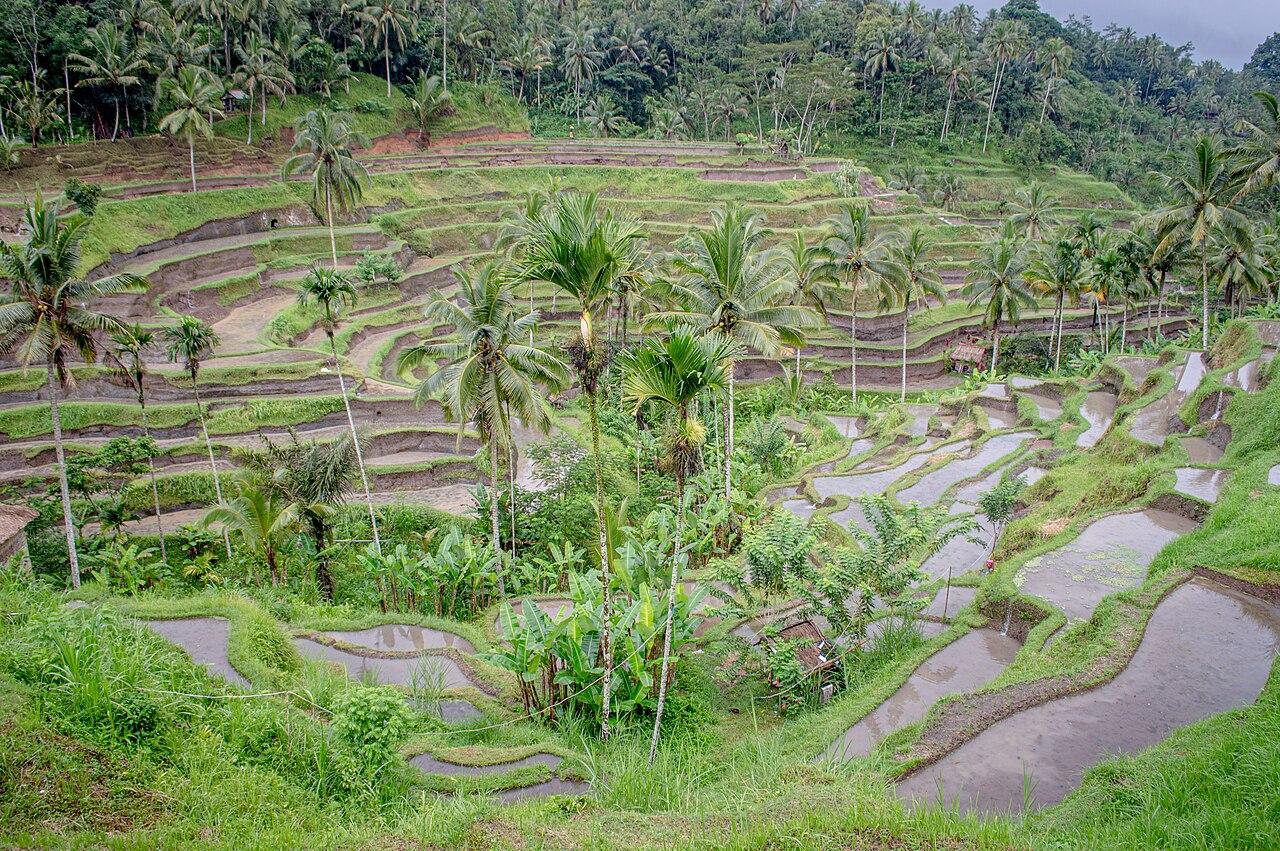
This Ubud itinerary covers two full days in Bali's inland town of rice fields, temples, craft villages and dance. Two days is enough to see the main sights without spending most of your time in traffic, as long as you split the days by direction: one day in and around town, one day north to the rice terraces and water temples. The plan below also deals with timing, because in Ubud the hour you arrive at a place matters as much as the place itself.
Before you start: a few Ubud basics
- Traffic is slow. Ubud's roads are narrow, and the main streets jam from late morning. Distances that look short on a map can take 45 minutes. Most visitors hire a driver for the day outside town, which is usually arranged through a hotel.
- Early starts pay off. The rice terraces, the waterfalls and Tirta Empul are much quieter before 9am.
- Temple dress. Temples require a sarong and sash, with shoulders covered. Many lend or rent them at the entrance, but carrying your own saves time.
- The Bali tourist levy. Foreign visitors pay a one-time levy of IDR 150,000 per person when visiting Bali, through the provincial government's official Love Bali system. It is separate from your visa or visa on arrival.
- Cash. Small entrance fees, parking and donations are often cash only. Carry smaller notes.
Day 1 of this Ubud itinerary: town, forest and ridge
Day 1 stays within walking distance or a short ride of central Ubud.
Early morning: Campuhan Ridge Walk
Start at sunrise or soon after on the Campuhan Ridge Walk, a paved path along a grassy ridge between two river valleys, just west of the town centre. It is free and takes about an hour there and back at an easy pace. After about 8am the path gets hot, as there is little shade. Cafés at the far end serve breakfast.
Mid-morning: Sacred Monkey Forest Sanctuary
Next, walk or take a short ride to the Sacred Monkey Forest Sanctuary at the southern end of town. It is a forest with temples, a stream and more than 1,000 long-tailed macaques. The official site lists opening hours as 9am to 6pm, with last entry at 5pm, and entrance fees of IDR 130,000 for adults and IDR 100,000 for children.
The monkeys are wild and used to people. Leave food, sunglasses and loose items in your bag, do not touch or feed them, and keep a calm distance. The sanctuary publishes its own visitor guidelines, which are worth reading before you go.
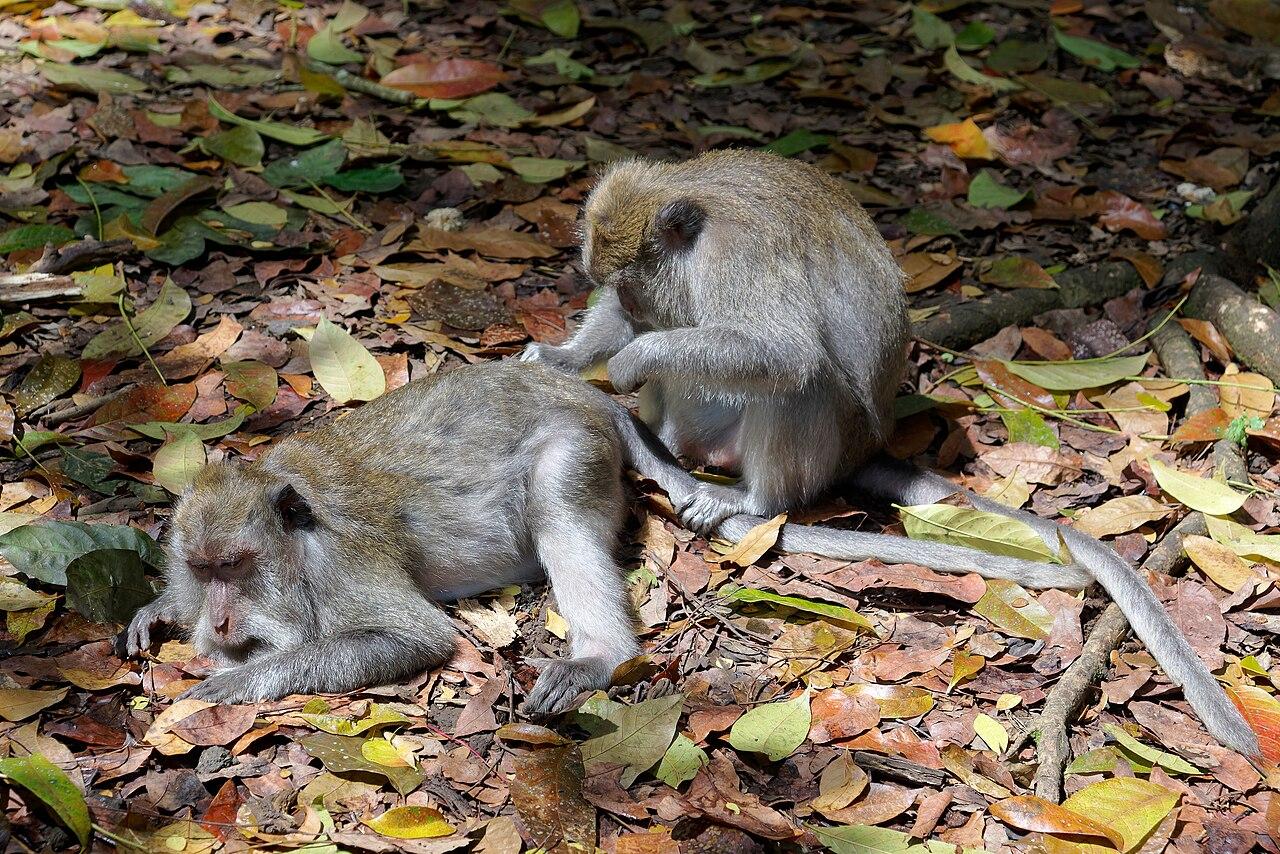
Photo: Jakub Hałun / Wikimedia Commons, CC BY-SA 4.0
Midday: lunch and a rest
Have lunch in town and rest through the heat. Many visitors book a spa treatment or simply go back to the hotel for an hour. The middle of the day is also when the main streets are busiest.
Afternoon: Ubud Palace, the market and the art scene
- Ubud Palace (Puri Saren Agung) is in the centre of town and free to walk into in the outer courtyards. It is still the residence of the royal family, so some areas are closed.
- Ubud Art Market opposite sells textiles, baskets and souvenirs. Prices are negotiable.
- If you prefer art to shopping, visit one of Ubud's museums, such as the Museum Puri Lukisan or the ARMA Museum, which show Balinese painting and are calmer than the market.
Evening: a dance performance
Ubud has traditional dance performances most evenings, including Legong and Kecak, held at the palace and in nearby temples and community halls. Tickets are sold at the venue or by sellers on the street, and the schedule is usually posted near the palace. Shows typically start around 7:30pm.
Day 2: rice terraces, water temple and a waterfall
Day 2 goes north and east of town. Hire a driver for the day, agree on the stops and the price in advance, and leave early.
Early morning: Tegallalang Rice Terraces
The Tegallalang Rice Terraces are about 30 minutes north of central Ubud. Arrive by 7am or 7:30am to walk the paths before the tour buses and the heat. There is an entrance fee to the main area, and some farmers ask for small donations at points along the paths, since the terraces are working farmland on private land.
The terraces look their greenest in the rainy months and before harvest. After harvest the fields can look brown or flooded, which is part of the normal cycle.
If you want a quieter alternative, ask your driver about smaller terraces nearby, or the Jatiluwih terraces further west, which are a much longer drive and better suited to a separate day.
Mid-morning: Tirta Empul
Continue north to Pura Tirta Empul, a water temple at Tampaksiring known for its long purification pools fed by a spring. Balinese Hindus come here to bathe in the pools as a ritual. Visitors can take part if they follow the temple's procedures and wear the right clothing, but you can also watch from the sides.
Go early, because the pools and the temple courtyards become crowded by late morning. Sarongs are required and available at the entrance.
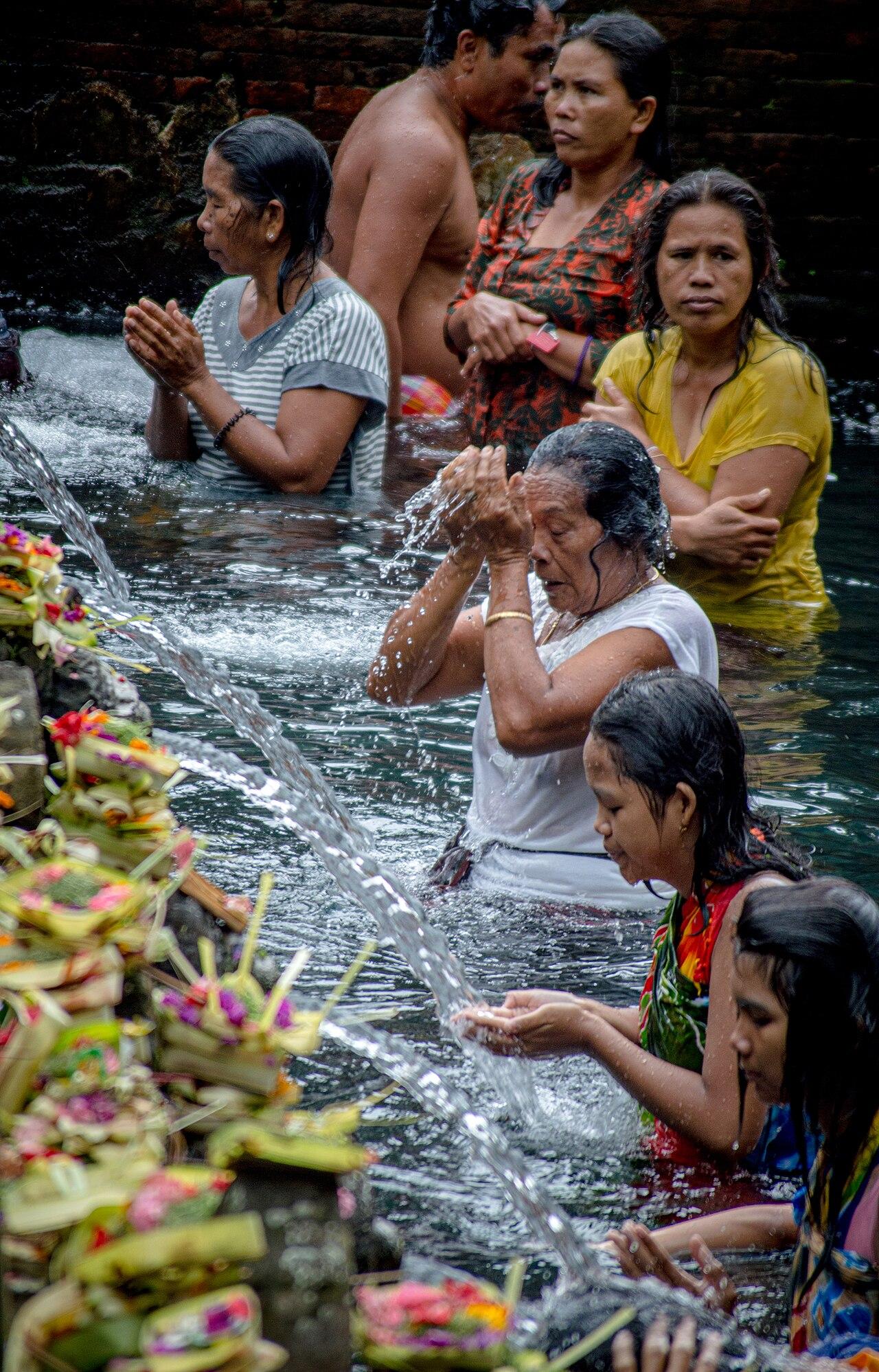
Photo: Philip Nalangan / Wikimedia Commons, CC BY-SA 4.0
Lunch
Many cafés along the road between Tegallalang and Tampaksiring have views over the valleys. Eat here before heading back south.
Afternoon: a waterfall or Goa Gajah
Pick one of these depending on your energy:
- A waterfall. Several are within 30 to 40 minutes of Ubud, such as Tegenungan and Tibumana. Expect steps down to the water and back up. Swimming conditions change with rain, so follow the signs and local advice.
- Goa Gajah (Elephant Cave). A small archaeological site with a carved cave entrance, bathing pools and a path down to a stream. It is a short drive south-east of Ubud and takes about an hour.
Evening: a quiet dinner
Head back to town. After an early start, most people prefer a quiet dinner over another show.
Adjusting the plan for the weather
Bali's rainy season usually runs from about November to March, with heavier rain from December to February. Rain often comes in afternoon or evening downpours rather than all day, which suits this plan's early starts. On wet days:
- Paths at the rice terraces and waterfalls get slippery. Wear shoes with grip.
- Waterfalls can become fast and muddy after heavy rain, and some close for safety.
- Indoor options such as museums, cooking classes and spas are easy substitutes.
The Bali wet season vs dry season guide explains how the seasons change your plans in more detail.
Where to stay for this Ubud itinerary
Staying in central Ubud keeps Day 1 walkable. Villas in the rice fields outside town are quieter and often have better views, but you will need a driver or scooter for every trip into town. The where to stay in Bali guide compares Ubud with the beach areas if you are splitting your stay.
Fitting Ubud into a longer Bali trip
Two days in Ubud combines well with a few days on the coast. The 5 days in Bali itinerary includes Ubud alongside the beaches and can be copied into RoamerPlanner, where you can swap in the stops above and keep the driver's details in the trip notes.
Quick FAQ
Is two days enough for Ubud? Two full days covers the main sights. Add a third if you want a cooking class, a longer hike or a day at Jatiluwih.
How much is the Monkey Forest entrance fee? IDR 130,000 for adults and IDR 100,000 for children, according to the sanctuary's official site.
Do I need a driver in Ubud? Not for Day 1. For the rice terraces, Tirta Empul and waterfalls, a driver is the simplest option.
Sources: Sacred Monkey Forest Sanctuary official visitor page (monkeyforestubud.com); Bali provincial government Love Bali levy portal; Ministry of Tourism Bali permits page. Checked 27 October 2026.
Cover photo: Philip Nalangan / Wikimedia Commons, CC BY 4.0
Trips you can copy
Ready-made day-by-day plans for this place. Copy one for free and change it to fit your trip.
Turn this into a plan
Ready to turn this into a real itinerary? Plan it in RoamerPlanner.
Free. You'll sign up or log in first, then the copy is ready to edit.
Start your own plan, no account needed