Split Travel Costs Group Guide: Fair Rules Before You Book
November 8, 2026
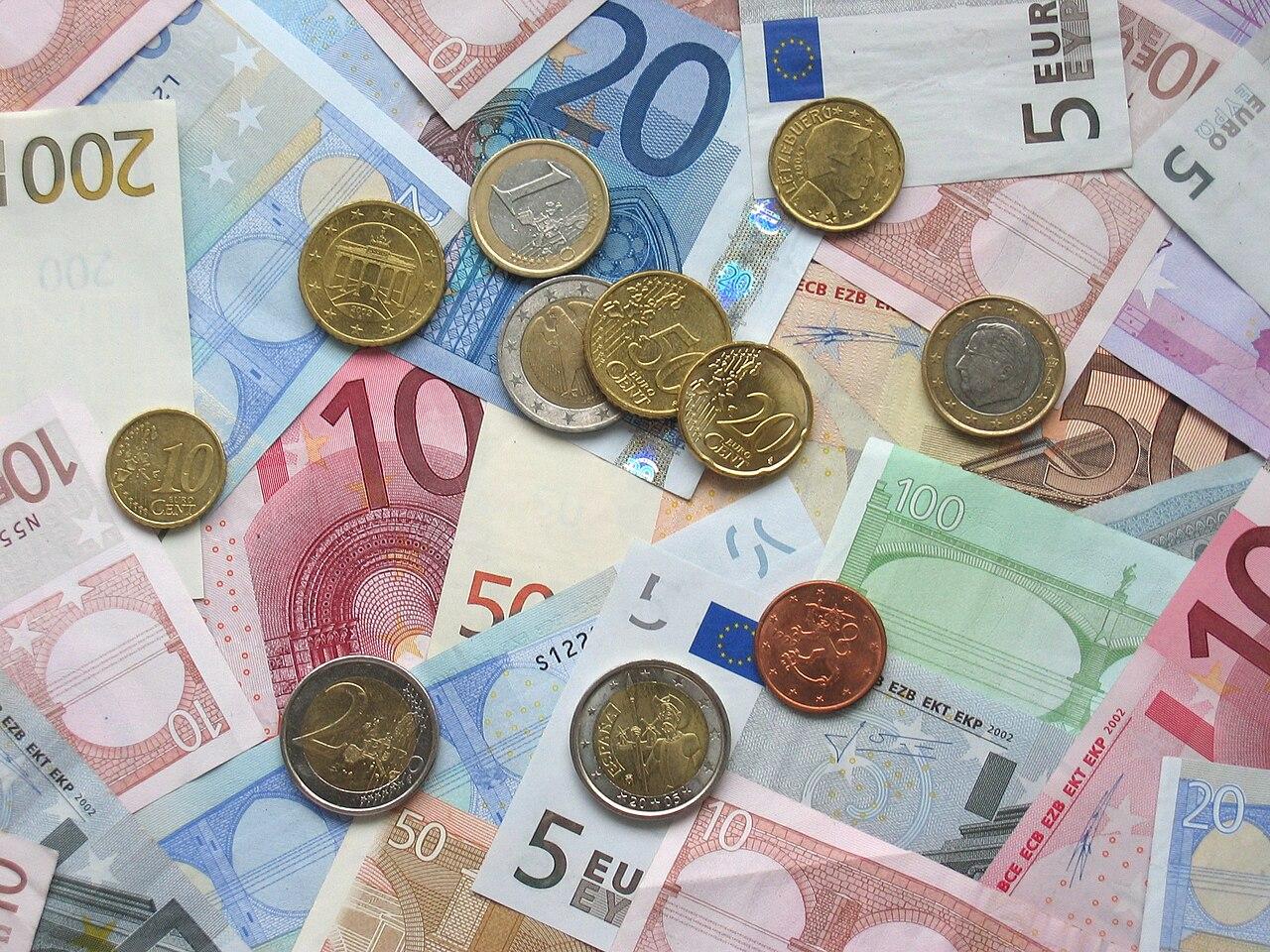
Groups that wait until the last night to settle invent a fight. A clear split travel costs group rule set before the first deposit is what keeps one person from acting as the bank for weeks. Agree the method early, then run a simple ledger the whole way.
Split travel costs group: decide the method first
Pick one primary rule and write it where everyone can see it. Common options:
- Equal share of shared costs. Flights booked together, rental cars, group tours, shared apartments and groceries bought for the house get divided by headcount (or by room if that was the deal). Personal shopping, solo spa visits and extra bags stay with the person who bought them.
- Pay-your-own for transit and meals, equal for lodging. Works when appetites and alcohol spend differ a lot.
- Proportional to room type. Couple in a private room pays more than friends on sofa beds. State the percentages before anyone pays a deposit.
Do not mix methods silently. If the villa is equal-share but dinners are separate, say so in one sentence in the shared plan.
Couples in a friend group need an extra line: is the unit "per person" or "per couple" for apartment shares? Ambiguity here is a classic blow-up.
What counts as shared
Make a short shared list before booking:
- Lodging booked for everyone
- Rental vehicle and fuel (or a shared rail pass bought as a bundle)
- Grocery runs for breakfasts cooked at the stay
- Experiences booked as one ticket for the whole group
- Airport transfers ordered for everyone together
Keep personal on a separate mental shelf:
- Souvenirs and clothes
- Optional add-ons only some people join
- Individual seat upgrades
- Meals where one person orders far more, if you chose pay-your-own dining
If three people visit a museum and two sit in a cafe, the museum is not automatically a group cost. The people who entered pay, unless you agreed a different social rule in advance.
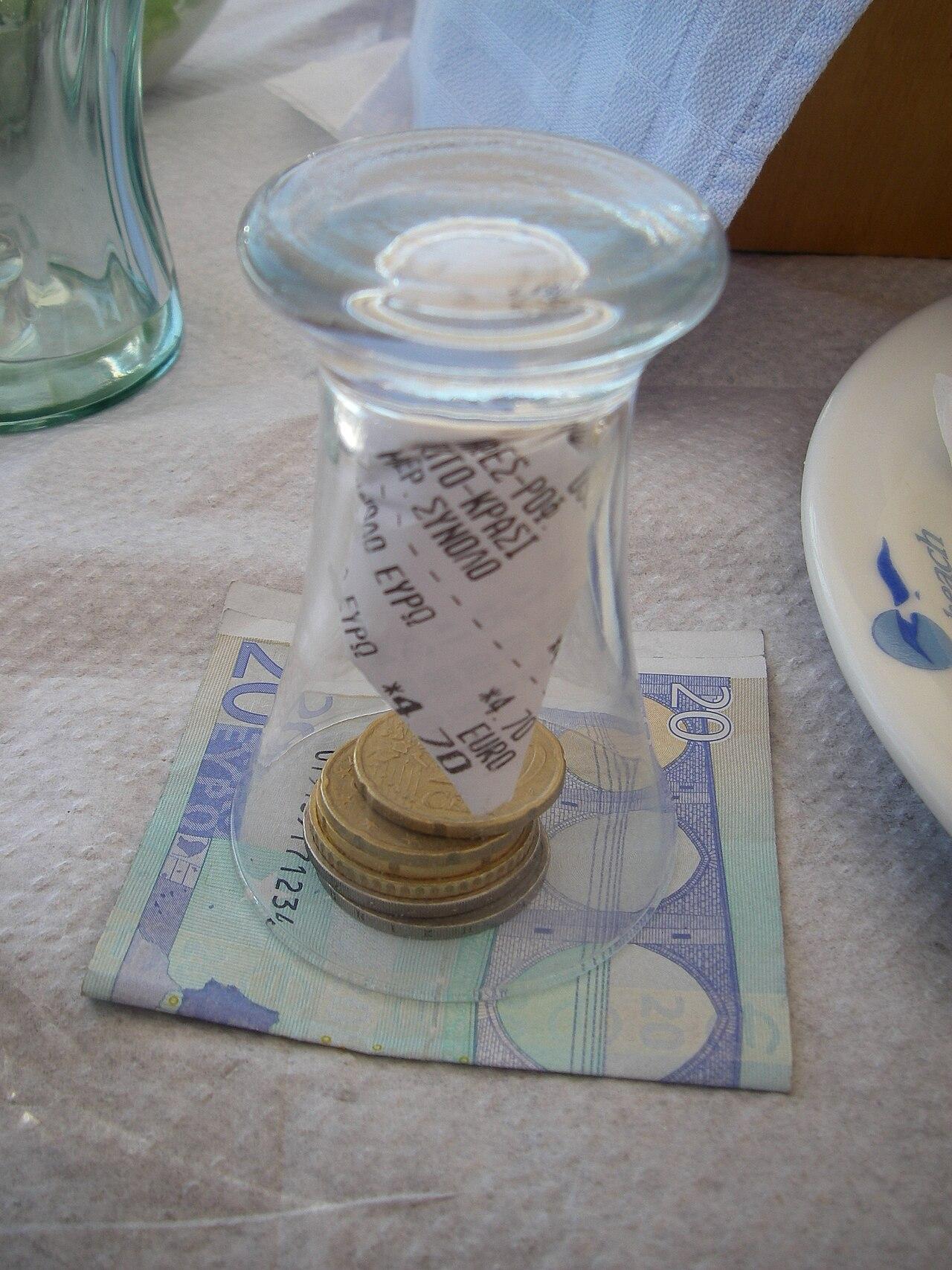
Photo: Daniel Lobo / Wikimedia Commons, CC BY 2.0
How to run the ledger without drama
Use one tracker (shared sheet, note, or expense app) with four columns: date, what, who paid, amount and currency. Screenshot card confirmations into a folder the lead can see. Update within a day of each payment so memories stay accurate.
Settle in waves, not only at the end:
1. After flights and hotels are booked: settle deposits so one person is not a bank for a month. 2. Mid-trip: quick balance check after big shared spends. 3. Final night or within three days of return: close the rest.
Currency matters. If you pay in euros and repay in baht or dollars, agree whether you use the card's posted rate, a mid-market rate from a chosen day, or the cash rate someone actually paid at an ATM. Write the rule once. Changing FX logic at repayment time feels like moving the goalposts.
Bank transfer beats leftover cash arguments when amounts are large. For small daily coffees, many groups ignore cents and round to a friendly number at the end of each day. Say which approach you are using.
Worked mini-example
Four friends, shared apartment €800 for four nights, airport van €60, groceries €110, one couple paid a €200 refundable deposit months earlier.
Equal share of shared costs:
- Apartment €800 / 4 = €200 each
- Van €60 / 4 = €15 each
- Groceries €110 / 4 = €27.50 each
- Subtotal per person before deposit timing: €242.50
If Alex paid the €800 and the €60, and Sam paid groceries plus floated the €200 deposit (later refunded to Sam by the host), the mid-trip settlement moves money so Alex and Sam are not carrying the float. The deposit refund is Sam's alone once it returns; it should not be split unless the group funded it.
Numbers like these are why "we will figure it out later" fails. Later, nobody remembers who bought the third grocery run.
Special cases that need a pre-agreed line
Different arrival days. Someone skipping the first night should not pay an equal share of that night unless they agreed to. Prorate lodging by nights actually used.
One person earns much less. Equal share can exclude them from the trip. Alternatives: cheaper room assignment, a stated subsidy from others (gifted, not "loaned" with resentment), or a destination that fits the lowest budget. Charity that is unspoken becomes tension.
Couples vs singles. A couple taking a private bedroom while two singles share a twin should not always pay 25% each for the apartment. A 30/30/20/20 or 35/35/15/15 style split is fine if written down first.
Cancellation. If the group bought a non-refundable activity and one person drops out, decide whether the leaver still owes their share. Default many groups use: yes for non-refundable shared bookings made after they agreed, no for optional extras not yet bought.
Who pays the first deposits
Hotels and villas often want a card months ahead. Decide whether:
- One person pays and others transfer their share within 48 hours
- You use a platform that splits the hold when the product allows it
- Each adult pays a separate room when the property supports it
Speed of repayment matters more than who has the points card. If the payer waits three weeks for transfers, they are subsidising the trip. Put the repayment deadline next to the booking reference in the shared plan.
For flights, prefer separate tickets when ages, airports or return dates differ. Joint tickets save a few clicks and create messy refunds when one person changes plans.
Cash on the ground
Agree a float for taxis, market snacks and toilet fees. Options that usually work:
- One person carries a small cash float and logs it like any other shared expense
- Everyone loads the same local payment app where that is realistic
- Daily equal cash contribution into a shared envelope for tiny spends, topped up as needed
Do not mix personal ATM withdrawals into the shared float without a note. A €200 cash pull for souvenirs is not a group cost.
When tipping norms differ inside the group, write a simple line: "we tip X% at sit-down meals when service is not included" or "we follow local rounding on casual eats." Silence here produces side comments later.
Tools and habits that help
Expense apps (Splitwise-style tools, bank split features, or a plain spreadsheet) only work if everyone logs. Appoint one person to nudge missing entries every couple of days. That role is clerical, not moral judge.
Photograph paper receipts in daylight before they fade. Card push notifications are fine for amount and date; they rarely show the merchant clearly abroad, so add a one-word label in the ledger ("apartment deposit", "airport van", "breakfast groceries").
For the wider planning sequence that sits around money, use how to plan a group trip and keep the itinerary in a group trip planner so cost notes live next to days and names. City outlines such as 4 days in London or 3 days in Bangkok help the group argue about days instead of vague vibes. RoamerPlanner is useful for the shared day view; keep the payment ledger beside it, not buried in chat screenshots.
Cautions
Do not put a whole group's flights on one credit card for points without written repayment dates. Float risk is real if someone delays.
Do not assume Venmo, PromptPay, PayNow or bank apps work the same for every nationality. Check fees for cross-border transfers before you promise "instant."
Do not police every coffee. A rule that needs forensic receipt photos for a €3 pastry will cost more goodwill than money.
What is the fairest way to split travel costs in a group? The fairest method is the one you agree before booking. Equal share of shared costs is the default; adjust for rooms, arrival dates and optional activities in writing.
Should meals always be split evenly? Only if appetites and alcohol spend are similar. Otherwise pay-your-own dining with shared groceries often feels cleaner.
When should we settle? After big prepaid bookings, once mid-trip, and once within a few days of returning. Waiting for "someday" is how friendships absorb interest in the form of annoyance.
Sources: method guidance is process advice used in group travel planning (no single regulator sets split rules). Euro example figures are illustrative arithmetic, not a live booking. Cross-border payment fees vary by bank and app; check your provider before travel. Related planning sequence on RoamerPlanner group-trip resources. Checked 4 November 2026.
Trips you can copy
Ready-made day-by-day plans for this place. Copy one for free and change it to fit your trip.
Turn this into a plan
Ready to turn this into a real itinerary? Plan it in RoamerPlanner.
Start your own plan, no account neededBrowse sample trips