How to Choose Where to Stay in Any City (A 5-Question Method)
November 13, 2026
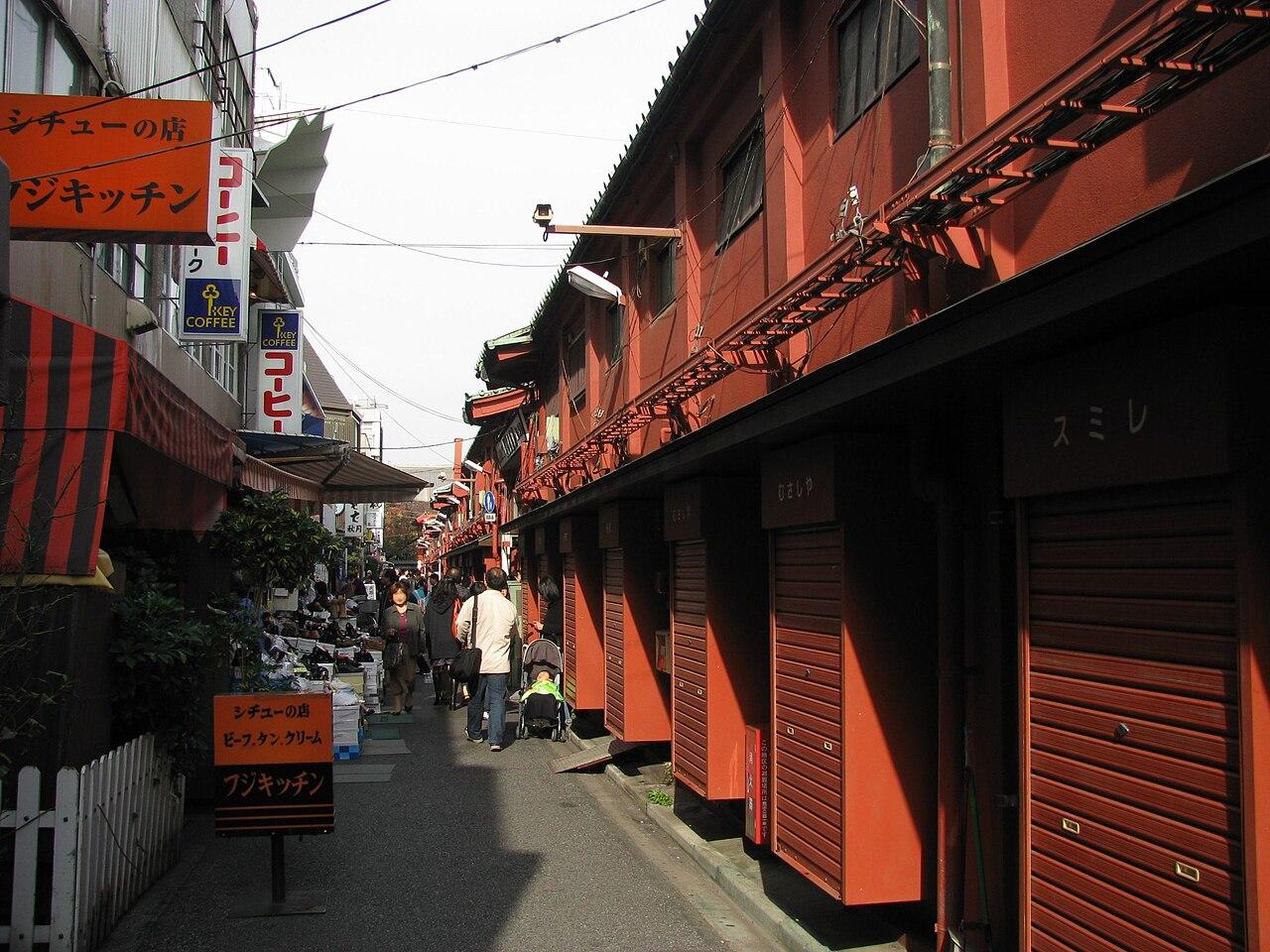
How to choose where to stay in a new city is less about finding the “best” neighbourhood and more about answering five practical questions before you compare hotels. Use the same method in Tokyo, Seoul, Paris or Bangkok and you will shortlist faster, with fewer regrets on day two.
Photo: Aimaimyi / Wikimedia Commons, CC BY-SA 3.0
How to choose where to stay: the five questions
Write the answers down before you open a booking tab:
1. What is the first big thing you will do on day one? Stay near that, or on a direct transit line to it. 2. How many times will you return to the room each day? Nap-heavy trips need quieter streets; out-all-day trips can trade noise for transit. 3. Will you carry luggage through stairs and long walks? Prioritise elevators and station distance over charm. 4. Do you need late food within a short walk? Not every pretty district has it. 5. Is this a base for day trips or a walkable city break? Bases want rail stations; walkable breaks want density.
If two neighbourhoods both pass the five questions, pick the one with simpler airport or station arrival. Arrival friction shapes the whole first evening.
Map the stay against the itinerary, not the other way around
Pin your must-see stops for each day, then draw a rough triangle of walking or transit time. The hotel should sit inside or beside that triangle for most days, not on the far corner of the city for a cheaper rate. A lower nightly price that adds an hour of transfers twice a day is not cheaper in practice.
For multi-city trips, repeat the five questions per city. A great Shinjuku base does not automatically mean you should copy the same “busy station hotel” pattern in a smaller town.
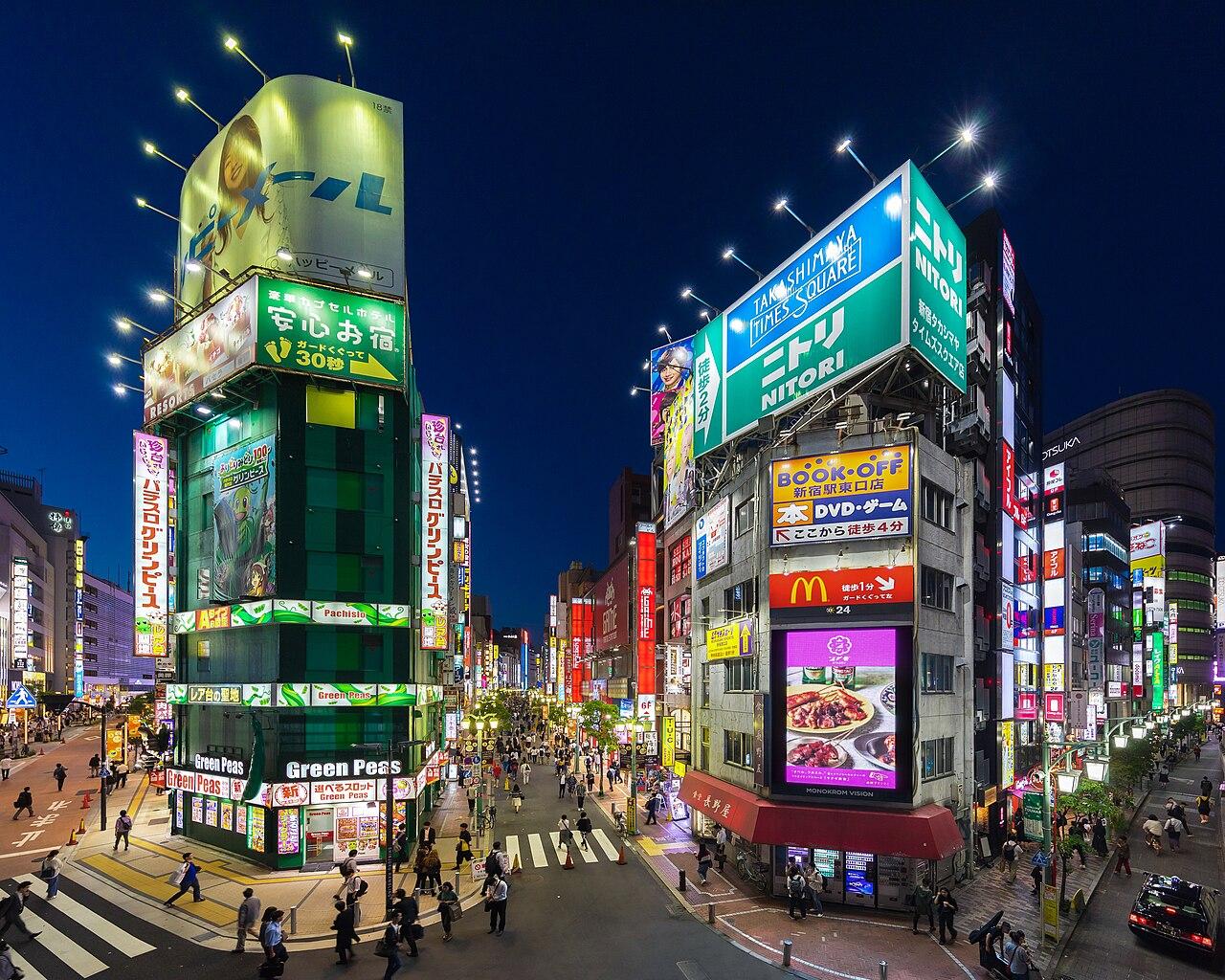
Photo: Basile Morin / Wikimedia Commons, CC BY-SA 4.0
Transit first, vibe second
Tourism copy sells vibe. Your mornings sell transit. Check:
- Walking minutes to the station you will actually use
- Whether that line is the one that reaches your main sights without awkward transfers
- Night service or taxi reality if you will be out late
- Airport or long-distance station access on arrival and departure days
In cities with strong metros (Tokyo, Seoul, Paris, Singapore), a one-transfer location can beat a “closer on the map” hotel that forces a slow bus. In cities where taxis are cheap and metros are crowded with luggage, a pricier room beside your first sight can be the calmer buy.
Noise, light and sleep
Read recent guest comments for street noise, thin walls and early rubbish collection. Corner rooms on main avenues look convenient on a map and sleep poorly. Ask whether the room has blackout curtains if you arrive jet-lagged. Families should check lift size and whether breakfast hours match children’s wake times.
If sleep is the scarce resource, pay for quiet before you pay for a view.
Budget without false savings
Set a nightly ceiling that includes taxes and breakfast decisions. Then compare three shortlists only:
- Best fit inside the itinerary triangle
- Best fit one notch cheaper outside the triangle
- One wild-card boutique or apartment
Drop the wild card if luggage, visas or check-in rules are complicated. Apartments need clearer arrival instructions and rubbish rules; hotels cost more but reduce decision load on short stays.
Family and group variants
Families: space to nap beats nightlife. Laundry access matters after day three. Two connecting rooms can be worth more than one large room if bedtime differs by age.
Friends groups: split across two nearby hotels if budgets differ, rather than forcing one person into a price they resent. Agree the neighbourhood first, then the property.
Solo travellers: evening walking safety and late food matter more than square footage.
Worked examples (same method, different cities)
Tokyo first trip. If day one is east-side temples, Asakusa or Ueno shortens the first evening. If day one is west-side shopping and dinner, Shinjuku or Shibuya cuts transit. See where to stay in Tokyo first time and the 5 days in Tokyo plan after you answer the five questions.
Seoul. Palace mornings favour central or Jongno-adjacent stays; a Lotte World day favours Jamsil. Match the hotel to the heaviest ticketed day, not to a neighbourhood you only visit for one dinner. Pair with 3 days in Seoul.
Paris. If museum days dominate, stay near a Metro hub that reaches both banks without long walks with children. If food-led evenings dominate, prioritise late-open streets over a quiet residential bargain far from your dinner plans. The 3 days in Paris outline helps test the triangle.
Booking sequence that avoids rework
1. Answer the five questions. 2. Shortlist two neighbourhoods only. 3. Filter for cancellation rules that match your flight risk. 4. Book the stay. 5. Only then lock hard-to-change attraction tickets that depend on geography.
Reversing that order is how people end up with a Disney morning and a hotel on the opposite side of town.
Red flags on listings
- Walking times that assume empty sidewalks and no luggage
- “Quiet residential” with no late food when you land after 21:00
- Host check-in windows that conflict with your flight
- Scores that collapsed in the last three months for noise or mould
- Prices far below the street that shift all cost into mandatory fees
FAQ
Should I stay near the main station? Yes if you take many day trips. Maybe not if every day is a walkable historic core far from that station.
Is the city centre always right? Only if your itinerary triangle sits there. Some centres are loud and awkward with luggage.
When is an apartment worth it? Stays of five nights or more, cooking needs, or separate sleeping spaces. Short city breaks usually favour hotels.
How early should I book? As soon as flights are firm for peak season; later is fine for flexible shoulder dates if cancellation is free.
After you book
Add the hotel address to your day plans the same day you pay. Confirm the airport transfer method, check-in time and luggage storage for early arrivals. If a key attraction ticket only makes sense from that base, buy it next. If the ticket forces a different neighbourhood, you answered the five questions too loosely and should rethink before cancellation windows close.
Bring the method into the trip plan
Drop candidate neighbourhoods onto the same map as your day plans in RoamerPlanner. If the pins only look good when you ignore transit times, keep searching. The goal is a stay that makes the itinerary easier, not a stay that forces the itinerary to bend.
One-page checklist before you pay
- Five questions answered in writing
- Two neighbourhoods only on the shortlist
- Walking time to the station you will use, tested on a map at pedestrian speed
- Cancellation rule matches flight risk
- Quiet enough for your sleep needs
- Late food within a short walk on arrival night
- Luggage path does not depend on a long stair-only exit
If any line fails, keep looking. Booking faster is not better when the stay fights the plan.
Also compare against city-specific notes you already trust, such as Kyoto vs Osaka where to stay, when your trip spans more than one base.
Sources
Method post based on planning patterns across RoamerPlanner itinerary pages (Tokyo, Seoul, Paris) and common booking failure modes; no dated ticket prices required. Re-check neighbourhood transit maps on the week you book.
Cover photo: Aimaimyi / Wikimedia Commons, CC BY-SA 3.0
Trips you can copy
Ready-made day-by-day plans for this place. Copy one for free and change it to fit your trip.
Turn this into a plan
Ready to turn this into a real itinerary? Plan it in RoamerPlanner.
Start your own plan, no account neededBrowse sample trips