Family Trip Planning: Build Days Around Naps and Meals
November 8, 2026
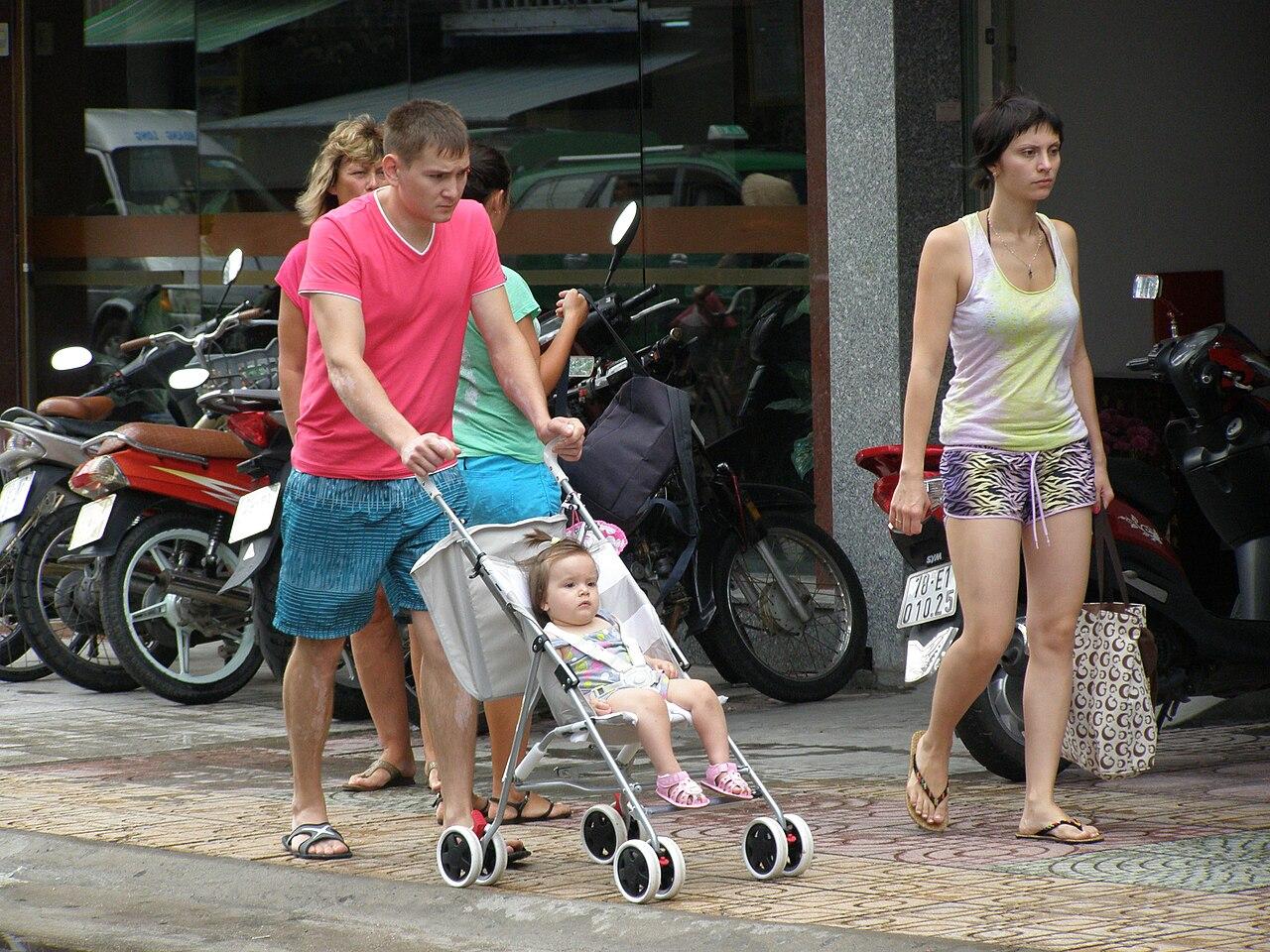
Family trip planning falls apart when the day is built like an adults-only city break. Nap windows, meal timing and transit stamina decide more than the attraction list. Book the hard tickets only after you know when younger travellers actually function, or you will pay for entries you cannot use.
Family trip planning: start from energy, not landmarks
Write the household's real daily rhythm before you open a map. Note wake time, morning peak, afternoon crash and usual dinner hour. A toddler who sleeps 13:00 to 15:00 cannot do a 14:00 museum slot. A teen who is useless before 10:00 should not be promised a 08:30 temple queue.
Use that rhythm as a hard filter:
- Morning: one ticketed highlight that needs an early start, or outdoor walking while heat and crowds are lower
- Midday: food within a short walk of somewhere you can sit, then rest (hotel, shaded park, quiet cafe, or a long lunch)
- Late afternoon: a second short activity or free wandering, not another major ticket
- Evening: transit back before meltdown hour, or a near-hotel dinner
If a city's famous sights only work as back-to-back morning blocks, that city needs more days, not a louder alarm.
Build days that survive small humans
Cap the must-do list at one paid highlight per day for under-eights, two at most for older kids who like museums. Everything else is optional filler you can drop when someone is hungry or overloaded.
Transit rules of thumb that save days:
- Prefer stays near a metro or BTS/MRT-style line you will actually use, even if the room rate is higher. A 20-minute walk to the station twice a day with a stroller is a different trip from a 5-minute walk.
- Budget transfer time honestly. Airport to hotel with kids often takes 90 minutes door to door in Bangkok or London once you include waiting, tickets and toilet stops.
- Avoid stacking a long day trip on the day after a long-haul arrival. Jet lag plus a coach tour is how family holidays start with tears.

Hotel choice is part of the itinerary. A kitchenette or fridge cuts snack emergencies. Two rooms or a connecting option matters more than a rooftop pool you will visit once. Ground-floor access or a reliable lift matters with a stroller.
Meals are schedule anchors
Treat lunch and dinner times as fixed appointments, then place sights around them. In cities where restaurants close between lunch and dinner (common in parts of Europe), a late museum exit can leave you with supermarket sandwiches and a frustrated group.
Practical patterns:
- Big breakfast at the hotel when mornings start early
- Lunch by 12:30 if younger kids unravel after 13:30
- Carry water and a small snack even when you plan restaurant meals; queues run long
- One "easy food" neighbourhood near the hotel for evenings when nobody wants another adventure
Food courts, hawker centres and casual canteens are not a downgrade on a family trip. In Singapore and Bangkok they are often faster and cheaper than sit-down places with waits. See Singapore with kids and Bangkok with kids for day shapes that leave room to eat.
Sample day shapes (adapt, do not copy blindly)
Museum city (Paris, London, Rome). Morning timed entry, lunch nearby, park or open square after, early return. Save a second museum for another day. The Louvre or Vatican Museums as a full-family afternoon after a rushed morning is a common regret.
Hot outdoor city (Bangkok, parts of Bali). Outdoor temples or markets early, air-conditioned break late morning, pool or rest, light evening walk when the heat drops. Midday outdoor queues are a planning error, not toughness.
Train day trip. Leave after breakfast, arrive by mid-morning, one main site, sit-down lunch, back before dinner. If the round trip exceeds three hours each way, question whether an overnight is kinder.
For ready outlines you can thin out, use 3 days in Bangkok, 4 days in London or 3 days in Paris, then delete half the stops.
Booking order that reduces stress
1. Flights that land at a humane hour if you can pay the difference. A midnight arrival with no sleep is expensive in other ways. 2. Accommodation with laundry access on trips longer than five nights. 3. The one or two timed tickets that sell out (popular museums, team experiences, zoo peak slots). 4. Transit passes or contactless setup researched before you land. 5. Everything else left flexible.
Do not prepay every lunch. Do prepay the things that create queue disasters.
Honest trade-offs: theme parks and huge museums look "family friendly" in marketing and still demand adult-level stamina. Shorter visits with an exit plan beat full-day tickets you feel obliged to finish. Stroller-heavy cobblestones (central Rome, parts of Lisbon) mean more carrying than the guidebook photos suggest.
Shared planning without a 40-message argument
Give each adult a role: tickets, lodgings, daily food plan, or backup activities for rain. Keep one shared day view so nap times stay visible. A family trip planner is built for that layout; the same habit sits behind how to plan a trip day by day. Put the plan in RoamerPlanner so flight times and rest blocks sit on the same timeline.
If grandparents or teens join with different pace needs, split for a morning and reconvene for a late lunch. Forcing one pace all day is how someone becomes the villain of the trip.
Packing and gear that affect the day plan
Pack for the climate you will actually meet at child height: sun hats in tropical cities, layers where mornings are cold and museums are warm. A compact rain cover for the stroller matters more than a fourth pair of adult shoes. For cabin limits on short trips, start from a travel packing checklist and steal space for snacks and a change of clothes.
Medications, thermometer and any prescription copies belong in the bag you keep with you, not in checked luggage that can lag a day.
How early should we book family museum tickets? As soon as your travel dates are fixed for the one or two sights that sell out. Leave lesser entries flexible so illness or nap mutiny does not waste fees.
Is a day trip realistic with young kids? Yes when total transit stays short and the site has food and toilets. Long scenic trains are adult entertainment wearing a family label.
Should we stay central or near a park? Central wins if walking distance to dinner matters. Near a park wins if you need daily outdoor reset space. In large cities, a one-transfer metro stay next to a playground can beat a "perfect" address with no open space.
Sources: day structures cross-checked against RoamerPlanner family-oriented itineraries for Bangkok, Singapore, London and Paris; museum and heat timing based on typical official opening patterns (verify timed tickets on the venue site for your dates). No single government standard sets nap-based itineraries; treat the rhythm rules as planning method, not regulation. Checked 4 November 2026.
Cover photo: RG72 / Wikimedia Commons, CC BY-SA 4.0
Trips you can copy
Ready-made day-by-day plans for this place. Copy one for free and change it to fit your trip.
Turn this into a plan
Ready to turn this into a real itinerary? Plan it in RoamerPlanner.
Start your own plan, no account neededBrowse sample trips