Sakurajima Guide: Ferry, Volcano Views and 2 Days in Kagoshima
November 15, 2026
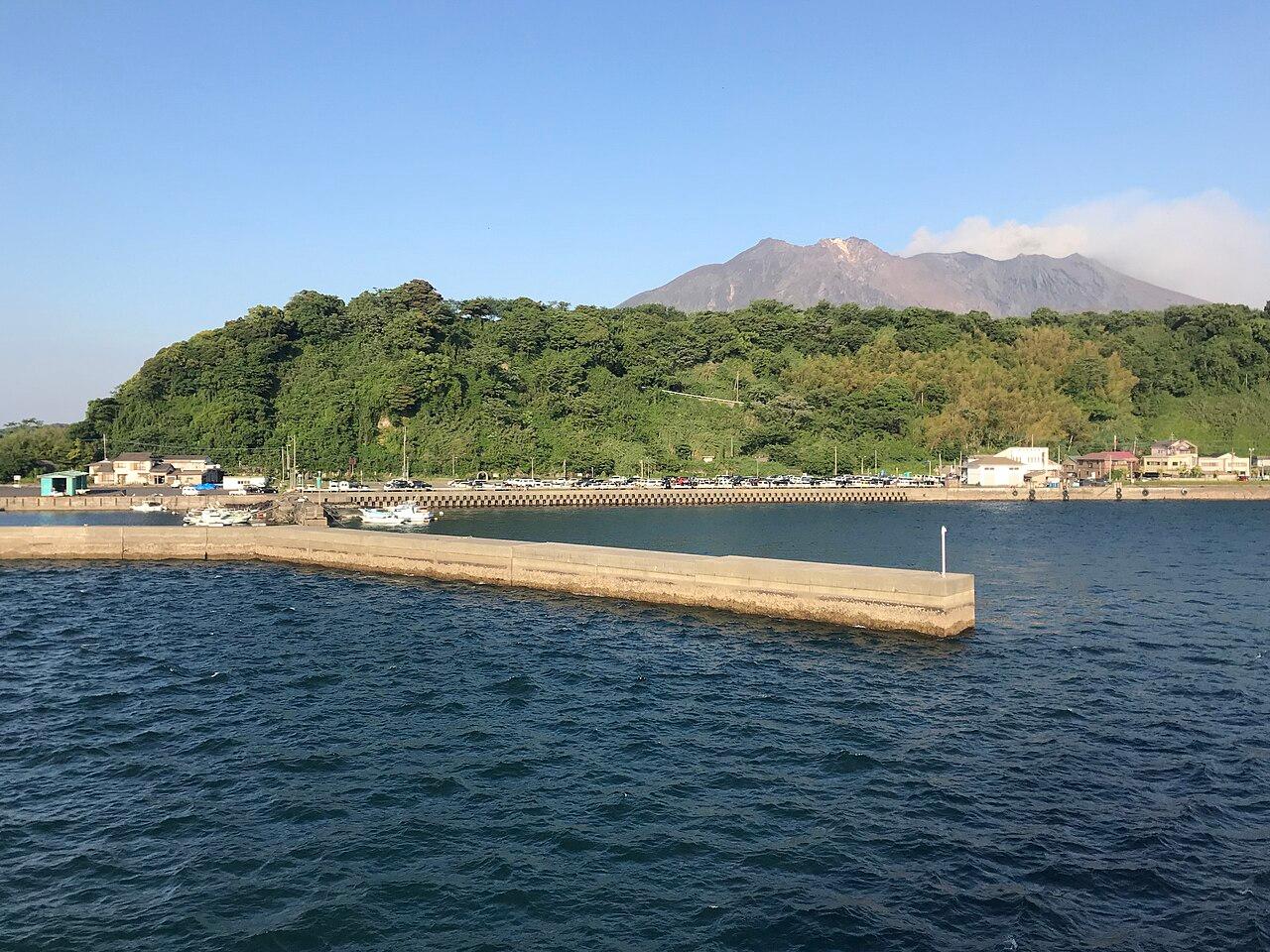
Sakurajima is one of Japan's most active volcanoes, and it sits right across the bay from Kagoshima city, a 15-minute ferry ride from the downtown port. You cannot climb it, but you can ride the ferry, take a loop bus to lookouts on its slopes and watch it steam from the city, all in one easy day.
Kagoshima is the southern end of the Kyushu Shinkansen, so it fits at the end of a Fukuoka and Kumamoto route. This guide covers the ferry, the current volcano status, what to see on the island and a simple two-day plan for Kagoshima.
Sakurajima today: what the volcano status means
Sakurajima erupts small amounts of ash most weeks and sometimes several times a day. The Japan Meteorological Agency has kept it at Volcanic Alert Level 3 since July 2022, which means no entry within about 2 km of the Minamidake summit crater and the Showa crater. That zone covers the upper slopes only. Ferries, roads, lookouts and villages lower down stay open as normal.
In practice, this is what to expect:
- No summit hikes. Nobody is allowed near the craters, and there are no guided summit tours.
- Lookouts are open. Yunohira Observatory, the highest point the public can reach, stays open under Level 3.
- Ash happens. Which side gets ash depends on the wind. In winter the wind usually blows ash away from the city toward the east of the bay, while in summer Kagoshima city gets ash more often.
- Plans can change. Larger eruptions occasionally close roads on the island for a short time. Check the JMA and Kagoshima City notices on the morning you go.
If a little ash falls while you are out, a cap, sunglasses and a light mask make it more comfortable. Locals also carry umbrellas on ashy days.
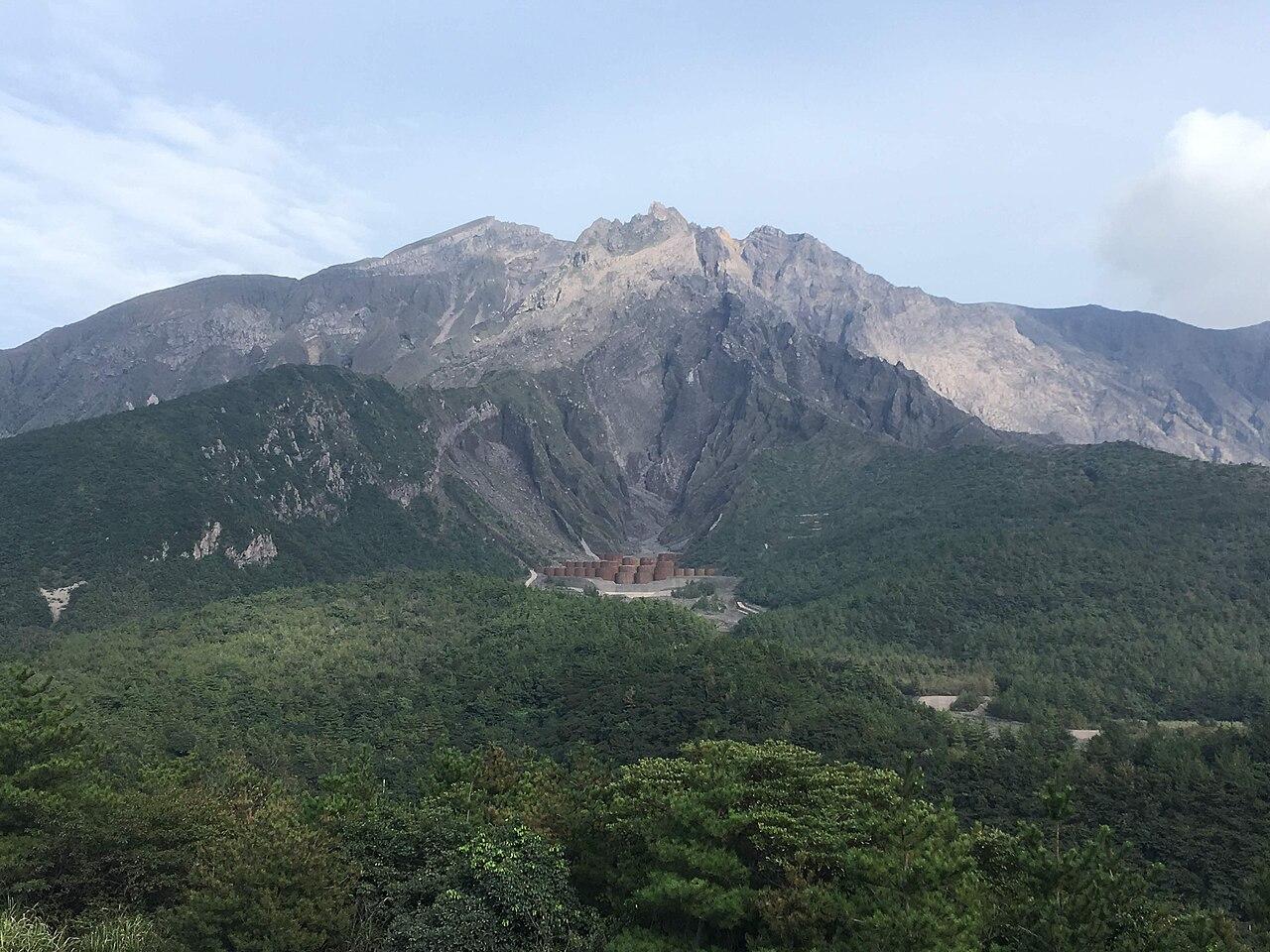
Photo: Christophe95 / Wikimedia Commons, CC BY-SA 4.0
The Sakurajima ferry
The city-run Sakurajima Ferry links Kagoshima Port, near the Aquarium, with Sakurajima Port on the west side of the island.
- Crossing: about 15 minutes, a little longer in rough seas.
- Fare: 250 yen one way for adults and 130 yen for children. You do not buy a ticket before boarding. Everyone pays at Sakurajima Port, whichever way you are travelling.
- Payment: cash, transport IC cards and contactless credit cards are accepted.
- Hours: the ferry no longer runs 24 hours. Since October 2025 it runs from about 4:00 to 23:30, with boats every 15 to 20 minutes in the daytime. The last boat back from the island leaves before the last one from the city, so check the timetable if you plan an evening on the island.
The boat has an outdoor deck that gives the best view of the volcano.
To reach the ferry terminal from Kagoshima-Chuo Station, take a city bus or a tram toward Kagoshima Station and walk a few minutes from the Suizokukan-guchi stop.
Getting around the island
The Sakurajima Island View bus is the easiest way to see the west side of the island without a car. It loops from the ferry port to the visitor centre, the Akamizu area and Yunohira Observatory and back.
- It runs about every 30 minutes from mid-morning to late afternoon.
- A full loop takes just under an hour.
- A one-day ticket costs 500 yen for adults and lets you hop on and off at any stop.
If you want to see the east side, such as the Kurokami buried torii gate that was half covered by the 1914 eruption, you need a car, a rental bike with a lot of stamina or a tour. The island is about 50 km around, and buses on the east side are infrequent.
What to see on Sakurajima
- Sakurajima Visitor Centre: a short walk from the port, with clear displays on the volcano's history, including how the 1914 eruption joined the island to the Osumi Peninsula.
- Nagisa Park foot bath: a long, free foot bath fed by hot spring water, right by the sea with a view of the volcano.
- Nagisa lava trail: a flat coastal walk across old lava fields.
- Yunohira Observatory: the closest public view of the summit, with the city and the bay on the other side. Entry is free.
- Arimura Lava Observatory: on the south side, with paths through black lava and a clear view of the active craters on good days.
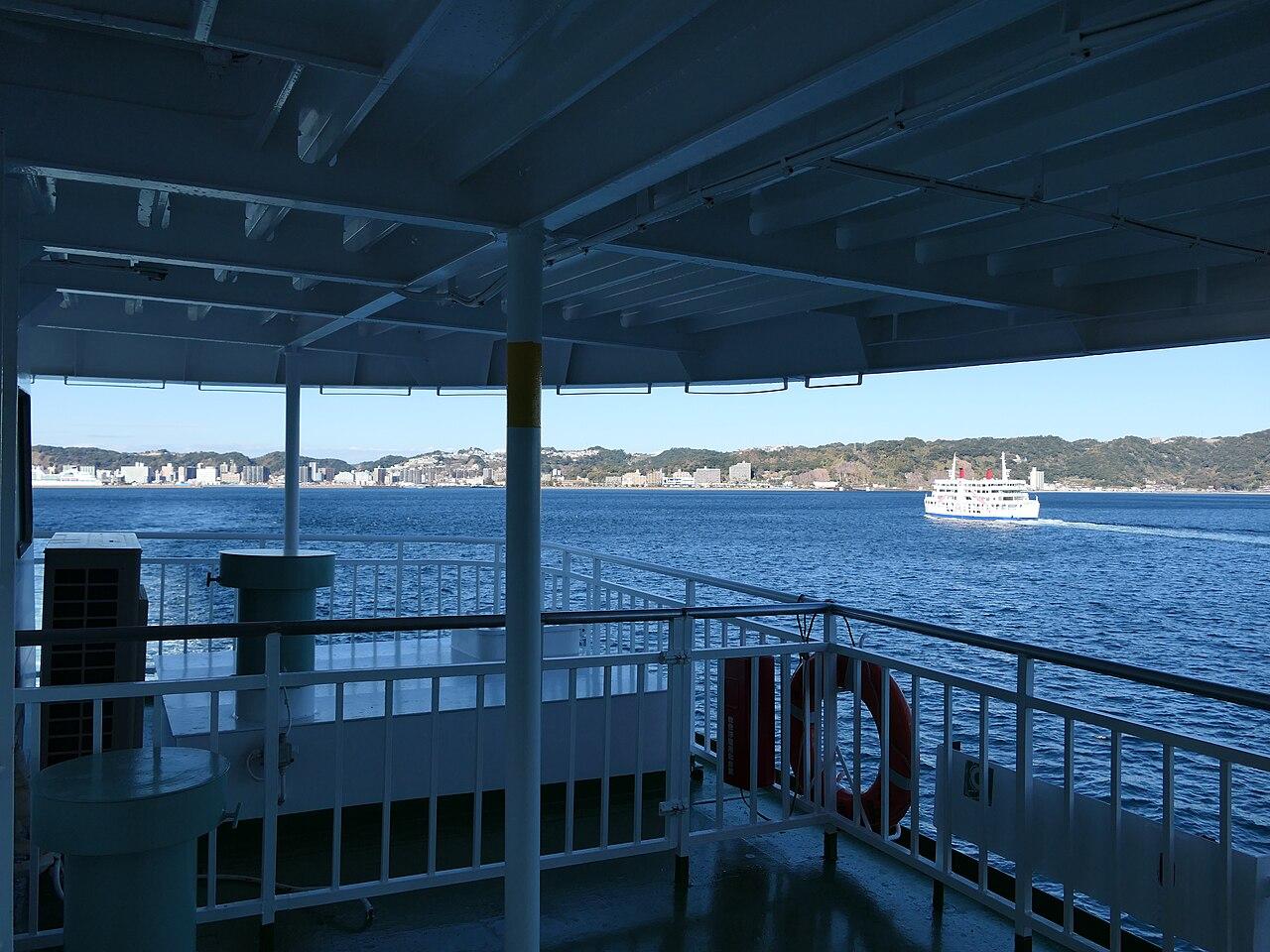
Photo: Hyppolyte de Saint-Rambert / Wikimedia Commons, CC BY 4.0
Kagoshima city highlights
The city side is worth a full day on its own.
- Sengan-en: the former garden villa of the Shimazu lords, with Sakurajima as its borrowed backdrop. Entry is 1,600 yen for adults, and it is open daily from 9:00 to 17:00. Allow two hours.
- Shiroyama Observatory: a hill in the city with a free lookout over the downtown area and the volcano. It is a good stop at sunset.
- Tenmonkan: the main shopping and dining district. Try kurobuta (Kagoshima black pork), local shochu and shirokuma, a shaved ice dessert topped with fruit and condensed milk.
- City View bus: a loop bus that links Kagoshima-Chuo Station with Sengan-en, Shiroyama and the port area.
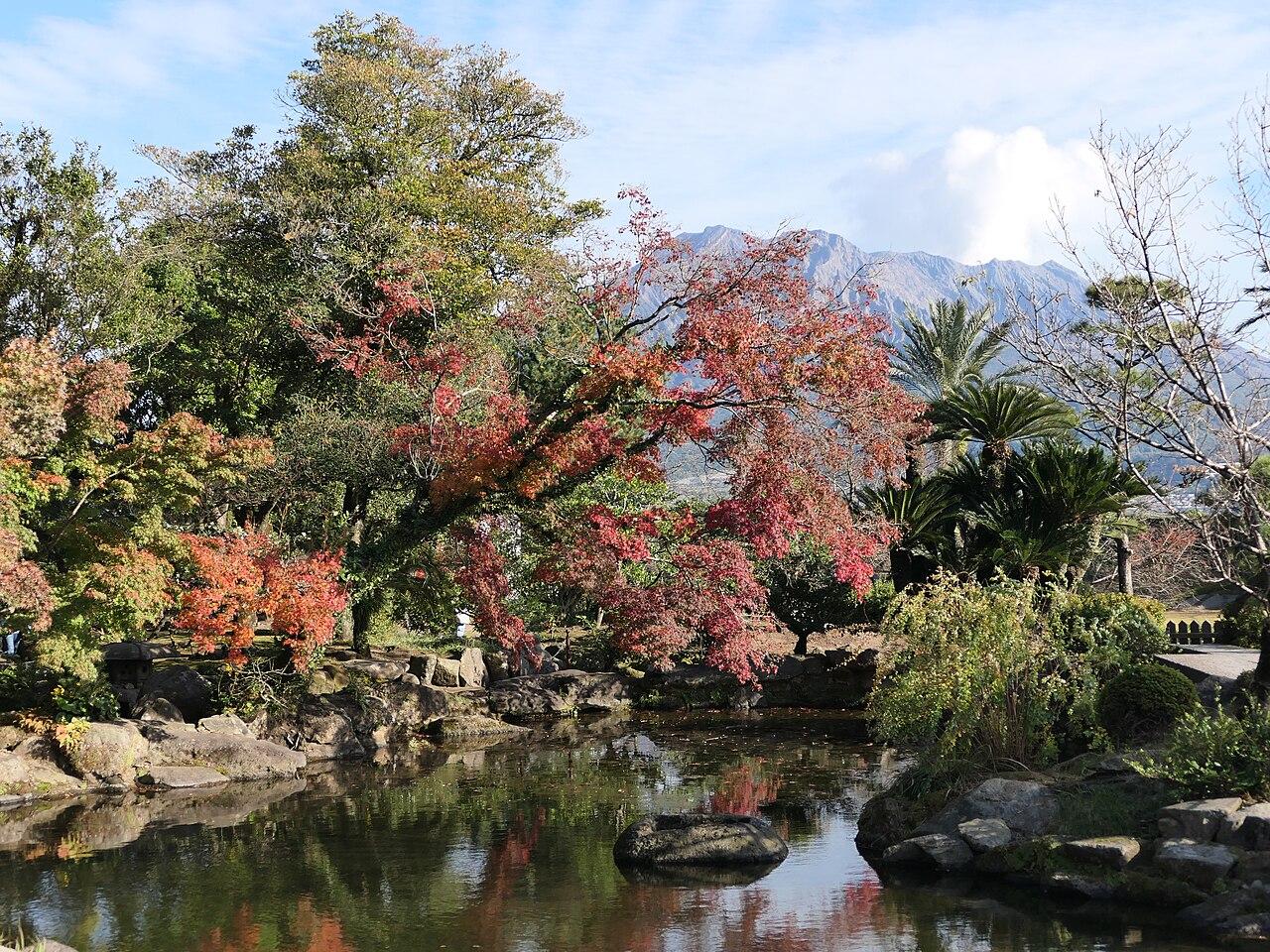
Photo: Hyppolyte de Saint-Rambert / Wikimedia Commons, CC BY 4.0
A 2-day Sakurajima and Kagoshima plan
Day 1: Kagoshima city
- Morning: arrive at Kagoshima-Chuo Station by shinkansen. Drop bags and take the City View bus to Sengan-en.
- Afternoon: walk the garden and the shops next to it, then head to the port area or the Kagoshima City Aquarium if you have children with you.
- Sunset: Shiroyama Observatory for the view of Sakurajima as the light fades.
- Evening: dinner in Tenmonkan, with black pork shabu-shabu or tonkatsu.
Day 2: Sakurajima
- Morning: check the volcano notices, then take the ferry. Sit on the deck facing the island.
- Late morning: visitor centre and the Nagisa Park foot bath. Walk part of the lava trail.
- Midday: ride the Island View bus to Yunohira Observatory. Stay for one or two buses if the summit is clear.
- Afternoon: back to the port, ferry to the city and continue your trip. If you have a car, drive the south coast to Arimura and the east side to Kurokami instead.
If you have a third day, Ibusuki at the southern tip of the Satsuma Peninsula is known for its sand baths, where you lie buried in naturally heated sand. It is about an hour by train from Kagoshima-Chuo.
Fitting Kagoshima into a Kyushu trip
Kagoshima-Chuo is around an hour and a half from Hakata on the fastest trains and under an hour from Kumamoto. A common route runs Fukuoka, Kumamoto and Mount Aso, then Kagoshima. See our 2 days in Kagoshima sample trip and the Kumamoto Castle and Mount Aso plan, which pairs with the 2 days in Kumamoto trip. If Kyushu is part of a longer first visit to Japan, our 14-day Japan itinerary is a good starting frame.
Quick answers
Can you climb Sakurajima? No. At Alert Level 3 there is no entry within about 2 km of the craters. Yunohira Observatory is the highest point open to visitors.
Is it safe to visit Sakurajima? Visiting the lower areas, lookouts and villages is normal and allowed under the current alert level. Follow official notices, because roads can close for short periods after larger eruptions.
Does the Sakurajima ferry run all night? Not any more. Since October 2025 it runs from early morning to late evening, roughly 4:00 to 23:30.
Is one day enough for Sakurajima? Half a day covers the west side by ferry and loop bus. A full day is better if you want the east side or the south coast lookouts.
Line up your ferry, the loop bus times and your onward train in RoamerPlanner so a short island day does not clash with the last shinkansen.
Sources
Kagoshima City Sakurajima Ferry fares and operating hours pages; Kagoshima City Transportation Bureau Sakurajima Island View bus information; Japan Meteorological Agency Sakurajima activity reports (6 and 9 November 2026); Sengan-en official visitor information. Checked 10 Nov 2026.
Cover photo: そらみみ / Wikimedia Commons, CC BY-SA 4.0
ดูบทความและแพลนเที่ยวญี่ปุ่นทั้งหมด
ทริปที่คัดลอกไปใช้ได้
แผนเที่ยวรายวันพร้อมใช้สำหรับที่นี่ คัดลอกได้ฟรีแล้วปรับให้เข้ากับทริปของคุณ
เปลี่ยนบทความนี้เป็นแผนทริป
อยากเอาเรื่องนี้ไปใส่ในแพลนเที่ยวจริงไหม วางแผนต่อใน RoamerPlanner ได้เลย
เริ่มวางแผนของคุณเอง ไม่ต้องสมัครก่อนดูทริปตัวอย่าง