Kumamoto Castle and Mount Aso: A 2-Day Kyushu Plan
November 15, 2026
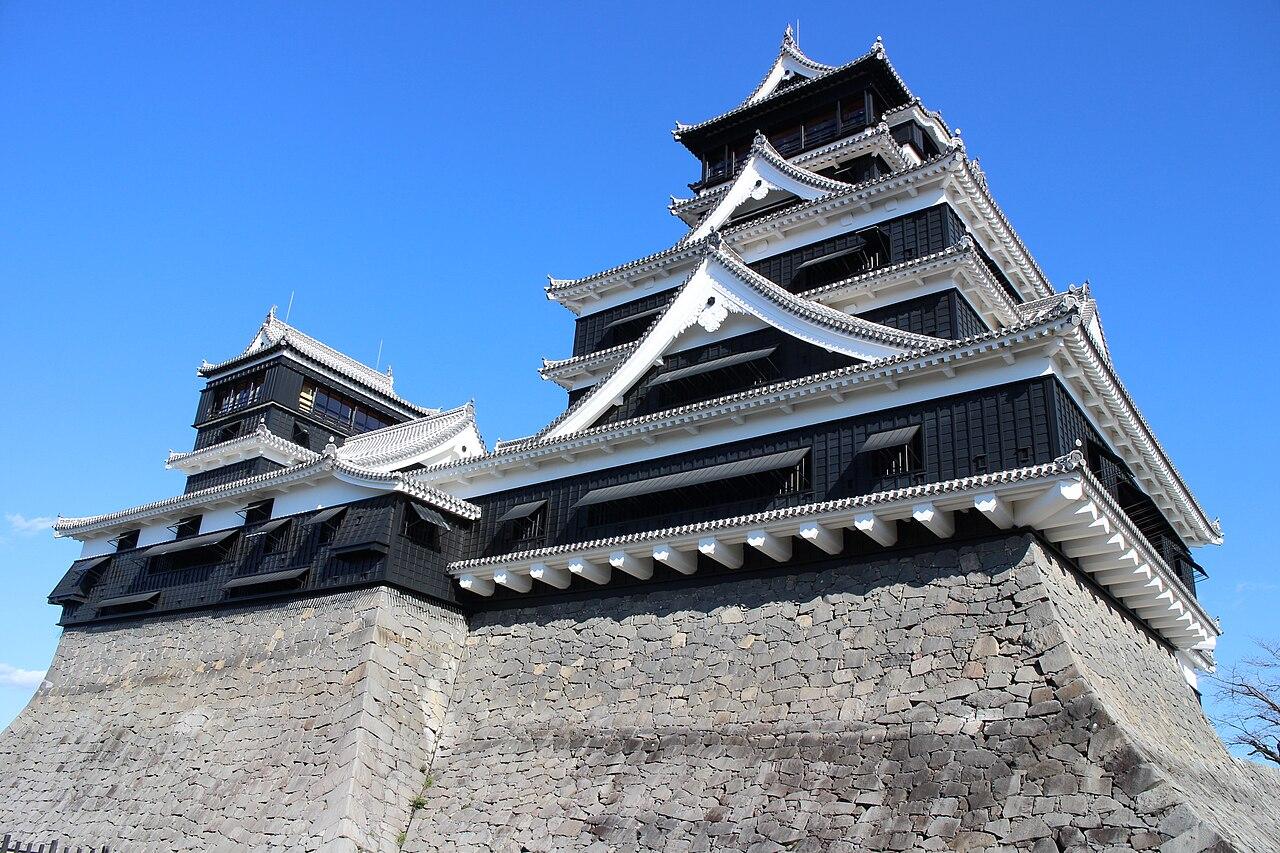
Kumamoto Castle is the reason most people stop in Kumamoto, and the city pairs well with a day out to Mount Aso, the huge volcanic caldera about an hour and a half away by train. The castle keep is fully restored and open, while the Aso crater itself is closed for now, so this plan is built to work whether or not the crater reopens before you go.
Kumamoto sits on the Kyushu Shinkansen line, roughly 35 minutes from Hakata in Fukuoka on the fastest trains. That makes it an easy two-night stop on a Kyushu loop or a side trip from a longer Japan itinerary. Below you will find what to know about the castle today, how to reach Aso without a car, and a simple two-day plan.
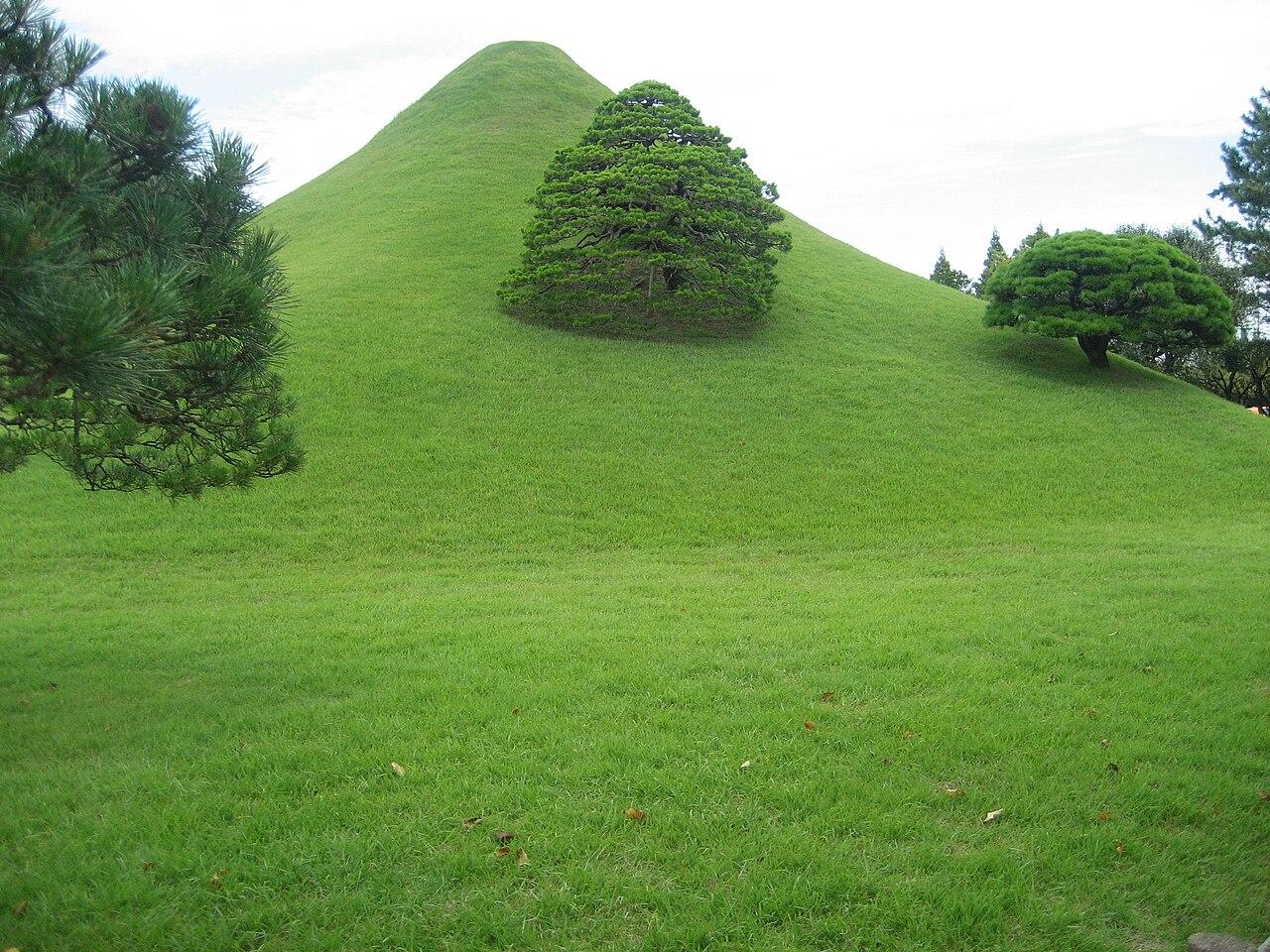
Photo: Edogang1 / Wikimedia Commons, CC0
Kumamoto Castle today: what is open
The 2016 Kumamoto earthquakes badly damaged the castle. Roof tiles fell, stone walls collapsed and many turrets were left leaning. The city chose to rebuild the main keep first, as a symbol of recovery, and that work finished in 2021. Today you can walk the grounds, climb the keep and look out over the city from the top floor.
Repairs on the wider site will go on for many years. Some turrets and walls are still under scaffolding or fenced off, and a few areas you might see in older photos are not part of the visitor route. The castle has turned this into part of the visit, with raised walkways that let you look down on damaged stone walls and the rebuilding work.
Points that are useful when planning:
- Hours: 9:00 to 17:00 for most of the year, with last entry at 16:00. Opening runs later in July and August.
- Closed: only on 29 December, plus days of severe weather.
- Gates: on weekdays you can only enter through the South Gate. On weekends and holidays the North Gate also opens.
- Tickets: 800 yen for high school age and older, 300 yen for younger school children, free for under-sixes. You can buy at the gate, so there is no need to book ahead.
- Luggage: there are no lockers inside the ticketed area and wheeled bags are not allowed in the keep. Leave bags at your hotel or use the paid lockers near the Ninomaru rest area or Josaien.
The castle also lists combo tickets with the Wakuwakuza museum at Sakuranobaba Josaien. Some travel sites reported in 2026 that Wakuwakuza was temporarily closed and combo tickets were off sale, so check the official site before counting on one.
How long to allow
Plan two to three hours for the castle. That covers the walk up from the tram stop, the viewing routes around the restoration work and the exhibits inside the keep, which explain how the castle was built, burned in 1877, rebuilt in 1960 and repaired after the earthquake. Josaien at the foot of the hill has food stalls and souvenir shops if you want lunch nearby.
Weekday mornings are the quietest time. Tour groups tend to arrive later in the morning and around lunch.
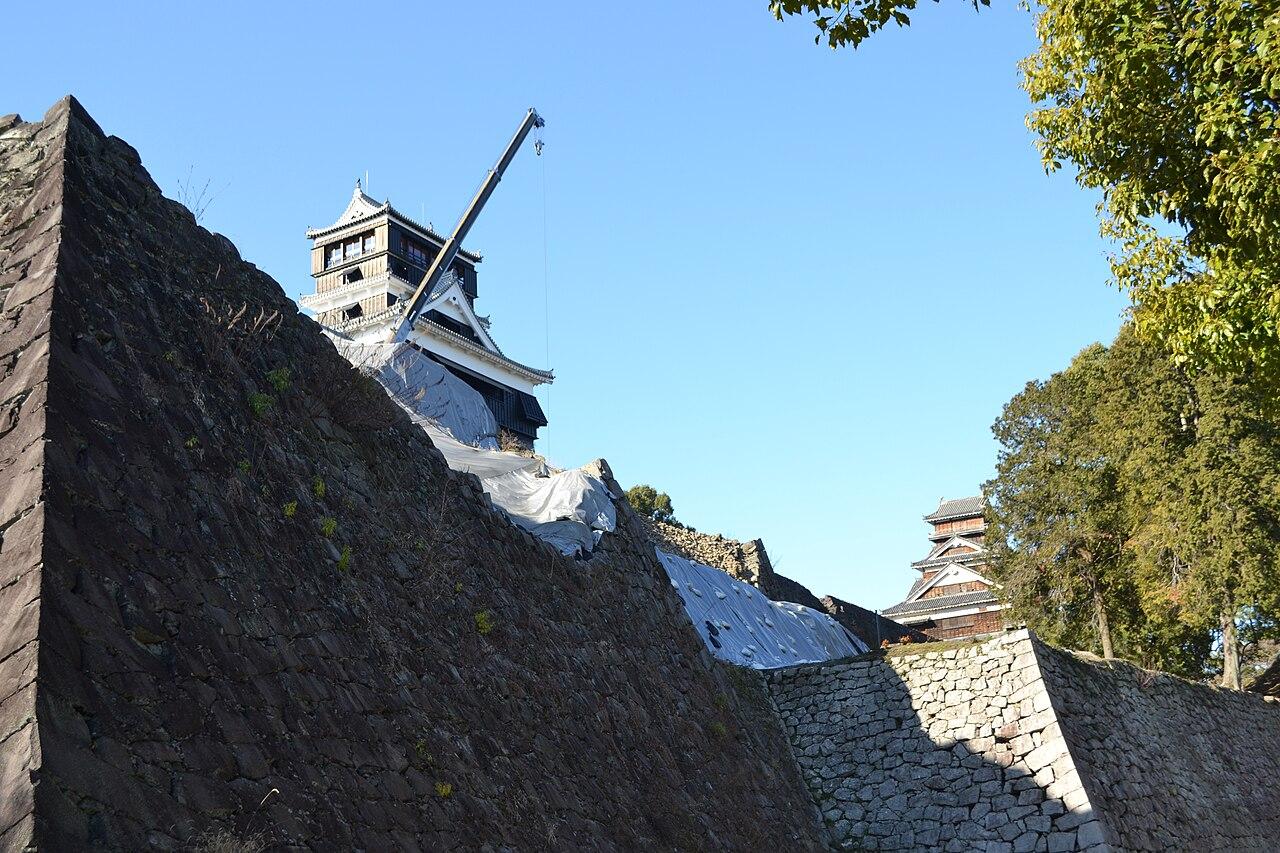
Photo: 先従隗始 / Wikimedia Commons, CC0
Getting around Kumamoto
The city tram is the simplest way to see the sights. It links Kumamoto Station with the castle area (Kumamotojo-mae or Hanabatacho stops) and continues east to Suizenji. Trams are frequent and fares are flat within the city. Payment options for IC and credit cards have changed in recent years, so check the signs at the stop or carry some coins.
The main shopping streets, Shimotori and Kamitori, are a short walk from the castle and are the best area to stay if you want restaurants close by. Staying near Kumamoto Station is handy if you plan an early train to Aso.
Mount Aso without a car
Mount Aso is not one peak but a cluster of volcanic cones inside one of the largest calderas in the world. Farms and small towns sit on the caldera floor, and the outer rim forms a ring of cliffs. Most visitors aim for three things: the Nakadake crater, the Kusasenri grassland and the Daikanbo lookout on the northern rim.
Is the Aso crater open?
At the time of checking, no. The Japan Meteorological Agency has kept Aso at Volcanic Alert Level 2 since 1 September 2026, and entry within about 1 km of the Nakadake crater is banned. The toll road to the rim and the crater shuttle bus are closed. The local volcano council posts the current status every day on its website, and it can change at short notice, both up and down. Even when the crater is open, it can shut for hours because of volcanic gas or bad weather, and people with asthma or heart conditions are not allowed near the rim.
So treat the crater as a bonus, not the point of the day. The caldera views and grassland are what most people remember, and those areas remain open.
Getting there
The JR Hohi Line runs from Kumamoto to Aso Station. The limited express trains take about an hour and a half, and slower local trains take longer. From Aso Station, local buses climb to Kusasenri and the Aso-sanjo terminal, but they run only every hour or two, so line up your return times before you set off.
If you are comfortable driving in Japan, a rental car makes the day much easier. Daikanbo, Kusasenri and the small towns on the caldera floor are far apart, and a car lets you choose the order based on the weather. Day tours from Kumamoto or Fukuoka are the other option, and they usually include both the grassland and a rim lookout.
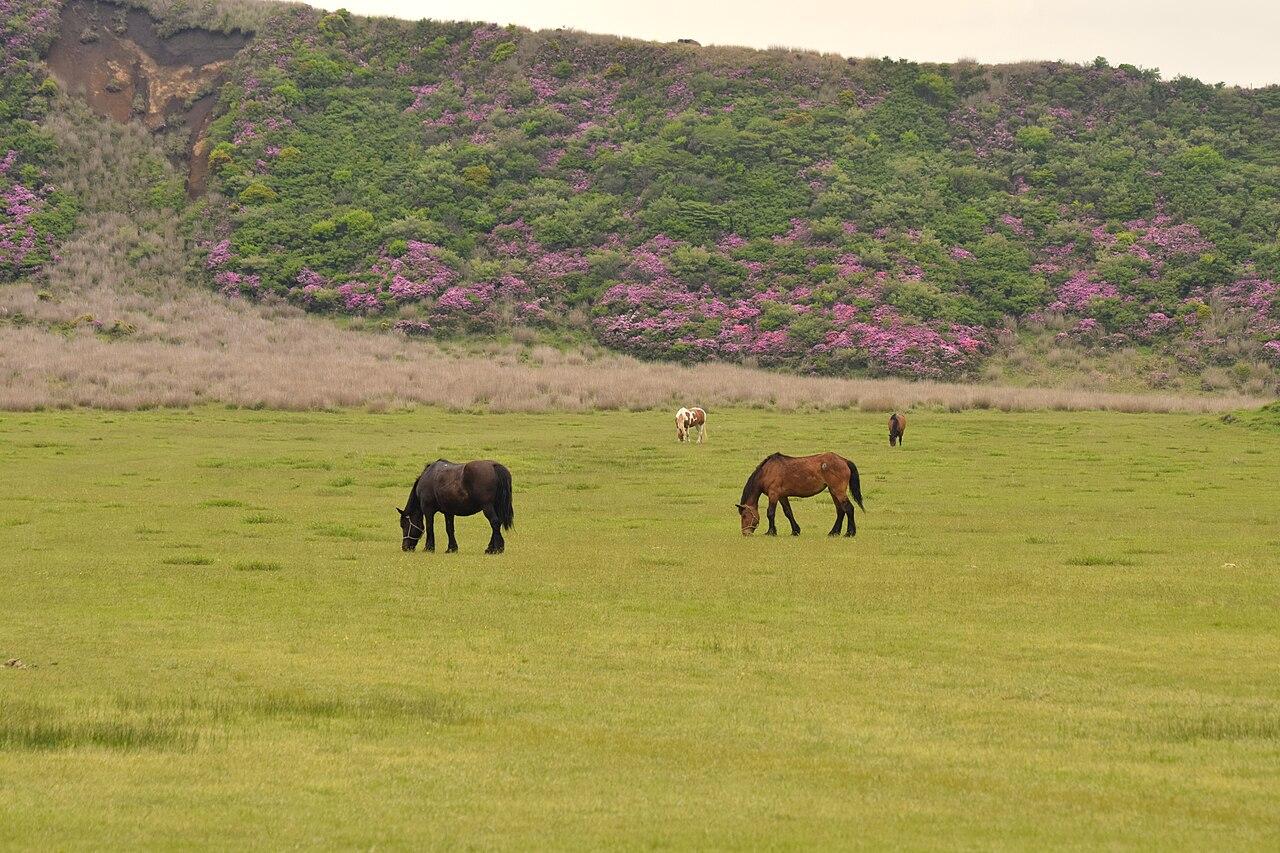
Photo: Raita Futo from Tokyo, Japan / Wikimedia Commons, CC BY 2.0
What to see on an Aso day
- Kusasenri: a wide, grassy plain with a pond, grazing horses and views of the steaming Nakadake cone. Horse rides are offered here in good weather.
- Aso Volcano Museum: across the road from Kusasenri, with a live projection of the crater and displays on how the caldera formed. It is a good substitute when the rim is closed.
- Komezuka: a small, neat green cone that you see from the road. It is a viewing spot only, not a climb.
- Daikanbo: the classic lookout on the northern rim, with the whole caldera spread out below. Mornings in autumn and winter can bring a sea of cloud filling the basin.
- Aso Shrine: one of the oldest shrines in Kyushu, near Miyaji Station. Its main gate was also repaired after the 2016 earthquake.
In winter, the higher roads can be icy and some buses change their timetables. Check road reports if you are driving between December and February.
A 2-day Kumamoto Castle and Mount Aso plan
This plan works with one or two nights in Kumamoto. It assumes you arrive by train from Fukuoka or Kagoshima.
Day 1: Kumamoto Castle and the city
- Morning: arrive by shinkansen, drop bags at your hotel, then take the tram to the castle. Enter through the South Gate on a weekday.
- Late morning: walk the elevated paths, climb the keep and spend time with the restoration exhibits.
- Lunch: Josaien at the foot of the castle, or head into the Shimotori arcade.
- Afternoon: take the tram to Suizenji Jojuen, a landscaped garden with a small hill shaped like Mount Fuji and a pond fed by spring water. An hour is enough.
- Evening: try Kumamoto ramen, which uses a pork bone broth with fried garlic oil, or basashi (horse meat sashimi), a regional dish you will see on many menus.
Day 2: Aso caldera
- Early morning: catch the limited express to Aso. Check the crater status on the volcano council site before you leave.
- Morning: bus up to Kusasenri. Walk around the grassland and visit the volcano museum.
- Early afternoon: if you have a car or tour, continue to Daikanbo for the rim view. By bus, return to Aso Station and visit Aso Shrine.
- Evening: head back to Kumamoto, or keep going east to Oita and Beppu if you are on a loop.
If the weather is poor on your Aso day, swap the two days. The castle works in light rain, while the caldera views need a clear sky.
Fitting Kumamoto into a wider trip
Kumamoto is a natural middle stop between Fukuoka and Kagoshima, and all three sit on the same shinkansen line. A common Kyushu route is Fukuoka, then Kumamoto and Aso, then Kagoshima for Sakurajima, which keeps every leg under about an hour by fast train. Our sample 2 days in Kumamoto trip shows how the castle and Aso days fit together, and you can link it to the 2 days in Kagoshima plan for the next stop south.
If you are coming from Honshu, the shinkansen runs straight through from Osaka. Our 14-day Japan itinerary is a good base if you want to add a few Kyushu days to a first trip. Before you buy a national rail pass for the journey, read whether the JR Pass is worth it, since regional Kyushu passes are often better value for trips that stay on the island.
Quick answers
Can you go inside Kumamoto Castle? Yes. The main keep reopened after its full restoration in 2021, and you can climb to the top floor. Parts of the wider grounds are still under repair.
Do you need to book Kumamoto Castle tickets? No. Tickets are sold at the gates every day. Online tickets exist but cannot be changed or refunded.
Is one day enough for Kumamoto? One day covers the castle and the garden. Add a second day if you want to see Aso, since the caldera takes a full day by public transport.
When is the best time to visit? Spring brings cherry blossoms around the castle in late March and early April, and autumn has clear air for Aso. Winter is quieter, though high roads around Aso can ice over.
When you have your train times, put the castle, the Aso day and your hotel into RoamerPlanner to check that bus connections and last trains line up.
Sources
Kumamoto Castle official visitor information (hours, gates, admission, luggage rules); Aso Volcano Disaster Prevention Council crater status page and Japan Meteorological Agency Aso activity report of 6 November 2026; JR Kyushu limited express information. Checked 10 Nov 2026.
Cover photo: Suicasmo / Wikimedia Commons, CC BY-SA 4.0
More about Japan: all articles and trip plans
Trips you can copy
Ready-made day-by-day plans for this place. Copy one for free and change it to fit your trip.
Turn this into a plan
Ready to turn this into a real itinerary? Plan it in RoamerPlanner.
Start your own plan, no account neededBrowse sample trips