Kawaguchiko Mount Fuji View Guide: Best Season, Buses and 2 Days
November 14, 2026
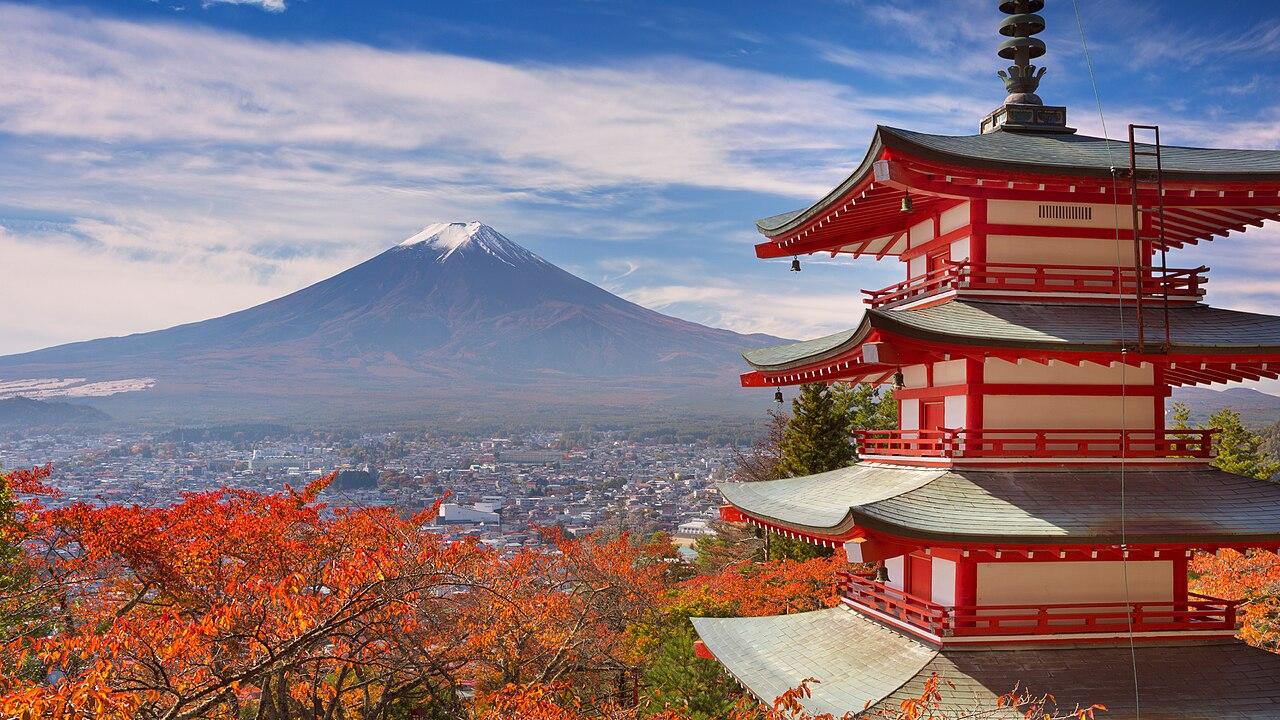
The clearest Kawaguchiko Mount Fuji view usually comes on a cold, dry morning between December and February, and the simplest way to get one is to sleep by the lake rather than squeeze it into a day trip from Tokyo. Mornings are when the mountain is most often free of cloud, and an overnight stay puts you at the shore before the first trains and buses arrive.
This guide covers when to go, how to get there by train or highway bus, how the local loop buses work, and a two-day plan that keeps your best viewing slots in the morning.
Why Kawaguchiko works for Fuji views
Lake Kawaguchi is the most developed of the Fuji Five Lakes. It has the most hotels, the most frequent buses and a direct train from Shinjuku, so it is the easiest base for a first visit. The north shore faces the mountain across the water, which is why so many classic photos are taken from there.
What it does not offer is a guarantee. Fuji hides behind cloud on many days, sometimes for several in a row. A plan that gives you two mornings at the lake roughly doubles your chances compared with one afternoon visit.
Best season for a Kawaguchiko Mount Fuji view
Winter is the best bet for visibility. The air is drier, the snow cap is full, and the ropeway operator itself notes that the chance of seeing Fuji goes up in the colder months. The trade-off is short days and cold early starts, so pack gloves and a warm layer even if Tokyo felt mild.
A rough guide by season:
- December to February: clearest air and the full snow cap. Some facilities close earlier in the afternoon.
- March to May: cherry blossoms around the lake in spring, but haze becomes more common.
- June to September: rainy season and summer humidity. Fuji is often hidden for days.
- October and November: autumn leaves along the north shore and better visibility again, but this is one of the busiest periods.
If you can only choose one month for a view-focused trip, January is a good choice. Crowds drop after the New Year holidays, and the winter fireworks usually start in late January.
Winter fireworks
The Lake Kawaguchiko Winter Fireworks are a free event held on weekend evenings from late January to late February, plus 23 February (Mount Fuji Day). In 2026 they ran on Saturdays and Sundays from 24 January to 23 February, for about 20 minutes from 20:00, launched from Oike Park and two other lakeside sites. The 2027 dates had not been published by the town when we checked, so treat the pattern as likely but unconfirmed and check Fujikawaguchiko Town's site before booking around it.
Getting there from Tokyo
You have two good options, and both take roughly two hours.
Fuji Excursion train
The Fuji Excursion limited express runs directly from Shinjuku to Kawaguchiko with no change. On the current timetable there are four morning departures from Shinjuku every day and four afternoon returns, with an extra train on some days in season. The adult one-way fare is 4,200 yen, which includes the limited express charge.
The catch is timing. The last return train leaves Kawaguchiko in the late afternoon, so if you stay for sunset on a day trip you will be taking a slower route back with a change at Otsuki. That is one more reason to stay overnight. Seats sell out on weekends and in autumn, so book as soon as your dates are fixed.
Highway bus
Highway buses from Busta Shinjuku run much more often, throughout the day. The adult fare is 2,200 yen at the counter or 2,000 yen when booked online. Since October 2026, Fujikyu-operated buses on this route are sold through the Fujiyama Connect site, while Keio-operated buses stay on Highwaybus.com. Book through the site that sells the departure you want, because changes cannot move between the two.
Buses are cheaper and more flexible, but traffic on Friday evenings, weekends and holidays can add a lot of time. If you are on a tight schedule, the train is more predictable.
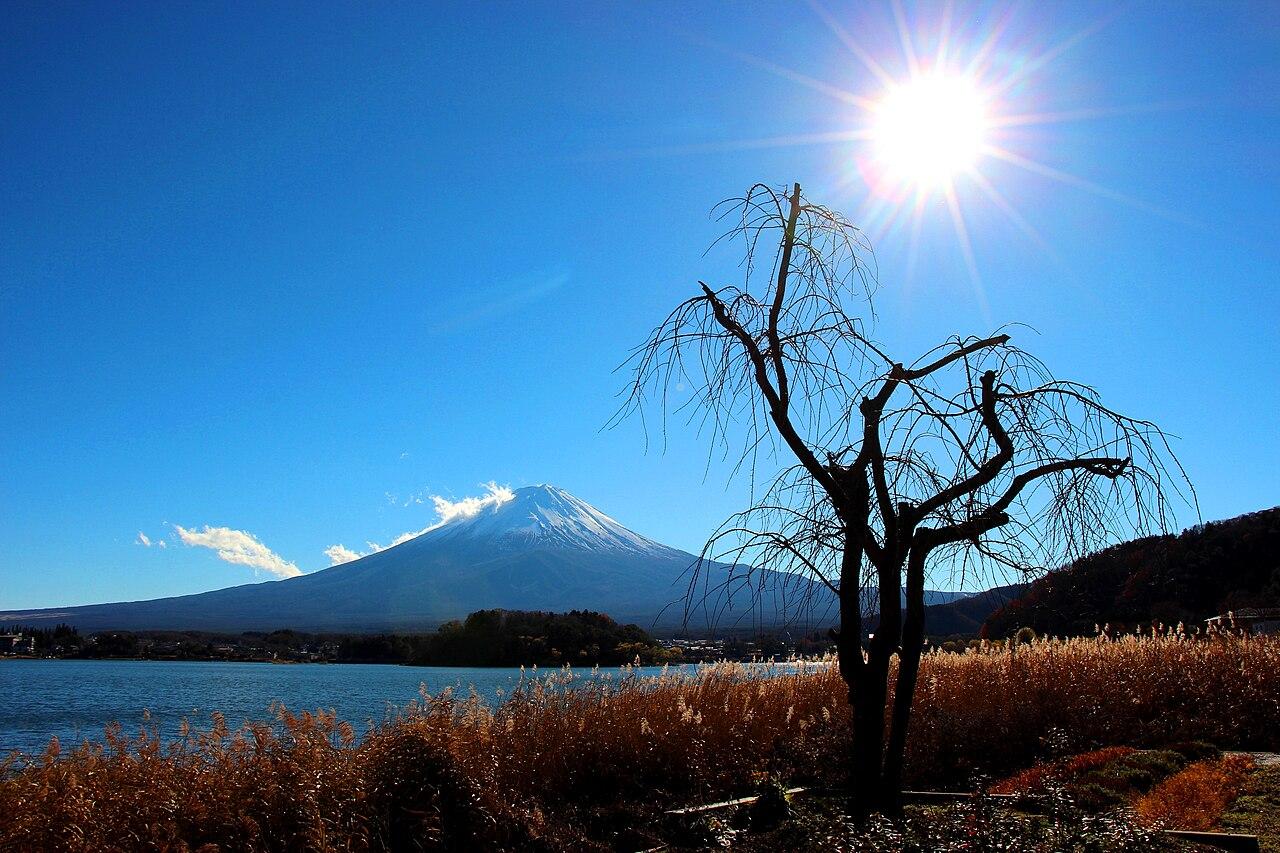
Photo: ANA CARINA NOGUEIRA VASCONCELOS / Wikimedia Commons, CC BY-SA 4.0
Getting around the lake
Three sightseeing bus loops start from Kawaguchiko Station:
- Red Line: the north shore of Lake Kawaguchi, including Oishi Park and the lakeside museums. This is the one most visitors use, and it runs frequently.
- Green Line: Lake Saiko, the Aokigahara forest and the caves.
- Blue Line: Lake Shoji and Lake Motosu, with far fewer departures.
A pass covering all three costs 1,500 yen for one day or 2,000 yen for two days. If you stay overnight, the two-day pass almost always makes sense. You can also tap on with a Suica or other IC card and pay per ride.
Two things catch people out. The buses get full at peak times, especially around Oishi Park in autumn. And the last runs are earlier than you might expect, so check the timetable before you walk far from a stop at the end of the day.
The main viewpoints
Chureito Pagoda
The five-storey pagoda in Arakurayama Sengen Park, with Fuji behind it, is the image most people have in mind. It is not on Lake Kawaguchi itself. You reach it by train to Shimoyoshida Station and a short walk, then roughly 400 steps up to the viewing deck. Go early: it is crowded by mid-morning, and the town has asked visitors to respect residents in the streets below.
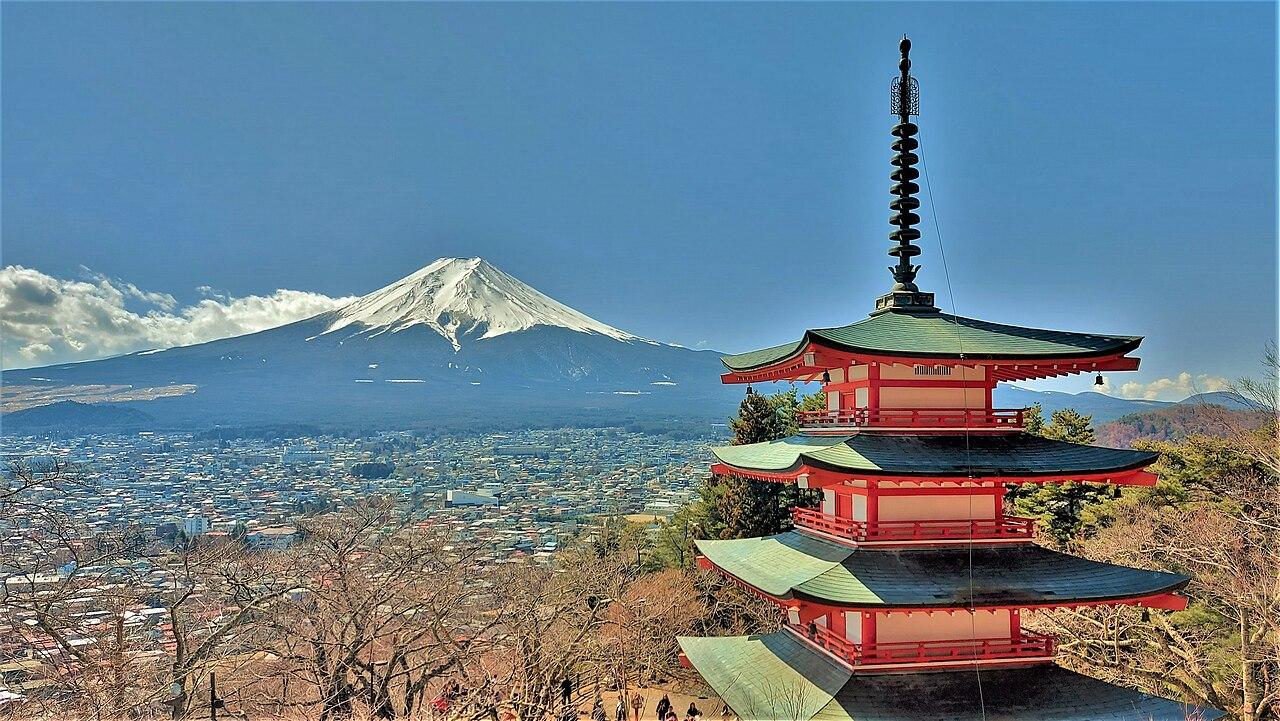
Photo: Stjepko Krehula / Wikimedia Commons, CC BY 4.0
Oishi Park
On the north shore, with a wide open view across the water. It is a calm place for sunrise and an easy stop on the Red Line. Flower beds are the draw in warmer months; in winter it is simply a clear, quiet viewpoint.
Mt. Fuji Panoramic Ropeway
A three-minute ride from the east shore to an observation deck on Mount Tenjo. From 1 November 2026 the adult round trip is 1,200 yen. From December to the end of February the last ride up is at 16:20. The ropeway is closed for its annual inspection from 7 to 18 December 2026, and wind can stop it on any day.
The quieter lakes
Lake Saiko and Lake Motosu are worth a look if you have a second day and want fewer people. The view from Lake Motosu is the one printed on the previous series of 1,000 yen notes. Buses there are infrequent, so plan around the Blue Line timetable or consider a taxi for one leg.
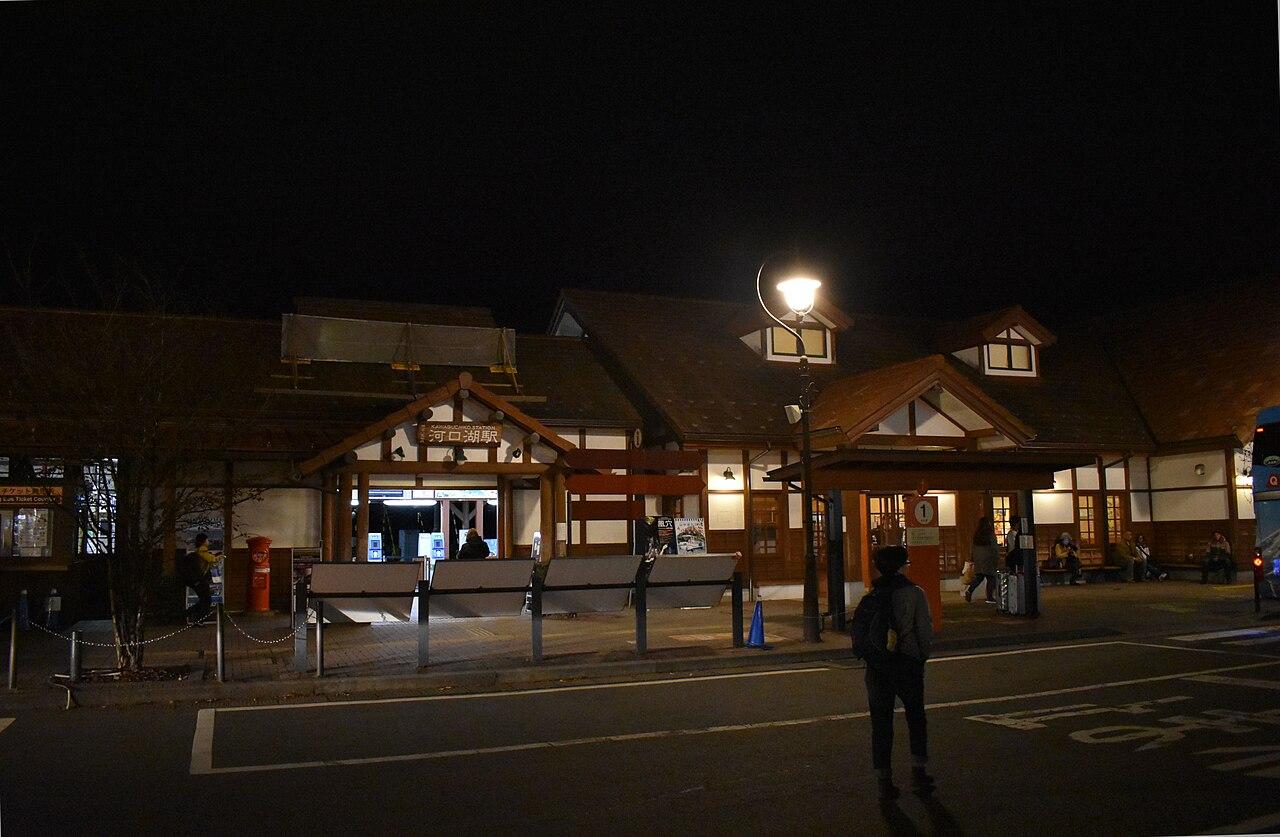
Photo: 江戸村のとくぞう / Wikimedia Commons, CC BY-SA 4.0
A two-day plan
This plan assumes you arrive on the morning train and stay one night by the lake.
Day 1
- Morning train or bus from Shinjuku, arriving late morning.
- Leave bags at the hotel or station lockers.
- If Fuji is visible on arrival, go straight to the ropeway or Oishi Park. Do not save a clear view for later in the day.
- Afternoon on the Red Line along the north shore, with a stop at one of the lakeside museums if clouds roll in.
- Early dinner. Hoto, a thick noodle stew with pumpkin and vegetables, is the local winter dish.
- On a fireworks weekend, walk down to the lakeside for 20:00.
Day 2
- Sunrise at the lake shore near your hotel or at Oishi Park.
- Breakfast, then the train to Shimoyoshida for Chureito Pagoda before the crowds.
- Late morning at Lake Saiko or back at Kawaguchiko for a second try at whichever viewpoint was clouded over.
- Afternoon train or bus back to Tokyo.
If you prefer to compare this with a full sample plan, the 2 days in Kawaguchiko trip lays out a similar route that you can copy and adjust.
Where to stay
Hotels on the east shore near the station are convenient for trains and buses. Ryokan and hotels on the north shore often have rooms facing Fuji across the lake, which matters more than anything else on a view-focused trip. A lake-facing room means you can check the mountain from bed before deciding whether to get up for sunrise. Expect higher prices on winter fireworks weekends and in autumn.
Fitting Kawaguchiko into a longer Japan trip
Most people visit from Tokyo. If you are on a 5-day Tokyo itinerary, swapping one city day for an overnight at the lake works well. On a 7-day Japan itinerary, you can stop here between Tokyo and Kyoto, although the connection south toward the Tokaido Shinkansen is less direct than the route back to Tokyo.
The Japan Rail Pass covers JR trains to Otsuki but not the private Fujikyu section to Kawaguchiko, so you pay extra for that part. Our guide to whether the JR Pass is worth it explains when the numbers work. If you are weighing other side trips, see day trips from Tokyo as well.
Practical tips
- Check a live camera or forecast the evening before and again at dawn. Move your viewpoint plan to whichever morning looks clearer.
- Bring layers. Lakeside mornings in winter are much colder than central Tokyo.
- Keep cash for small shops, though IC cards work on buses and at many counters.
- Respect private property and local rules at popular photo spots. Some streets near famous viewpoints have had barriers and signs added because of crowding.
FAQ
Is a day trip enough? It can be, but you only get one chance at a clear view and you will spend about four hours of the day travelling. An overnight stay is much more relaxed.
Do I need to book the bus or train? Both are reserved-seat services. Book ahead for weekends, holidays and autumn.
Can I see Fuji from Tokyo instead? On clear winter days you can see it from observation decks in the city, but it is small and distant. Kawaguchiko puts it right across the water.
Sources
Fujikyu Railway, Fuji Excursion timetable and fares (from 14 March 2026); Fujikyu Bus, Shinjuku to Kawaguchiko highway bus fares and booking change from 1 October 2026; Fujikyu Bus, Kawaguchiko sightseeing bus passes; Mt. Fuji Panoramic Ropeway, fares from 1 November 2026, winter hours and inspection closure; Fujikawaguchiko Town winter fireworks notices. Checked 9 Nov 2026.
You can map both mornings and your train times in RoamerPlanner so the backup viewpoint is already in the plan.
Cover photo: Dang Son / Wikimedia Commons, CC0
ดูบทความและแพลนเที่ยวญี่ปุ่นทั้งหมด
ทริปที่คัดลอกไปใช้ได้
แผนเที่ยวรายวันพร้อมใช้สำหรับที่นี่ คัดลอกได้ฟรีแล้วปรับให้เข้ากับทริปของคุณ
เปลี่ยนบทความนี้เป็นแผนทริป
อยากเอาเรื่องนี้ไปใส่ในแพลนเที่ยวจริงไหม วางแผนต่อใน RoamerPlanner ได้เลย
เริ่มวางแผนของคุณเอง ไม่ต้องสมัครก่อนดูทริปตัวอย่าง