Yangon Travel Today: Shwedagon, Safety and Entry Rules to Check
November 21, 2026
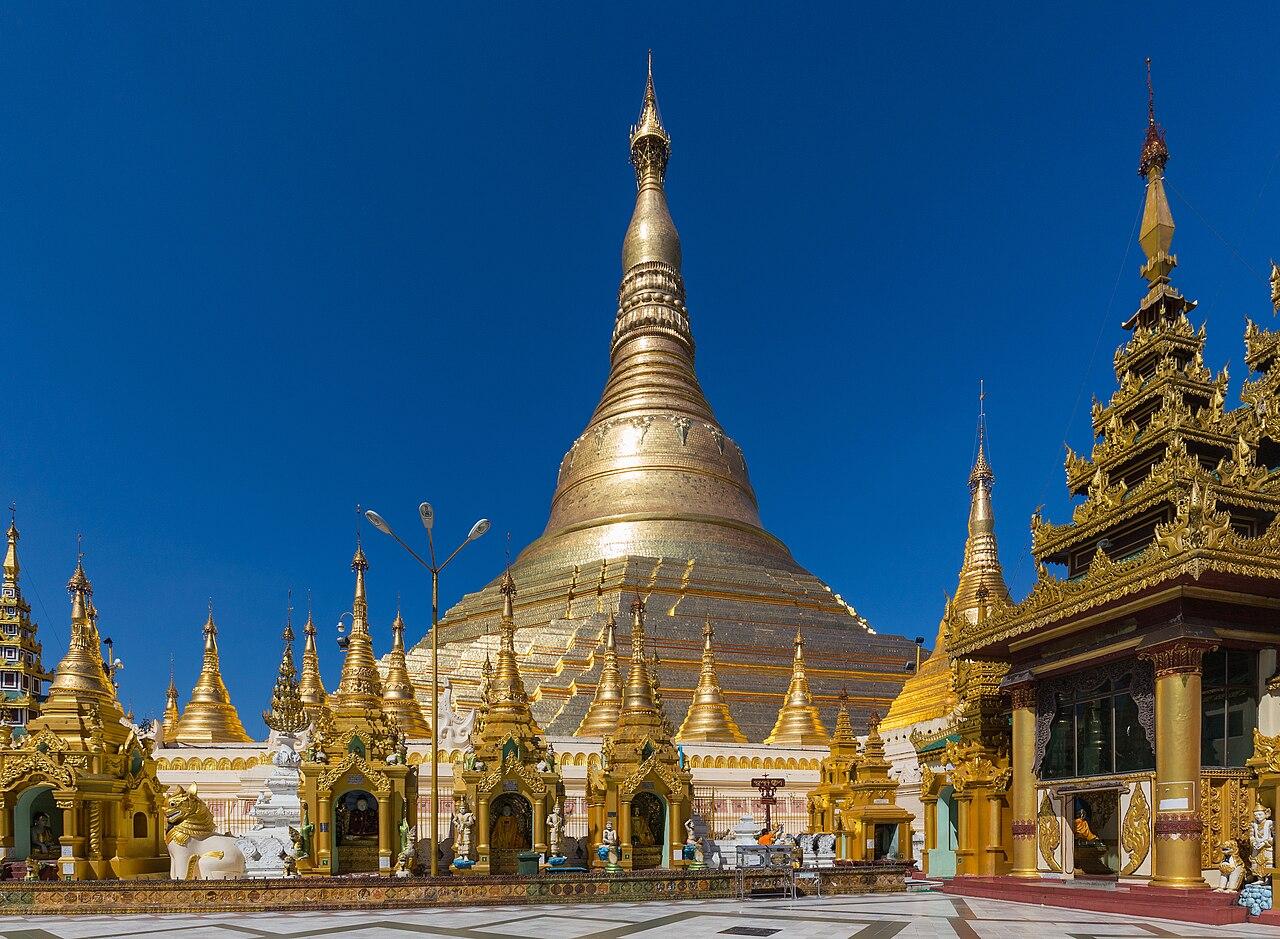
Yangon travel in late 2026 starts with a decision, not a packing list. Several governments advise their citizens not to travel to Myanmar at all, while others list Yangon outside the areas they warn against. This guide sets out what the main advisories say, the entry and practical rules that apply if you do go, and how to see Shwedagon Pagoda and the city carefully in three days.
What the travel advice says right now
Read your own government's advice first, and check that your travel insurance will cover you. Many policies do not pay out if you travel against official advice.
As of mid-November 2026:
- Australia advises do not travel to Myanmar. Its latest update says the situation in major cities, including Yangon, may become unstable at short notice, that attacks may target places foreigners visit, and that there have been widespread detentions, including of some foreigners.
- The United States rates Burma at Level 4: Do Not Travel, citing armed conflict, civil unrest, crime, poor health infrastructure, landmines and arbitrary enforcement of local laws.
- The United Kingdom does not include Yangon Region in the areas where it advises against all or all but essential travel. It does advise against all travel to large parts of the country, including Rakhine, Kachin, Chin, Kayah, Kayin and Mon states, Sagaing and Magway regions and northern Shan State, and against all but essential travel to Mandalay Region and much of Bago. It describes the conflict as increasingly volatile and warns that restrictions can change at any time.
In practice, this means Yangon is not a place for a casual stop. Travellers who still go are usually visiting family, working, or travelling with a local contact who can give them up-to-date advice. If you go, keep your plans flexible, register with your embassy if that service exists for your country, and be ready to change your route or leave early.
Yangon travel rules: entry and practical setup
Visa. You need a visa before you arrive. There is no visa on arrival. The official tourist e-visa is applied for through the Myanmar government's e-visa site (evisa.moip.gov.mm). Use only the official portal; there are many look-alike agency sites.
Phones and internet. Foreign SIM cards do not work reliably, so most visitors buy a local SIM. The UK advice notes that visitors' phones get a 30-day grace period on local networks, after which the handset must be registered on the official device register or it will be blocked. Some services, including Facebook and WhatsApp, are blocked and the internet can be cut without warning. Download offline maps and save key addresses before you arrive.
Money. Foreign bank cards are unreliable in Myanmar. Bring enough cash for your trip, in clean, new US dollar notes, and change only what you need at banks or licensed counters.
Curfews and checkpoints. Some areas are under martial law, curfews or stay-at-home orders. Carry your passport with your visa at all times, as you are likely to pass checkpoints.
Photography and drones. Do not photograph police, military personnel or installations, or protests. Drones are tightly regulated; leave yours at home.
Dates to avoid. The UK advice lists several anniversaries when the risk of unrest rises, including National Day on 25 November. Minimise movement on such days and follow local news.
Three careful days in Yangon
If you are in Yangon, the plan below keeps you mostly in central, busy areas, in daylight, with short transfers. Check local conditions each morning and skip anything that feels wrong.
Day 1: Shwedagon Pagoda
Shwedagon is the most important Buddhist site in Myanmar and the reason most visitors come to Yangon. The main stupa is covered in gold and surrounded by dozens of smaller shrines, pavilions and planetary posts where people make offerings according to the day of the week they were born.
Foreign visitors pay an entry fee, listed at 20,000 kyat per entry in an announcement from the pagoda's board of trustees. Confirm the amount at the entrance, as fees in kyat are revised from time to time. The pagoda is open from early morning until late evening. The best times are early morning, when it is cool and many local families come to pray, and the hour around sunset, when the gold changes colour.
Practical points:
- Remove shoes and socks at the bottom of the stairway. The marble terrace gets hot in the afternoon sun.
- Cover shoulders and knees. Sarongs (longyi) can be borrowed or bought near the entrances.
- Walk clockwise around the stupa, as local visitors do.
- Allow two hours or more; there is no need to rush.
Spend the rest of the day nearby at Kandawgyi Lake, where a boardwalk runs along part of the shore, and come back to Shwedagon at dusk if you went in the morning.
Day 2: Downtown and the colonial quarter
Downtown Yangon is a grid of streets between the river and Bogyoke Aung San Road. Start at Sule Pagoda, which sits in the middle of a busy roundabout. Around it are some of the best-known colonial-era buildings, including the old High Court and City Hall. Walk south towards the Strand and the riverfront.
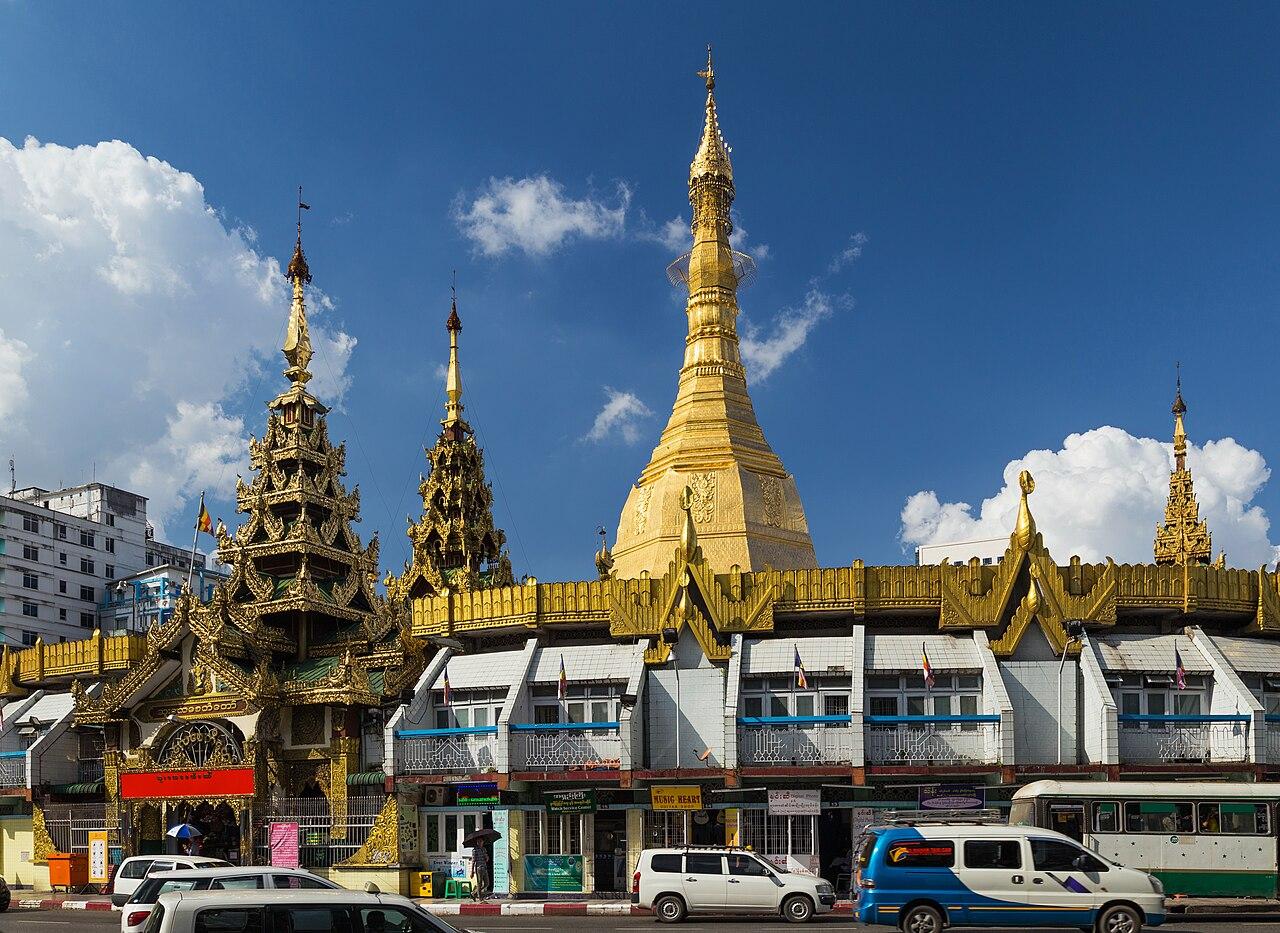
Photo: Marcin Konsek / Wikimedia Commons, CC BY-SA 4.0
Large gatherings sometimes form in this area, and Sule Pagoda has been a focal point for protests in the past. If you see crowds, police activity or roadblocks, leave the area.
In the afternoon, visit Bogyoke Aung San Market (often called Scott Market) for textiles, lacquerware and longyi. Check opening days locally; markets in Yangon often close on Mondays and public holidays. Finish with dinner in Chinatown, where 19th Street is known for barbecue stalls in the evening.
Day 3: Local life and an easy trip
The Yangon Circular Railway loops through the outer townships and has long been one of the simplest ways to see everyday life outside the centre. Newer trains run on the line alongside older ones. Services and schedules have changed in recent years, so ask at Yangon Central station or your hotel whether the loop is running normally before you plan around it, and consider riding just part of it.
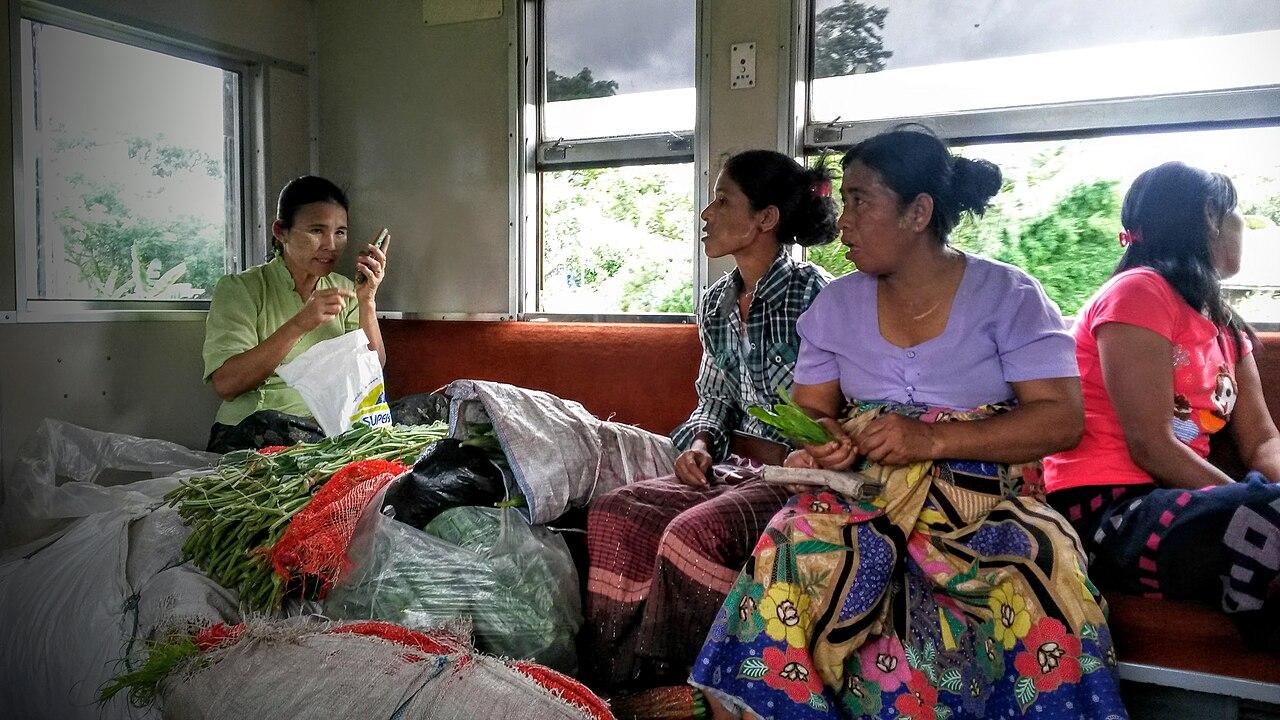
Photo: Jakub Hałun / Wikimedia Commons, CC BY 4.0
If you prefer to stay central, spend the day at the National Museum and the quieter Chaukhtatgyi Pagoda, home to a very large reclining Buddha, then take a final evening walk around Shwedagon.
Things to avoid
- Demonstrations, political gatherings, large crowds and military or police sites.
- Discussing politics in public or posting about it online while in the country.
- Travelling at night or outside Yangon without reliable local advice. The UK advises against travel east of the Yangon-Mandalay Expressway in Bago Region, which rules out some popular day trips.
- Job offers that seem too good to be true. Australia warns that foreigners have been trafficked into Myanmar and forced to work in scam operations.
If you are planning a wider Southeast Asia trip
Many travellers who once would have added Yangon and Bagan to a Southeast Asia route are now choosing neighbouring countries instead. Our guide to Bagan's temples, balloon season and travel advice explains the situation there.
If you still want to sketch a Yangon trip, the 3 days in Yangon sample plan follows the main sights above, and the 3 days in Bangkok itinerary is the usual starting point for flights in and out. You can copy either into RoamerPlanner and adjust it to the latest advice.
Quick answers
Is it safe to travel to Yangon now? Governments disagree. Australia and the United States say do not travel to Myanmar. The UK does not list Yangon Region among the areas it advises against, but warns that the situation is volatile. Decide based on your own government's advice and your insurance.
Can I get a visa on arrival? No. Apply for the official e-visa before travelling.
How much is Shwedagon Pagoda? The trustees list 20,000 kyat per entry for foreign visitors. Check at the gate in case it has changed.
Will my phone work? A foreign SIM may not. A local SIM works for about a month before the handset needs registering. Expect some apps to be blocked.
Sources checked 17 November 2026: Smartraveller Myanmar advice (still current 17 November 2026, updated 7 April 2026), US State Department Burma travel advisory (Level 4, issued May 2026), UK FCDO Myanmar travel advice (still current 16 November 2026, updated 4 August 2026), and the Shwedagon Pagoda board of trustees announcement on entry fees. Advice can change quickly; check again before you book.
Cover photo: Marcin Konsek / Wikimedia Commons, CC BY-SA 4.0
More about Myanmar: all articles and trip plans
Trips you can copy
Ready-made day-by-day plans for this place. Copy one for free and change it to fit your trip.
Turn this into a plan
Ready to turn this into a real itinerary? Plan it in RoamerPlanner.
Start your own plan, no account neededBrowse sample trips