Bagan Temples: Balloon Season, Access and Current Travel Advice
November 18, 2026
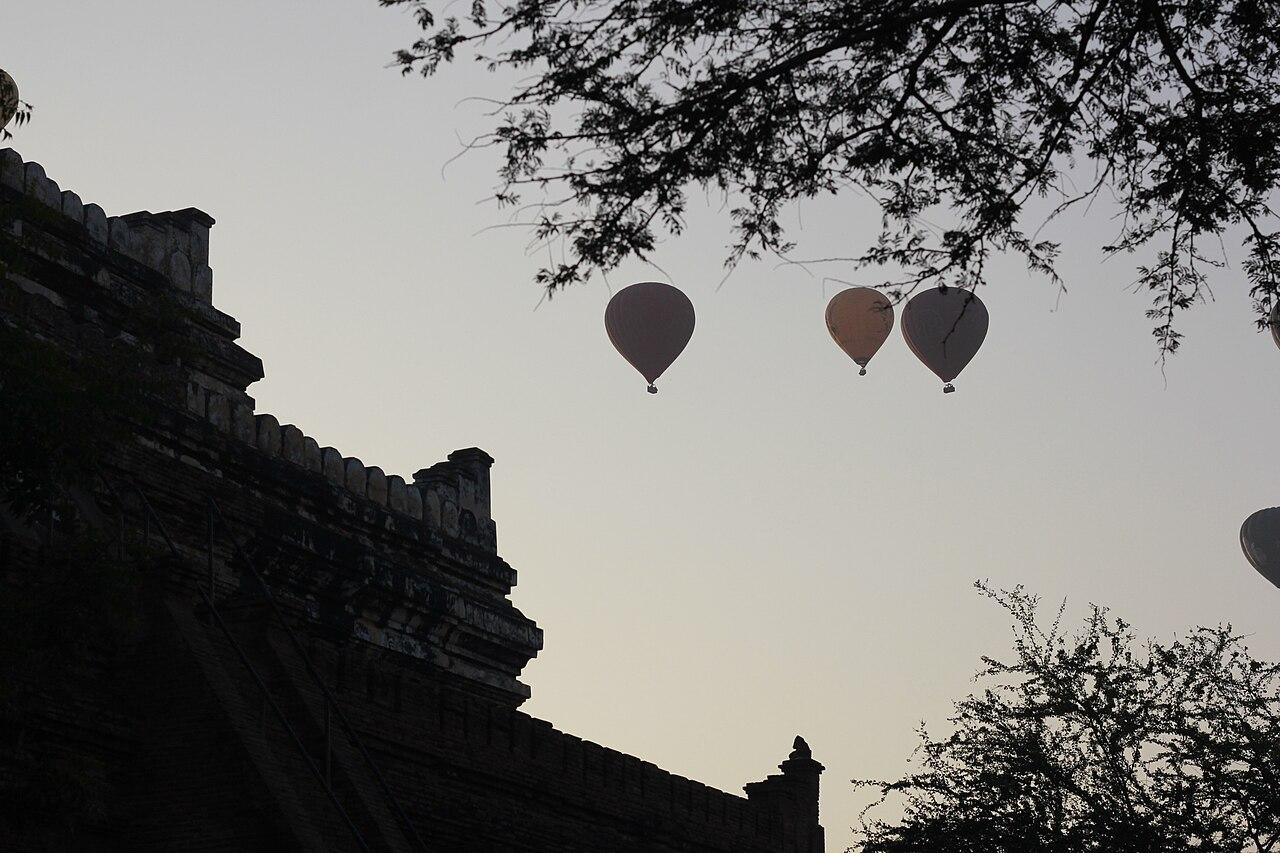
The Bagan temples are one of the great sights of Southeast Asia: more than two thousand brick temples and stupas spread across a dry plain beside the Irrawaddy River. The cool season, when the balloons fly, starts in November. Before you look at flights or hotels, though, read the travel advice section below. Myanmar is in an armed conflict, most Western governments advise against travel, and that changes how a trip here needs to be planned, insured and timed.
This guide covers what the current advice says, the 2026 to 2027 balloon season, the zone fee, how people get to Bagan, and a simple two-day plan. For a day-by-day base you can adjust, see our 2 days in Bagan sample trip.
Read this first: current travel advice for Myanmar
We checked official government advice in mid-November 2026. In short:
- United Kingdom (FCDO): advises against all but essential travel to Mandalay Region, which includes Bagan, and against all travel to large parts of the country, including Magway Region just across the river from Bagan. The advice was last updated in August 2026 and says the situation may get worse at short notice.
- United States: Level 4, do not travel to Burma (Myanmar) for any reason.
- Canada and Australia: avoid all travel, or do not travel.
- Ireland: strongly advises against all travel.
What this means in practice:
- Insurance. Many policies do not cover trips against your own government's advice. Check the wording before you book anything, and look for a specialist policy if needed.
- Help if things go wrong. Embassies say their ability to assist in Myanmar is very limited.
- Rules can change fast. Curfews, checkpoints and travel restrictions can appear with little warning. The FCDO notes that security tightens around certain national dates, and that attacks are more common after dark.
- Entry rules. A visa is required for most nationalities, and tourist eVisas exist. Check the official Myanmar eVisa site and your nearest Myanmar embassy, since requirements change.
If you are a Thai, Asian or other passport holder whose government has softer advice, the same local risks still apply. Some travellers will decide not to go now, and that is a reasonable choice. Angkor in Cambodia offers a similar temple-plain experience with far fewer complications; our guide to the Angkor Wat temple pass is a good alternative.
If you do go, keep the plan simple, stay in established tourist areas, travel by day, carry your passport and zone pass, and follow your hotel's advice on the local situation.
When to visit the Bagan temples
The plain is hot for much of the year, so timing matters more than usual.
- November to February is the main season. Mornings are cool, skies are clear, and this is when the balloons fly. December and January are the busiest months for local holiday travel too.
- March to May is the hot season. Plan temple visits for early morning and late afternoon only, and rest in the middle of the day.
- June to October is the wet season. The plain turns green and there are very few visitors, but some back roads get muddy and the balloons do not fly.
The 2026 to 2027 balloon season
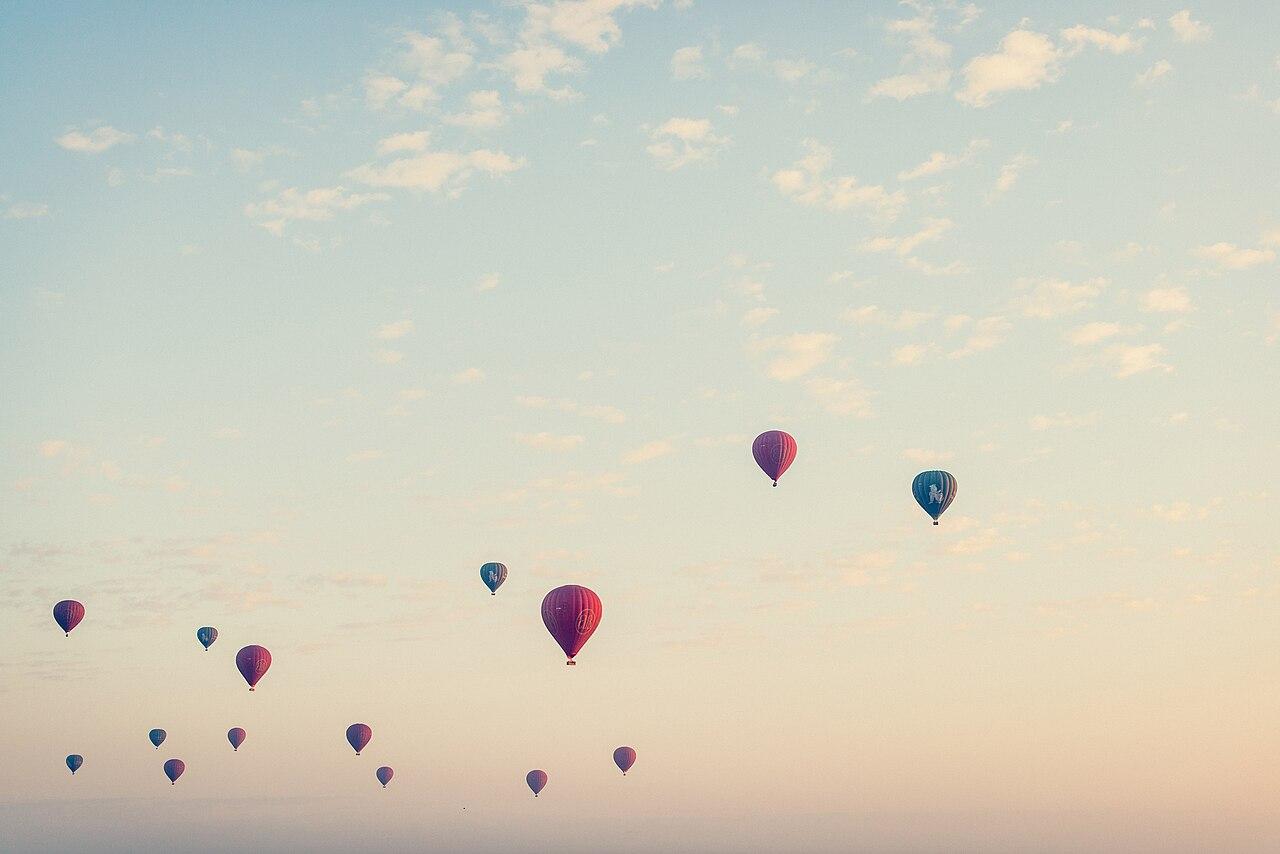
Hot air balloons at sunrise are the image most people know from Bagan. Flights only run in the cool, dry months, only at dawn, and only when the morning weather allows. Each operator sets its own dates. For this season:
- Balloons Over Bagan started flying on 15 October 2026, and its site lists the season as October 2026 to April 2027.
- Golden Eagle Ballooning lists 18 November 2026 to 15 February 2027.
- Oriental Ballooning and STT Ballooning were also due to fly, starting in late October and November.
Myanmar state media reported prices for foreign visitors of roughly 150 to 230 US dollars per person, depending on the operator and package, and said flights should run to about late February, possibly into March if the weather holds. Treat those end dates as a guide and check with the operator directly.
A few practical points:
- Book early for December and January. Some operators fly only a few balloons a day.
- Keep two mornings free. Flights get cancelled for wind or haze, and operators usually try to rebook you the next day.
- Expect an early start. Pick-up is usually before 6am, with the flight lasting about 45 minutes, and you are back at your hotel by mid-morning.
- Watching from the ground is free. Many visitors enjoy the balloons rising over the temples from a viewpoint mound or a quiet temple terrace.
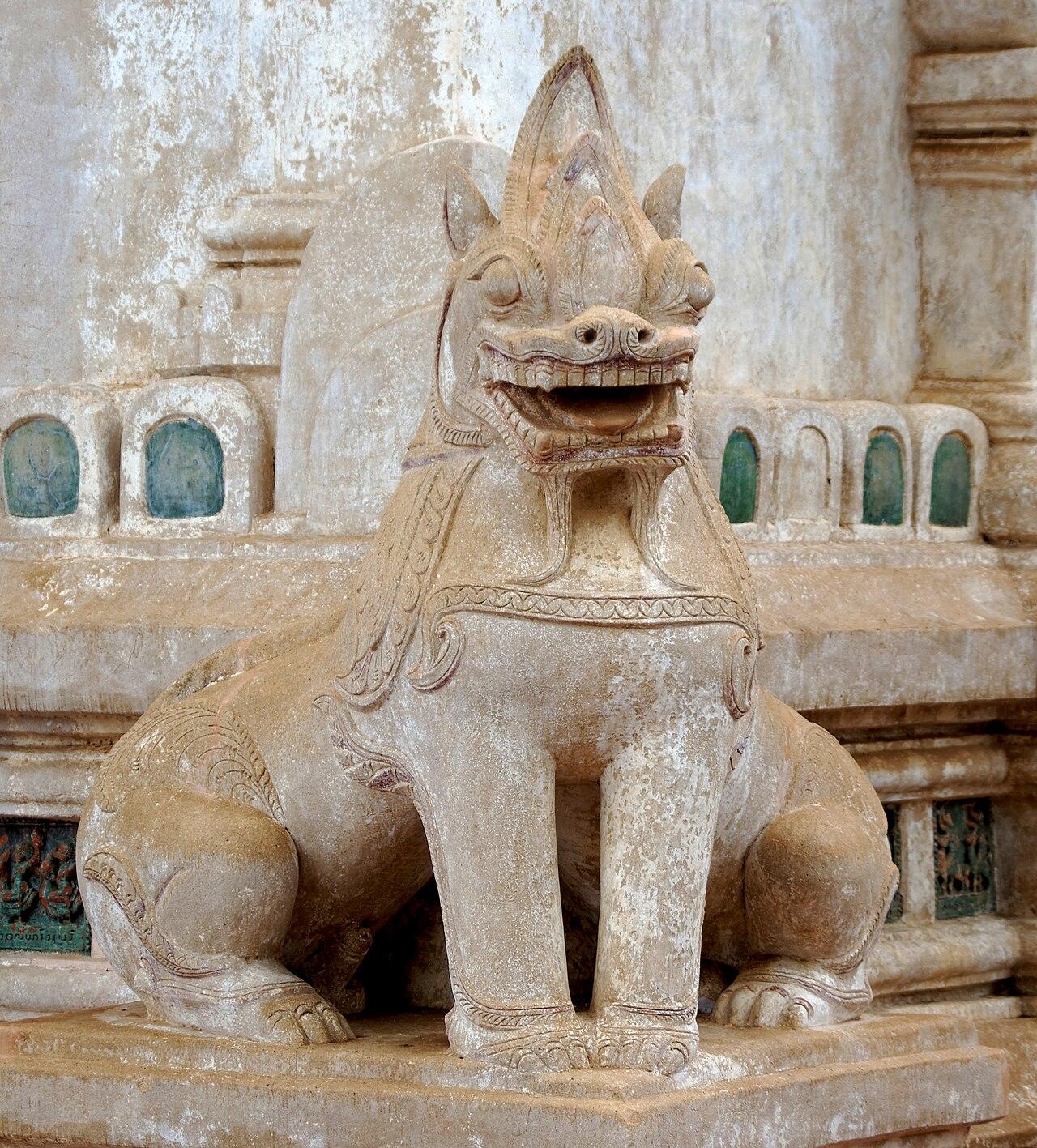
Photo: Jakub Hałun / Wikimedia Commons, CC BY-SA 4.0
The Bagan zone fee and temple rules
Foreign visitors pay a Bagan archaeological zone fee of 30,000 kyat, which covers three consecutive days. This price and the three-day limit have applied since October 2023, so older guides quoting a lower fee and a five-day pass are out of date. If you stay longer than three days, you pay again.
- You can pay at the airport counter and at checkpoints and major temples such as Ananda.
- Pay in cash, ideally in kyat. Card payments and ATMs are unreliable in Myanmar.
- Keep the pass with you; it gets checked.
Temple etiquette:
- No climbing. Climbing the large temples, including Shwesandaw, has been banned for years. A few official viewing mounds were built instead.
- Dress modestly. Cover shoulders and knees, and remove shoes and socks before entering any temple or stupa terrace. A pair of flip-flops makes this easier.
- Drones need permission. The FCDO advice includes new information on drone use, so do not bring one without checking first.
How to get to Bagan
Most visitors arrive by plane at Nyaung U airport, which serves Bagan.
- From Yangon is the usual route, with domestic flights of about an hour and a half. Schedules have been reduced in recent years, so book with a flexible ticket.
- From Mandalay there are fewer flights. Road travel through the region is not recommended under current advice.
- Night buses and boats used to be popular with budget travellers. Under the current advice, overland routes carry more risk and are best avoided. Ask your hotel or a local agent what is running and what is advised at the time.
If you are combining Bagan with Yangon, see our 3 days in Yangon sample trip. Check the advice for Yangon as well.
Where to stay
There are three main areas, all close to each other:
- Old Bagan is inside the main temple zone, with a small number of established hotels. It is the closest base for sunrise.
- New Bagan (Bagan Myothit) has mid-range hotels and is a short ride to the southern temples.
- Nyaung U is the town near the airport with guesthouses, restaurants and the morning market.
Choose a hotel that has been operating for years, can arrange airport transfers, and replies clearly about the current situation before you book.
A simple two-day plan for the Bagan temples
This plan keeps every journey short and in daylight. Many visitors rent an e-bike, but a car with a driver or a hotel-arranged guide is a calmer choice if you are new to the roads.
Day 1: the classic temples
- Sunrise. Watch from a viewing mound or your hotel. If you booked a balloon flight, this is the morning to fly.
- Morning. Ananda Temple, one of the best preserved, with its four large standing Buddhas. Then Thatbyinnyu, the tallest temple on the plain, and Shwegugyi.
- Midday. Rest. Eat at your hotel or in Nyaung U.
- Afternoon. Dhammayangyi, the largest temple by mass, known for its fine brickwork, then Sulamani with its old murals.
- Before dark. Sunset from a viewing mound, then straight back to your hotel.
Day 2: stupas, murals and the river
- Early morning. Shwezigon Pagoda in Nyaung U, a large gilded stupa that is still an active place of worship. The nearby market is busiest in the morning.
- Late morning. Gubyaukgyi in Myinkaba village, with detailed wall paintings. Bring a small torch for the dim interiors.
- Afternoon. The Bagan Archaeological Museum, or a short boat ride on the Irrawaddy if your hotel says it is running.
- Spare time. Keep a second sunrise free in case your balloon flight was cancelled on day 1.
You can keep your flights, balloon booking and backup plans in one place with RoamerPlanner, and update them easily if schedules change.
What to pack
- Light, modest clothes that cover shoulders and knees.
- A warm layer for cool early mornings in December and January.
- Sandals that slip off easily, sunscreen, a hat and plenty of water.
- Clean, new US dollar notes to exchange, plus kyat for small payments.
- Printed copies of your visa, hotel booking and insurance.
Quick FAQ
Is it safe to visit the Bagan temples now? No government we checked calls it safe. Most advise against all travel to Myanmar, and the UK advises against all but essential travel to the region that includes Bagan. If you go, you accept real risks and may not be covered by insurance.
How many days do I need? Two full days covers the main temples at an easy pace. Three days matches the zone pass and leaves room for a cancelled balloon flight.
How much does a balloon flight cost? Roughly 150 to 230 US dollars per person this season, according to reported rates. Prices vary by operator and package.
Can I still climb the temples? No. Use the official viewing mounds instead.
Sources: UK FCDO travel advice for Myanmar (updated 4 August 2026, still current 13 November 2026); US State Department, Global Affairs Canada, Smartraveller and Ireland DFA advisories; Balloons Over Bagan and Golden Eagle Ballooning official sites (2026 to 2027 seasons); Myanmar Digital News, balloon season report (19 October 2026); Global New Light of Myanmar on the 30,000 kyat zone fee. Checked 14 November 2026.
Cover photo: NayiMuu / Wikimedia Commons, CC BY-SA 4.0
More about Myanmar: all articles and trip plans
Trips you can copy
Ready-made day-by-day plans for this place. Copy one for free and change it to fit your trip.
Turn this into a plan
Ready to turn this into a real itinerary? Plan it in RoamerPlanner.
Start your own plan, no account neededBrowse sample trips