Seoul vs Tokyo for Your First Trip to East Asia
October 23, 2026
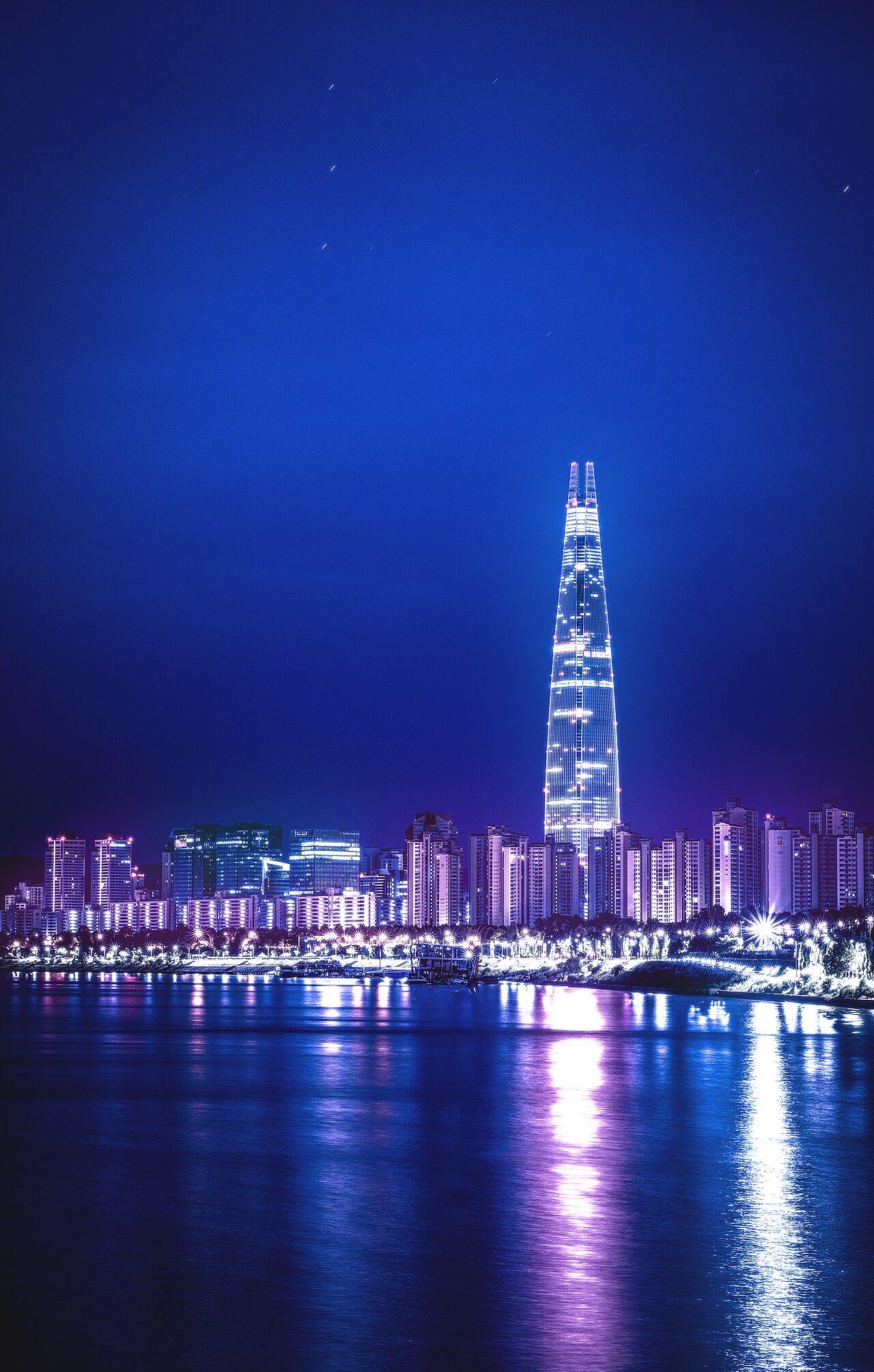
Choosing between Seoul vs Tokyo for a first trip to East Asia is less about which city is "better" and more about what kind of week you want. Both are large, safe and easy to navigate with a transit card. Both reward short stays and multi-city plans. The differences show up in cost, pace, food culture, neighbourhood feel and how much admin you need before you fly.
This guide compares the two for a first-timer: money, getting around, food, neighbourhoods, weather by season, entry rules and a simple decision tree. It pairs with our 3 days in Seoul itinerary and 5 days in Tokyo itinerary.
Seoul vs Tokyo: the short answer
Pick Seoul first if you want lower daily costs, a compact city centre you can cover in three or four days, strong cafe and nightlife energy, and a trip that feels easy to improvise.
Pick Tokyo first if you want a wider range of neighbourhoods and day trips, a deeper rail culture, and a city that rewards slower walks and longer stays (five days is a comfortable minimum).
If you have ten days or more, many travellers do both: Seoul for three to four nights and Tokyo for five to six, with a short flight between them. Flights between Incheon or Gimpo and Narita or Haneda are typically around two to two and a half hours.
Cost: where the gap shows up
Broad travel comparisons in 2025–2026 still put Seoul below Tokyo on hotels, taxis and many sit-down meals, often by roughly a quarter to a third at similar comfort levels. The gap is smaller if you stick to hostels, convenience-store meals and street food in both cities. A weak yen in recent years narrowed some of Tokyo's old premium, but Tokyo remains the more expensive base for mid-range hotels.
Transport. Seoul's subway and buses share one integrated fare system with free transfers on a T-money (or compatible) card. Tokyo's network is excellent but split across JR East, Tokyo Metro, Toei and private lines; transfers between operators can add cost. Both systems are clean, frequent and signed in English.
Food. A casual bowl of noodles or a set lunch is often similar in both cities. Seoul tends to win on cafe prices and late-night bar snacks. Tokyo wins on the sheer variety of specialised restaurants once you move past the first few nights.
Beauty and shopping. Seoul is usually cheaper for skincare and many fashion chains. Tokyo offers more specialty stores and department-store floors if that is part of the trip.
Build a real budget from hotel quotes for your dates rather than old country averages. Currency moves.
Getting around and how the cities feel
Seoul is dense and vertical. Many first visits cluster around Myeongdong, Hongdae, Insadong or Gangnam. You can cross much of the tourist core in under an hour by subway. For neighbourhood detail, see where to stay in Seoul.
Tokyo spreads wider. Shinjuku, Shibuya, Asakusa, Ueno, Ginza and the bay area each feel like their own district. A first trip usually needs five days to avoid rushing. Base choice matters; see where to stay in Tokyo.
Walking. Both cities are walkable once you pick a neighbourhood for the day. Tokyo's blocks can be longer; Seoul's hills and stairs show up around older areas.
English. Signage and station announcements are strong in both. Restaurant English varies; translation apps help everywhere. Seoul's younger service staff often have more conversational English in tourist zones; Tokyo's systems and maps compensate when spoken English is limited.
Food and nights out
Seoul leans into shared plates, barbecue, chicken and beer, late cafes and lively university-area evenings (Hongdae). Markets and mall food courts make lunch simple.
Tokyo leans into specialisation: ramen shops, sushi counters, izakaya, kissaten coffee, department-store basements (depachika). Nights out range from quiet alley bars to big entertainment districts. Closing times and last trains matter more if you stay late.
Neither city requires alcohol. Both have strong non-drinking food scenes.
Sightseeing style
Seoul packs palaces, markets, the Han River parks, Namsan and day trips to places such as Suwon or the DMZ programmes into a short stay. The city mixes historic sites and modern retail within short subway hops.
Tokyo mixes temples and shrines (Senso-ji, Meiji Jingu), museums, parks, themed districts and easy day trips (Kamakura, Nikko, Yokohama, Hakone with more time). A 7-day Japan itinerary shows how Tokyo sits inside a wider first Japan trip.
If your interest is K-pop, Korean beauty and nightlife, Seoul is the clearer fit. If your interest is Japanese food culture, rail travel and a broader city palette, start with Tokyo.
Weather and when to go
Both cities have four seasons. Rough guide for planning, not a forecast for a specific week:
- Spring (Mar–May): Mild; cherry blossom timing varies by year in both countries.
- Summer (Jun–Aug): Hot and humid; Tokyo's rainy season (tsuyu) usually lands in June; Seoul has a summer monsoon peak.
- Autumn (Sep–Nov): Often the most comfortable temperatures; good for walking.
- Winter (Dec–Feb): Seoul is colder, with a higher chance of snow and hard freezes. Tokyo is cooler than many first-timers expect but usually milder than Seoul. See our winter packing list for Tokyo and Seoul.
For a first East Asia trip with limited cold-weather gear, late spring or autumn is the easiest window for either city.
Entry rules (check your passport)
Rules change. Always confirm on official government sites for your nationality before you book.
South Korea. Many visitors enter under visa-waiver arrangements. Korea normally uses K-ETA (Korea Electronic Travel Authorization) at k-eta.go.kr. As of mid-2026 reporting, a temporary K-ETA exemption for a list of designated countries and territories runs through 31 December 2026; those travellers may still need Korea's free e-Arrival Card when not holding a valid K-ETA. Fee when K-ETA applies: KRW 10,000 plus a payment processing fee (non-refundable). Processing is often within 72 hours but can take longer. Confirm your status on the official site.
Japan. Many nationalities enter visa-free for short stays under Japan's visa-exemption arrangements (length varies by nationality). A Japan-style electronic travel authorisation (sometimes discussed as JESTA) was not in force for general tourism as of mid-2026 reporting; do not assume you need one until the government launches it. Check the Ministry of Foreign Affairs of Japan for your passport.
Neither approval guarantees entry; immigration decides at the airport.
Connectivity and money
Both cities support eSIM and pocket Wi‑Fi. Subway coverage is strong.
Korea is highly card- and mobile-pay friendly for visitors who set up a local transit card and a travel card or cashless option. Japan still has more cash-only small shops and some ticket machines, though cards are widely accepted in hotels, chains and stations. Carry a little cash in both.
How to decide in five minutes
1. Budget tight, trip under five nights: lean Seoul. 2. First time in the region, one week, want maximum variety of districts: lean Tokyo. 3. Cold-averse traveller in January: lean Tokyo over Seoul, or shift dates. 4. Strong interest in Korean food, cafes and nightlife: Seoul. 5. Want easy add-on day trips and a future multi-city Japan loop: Tokyo. 6. Ten-plus days: do both; fly mid-trip rather than squeezing two rushed city breaks.
Once you choose, lock flights and one base neighbourhood first, then fill days. You can build the outline in RoamerPlanner and keep walking times realistic.
Sample pairings (not a fixed tour)
Seoul-first, 4 nights: palace and old-city day; markets and Namsan; Hongdae or Gangnam evening; optional day trip; fly to Tokyo if continuing.
Tokyo-first, 5 nights: Asakusa and east side; Shinjuku and west side; Shibuya and Harajuku; museum or bay day; one day trip. Extend with the 14-day Japan itinerary if you have more time.
FAQ
Is Seoul cheaper than Tokyo in 2026? Usually yes for hotels and many daily costs at a similar standard, but yen and won rates move. Check live hotel and flight prices for your dates.
Can I do both in one week? Yes, but expect three nights in one city and three in the other, plus a half-day lost to airports. Eight to ten days is more comfortable.
Which is better for first-time solo travellers? Both are fine. Seoul's compact layout can feel simpler on day one; Tokyo's scale is manageable with a good base and a day-by-day plan.
Do I need to speak Korean or Japanese? No for a basic tourist trip. Learn a few greetings; use maps and translation apps.
Which has better public transport? Both are excellent. Seoul is simpler (one fare system). Tokyo has wider coverage and more line choices.
Sources
K-ETA fee and process: official K-ETA portal (k-eta.go.kr), checked 23 Oct 2026. Temporary K-ETA exemption window through 31 Dec 2026: summarised from mid-2026 entry-comparison reporting against official exemption lists; reconfirm on k-eta.go.kr for your nationality. Japan short-stay visa exemption: Ministry of Foreign Affairs of Japan guidance (no general tourist ETA in force as of mid-2026 reporting). Flight time Seoul–Tokyo: typical scheduled times on major carriers. Cost bands: synthesis of 2025–2026 travel comparisons; not official government price controls. Reviewed 23 Oct 2026.
Cover photo: mauveine.kim, edited by Ox1997cow / Wikimedia Commons, CC0 1.0
Ready to turn this stay into a real itinerary? Plan it in RoamerPlanner.
Open RoamerPlanner