Nan Province in Winter: Doi Samer Dao, Old Town Temples and a 3-Day Route
November 6, 2026
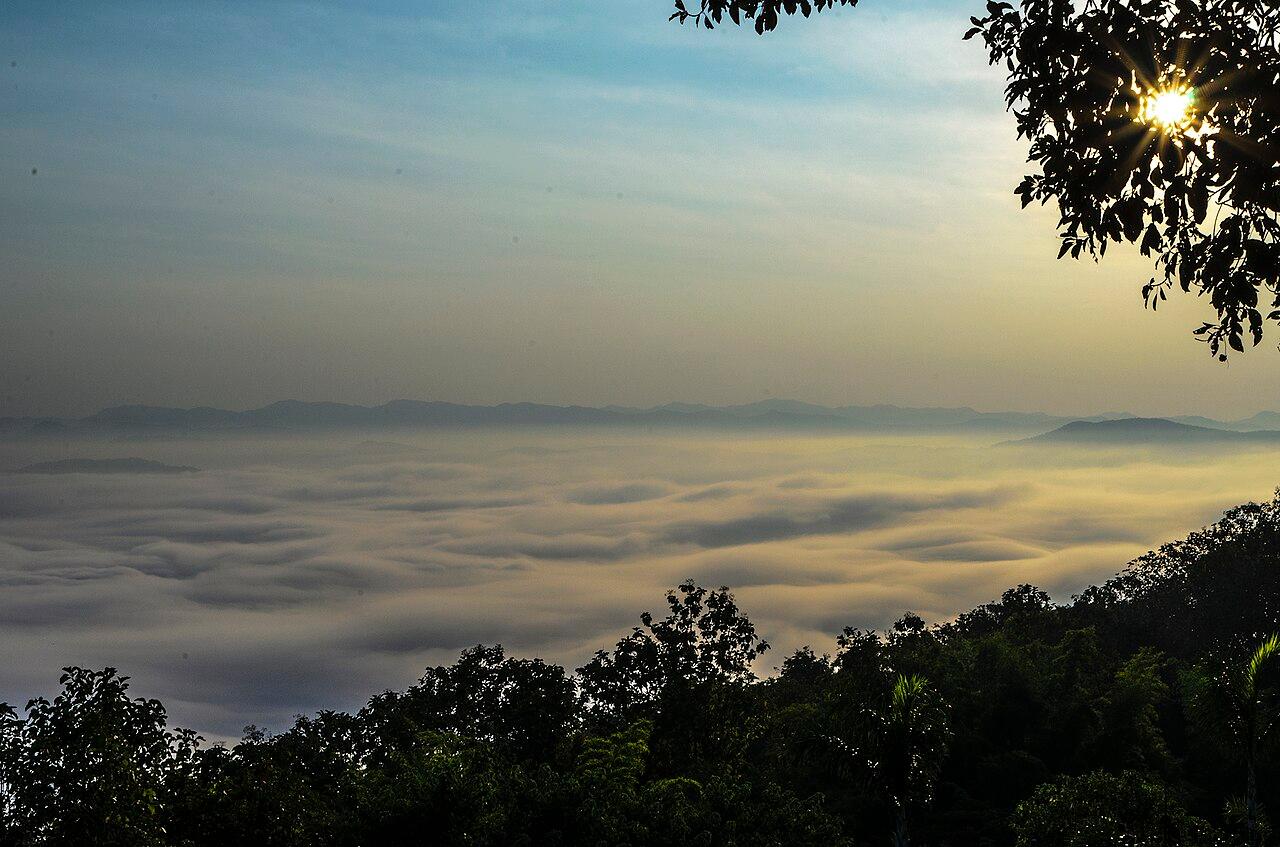
Nan province is a quiet corner of northern Thailand near the Lao border, and the cool season is the best time to go, as long as you plan for a car and book ahead for the busy New Year period. It is a long way from Bangkok, about an hour and a quarter by plane, and its main sights are spread out across mountain roads. In return you get a calm old town with some of the north's finest temple murals, misty mountain viewpoints, and far fewer foreign visitors than Chiang Mai. This guide covers when to go, how to get there and get around, and a 3-day route that links the town, Doi Samer Dao and the salt wells of Bo Kluea.
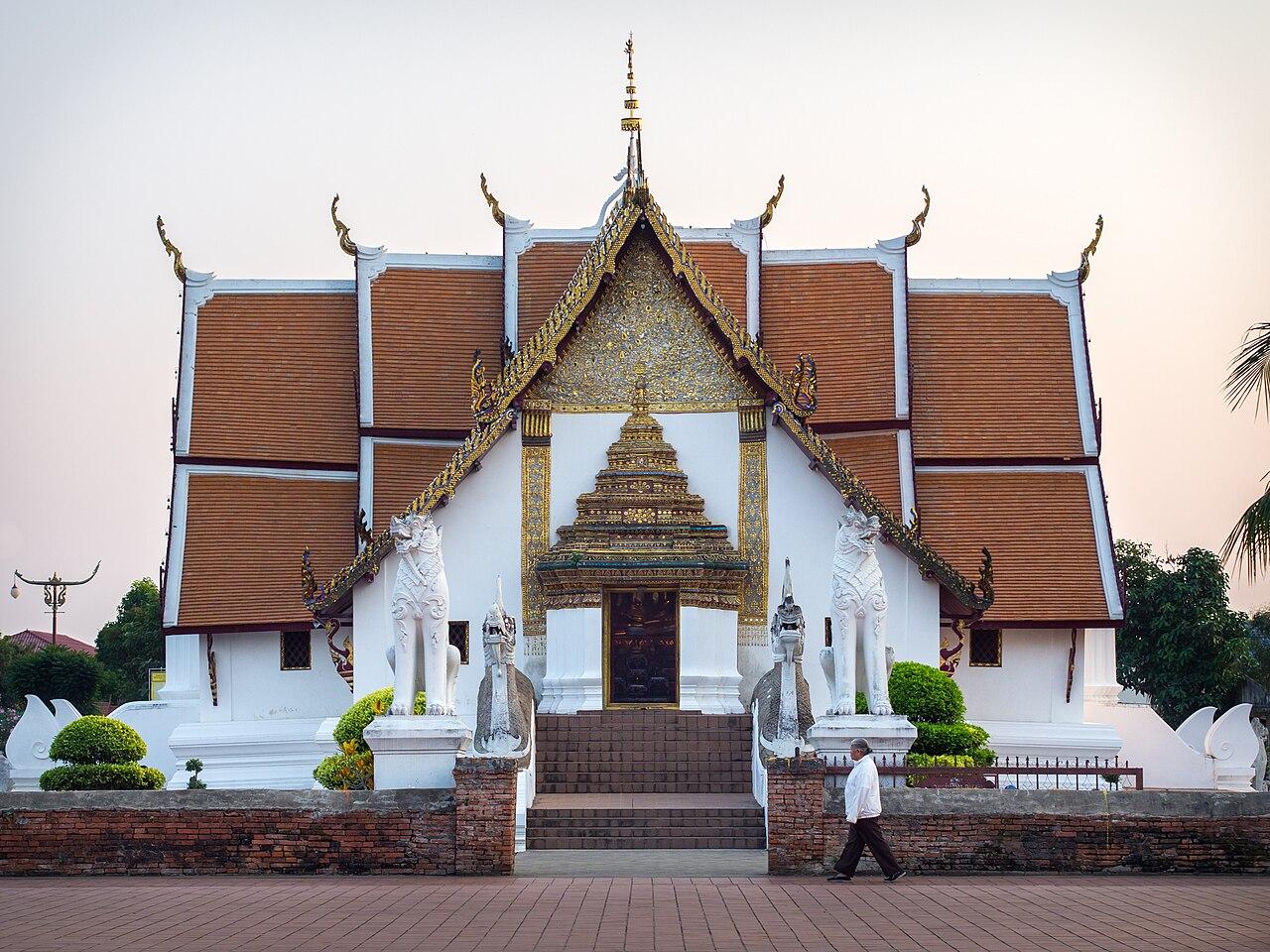
Photo: Takeaway / Wikimedia Commons, CC BY-SA 3.0
When to visit Nan province
Like the rest of the north, Nan province has three seasons:
- November to February (cool season): dry, clear and comfortable by day, with cold mornings in the mountains. This is when mist fills the valleys at sunrise and when campgrounds on the hills are busiest.
- March to May (hot season): hot, and haze from seasonal burning often spoils the views. Not the best time for viewpoints.
- June to October (rainy season): green rice fields and fewer people, but mountain roads can be slippery and some trails close.
Within the cool season, the New Year period and long weekends are the busiest. Thai visitors drive up in large numbers, and rooms in small towns such as Bo Kluea and Pua fill quickly. A weekday trip in late November, early December or mid-January is the easiest to plan.
Getting to Nan and getting around
Flying. Nok Air and Thai AirAsia fly from Bangkok Don Mueang to Nan Nakhon Airport, which is close to town. The flight takes about an hour and a quarter. Schedules change, so check the airlines directly for your dates.
By bus. Buses run from Bangkok's Mo Chit 2 terminal, mostly overnight, and take around nine to ten hours. There is no railway in the province.
From elsewhere in the north. Buses and vans link Nan with Phrae, Chiang Mai and Chiang Rai, but the roads are long and slow. Many people fly in and out of Nan rather than combining it overland.
Getting around. You can walk the old town in a day. For everything else, you need your own transport. Car rental desks operate at the airport and in town, and some guesthouses arrange drivers. The mountain roads to Bo Kluea and Doi Samer Dao are steep and winding, so drive slowly and avoid driving after dark if you are not used to them.
Nan old town: temples, murals and the museum
Nan's old town is small, flat and easy to walk. Plan a full day, with a break in the hottest part of the afternoon.
Wat Phumin
The town's best-known temple, with a cruciform hall and four entrances guarded by naga staircases. Inside, the murals show local life from more than a century ago, including the much-photographed scene of a couple whispering, which has become a symbol of Nan. Go early in the morning, before tour groups arrive, and dress modestly with shoulders and knees covered.
Nan National Museum
Across the road from Wat Phumin, in a former palace building. It gives useful background on the history of the region and its peoples, which makes the rest of the trip easier to understand. Check opening days before you go, as national museums in Thailand often close on Mondays and Tuesdays.
Wat Phra That Chae Haeng
A short drive across the river, this hilltop temple has a golden chedi reached by naga-lined steps. It is a good late afternoon stop.
Wat Phra That Khao Noi
A temple on a hill west of town with a large standing Buddha and a wide view over the valley. Sunset is the popular time. You can drive to the top or climb a long staircase.
In the evenings, there is often a market and street food near Wat Phumin, especially at weekends. Ask your guesthouse which nights it runs during your stay.
Doi Samer Dao and Si Nan National Park
Doi Samer Dao is a grassy ridge in Si Nan National Park, about an hour to an hour and a half south of Nan town in Na Noi district. The name roughly means "the hill level with the stars". It is known for three things: sunrise over a sea of mist, sunset, and clear night skies with little light pollution.
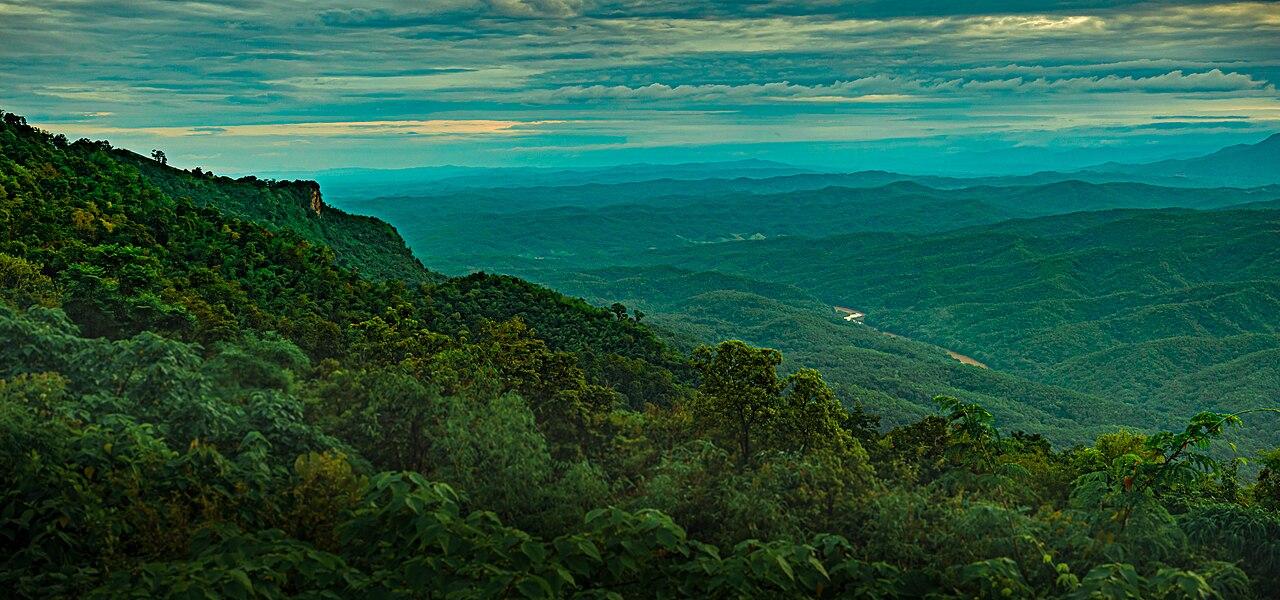
Photo: Tesunkalo / Wikimedia Commons, CC BY-SA 4.0
What to know before you go:
- Entry fee: the national parks department lists Si Nan as 100 baht for foreign adults and 50 baht for foreign children, plus a small fee for a car or motorbike. Thai residents pay less.
- Camping: there is a campsite on the ridge where you can bring your own tent or rent one from the park. Camping is most popular from about October to February. Prices for tent rental differ between sources, and we could not confirm the current rates or opening dates, so call the park before you go.
- Booking: around New Year the campsite fills up. Reserve by phone in advance if you plan to stay overnight.
- Food: facilities are basic. Bring water, snacks and warm clothing.
- Cold: mornings on the ridge can be cold in December and January. A proper jacket is needed for sunrise.
Near the park, Sao Din Na Noi is an area of eroded earth pillars that makes an easy stop on the same day.
Bo Kluea and the mountain road
Bo Kluea is a small mountain town north-east of Nan, close to the Lao border. It is known for its salt wells, where families have drawn salty water from underground springs and boiled it down into salt for centuries. You can watch the process and buy salt in small packs.
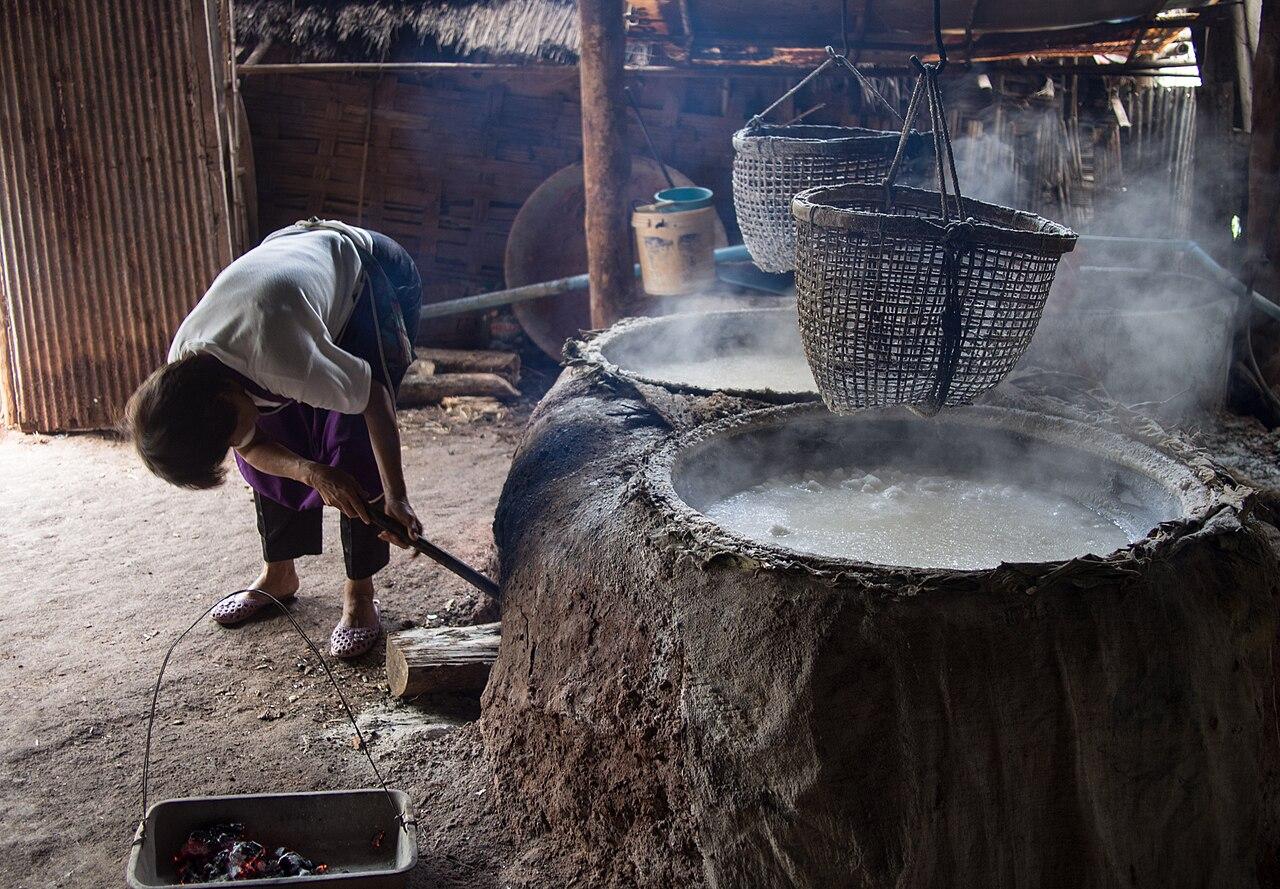
Photo: Takeaway / Wikimedia Commons, CC BY-SA 3.0
The drive is part of the experience. The road climbs through Doi Phu Kha National Park, with viewpoints along the way. It is narrow and has many steep bends, so allow most of a day for the round trip, or stay overnight in Bo Kluea. In the cool season the town has a few riverside cafes and guesthouses, and nights are cold.
On the way back, you can loop through Pua district, which has rice terraces and a well-known temple, Wat Phra That Beng Sakat, among other stops.
A 3-day Nan route for the cool season
This route assumes you fly into Nan in the morning, rent a car and fly out on the afternoon of day three. Our 3 days in Nan sample trip follows a similar route. Copy it into RoamerPlanner and adjust it if you want to camp on Doi Samer Dao or spend a night in Bo Kluea.
Day 1: the old town
- Morning: Arrive, pick up the car and drop bags at your hotel. Visit Wat Phumin early, then the Nan National Museum.
- Lunch: Northern Thai food in the old town. Try khao soi or the local sour sausage.
- Afternoon: Rest, then drive to Wat Phra That Chae Haeng.
- Sunset: Wat Phra That Khao Noi for the view.
- Evening: The market near Wat Phumin, if it is running.
Day 2: Bo Kluea and Doi Phu Kha
- Early morning: Leave Nan and drive north-east into the mountains.
- Morning: Viewpoints in Doi Phu Kha National Park on the way.
- Midday: The salt wells in Bo Kluea and lunch by the river.
- Afternoon: Drive back via Pua, or stay the night in Bo Kluea if you prefer a slower pace.
Day 3: Doi Samer Dao sunrise and fly out
- Very early: Drive south to Doi Samer Dao in time for sunrise. This is easier if you stay the night before at the campsite or nearby.
- Morning: Sao Din Na Noi, then back towards town.
- Afternoon: Return the car and fly back to Bangkok.
If you would rather not drive before dawn, swap days two and three and camp on Doi Samer Dao on the second night.
Where to stay
- Nan old town: the most practical base. Guesthouses and small hotels are within walking distance of the temples and restaurants.
- Bo Kluea: small resorts and homestays in the mountains, good for one night.
- Doi Samer Dao campsite: for sunrise without the early drive. Basic, cold and busy on holidays.
Practical tips
- Rent a car. Public transport to the mountain areas is limited.
- Carry cash. Small shops, markets and some guesthouses outside town do not take cards.
- Dress for temples. Cover shoulders and knees, and take your shoes off where signs ask.
- Pack layers. Days are warm, but mountain mornings in the cool season are cold.
- Check the haze later in the season. From around February, burning can start to affect air quality in the north.
Combining Nan with the rest of northern Thailand
Nan can be paired with Chiang Rai or Chiang Mai, but the roads between them are long, so many people treat Nan as its own short trip from Bangkok. Our 3 days in Chiang Mai itinerary and the guide to Thailand in December help if you are planning a longer northern trip.
Quick FAQ
Is Nan worth visiting? Yes if you like quiet towns, temples and mountain scenery and do not mind driving. It is far less busy than Chiang Mai.
How do I get to Nan from Bangkok? The quickest way is a flight from Don Mueang, which takes about an hour and a quarter. Overnight buses take around nine to ten hours.
Can I camp on Doi Samer Dao? Yes, mainly in the cool season. Call Si Nan National Park to check current dates and prices, and book ahead for holidays.
Do I need a car in Nan? For the old town, no. For Doi Samer Dao, Bo Kluea and the countryside, a car or hired driver is the practical choice.
Sources, checked 1 November 2026: Department of National Parks, Wildlife and Plant Conservation entrance fee list and Si Nan National Park page; Nok Air and Thai AirAsia route information for Don Mueang to Nan. Campsite dates and tent prices for the 2026 to 2027 season were not confirmed by an official source.
Cover photo: Kris4to / Wikimedia Commons, CC BY-SA 4.0
Trips you can copy
Ready-made day-by-day plans for this place. Copy one for free and change it to fit your trip.
Turn this into a plan
Ready to turn this into a real itinerary? Plan it in RoamerPlanner.
Start your own plan, no account neededBrowse sample trips