Multi City Trip Planning Without Wasting Days
November 11, 2026
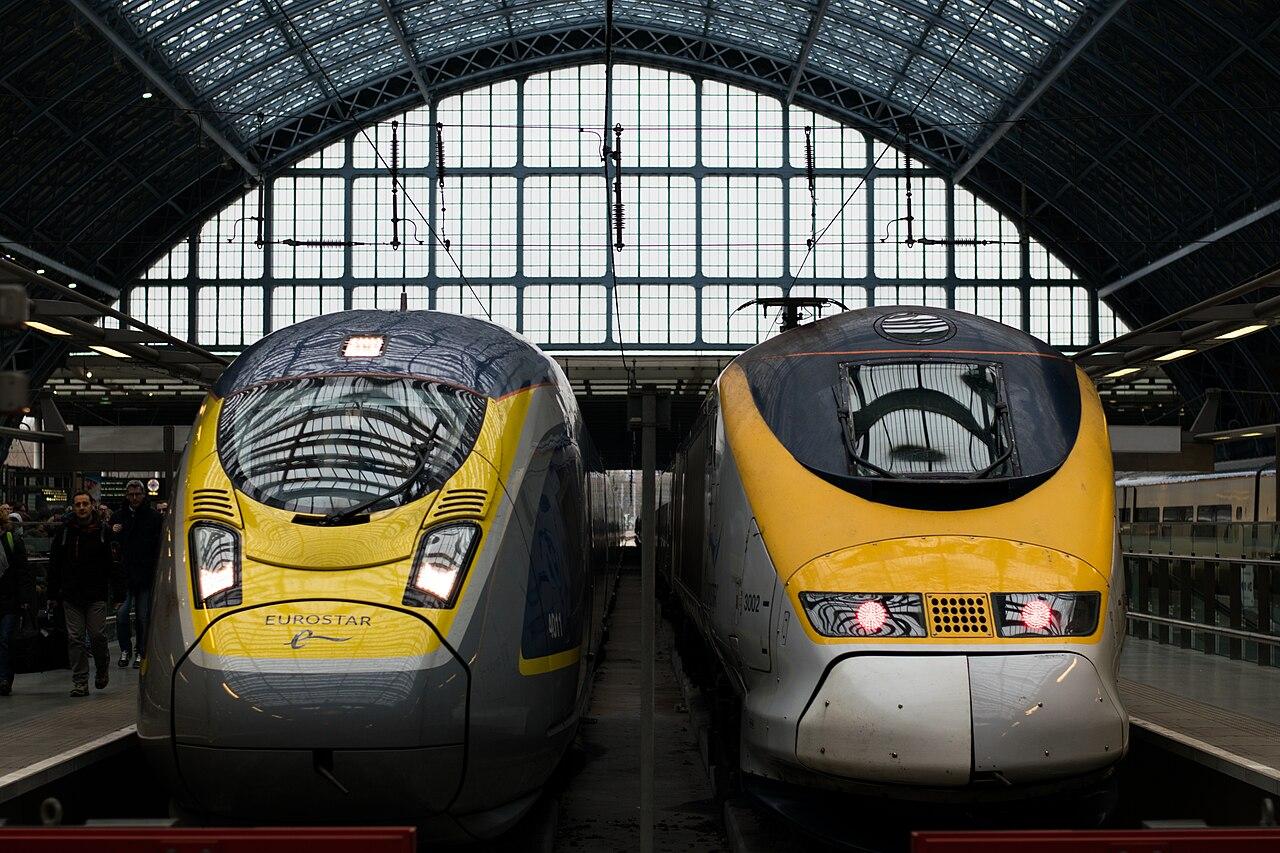
Multi city trip planning fails when the itinerary looks impressive on a map and exhausting on the ground. Every extra city costs a half-day in packing, stations, airports and check-in queues. The goal is not to collect pins. It is to spend most daylight hours inside each place, not between them.
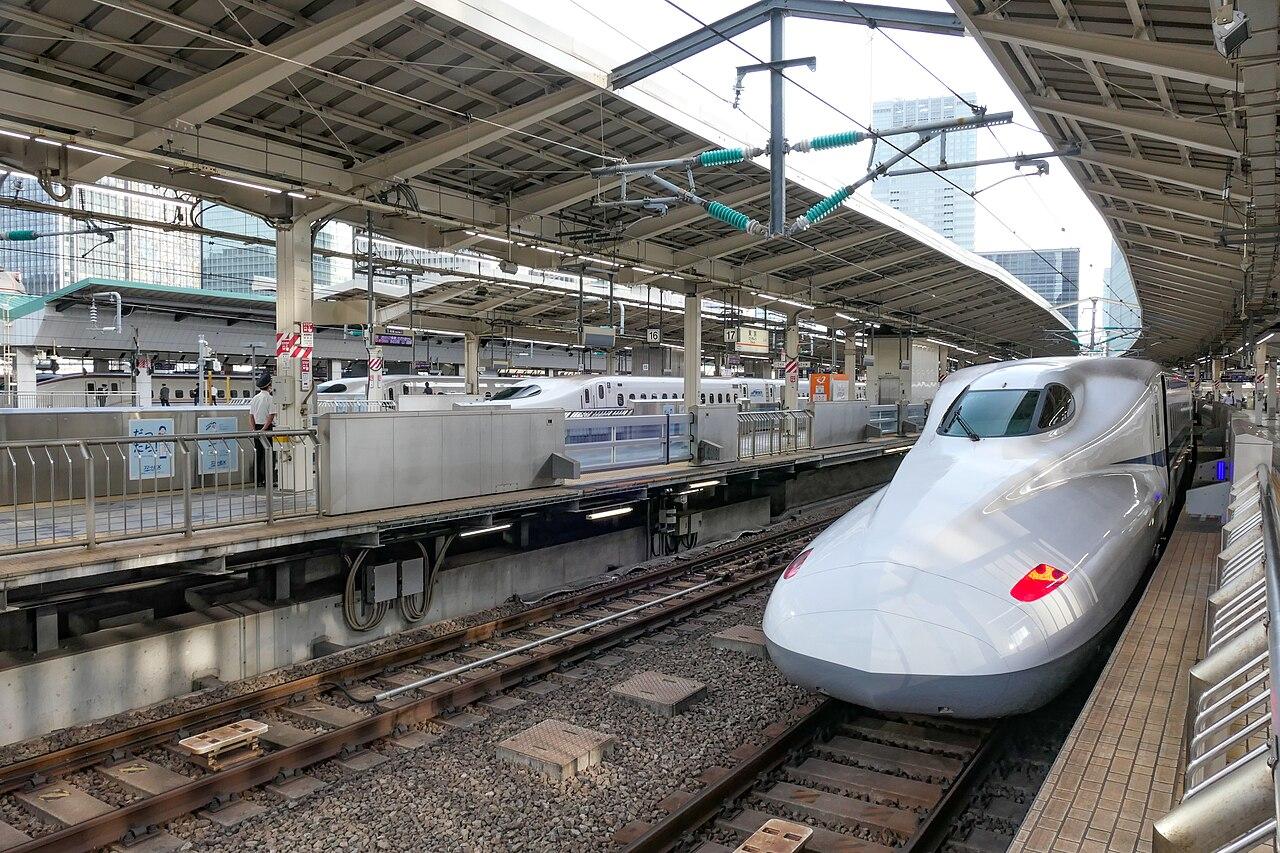
Photo: MaedaAkihiko / Wikimedia Commons, CC BY-SA 4.0
Multi city trip planning starts with a route shape, not a wish list
Write down every city you "should" visit, then cut the list until the maths works. A simple rule of thumb for first-timers:
- 5–7 days: one primary city, maybe one short day trip
- 8–10 days: two cities, or one city plus a nearby second base
- 11–14 days: two or three cities, with real nights in each
Italy and Japan tempt people into four or five stops in two weeks. That pattern creates a trip of luggage and platforms. Compare a focused 10 days in Italy split with an overloaded Rome–Florence–Venice–Milan–Amalfi sketch: the first leaves room to walk; the second spends the holiday relocating.
The same cut applies to a 14-day Japan itinerary: Tokyo and Kyoto with one side trip usually beat Tokyo–Hakone–Kyoto–Osaka–Hiroshima–Tokyo for a first visit.
Count transfer days as half-days (or worse)
A morning train can still erase a museum day:
- Pack and checkout
- Travel to station or airport
- Security or ticket gates
- The journey itself
- Local transport to the new hotel
- Drop bags or wait for check-in
Treat each intercity move as consuming half a day minimum, and a full day if it includes a flight, a late arrival or a rural connection. If your spreadsheet shows seven cities and six transfers, you do not have a seven-city holiday. You have a transport tour.
Choose bases that reduce backtracking
Good multi-city routes move in one direction. Weak ones bounce.
Better: Tokyo → Kyoto → Osaka (or reverse), with day trips from each base Weaker: Tokyo → Kyoto → Tokyo → Hakone → Tokyo
Better: Rome → Florence → Venice Weaker: Rome → Venice → Florence → Rome
Open-jaw flights (arrive City A, leave City B) often save a full return transfer. If open-jaw fares are close to round-trip into one hub, take them.
Decide the job of each city
Give every stop a purpose so you do not book nights out of guilt.
Examples:
- City A: arrive, shake jet lag, one major museum district
- City B: walkable historic centre, food focus
- City C: nature or day-trip hub before departure
If two cities on your list have the same job, pick the one that fits the route and drop the other. Multi city trip planning gets easier when cities are not interchangeable names on a mood board.
Photo: 0x010C / Wikimedia Commons, CC BY-SA 4.0
Build days around arrival and departure realities
- Arrive late afternoon: hotel neighbourhood walk only
- Depart early evening: stop checkouts by late morning and keep luggage storage plans
- Night trains or overnight buses: count sleep quality; a wrecked next day is a hidden transfer cost
Put hotel locations near the station you will actually use when a city is a short stay. A beautiful apartment across town is a poor deal for a 36-hour stop.
How many nights per city?
A workable default for first-timers:
- Major capital (Tokyo, Paris, Rome, London): 3–4 nights minimum
- Secondary city (Florence, Kyoto, Sevilla): 2–3 nights
- Brief stop / transit city: 1 night only if the route truly needs it
One-night stops are for connection logic, not for "seeing" a place. If you care about a city, give it two sleeps so you get one full day.
Book the scarce things first
Order of operations that usually wastes fewer days:
1. Route and rough night counts 2. Intercity trains or flights that sell out (peak Japan, Eurostar, holiday weekends) 3. Hotels in constrained centres 4. Timed museum tickets 5. Day tours and restaurants
Reverse that order and you will find yourself stuck with museum tickets in a city you no longer have time to reach.
Keep a buffer day
Long multi-city trips need one unassigned half-day somewhere in the middle. Use it for weather, strikes, missed connections or the museum you discovered too late. Buffer is not laziness. It is how the plan survives contact with transport.
Tools that help (without overbuilding)
A shared timeline beats a chain of chat messages. Put cities, trains and hotel nights into RoamerPlanner so everyone sees the same sequence. Link each city to a sample plan where one exists, such as 3 days in Rome or 5 days in Tokyo, then delete activities until the day matches your energy.
Spreadsheets are fine for budgets. They are weak for showing that Thursday is already a transfer day.
A simple editing checklist before you pay
- Can you name what you will do with each morning?
- Does any city exist only because of FOMO?
- Are two transfers on consecutive days?
- Did you schedule a big walking day immediately after a long-haul arrival?
- Would cutting one city add a full free day to another?
If cutting one stop improves two others, cut it.
FAQ
Is a two-city trip "too simple"?
No. Two cities done calmly beats five cities remembered mainly for luggage.
Should you always take the train instead of flying inside a region?
When stations are central and the journey is under about four hours, trains often waste fewer total hours door to door. For longer hops, compare total time including airports, not just airborne minutes.
How do groups decide without endless polling?
Set constraints first (dates, budget, max number of cities), then vote only inside those limits. Unbounded polls recreate the wish list problem.
Worked example: 10 days in Italy
A clean version:
- Nights 1–3: Rome
- Transfer morning to Florence; nights 4–6 Florence
- Transfer to Venice; nights 7–9 Venice
- Night 10: near departure airport if needed
An overloaded version adds Naples, the Amalfi Coast and Milan. Each add-on looks small. Together they erase museum mornings and turn dinners into station snacks. If southern Italy matters more than Venice, swap Venice out entirely instead of squeezing both.
Worked example: 10 days in Japan
A clean version:
- Nights 1–4: Tokyo
- Day trip to Nikko or Kamakura from Tokyo
- Transfer to Kyoto; nights 5–8 Kyoto with a Nara day trip
- Optional 1–2 nights Osaka only if food and nightlife are the goal, not because "everyone goes"
Adding Hiroshima plus Hakone plus Kanazawa in the same ten days usually means you remember hotels more than neighbourhoods. Save the long loop for a second trip or a full 14-day Japan plan.
Packing and luggage strategy
Multi-city trips get easier when bags get smaller:
- One carry-on friendly bag per person when airlines and trains allow
- Laundry once instead of packing for every day
- Shipping luggage ahead in countries where that is normal (Japan takkyubin is the classic example)
Giant suitcases punish every cobbled street and every Métro staircase. They also make you reject the better hotel three streets from the station because "the walk is too far with this bag."
Money and bookings across cities
- Keep hotel cancellable until the route is stable
- Align free-cancellation deadlines with train ticket purchase dates
- Track city tourist taxes and luggage-storage fees in the budget so the "cheap" extra stop is honest
A city that needs a flight, two airport trains and a paid luggage room for a 20-hour stay is rarely a bargain.
Sources checked 6 Nov 2026: planning heuristics based on typical rail/air transfer overheads; verify specific train booking windows and strike calendars for your route when you lock dates.
Cover photo: 0x010C / Wikimedia Commons, CC BY-SA 4.0
Trips you can copy
Ready-made day-by-day plans for this place. Copy one for free and change it to fit your trip.
Turn this into a plan
Ready to turn this into a real itinerary? Plan it in RoamerPlanner.
Start your own plan, no account neededBrowse sample trips