Jet Lag Tips: How to Plan the First 48 Hours of a Long-Haul Trip
November 14, 2026
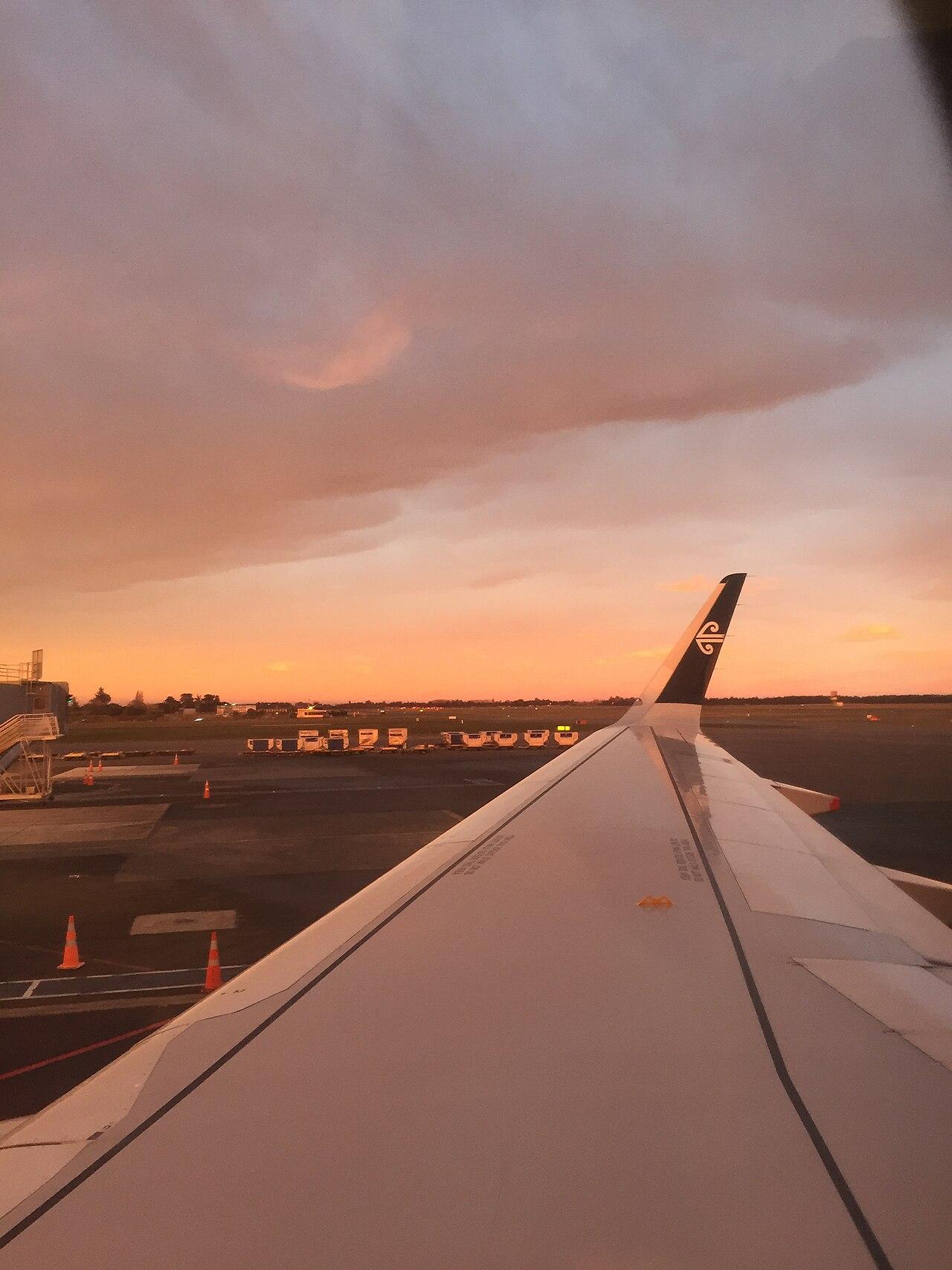
Most jet lag tips focus on the flight. The part that decides how the trip feels is what you schedule for the first two days after you land. If those days are planned around your body clock instead of against it, you lose less of your holiday to foggy afternoons and 3 a.m. wake-ups.

Photo: Tomwsulcer / Wikimedia Commons, CC0
This guide is about planning, not medicine. It explains which direction is harder, how to use light, and how to build a realistic first 48 hours into your itinerary. If you have a health condition or take regular medication, talk to a doctor before changing your sleep or using any sleep aid.
Why direction matters
Your body clock adjusts by roughly an hour or so per day on its own. Crossing a few time zones is usually manageable. Crossing many is where jet lag becomes a real factor in your plans.
Flying east (for example Europe to Asia, or the US to Europe) is harder for most people. You need to fall asleep earlier than your body wants, which is difficult to force.
Flying west (for example Asia to Europe, or Europe to the US) is usually easier. Staying up a little later is simpler than going to bed early. The common problem is waking very early.
Knowing this helps you decide where to put the important days. After an eastward flight, protect day three for anything you really care about. After a westward flight, plan early-morning activities on the first days, when you will be awake anyway.
Light is the main tool
Daylight is the strongest signal your body clock uses. Medical guidance, including the CDC's travel health guidance, comes down to two simple rules:
- After flying east, get bright light in the morning and avoid bright light in the evening.
- After flying west, get light in the late afternoon and evening, and avoid very early morning light.
For itinerary planning, that means:
- East: schedule outdoor walks, markets and sightseeing in the morning. Put museums, shopping malls and dinner in the evening.
- West: plan outdoor time later in the day. A sunset viewpoint or evening walk is useful on day one.
When you cross a very large number of time zones, the timing gets more complicated, and morning light can push your clock the wrong way at first. Online jet lag calculators can work out the right windows for your specific route.
Jet lag tips for the flight itself
- Set your watch to destination time when you board and start thinking in that time zone.
- Sleep on the plane if it is night at your destination. Stay awake if it is daytime there, even if the cabin is dark.
- Drink water and go easy on alcohol, which makes sleep lighter.
- Choose flight times that help. Arriving in the late afternoon or early evening means you only need to stay up for a few hours before a normal bedtime. Arriving at dawn after a sleepless night is the hardest start.

Photo: Rick04222014 / Wikimedia Commons, CC0
Planning the first 48 hours
Arrival day
Keep it light. This is not the day for timed tickets or long tours.
- Book a hotel that allows early check-in, or pay for it. A shower and a short nap of under 30 minutes can make the afternoon bearable.
- Avoid long naps. Sleeping for three hours in the afternoon is the most common reason people are awake at 2 a.m.
- Plan one easy outdoor activity at the right time of day for your direction (see the light rules above).
- Eat meals at local times, even if you are not hungry.
- Go to bed at a normal local hour, perhaps a little early.
Good arrival-day activities: a neighbourhood walk, a park, a riverside stroll, a simple dinner close to the hotel.
Day two
You will probably feel better in the morning and dip in the mid-afternoon.
- Put the most active sightseeing in the part of the day when you feel clearest.
- Schedule a sit-down activity for the afternoon dip: a boat ride, a long lunch, a museum with benches, a café.
- Keep the evening simple again.
Day three onwards
Most people feel close to normal around now after a moderate time difference. If you crossed many zones eastward, it can take longer. This is the day to put the big-ticket items: a timed museum entry, a day trip, a special dinner.
What about melatonin and sleep aids?
Melatonin is widely used for jet lag, and medical guidance suggests that low doses taken at the right time can help some travellers, particularly after flying east. It is sold over the counter in some countries but is prescription-only or restricted in others, so check the rules where you buy it and where you are going. Ask a doctor or pharmacist before using melatonin or any sleep medication, especially with other medicines.
Caffeine can help you stay alert in the afternoon. Stop by mid-afternoon so it does not ruin your first night.
Sample first two days: Europe to Tokyo
Flying east into Tokyo is one of the harder jet lag routes. A plan that works with it:
- Arrival afternoon: check in near your station, walk around the neighbourhood, early dinner, bed by local bedtime.
- Day 2 morning: outdoor sightseeing, for example a shrine and park walk.
- Day 2 afternoon: a seated activity, such as a river cruise or a café break.
- Day 2 evening: a calm dinner, no late night.
- Day 3: start the timed and booked parts of your 5-day Tokyo itinerary.
Sample first two days: Asia to London
Flying west into London is usually gentler, but early waking is common.
- Arrival day: stay outside into the late afternoon. A walk along the South Bank works well.
- Day 2: use the early start for a quiet morning at a market before it gets busy, then an afternoon museum.
- Day 3: you will probably be close to normal. The 4-day London itinerary slots in from here.
Families and jet lag
Children often adjust faster than adults, but not always on the same schedule. Plan the first day around naps and meals rather than sights, keep one parent free to stay at the hotel if needed, and avoid early tickets on day two. Our family trip planning guide has more on pacing with kids.
A checklist before you fly
- Pick a flight that lands in the afternoon or early evening if possible.
- Book early hotel check-in for the arrival day.
- Leave arrival day and the next morning free of fixed bookings.
- Plan outdoor time at the right time of day for your direction.
- Move big timed tickets to day three or later.
- Ask a doctor about sleep aids if you plan to use them.
For the rest of your pre-trip tasks, our international travel checklist covers documents and bookings in the weeks before you fly.
FAQ
How long does jet lag last? It depends on how many time zones you cross and the direction. A rough rule is a day or so per time zone, with eastward trips usually taking longer.
Should I stay up all night before flying? Usually not. Arriving exhausted makes the first days harder and does not reset your clock faster.
Is it better to arrive in the morning or evening? For most long-haul routes, late afternoon or early evening is easiest, because you only need to stay awake a few hours before bed.
Sources
CDC Yellow Book 2026, Jet Lag Disorder (light exposure timing by direction, melatonin guidance); NICE Clinical Knowledge Summaries on jet lag management. Checked 9 Nov 2026. This article is general travel planning information, not medical advice.
Build a lighter first day and push timed tickets to day three in RoamerPlanner, then share the plan with everyone you are travelling with.
Cover photo: G B_NZ / Wikimedia Commons, CC BY-SA 2.0
Trips you can copy
Ready-made day-by-day plans for this place. Copy one for free and change it to fit your trip.
Turn this into a plan
Ready to turn this into a real itinerary? Plan it in RoamerPlanner.
Start your own plan, no account neededBrowse sample trips