Delhi in Winter: Fog, Air Quality and How to Plan 4 Days
November 25, 2026
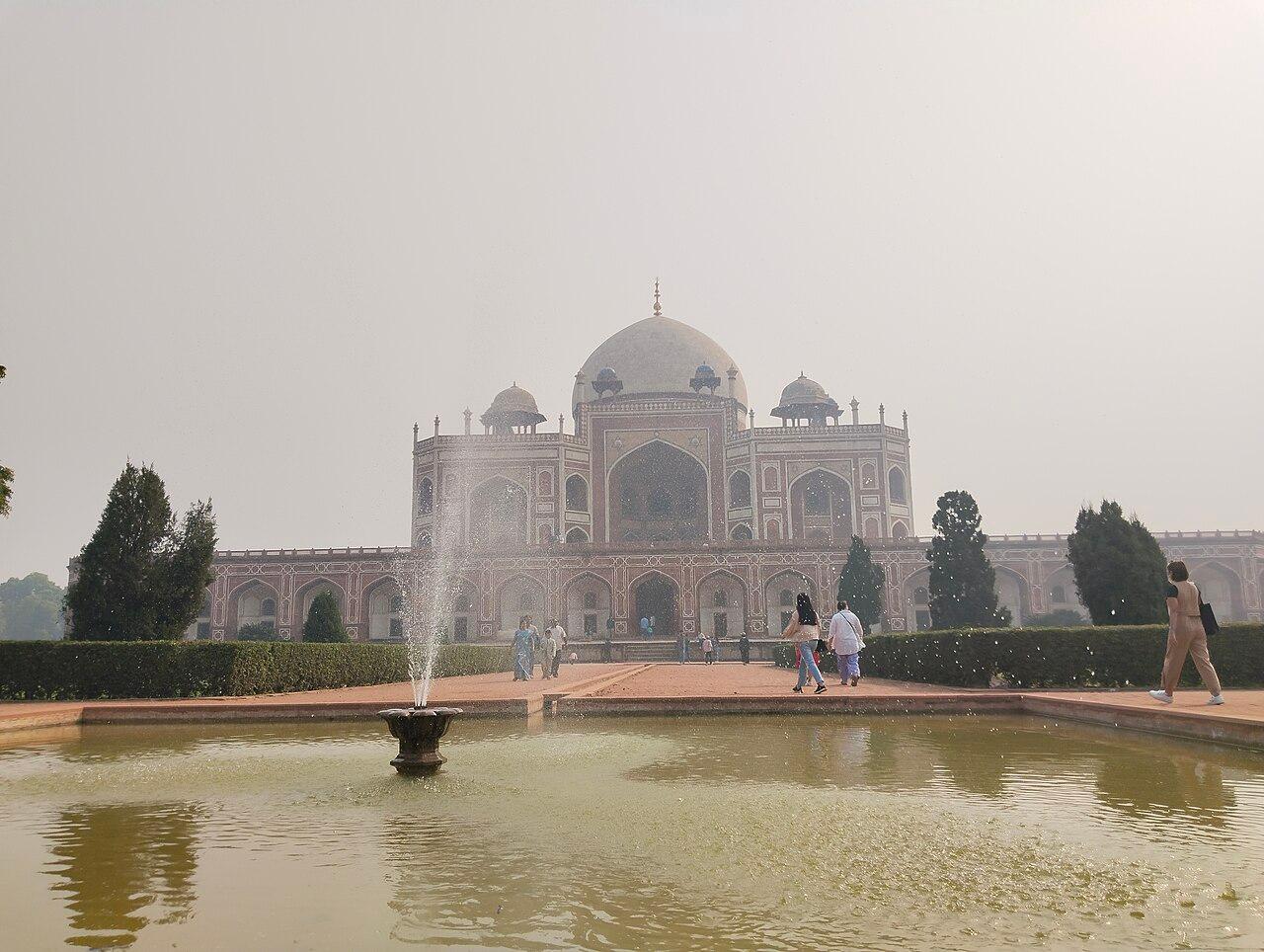
Delhi in winter is the season most visitors aim for: the heat has gone, days are often sunny and mild, and the big monuments are pleasant to walk around. It also brings two problems that can upset a tight schedule, smoggy air that is usually at its worst from November into early January, and dense morning fog that delays flights and trains from late December. This guide covers how to plan around both, what the main sights cost now, the Republic Day closures in late January, and a 4-day plan with slack built in.
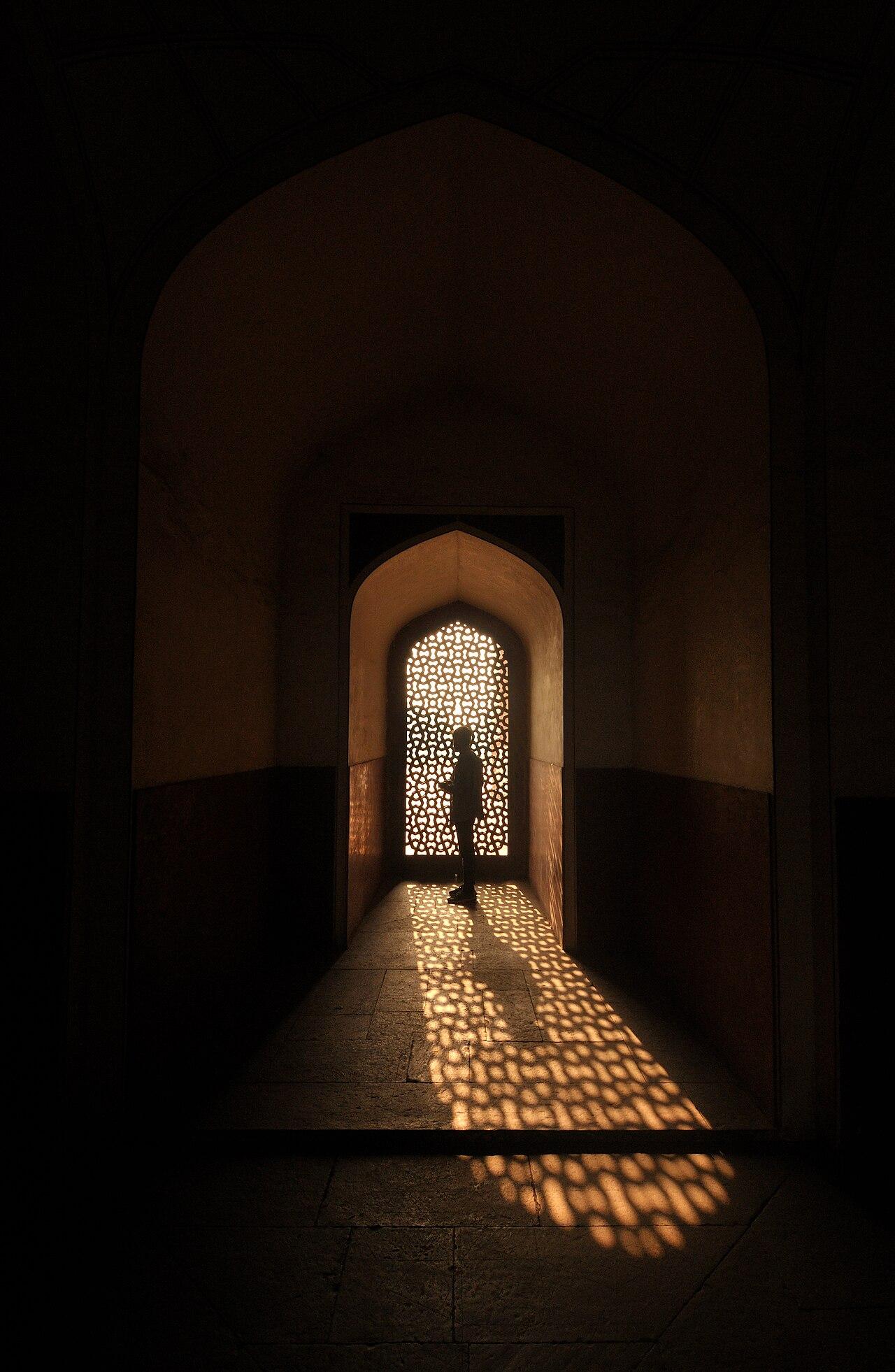
Photo: Dey.sandip / Wikimedia Commons, CC BY-SA 4.0
What Delhi in winter is really like
Winter here runs roughly from November to February, and it changes a lot within those months.
- November: warm afternoons and cool evenings. Air quality is often poor after Diwali and crop burning in the region, so this is the month to watch the pollution forecast closely.
- December: cooler, with chilly mornings and evenings. Fog starts to appear in the second half of the month.
- January: the coldest month. Nights can feel properly cold, many hotels have weak heating, and fog is most likely in the early morning.
- February: warming up, clearer air on many days, and a good month for a relaxed trip.
Pack layers. A warm jacket for early starts, a sweater for evenings and something light for sunny afternoons will cover most days.
Air quality: how to plan around it
Delhi's air is a real factor, not a footnote. On bad days the sky turns grey, the smell of smoke hangs in the streets and long outdoor walks are tiring, especially for children, older travellers and anyone with asthma.
- Check the daily index. The Central Pollution Control Board publishes the Air Quality Index for the city, and apps such as SAMEER show live readings. When the index is in the "severe" range, swap outdoor plans for museums or a slower day.
- Know what GRAP means. The Graded Response Action Plan is a set of emergency rules that tighten in stages as pollution rises. Higher stages can stop construction, restrict some older vehicles and move schools online. For visitors the main effect is traffic and taxi availability; monuments normally stay open. When we checked on 20 November 2026, the stricter third stage had just been lifted again.
- Bring proper masks. A well-fitting N95 or FFP2 mask helps on smoggy days. Cloth masks do little.
- Plan indoor options. The National Museum, the Crafts Museum and covered markets give you something useful to do on a bad day.
If your dates are flexible and air quality matters to you, February is usually the better half of winter.
Fog: protect your connections
From late December to the end of January, dense fog often settles over north India in the early morning.
- Flights: Delhi airport can land many aircraft in low visibility, but delays still build up during fog spells, and early-morning departures are hit hardest. Choose late-morning or afternoon flights where you can.
- Trains: long-distance trains can run hours late in fog. Do not plan an overnight train that has to arrive in time for a flight.
- Leave a buffer: if you fly home on an international ticket, spend the night before in Delhi rather than arriving the same day from Agra or Jaipur.
- Day trips by road: leave after the fog has lifted, often mid-morning, rather than at dawn.
Monument tickets and hours
The Red Fort, Humayun's Tomb and the Qutub Minar complex are run by the Archaeological Survey of India (ASI) and share one fee table.
- Foreign visitors pay ₹550 online or ₹600 at the counter at each of the three.
- Visitors from SAARC and BIMSTEC countries (including Thailand) pay much less, and children under 15 go free.
- Where to buy: use the booking links on the official ASI website. Third-party sites that charge more are resellers. Carry the passport you booked with.
- Hours: ASI lists the sites as open from sunrise into the evening. The Red Fort's weekly Monday closure was reported lifted in 2026, but check the booking calendar for your date rather than relying on older guides.
Arrive at opening time. Humayun's Tomb is quiet and beautiful in early light, and the Qutub complex gets busy with school groups later in the day.
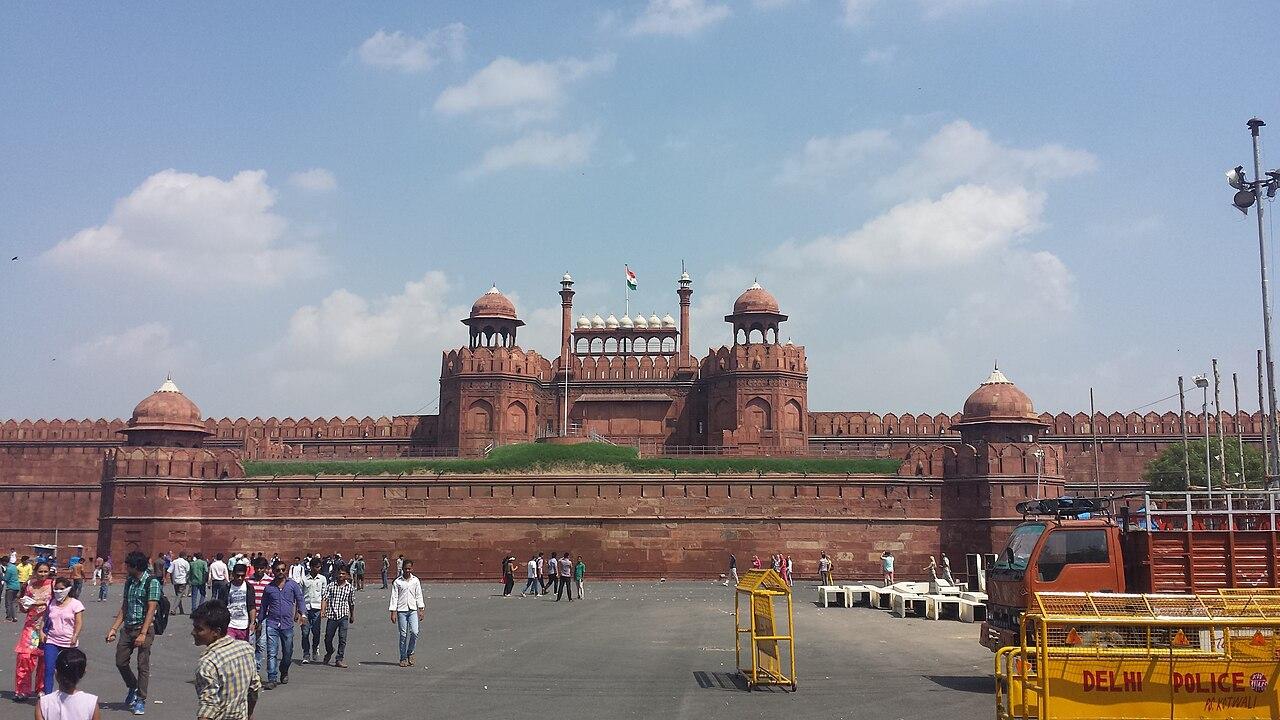
Photo: Rickard Törnblad / Wikimedia Commons, CC BY-SA 4.0
Republic Day: the late January closures
Republic Day falls on 26 January, with a large parade on Kartavya Path in central New Delhi.
- Rehearsals close roads around Kartavya Path, India Gate and Vijay Chowk on several mornings in January.
- The Red Fort has closed to visitors for part of late January in past years for Republic Day events, for example from 20 to 31 January in 2025. Expect something similar in 2027 and check the ASI notice before you travel.
- Beating Retreat, the military music ceremony at Vijay Chowk, takes place on 29 January.
- Tickets for the parade and Beating Retreat are sold through the Ministry of Defence's Aamantran portal. The 2027 sale dates had not been announced when we checked.
If you are not coming for the parade, avoid building your Red Fort visit around the last ten days of January.
Getting around
- From the airport: the Airport Express metro line runs to New Delhi station in about 20 minutes. Prepaid taxis and ride-hailing apps are the other easy options.
- Metro: clean, cheap and the best way to skip traffic. Buy a card or use QR tickets in the official app.
- Ride-hailing: Uber and Ola work well. Auto-rickshaws are good for short hops; agree the fare or use an app.
- Old Delhi: walk or take a cycle-rickshaw. Cars barely move in the lanes around Chandni Chowk.
A 4-day plan for Delhi in winter
This plan follows the order of our 4 days in Delhi sample trip, with outdoor sights early in the day and a flexible slot for bad-air days. You can copy it into RoamerPlanner and move days around as the forecast changes.
Day 1: New Delhi
- Morning: Humayun's Tomb at opening time, then Sunder Nursery next door.
- Afternoon: Lodhi Garden and the Lodhi Art District murals.
- Evening: India Gate at dusk, then dinner in Khan Market.
Day 2: Old Delhi
- Morning: the Red Fort (check closures in late January).
- Late morning: Jama Masjid. Dress modestly and cover your shoulders and legs.
- Afternoon: a walk or rickshaw ride through Chandni Chowk, with food stops on the way.
- Evening: rest. Old Delhi is tiring, and evenings are cold in January.
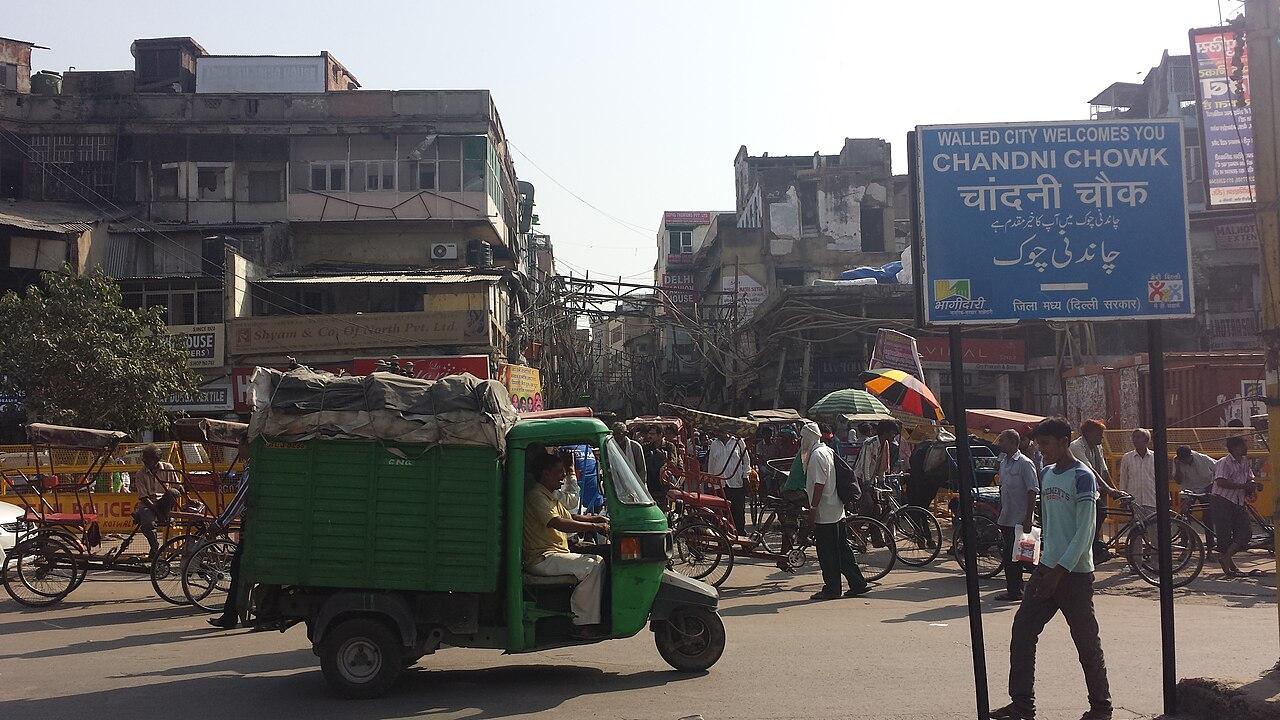
Photo: Rickard Törnblad / Wikimedia Commons, CC BY-SA 4.0
Day 3: South Delhi
- Morning: the Qutub Minar complex.
- Afternoon: Mehrauli Archaeological Park or Hauz Khas village and its lake.
- Evening: dinner in Hauz Khas or a quieter neighbourhood restaurant.
Day 4: flexible day
- Clear day: Akshardham temple (closed on Mondays; phones are not allowed inside), or the Crafts Museum and Dilli Haat.
- Smoggy day: the National Museum, then a slow lunch and shopping in Connaught Place.
- Fog-risk travel day: keep this day light if you fly out the next morning.
Adding Agra or Jaipur
Most first trips to India combine Delhi with Agra and Jaipur. Agra is a long day trip by fast train or road; read our guide to Taj Mahal tickets and fog season before you decide between a day trip and an overnight stay. For Jaipur, the 3 days in Jaipur sample trip is an easy add-on, and in mid-January the city also hosts its literature festival.
In winter, add a spare half-day between legs. A fog delay on the road or rails should not cost you a whole sight.
Entry and practical points
- Visas: most visitors need an Indian e-Visa. Apply only on the government's official e-Visa website and allow several days before travel.
- Money: cards work in hotels and malls; UPI is everywhere but needs an Indian account for most visitors. Carry some cash for markets and small shops.
- Health: drink bottled or filtered water. Take it easy on the first day if the air is bad.
- Scams: ignore anyone at a monument gate or station who says your site is closed and offers another tour.
Quick answers
Is Delhi in winter a good time to visit? Yes for weather, especially February. November and December often have poor air, and January brings fog.
How bad is the fog? It is mostly an early-morning problem from late December to January. It mainly affects flights, trains and road transfers.
How much are monument tickets? ₹550 online or ₹600 at the counter for foreign visitors at the Red Fort, Humayun's Tomb and Qutub Minar.
Is the Red Fort open in January? Usually, but it has closed for part of late January in past years for Republic Day. Check before you go.
Sources checked 21 November 2026: ASI "Must See" monument pages and the ASI booking portal (fees for the Red Fort, Humayun's Tomb and Qutub Minar), Commission for Air Quality Management notices on GRAP stages in November 2026, Ministry of Defence Rashtraparv and Aamantran information on Republic Day events, and reporting on fog operations at Delhi airport. Rules, fees and closures can change; check again before you travel.
More about India: all articles and trip plans
Trips you can copy
Ready-made day-by-day plans for this place. Copy one for free and change it to fit your trip.
Turn this into a plan
Ready to turn this into a real itinerary? Plan it in RoamerPlanner.
Start your own plan, no account neededBrowse sample trips