Is the JR Pass Worth It in 2026? Run the Numbers for Your Route
October 19, 2026
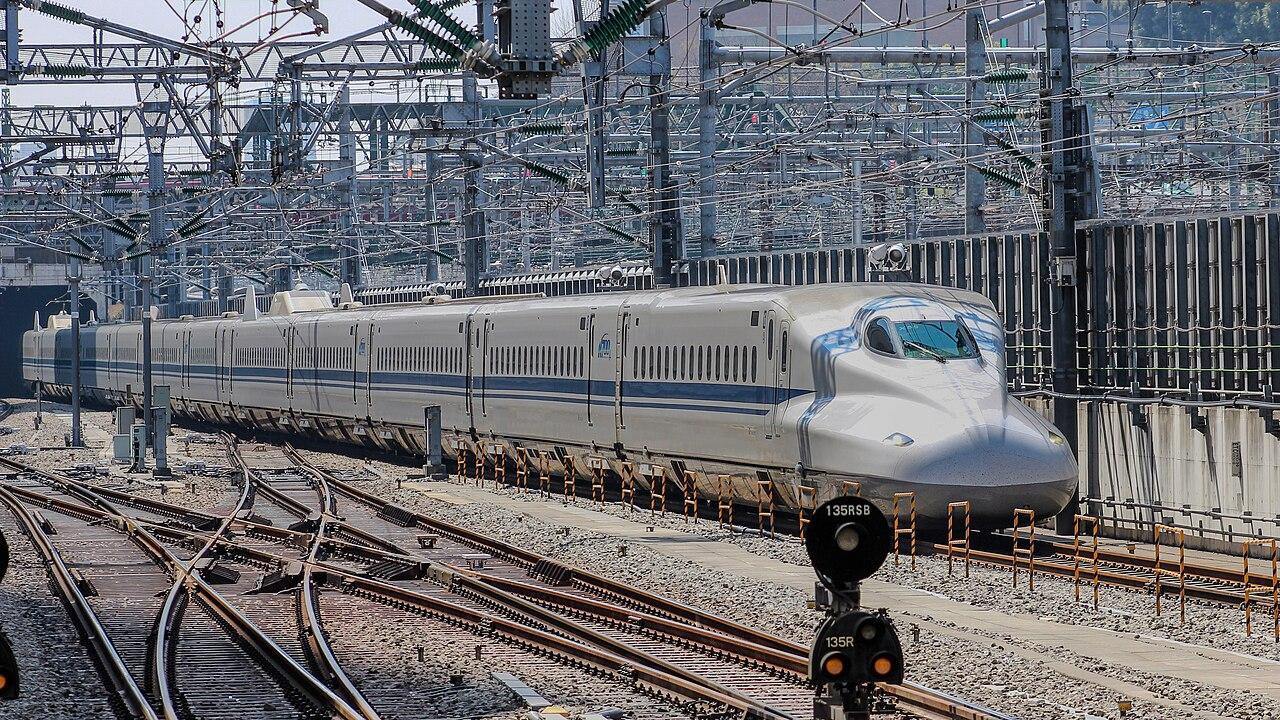
Is the JR Pass worth it in 2026? For many first trips to Japan, the honest answer is no, and for some it clearly is. It depends on how far you travel by Shinkansen within the pass period, not on how long you are in Japan. This guide gives you the current prices, the fares to compare against, and three example routes so you can do the math for your own plan in a few minutes.
JR Pass prices in 2026
The nationwide Japan Rail Pass comes in 7, 14 and 21 day versions, in Ordinary class or Green (first) class. The JR Group changed prices from 1 October 2026, but only for passes bought through overseas agencies. Passes bought on the official JAPAN RAIL PASS Reservation website keep the old price for a limited time, and JR says it will announce when that ends.
Ordinary pass, adult
- 7 days: 50,000 yen online, 53,000 yen via an overseas agency
- 14 days: 80,000 yen online, 84,000 yen via an agency
- 21 days: 100,000 yen online, 105,000 yen via an agency
Green pass, adult
- 7 days: 70,000 yen online, 74,000 yen via an agency
- 14 days: 110,000 yen online, 116,000 yen via an agency
- 21 days: 140,000 yen online, 147,000 yen via an agency
Children aged 6 to 11 pay about half. These are the prices published by the JR Group as of October 2026. Check the official site before you buy, since the online price freeze can end.
Two rules shape the math:
- The days are consecutive. A 7-day pass that starts on a Monday ends on Sunday, whether you ride trains every day or not.
- Nozomi and Mizuho trains are not included. These are the fastest services on the Tokaido, Sanyo and Kyushu Shinkansen. With the pass you ride Hikari, Kodama or Sakura trains for free, or buy a special Nozomi/Mizuho ticket for each ride. Between Tokyo and Kyoto that ticket costs 4,960 yen one way.
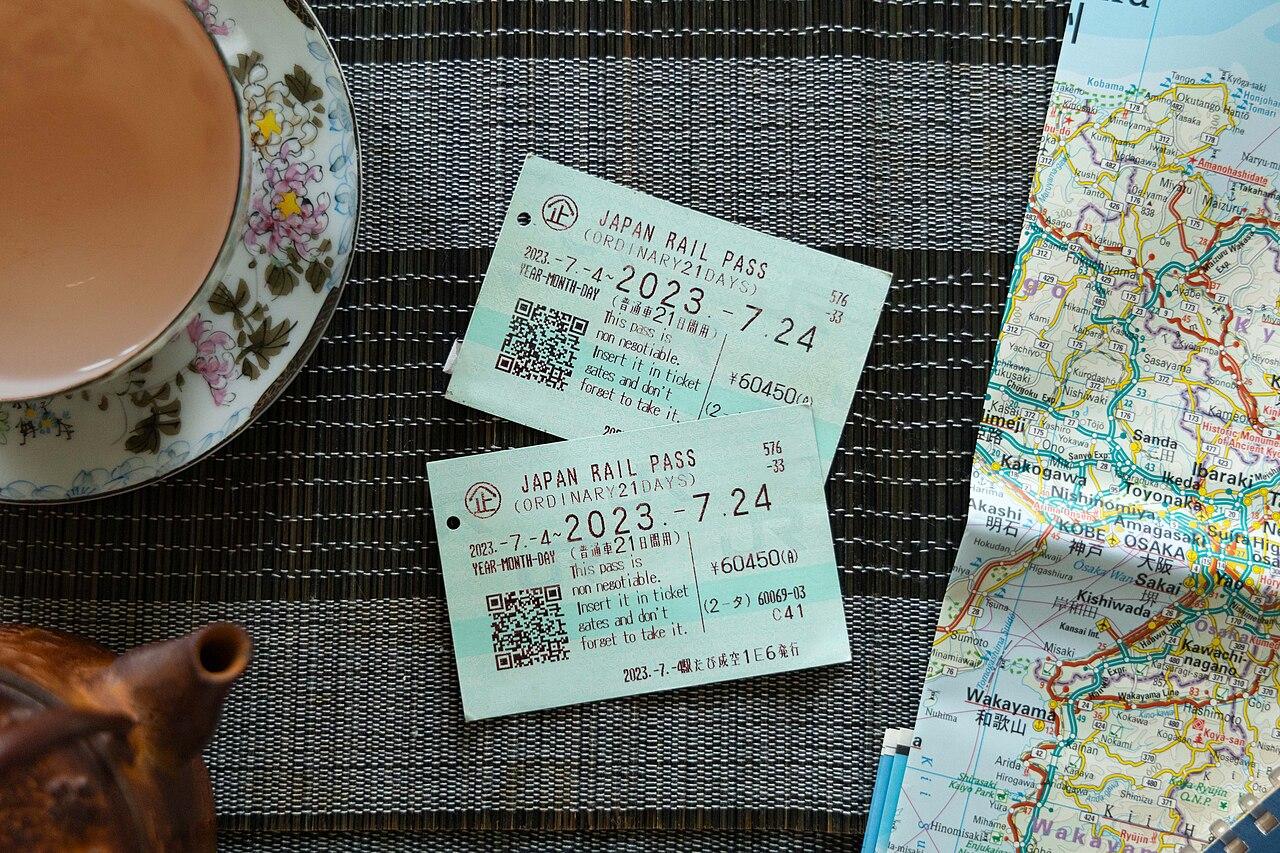
Photo: Emile Donzel / Wikimedia Commons, CC BY-SA 4.0
The fares you are comparing against
Here are regular one-way fares for a reserved Ordinary seat on a Nozomi, from JR's published fare tables (regular season, March 2026 fares). Hikari reserved seats are 320 yen cheaper. Peak season adds 200 yen, the busiest periods 400 yen.
- Tokyo to Kyoto: 14,170 yen
- Tokyo to Shin-Osaka: 14,720 yen
- Kyoto to Hiroshima: 11,940 yen
- Shin-Osaka to Hiroshima: 10,950 yen
- Tokyo to Hiroshima: 19,760 yen
- Hiroshima to Hakata (Fukuoka): 9,630 yen
- Tokyo to Hakata: 23,810 yen
A useful rule of thumb: one Tokyo to Kyoto or Osaka return costs about 29,000 yen. A 7-day pass bought online costs 50,000 yen. So the pass only pays off if you add at least one more long ride, roughly Kyoto or Osaka to Hiroshima and back, inside the same seven days.
Is the JR Pass worth it? Three example routes
Example 1: Tokyo, Kyoto, Osaka, back to Tokyo (7 days)
A classic first trip, like the 7-day Japan itinerary.
- Tokyo to Kyoto: 14,170 yen
- Kyoto to Osaka on a local JR train: a few hundred yen
- Shin-Osaka to Tokyo: 14,720 yen
Total: about 29,500 yen. The 7-day pass at 50,000 yen loses by around 20,000 yen. Buy single tickets.
Example 2: Tokyo, Kyoto, Hiroshima, Osaka, Tokyo (7 days)
Add a day in Hiroshima and Miyajima.
- Tokyo to Kyoto: 14,170 yen
- Kyoto to Hiroshima: 11,940 yen
- Hiroshima to Shin-Osaka: 10,950 yen
- Shin-Osaka to Tokyo: 14,720 yen
Total: about 51,800 yen, plus the JR ferry to Miyajima and some local JR rides. This is roughly break-even with the 50,000 yen online pass and slightly below the 53,000 yen agency price. The pass makes sense here mainly for convenience, or if you add more JR trips such as a day trip to Nara or Himeji. Remember you would ride Hikari trains, or pay extra for Nozomi.
Example 3: Two weeks from Tokyo to Fukuoka and back (14 days)
A longer loop like the 14-day Japan itinerary, going as far as Hakata.
- Tokyo to Kyoto: 14,170 yen
- Kyoto to Hiroshima: 11,940 yen
- Hiroshima to Hakata: 9,630 yen
- Hakata back to Tokyo: 23,810 yen
- Day trips from Kyoto or Osaka, plus local JR lines: several thousand yen
Total: around 60,000 to 65,000 yen, against 80,000 yen for a 14-day pass. Still not enough. A 14-day pass needs serious distance, for example adding Kanazawa, Sendai or Hokkaido. For many two-week trips, a 7-day pass covering only the long-distance week, with single tickets for the rest, is cheaper.
When the JR Pass is worth it
- You cover long distances in a short time, such as Tokyo to Hiroshima and back within a week, plus more.
- You plan several long day trips from one base.
- You value not buying tickets each time and are fine riding Hikari instead of Nozomi.
- You travel in the busiest periods, when single fares are highest. The pass price stays the same.
When the JR Pass is not worth it
- Your trip is Tokyo, Kyoto and Osaka only.
- Most of your time is in one city. City subways and private railways are not covered by the nationwide pass, and the Tokyo Metro is not JR.
- Your long rides are spread over more than 7 days, but not enough for 14.
Alternatives to check
- Single tickets booked online. JR's own booking services (such as smartEX for the Tokaido and Sanyo Shinkansen) sell tickets in advance, sometimes with small discounts.
- Regional JR passes. JR East, JR West and JR Kyushu sell passes for their own areas. If your trip stays in one region, compare these before the nationwide pass. Prices and coverage differ, so check the operator's official site.
- An IC card for cities. Suica or ICOCA cards (or the phone versions) are easiest for subways and local trains in Tokyo, Osaka and Kyoto.
How to run the numbers for your own trip
1. List every long train ride in order, with the date. 2. Look up the one-way fare for each ride on JR's official fare information or a route planner. Use the fare for the train type you would actually take. 3. Find the most expensive 7 or 14 consecutive days and add up the fares inside that window. 4. Compare that total with the pass price for the same window. Add Nozomi tickets if you insist on Nozomi.
Laying out your days in a planner makes step 3 easy: you can see which long rides fall inside each week. You can copy the 5 days in Tokyo itinerary or one of the Japan routes above into RoamerPlanner and add each train ride with its fare.
FAQ
How much is the JR Pass in 2026? The 7-day Ordinary pass is 50,000 yen online on the official site, or 53,000 yen through an overseas agency for purchases from 1 October 2026. The 14-day pass is 80,000 or 84,000 yen, and the 21-day pass is 100,000 or 105,000 yen.
Does the JR Pass cover the Nozomi? Not by itself. You can ride Nozomi and Mizuho trains if you also buy a special ticket for each ride, for example 4,960 yen between Tokyo and Kyoto. Hikari and Kodama trains are covered.
Is the JR Pass worth it for Tokyo, Kyoto and Osaka? Usually not. A return trip from Tokyo to Kyoto or Osaka costs about 29,000 yen, well below the 50,000 yen 7-day pass.
Should I buy online or from an agency? As of October 2026, the official online service is cheaper because its prices have not gone up yet. It also lets you reserve seats online before you arrive.
Sources: JAPAN RAIL PASS official price page and the JR Group price change notice of 9 April 2026; JR's published Tokaido and Sanyo Shinkansen fare tables (fares as of March 2026); the official JR Pass page on Nozomi and Mizuho tickets. Checked 19 October 2026.
Cover photo: David Kernan / Wikimedia Commons, CC BY 4.0
想把这次住宿排进真正的行程里?去 RoamerPlanner 规划吧。
打开 RoamerPlanner