International Travel Checklist: 8 Weeks, 4 Weeks and 1 Week Before You Fly
October 21, 2026
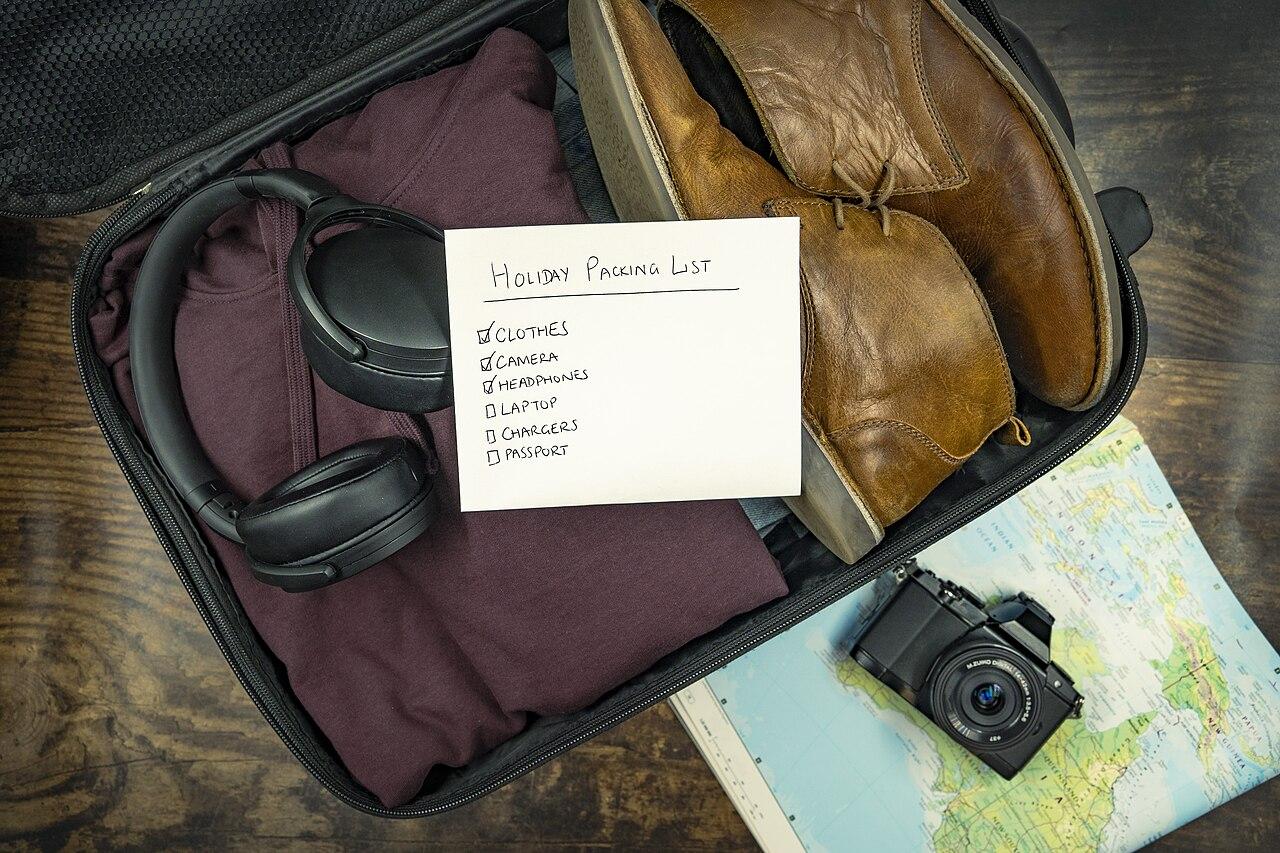
An international travel checklist works best when you spread it out. Trying to fix a passport, visa, insurance and packing on the same evening creates avoidable stress. This guide breaks the work into three windows: about eight weeks out, four weeks out and one week before you fly. Use it as a sequence, not a single frantic afternoon.
Why timing matters more than a longer list
Entry rules, passport validity and digital travel authorisations change by destination and by nationality. Airlines check documents at boarding. Border officers make the final call on arrival. An international travel checklist that starts early gives you time to renew a passport, wait for a visa appointment or fix an ETA that was filed on the wrong passport number.
This is planning advice, not legal advice. Always confirm requirements on the official government sites for your passport and every country you enter or transit.
International travel checklist: eight weeks before you fly
Passport and identity
- Check the expiry date on the passport you will actually carry.
- Many destinations expect several months of validity beyond your stay. Six months is common; some countries ask for three or four months, or measure from arrival versus departure. There is no single global rule.
- Children's passports often expire sooner than adult ones. Check every traveller in the group.
- If you need a renewal, start now. Processing times vary by country and season.
Visas and electronic authorisations
- List every country on the itinerary, including airport transits that leave the sterile zone or require a transit visa.
- Decide whether you need a visa, a visa on arrival or a pre-travel electronic authorisation (names vary: eTA, ESTA, ETA and similar).
- Apply only through official government channels. Keep the approval email and any reference number.
- An approval does not guarantee entry. You still need to meet the destination's entry conditions on the day.
Money, cards and insurance
- Tell your bank the travel dates, or confirm that their app lets you manage travel notices yourself.
- Check foreign-transaction fees and whether you need a backup card.
- Get travel insurance quotes that cover medical care, evacuation and trip interruption for your destinations. Read exclusions for adventure activities and pre-existing conditions.
- Photograph or scan the policy and emergency numbers into an offline folder.
Health prep
- Review routine vaccinations and any destination-specific advice from an official health authority or travel clinic.
- Book clinic appointments early if yellow fever certificates or other proofs are required.
- Refill prescriptions and ask for a letter for controlled medicines if your destination asks for one.
Flights and rooms with flexibility
- Prefer refundable or changeable hotel rates until visas and flight times are locked.
- If you are chaining cities, leave buffer nights around long-haul arrivals.
Four weeks before you fly

Photo: Shixart1985 / Wikimedia Commons, CC BY 2.0
Confirm the document stack
- Recheck passport validity against the destination's current entry page.
- Confirm visa or ETA status. If approval is still pending, contact the official channel, not a third-party reseller.
- Make two paper copies of passport biodata pages, visas and insurance. Leave one set with someone at home; pack the other separately from the originals.
Transport and local logistics
- Book airport transfers or confirm train tickets for arrival day.
- Download offline maps and the transit apps you will need (for example city metro apps, and in Korea often Naver Map or KakaoMap rather than relying on Google Maps alone).
- Note baggage allowances for every airline segment, including low-cost side flights.
Accommodation details
- Save confirmation numbers, pin locations and late-arrival instructions.
- Check check-in age rules and deposit policies if you are a young traveller or paying cash.
Communication
- Decide on eSIM, local SIM or roaming. Order an eSIM only from a provider you trust; install it before you lose Wi-Fi at home if the flow allows.
- Write down embassy or consulate contacts for your nationality in the destination country.
Day-by-day skeleton
- Sketch a loose plan: arrival buffer, one or two priority sights per day, and a weather backup.
- Tools such as RoamerPlanner help you keep walking times honest. Pair this checklist with our travel packing checklist and, when you are ready for routes, sample plans like 3 days in Bangkok or 4 days in London.
One week before you fly
Final document check
- Open the airline app and confirm names match the passport exactly, including middle names where required.
- Recheck visa or ETA linkage to the passport number you will present at the airport.
- Add hotel and transfer confirmations to an offline folder and to printed copies if you prefer paper.
Health and packing
- Pack medicines in carry-on with original labels.
- Follow liquids rules for security; put a spare outfit and chargers in the cabin bag in case checked luggage is delayed.
- Check the destination weather forecast and adjust layers. For winter city breaks, see our winter packing notes as a climate reality check.
Home and money wrap-up
- Pause deliveries, arrange pet or plant care, and pay bills that fall while you are away.
- Withdraw a small amount of destination cash if you use cash for transit cards or street food; do not carry large sums.
- Share your rough itinerary and insurance policy number with one trusted contact.
Day before departure
- Charge power banks and set alarms for airport timing.
- Weigh bags.
- Place passport, phone, payment cards and any entry QR codes in one pocket or pouch you will not check in.
A compact checklist you can copy
Eight weeks: passport validity, visa or ETA research, insurance quotes, vaccinations, flexible bookings.
Four weeks: confirm approvals, copies of documents, transfers, apps, day plan skeleton, communication plan.
One week: name match on tickets, medicines, weather packing, home admin, offline copies, bag weigh-in.
Common mistakes this sequence prevents
- Assuming every country uses a six-month passport rule without checking.
- Applying for an ETA on a passport you then renew, which breaks the electronic link.
- Buying non-refundable hotels before a visa decision.
- Leaving transit-visa research until the airport.
- Packing the only copy of your insurance policy in a checked bag.
FAQ
Do I always need six months left on my passport? No. Many countries ask for six months, but others use shorter periods. Check the destination and your airline.
Is an ETA the same as a visa? No. An electronic travel authorisation is usually a pre-screening for travellers who do not need a traditional visa. Rules differ by country. Approval still does not guarantee entry.
How early should I buy insurance? Once dates and destinations are firm enough to match the policy. Earlier is fine if the policy allows date changes.
What if my trip has several countries? Check entry and transit rules for each one, in order, including the country you return through if you change planes.
Sources
Passport validity variation: ICAO facilitation discussion and IATA traveller documentation guidance. Electronic travel authorisations: official examples such as Canada's eTA pages and industry summaries noting that approval is required before boarding but does not guarantee entry. Planning checklist themes aligned with U.S. Department of State international travel checklist categories (documents, visas, insurance). Always recheck official government pages for your nationality and destination. Facts reviewed 21 Oct 2026.
Cover photo: Familydestinationsguide.com Images / Wikimedia Commons, CC BY 2.0
想把这次住宿排进真正的行程里?去 RoamerPlanner 规划吧。
打开 RoamerPlanner