Tokyo with Kids: 4 Easy Days
November 12, 2026
Tokyo with kids is easier than the city map suggests if you build days around parks, trains they enjoy and one ticketed highlight at a time. Stations are big, walks between exits add up, and jet lag hits hard on day one. Four days is a calm first visit when you protect sleep and keep dinners near the hotel.
How to think about Tokyo with kids
Adults often plan Shibuya, Shinjuku, Asakusa, teamLab, Disney and a day trip in one blur. With children, pick a neighbourhood focus per day and accept that station transfers are activities by themselves.
Useful rules:
- One paid highlight per day
- A park or open space every afternoon
- IC cards loaded before you need them
- Hotel near a Yamanote or clear Metro line you can repeat without thinking
The 5 days in Tokyo itinerary is a useful adult frame; for families, keep the neighbourhoods and cut the museum density. For seasonal context see Tokyo in December or Tokyo in March.
Day 1: Easy park day after arrival
Land, check in, then keep the first afternoon soft. Ueno Park works well: paths, ponds, space to run and optional zoo if energy remains. Alternatively, a hotel-neighbourhood playground and convenience-store dinner is a valid Day 1.
Avoid booking teamLab or Disney on arrival day. Jet lag plus sensory overload creates the meltdowns you are trying to skip.
Day 2: Asakusa morning, east-side afternoon
Morning at Senso-ji before the heaviest crowds. Keep the temple visit short; the market street is the child-facing part for many families. Lunch nearby.
Afternoon options:
- Skytree observation if heights excite your kids (book timed tickets)
- Sumida park walk and playground time if heights do not
- Aquarium-style indoor stop if rain arrives
Return toward your hotel before the evening rush if strollers and peak trains stress you.

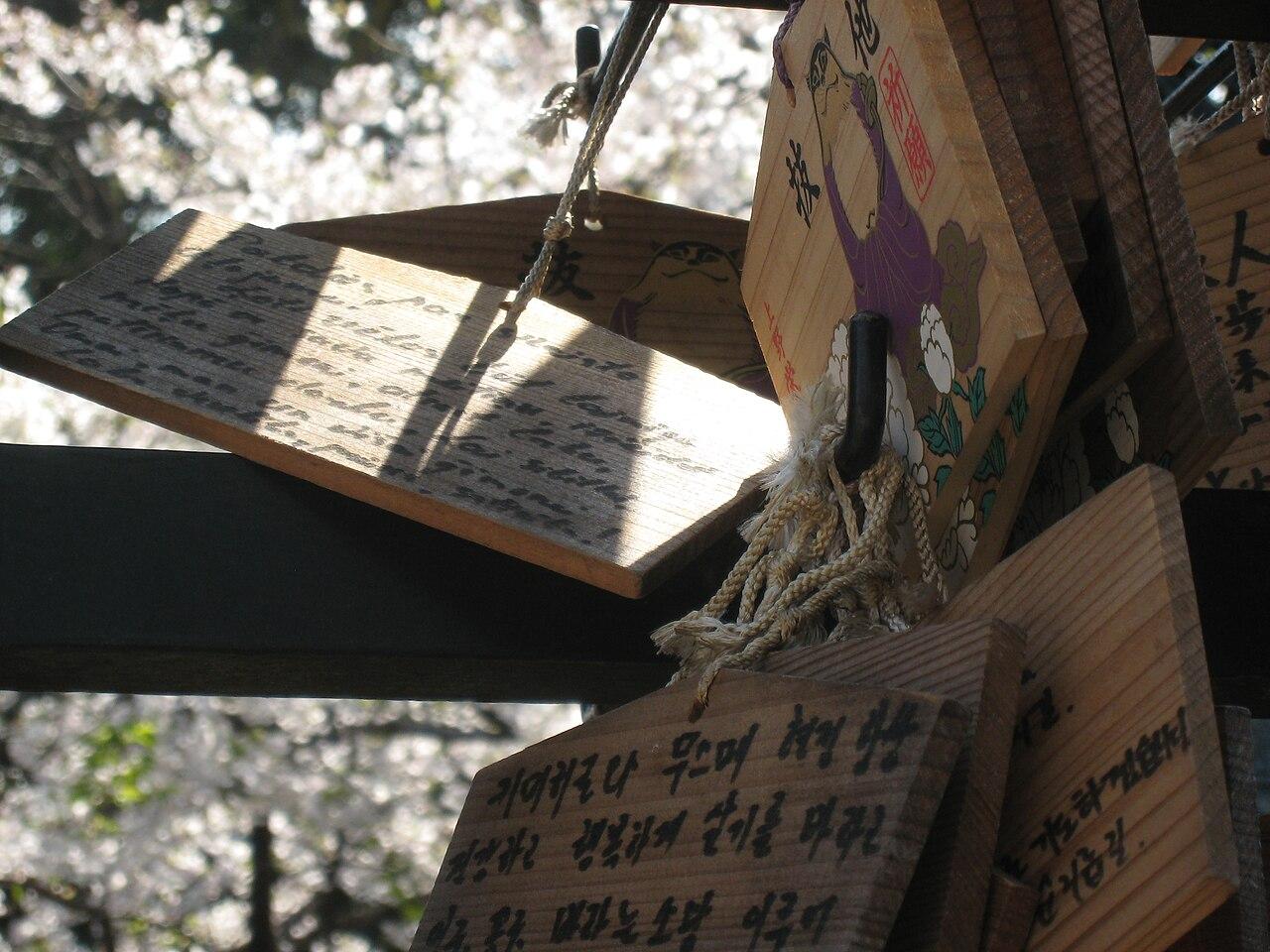
Photo: Big Ben in Japan / Wikimedia Commons, CC BY-SA 2.0
Day 3: One digital or character highlight, then recovery
This is the day for teamLab (Planets or Borderless, depending what is open on your dates), a character café you actually care about, or a child-focused museum. Book the official timed entry. Eat before you go in; exits into hunger are rough.
Afternoon: return to the hotel for downtime, then a short evening in a familiar neighbourhood for noodles or convenience-store picnic. Do not add Shibuya Crossing chaos the same night unless teens insist and legs allow.
Day 4: Train fun and a neighbourhood of your choice
Children who like trains often enjoy a Yamanote loop ride as entertainment, not just transport. Pair it with:
- Shinjuku Gyoen or a west-side park if you need grass
- Shibuya for older kids who want the scramble crossing photo, kept brief
- Odaiba for teamLab Planets logistics or waterfront play, if that matches your tickets
If you have a fifth day, Disney or a Yokohama side trip fits better after the city basics, not before.
Where to stay with children
Prioritise space, a laundry machine if possible, and a walkable convenience store. Shinjuku and Tokyo Station areas maximise train options. Asakusa is atmospheric but farther from some west-side plans. See where to stay in Tokyo for neighbourhood trade-offs, then bias toward lifts and room size over nightlife.
Apartment hotels help when naps matter. Capsule hotels do not.
Transport tips that reduce tears
- Get IC cards (Suica/Pasmo idioms change over time; follow current station machine labels) on day one
- Stand aside on platform marks; teach kids the queue lines as a game
- Avoid changing three lines for a “slightly closer” exit
- Stations have baby rooms; ask station staff if you need one
- Luggage forwarding (takkyubin) to the airport hotel saves a final-day struggle
Food that works for mixed ages
Conveyor-belt sushi, noodles, rice bowls and bakeries cover most moods. Convenience stores are not a compromise; they are part of how Tokyo runs. Allergies and picky eating are easier when you stay near a large supermarket once.
Book character cafés only if the child cares. The queue is not worth it for a parent-only Instagram goal.
Sample daily rhythm
07:30 – hotel breakfast or convenience store 09:30 – neighbourhood highlight while energy is high 12:00 – lunch before the midday crash 13:30 – park, playground or hotel quiet time 16:00 – short second outing near the hotel 18:00 – early dinner 20:00 – baths and bed for younger kids
Shift later for teens. Keep the shape: one highlight, food, recovery, short evening.
What to skip on a first family trip
- Same-day Disney and teamLab
- Morning Mount Fuji day trip after a late teamLab night
- Packing every character shop in Harajuku into one afternoon
- A “quick” evening in Kabukicho with young children
Those can wait for a second visit or older ages.
Sibling splits and jet lag
If ages differ widely, split for two hours: one adult rides a short train loop with the older child while the other stays in a park. Meet at a simple landmark with a fixed time.
On the first local morning, allow a late start. Fighting jet lag with a 08:00 museum ticket is rarely worth it.
Rain, heat and winter versions
Summer: early outdoor time, indoor middays, hydration always. Winter: lights and shorter park sits; pack layers for train platforms. Rain: teamLab, museums, malls with playgrounds, and longer hotel downtime without guilt.
Money and small friction points
ATMs in convenience stores are the usual cash backup. Many places take cards, but small food stalls may prefer cash. Keep coins for locker use in stations when you need to park a day bag.
Station lockers fill on weekends; if you are hauling coats in winter, send big luggage ahead and carry only a day pack.
Toilet etiquette and quiet-train manners are easy to teach as a game. Kids often enjoy the clear rules once someone explains them once.
Combining with a wider Japan trip
If Kyoto follows Tokyo, do not spend every Tokyo evening late. The 7-day Japan itinerary already moves fast; with kids, cut one Tokyo highlight rather than deleting sleep.
Put park blocks, timed tickets and laundry nights into RoamerPlanner so Day 3’s teamLab slot does not sit against a 06:00 shinkansen on Day 4.
FAQ
Is Disney better than city time for kids?
For many children, yes, but it costs a full day. Do city basics first if you only have four days total in Tokyo.
Can toddlers handle the Metro?
Yes with a carrier or compact stroller, patience at gates and fewer transfers. Midday trains are kinder than evening crush hours.
How many teamLab visits do we need?
One is enough for most families. Pick the venue that matches your hotel side and ticket availability.
Should we buy a multi-day unlimited train pass?
Only if your maths say so. IC pay-as-you-go is simpler for hotel-centric days with few long hops.
Is a pocket Wi-Fi needed with kids?
A local eSIM or pocket Wi-Fi helps for maps, ticket apps and meeting points if you split up. Download offline maps as a backup before you leave the hotel Wi-Fi.
Sources checked 7 Nov 2026: general Tokyo family pacing practice; confirm current teamLab venue status, Skytree tickets and park hours on official sites for your dates. IC card product names and machine flows change; follow station signage.
ดูบทความและแพลนเที่ยวญี่ปุ่นทั้งหมด
ทริปที่คัดลอกไปใช้ได้
แผนเที่ยวรายวันพร้อมใช้สำหรับที่นี่ คัดลอกได้ฟรีแล้วปรับให้เข้ากับทริปของคุณ
เปลี่ยนบทความนี้เป็นแผนทริป
อยากเอาเรื่องนี้ไปใส่ในแพลนเที่ยวจริงไหม วางแผนต่อใน RoamerPlanner ได้เลย
เริ่มวางแผนของคุณเอง ไม่ต้องสมัครก่อนดูทริปตัวอย่าง