Seoul in Winter: What to Expect, What to Pack and How to Plan 3 Days
October 20, 2026
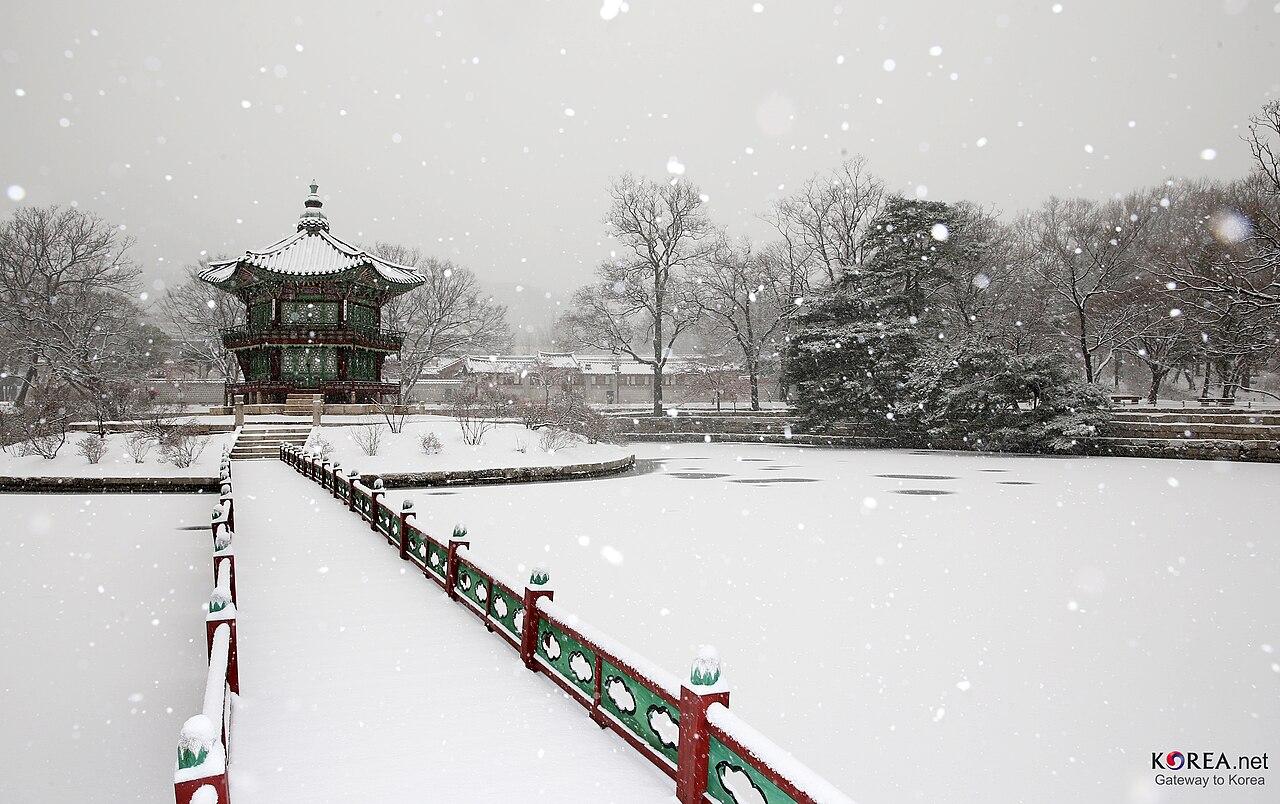
Seoul in winter is cold, dry and bright, with short days, clear skies on most mornings and a city that keeps running at full speed when the temperature drops below zero. It is also quieter at the big sights than spring or autumn, and December brings free light festivals in the old centre. This guide covers what the weather is really like, what to pack, which winter events have dates for 2026 to 2027 so far, and a three-day plan built around the cold.
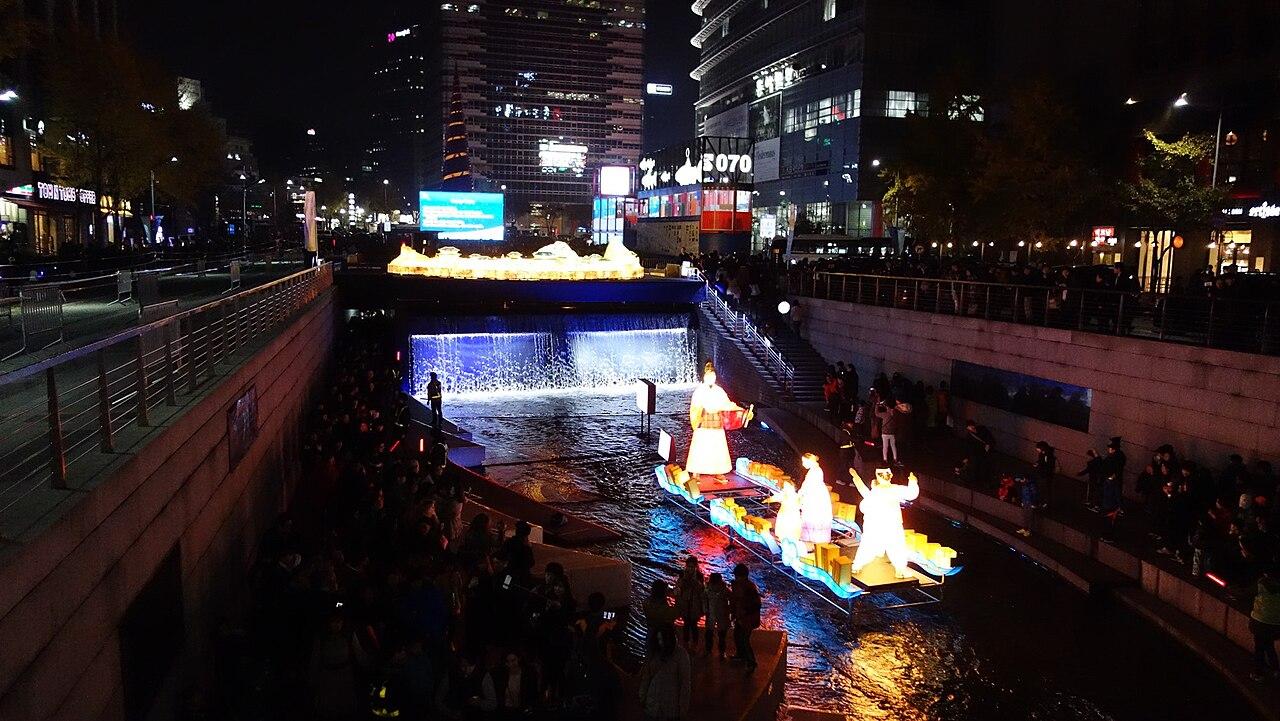
Photo: Ken Eckert / Wikimedia Commons, CC BY-SA 4.0
What Seoul in winter actually feels like
Winter in Seoul runs from December to February. January is the coldest month. The Korea Meteorological Administration's 1991 to 2020 averages for Seoul give January a mean temperature of about minus 2°C, with an average daily high of about 2°C and an average low of about minus 5.5°C. December and February are a few degrees milder on average, but both can be just as cold during a cold wave.
Those averages hide the swings. Siberian air arrives in waves, and for a few days at a time nights can drop well below minus 10°C, with wind that makes it feel colder still along the Han River and on hilltops like Namsan. Then it eases for a while. Check the forecast a week out and plan your outdoor days around the milder ones.
A few other things to expect:
- Short days. In late December the sun sets a little after 5 pm. Plan palace and walking time for the morning and early afternoon.
- Dry air. Humidity is low and heating indoors is strong. Lip balm and a good moisturiser help more than you would think.
- Snow, but not much of it. Seoul gets snowy days most winters, usually light falls that melt or get cleared within a day or two. Do not plan a trip around seeing snow in the city.
- Fine dust days. Air quality can dip in late winter. If you are sensitive to it, check a local air quality app each morning and keep a mask in your bag.
What to pack for a winter trip to Seoul
The trick is layers. You will move between freezing streets and very warm subway cars, cafes and department stores all day, so one huge coat with a T-shirt underneath is less comfortable than several thinner layers.
Clothing
- A warm, windproof coat. A long padded coat is what many locals wear, and it makes a real difference at bus stops.
- Thermal base layers (top and leggings). You can buy these cheaply in Seoul if you forget.
- A warm hat that covers your ears, a scarf and gloves that work with a touchscreen.
- Thick socks and comfortable shoes with good grip. Pavements and palace stone paths can be icy in the morning.
- One mid layer you can take off indoors, like a fleece or a light down jacket.
Small things that help
- Hand warmers. Convenience stores sell them, but it is handy to have a few from day one.
- Lip balm, hand cream and a small tube of moisturiser.
- A refillable bottle. The dry heating makes you thirsty.
- A tote or small backpack for the layers you take off.
If you want a full list to tick off, the travel packing checklist has the basics in one place.
Winter events in Seoul for 2026 to 2027
Seoul's winter events sit under one umbrella, Seoul Winter Festa, spread across Gwanghwamun Square, Cheonggyecheon Stream, Seoul Plaza, DDP and Bosingak. Here is what was known when we checked in October 2026. Not everything had final dates yet, so treat the list as a guide and check again before you go.
- Seoul Winter Festa: listed on the city's festival portal as planned for 4 December 2026 to 31 January 2027. The city had not yet published the full programme. Last year's festival was announced in late November.
- Seoul Light Gwanghwamun: media art projected on Gwanghwamun Gate and around the square, listed for 11 December 2026 to 3 January 2027, from 5:30 pm to 10 pm, free.
- Seoul Lantern Festival on Cheonggyecheon: listed for December 2026, but exact dates were not officially confirmed. In the 2025 edition the lanterns ran from 12 December to 18 January, in the evening from 6 pm, and entry was free.
- Gwanghwamun Market: the Christmas market on Gwanghwamun Square is listed as planned for 2026 without final dates. Last year it ran from 12 to 31 December in the evenings.
- Seoul Plaza ice rink: the outdoor rink in front of City Hall opens most winters. Dates for 2026 to 2027 were not published when we checked. Last season it ran from mid December into early February and cost around ₩1,000 per hour including skates.
- New Year's Eve bell at Bosingak: the bell is rung 33 times at midnight on 31 December. Crowds are very large, and nearby subway stations can be skipped or closed during the event.
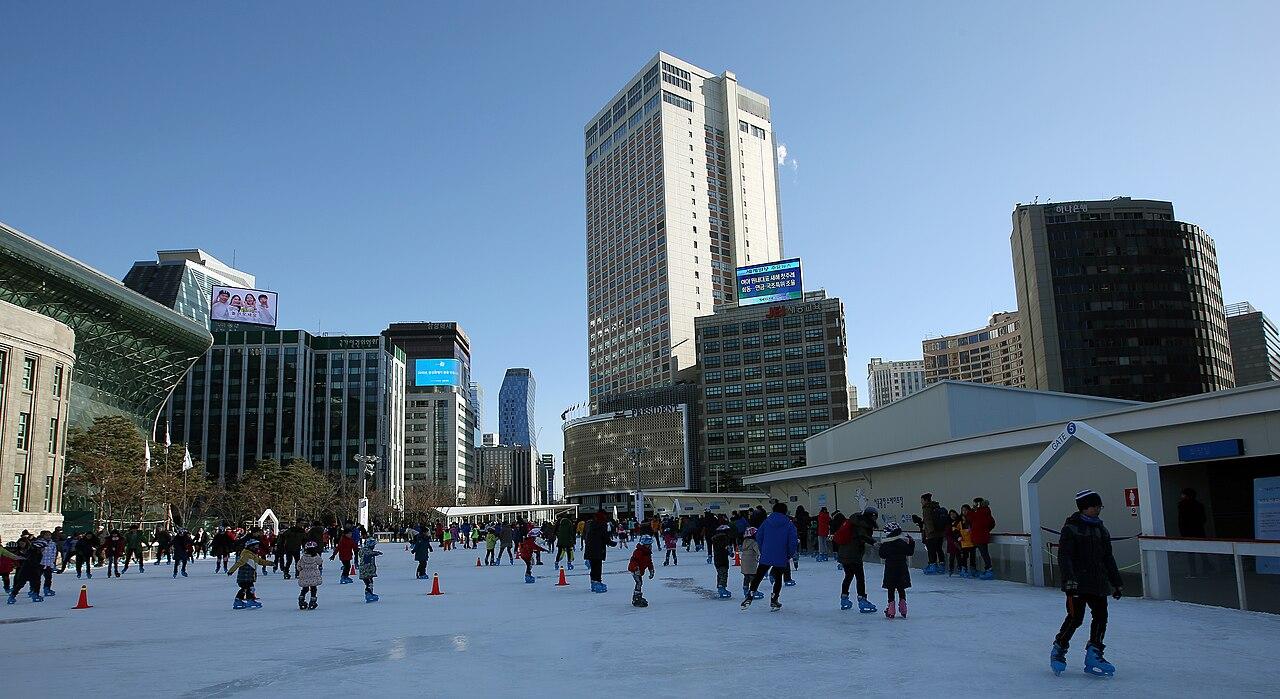
Photo: Republic of Korea from Seoul, Republic of Korea / Wikimedia Commons, CC BY-SA 2.0
A three-day Seoul winter plan
This plan keeps outdoor time to the warmer middle of the day and saves the lights for the evenings. It works best between mid December and early January, when most events overlap. Outside those weeks, swap the evening events for markets, food streets or a show.
Day 1: palaces, hanok and the lantern stream
- Morning: Gyeongbokgung Palace. From November to February it opens 9 am to 5 pm, with last entry at 4 pm, and it is closed on Tuesdays. Arrive at opening, when the courtyards are quiet and the light is low and clear.
- Lunch: somewhere warm near Anguk or Samcheong-dong. A bowl of hot soup at midday will keep you going for hours.
- Afternoon: walk through Bukchon Hanok Village, then down to Insadong for tea. Keep your voice down in Bukchon; people live in those houses, and visiting hours are restricted in parts of the area.
- Evening: Seoul Light Gwanghwamun, then walk a few minutes south to Cheonggye Plaza and follow the stream for the lantern festival if it is running.
Day 2: markets, a hill and a warm night out
- Morning: Gwangjang Market for breakfast or an early lunch. Hot mung bean pancakes and noodle soup are made for cold weather.
- Afternoon: take the cable car or bus up Namsan to N Seoul Tower. On a clear winter day the views reach far across the city. It is windy at the top, so this is the time for every layer you brought.
- Evening: Myeongdong street food, or a jjimjilbang (Korean bathhouse) for a long, hot soak. Bathhouses are one of the best ways to warm up after a cold day.
Day 3: indoor Seoul, then a skate
- Morning: the National Museum of Korea in Yongsan. It is large, free for the permanent exhibition and very warm, so you can easily spend three hours there.
- Afternoon: Seongsu-dong or Hongdae for cafes and shops, or COEX Starfield Library if you want something easy and indoors.
- Evening: a session on the Seoul Plaza rink if it is open, then dinner nearby. Korean barbecue is a good last-night choice in winter.
For a full version with times and map stops, the 3 days in Seoul itinerary covers the same ground and is easy to adjust. If you want to add Japan to the same trip, the 5 days in Tokyo itinerary pairs well, since flights between the two cities are short and frequent.
Getting around in the cold
The subway is the easiest way to move around in winter. Stations are heated, trains run often, and you rarely need to be outside for more than a few minutes between a station exit and where you are going. A T-money card works on the subway, buses and many taxis and convenience stores. You can top it up with cash at stations and convenience stores.
Taxis are easy to find in the centre but harder late at night in December, especially around year-end events. Kakao T is the app most visitors use to book one.
Walking is still part of any Seoul trip, and some stations have long transfers and many stairs. Comfortable shoes with grip matter more in winter than in any other season.
Before you fly: entry rules to check
Many visitors from countries such as the US, Canada, Australia, Japan, Singapore and much of Europe have not needed a K-ETA (Korea's electronic travel authorisation) because of a temporary exemption. According to the official K-ETA site, that exemption runs until 31 December 2026 (Korea time). When we checked in October 2026, no extension into 2027 had been announced. If your winter trip runs into January 2027, check the K-ETA site and your local Korean embassy before you book, and leave time to apply if needed.
Planning tips for a cold-weather trip
- Put the outdoor sights in the middle of the day. Mornings and late evenings are the coldest, so spread outdoor and indoor stops across the day.
- Keep one indoor backup per day. A museum, a market hall or a bathhouse lets you swap plans on a bitter day without losing it.
- Watch the Seollal dates. Korean Lunar New Year falls in early February 2027. Some shops and restaurants close for a few days, and trains and buses out of Seoul fill up fast.
- Leave room for the light festivals. They are the best reason to visit in December, and they look best on a weeknight after 7 pm when crowds thin out.
When you have your dates, it helps to lay out each day with your indoor backups and evening events side by side. In RoamerPlanner you can copy the Seoul itinerary, move the stops around and keep your flight and hotel details in the same trip. For the method behind that, see how to plan a trip day by day.
FAQ
Is Seoul worth visiting in winter? Yes, if you dress for it. The big sights are less crowded than in spring or autumn, the air is often clear, and December has free light festivals and a Christmas market in the centre.
How cold is Seoul in January? On average, highs are around 2°C and lows around minus 5.5°C, based on Korea Meteorological Administration averages for 1991 to 2020. Cold waves can push nights below minus 10°C.
Does it snow in Seoul in winter? Usually a few times each winter, mostly light snow that does not last long in the city.
When is the Seoul Lantern Festival in 2026? It is listed for December 2026 as part of Seoul Winter Festa, but exact dates had not been officially confirmed when we checked. Last year it ran from 12 December to 18 January.
Sources: Korea Meteorological Administration climate normals 1991 to 2020 (temperatures); Seoul Metropolitan Government festival portal festival.seoul.go.kr (Seoul Winter Festa, Seoul Light Gwanghwamun and Lantern Festival listings); Visit Seoul (2025 Lantern Festival dates and hours); royalpalacekr.org (Gyeongbokgung hours); k-eta.go.kr (K-ETA exemption notice). Checked 20 October 2026. Dates marked as planned can change, so check the official pages before you go.
Cover photo: Korea.net / Korean Culture and Information Service (Jeon Han) / Wikimedia Commons, CC BY-SA 2.0
อยากเอาที่พักนี้ไปใส่ในแพลนเที่ยวจริงไหม วางแผนต่อใน RoamerPlanner ได้เลย
เปิด RoamerPlanner