Sapa in Winter: Cold, Frost and Is It Still Worth Trekking
November 15, 2026
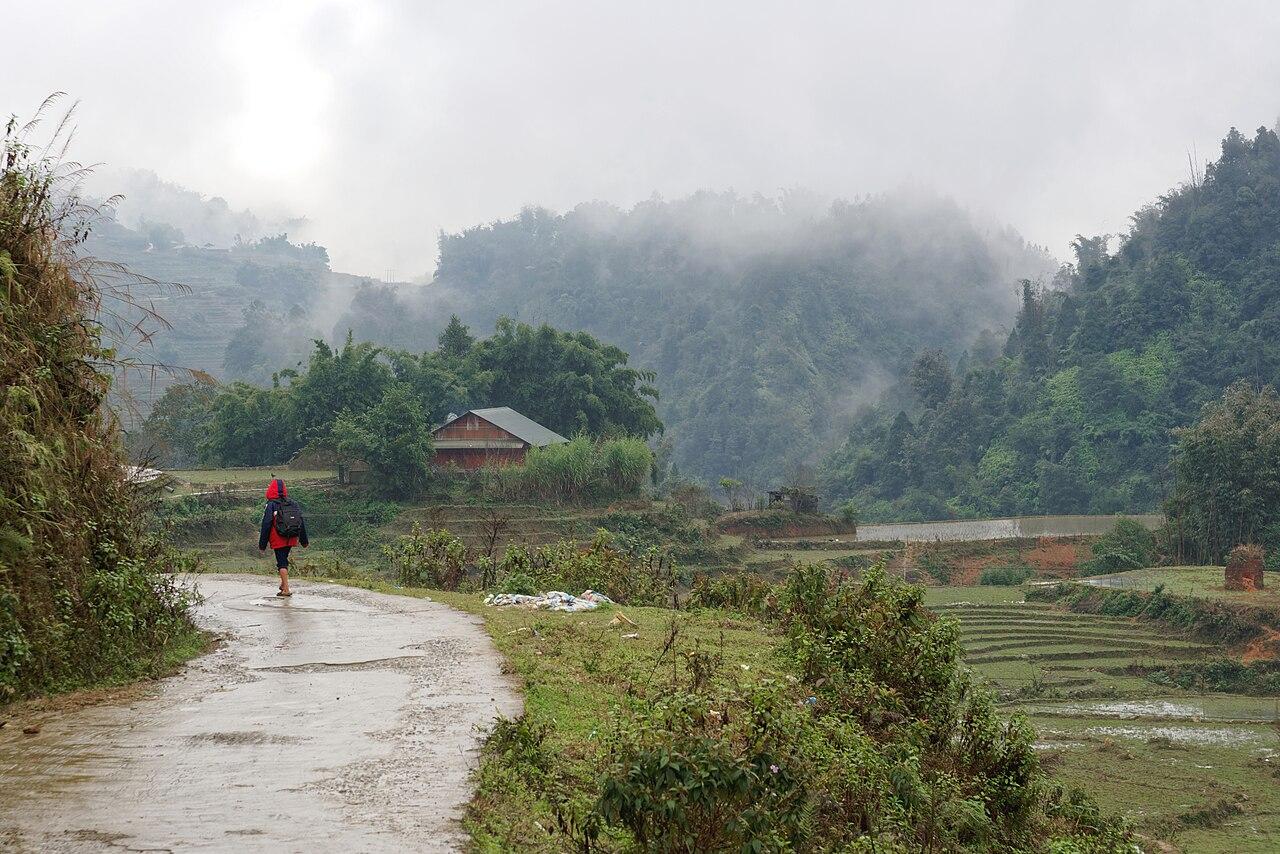
Sapa in winter is cold, often misty and much quieter than in autumn, and it is still worth the trip if you plan for the weather. From December to February the rice terraces are bare and brown, days can be grey, and on the coldest nights frost or even a little snow can settle on the high peaks. In return you get village walks without the crowds, lower hotel prices outside the holidays and, on clear days, long views over the valleys.
Sa Pa town sits at around 1,500 metres in Vietnam's far north-west, near the Chinese border. This guide explains what winter is really like there, whether trekking still works, how to get there from Hanoi and a simple three-day plan.
What Sapa in winter is like
Winter in the mountains is very different from winter in Hanoi. Expect:
- Cold mornings and nights. Temperatures can fall close to freezing in a cold spell, and the town feels colder because of damp air and wind.
- Fog and low cloud. Some days the valley disappears completely, while others clear by late morning. It is common to have one grey day and one bright day in a row.
- Bare terraces. The rice is harvested by early autumn. In winter the fields are empty or flooded, which some photographers like for the patterns but which is very different from the green or golden photos you see online.
- Rare snow. Snow is unusual and cannot be forecast far ahead. When it does come, it usually settles on Fansipan and the high O Quy Ho pass rather than in town, and it draws big crowds of domestic visitors.
Late January and February bring plum and peach blossom in the villages, especially around Tet, which falls on 6 February in 2027. Our Tet 2027 guide explains how the holiday affects transport and prices across Vietnam.
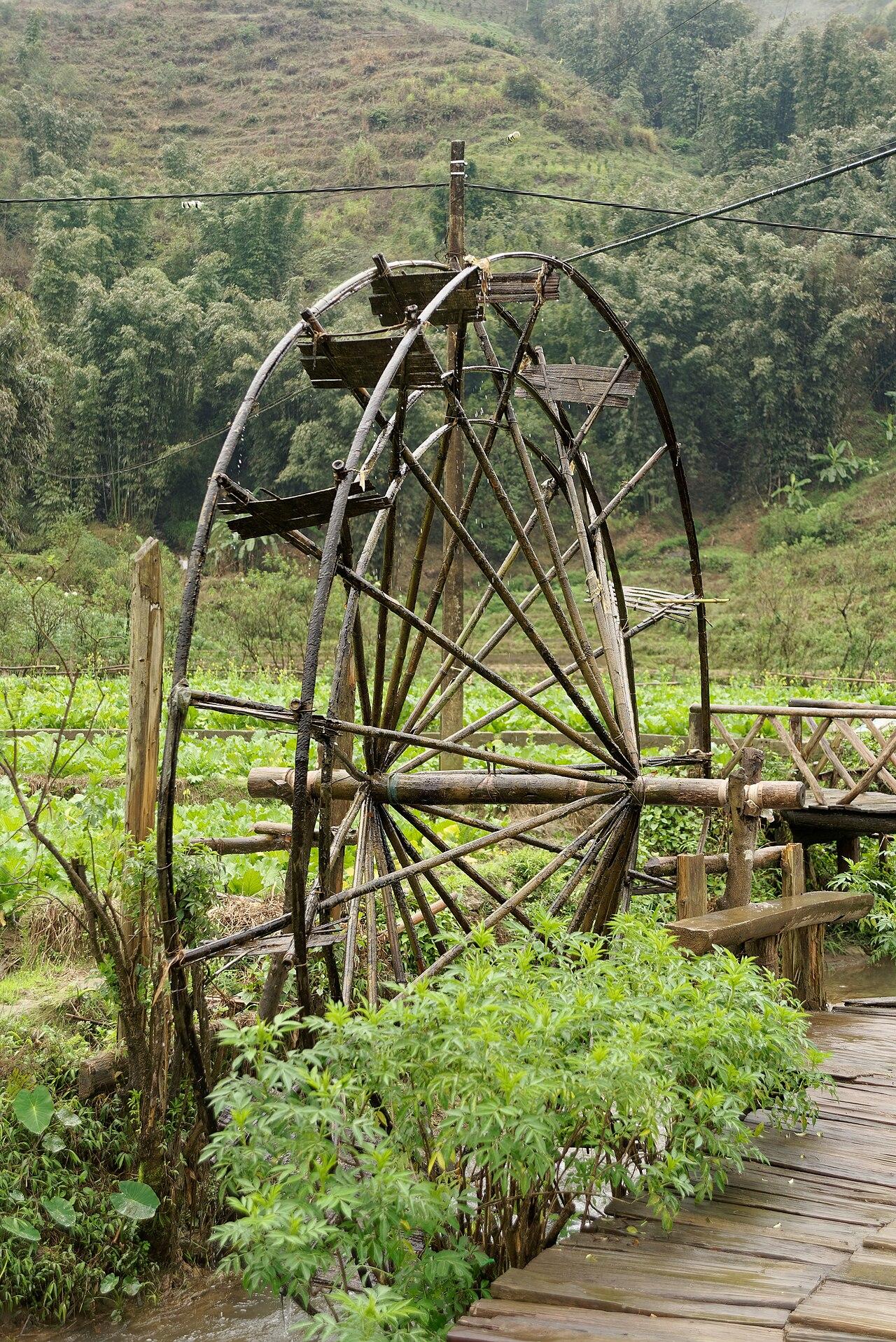
Photo: Jakub Hałun / Wikimedia Commons, CC BY 4.0
Is trekking still worth it in winter?
Yes, with the right expectations. The classic walks through the Muong Hoa valley, past Lao Chai and Ta Van, stay open all year and are run by local guides from Hmong, Dao and other communities. Winter changes a few things:
- Paths are muddier. Damp air keeps clay paths slippery even without rain. Shoes with good grip matter more than any other kit.
- Views are less certain. Book a flexible walk where the guide can choose the route based on the morning weather.
- Shorter days. Sunset comes early, so start in the morning and avoid long routes that end after dark.
- Homestays are cold. Many village homestays have thin walls and no heating. Ask whether rooms have electric blankets or heaters before you book an overnight trek.
Short walks of half a day or one day are a good fit for winter. Multi-day treks still run, but they are less comfortable in a cold, wet spell.
What to pack
- a warm down or synthetic jacket, plus a hat and gloves
- thermal base layers for nights in town or in a homestay
- waterproof shoes or boots with good grip
- a light rain jacket for drizzle
- a small towel and a change of socks for after muddy walks
You can buy cheap jackets and gloves in Sa Pa town if you arrive underdressed, but quality varies.
Fansipan in winter
Fansipan, at just over 3,100 metres, is the highest mountain in Vietnam. Most visitors reach the summit area by the Sun World cable car from Sa Pa, followed by a short funicular and steps to the summit marker. The return cable car ticket was listed at 850,000 dong for adults when we checked, with extra charges for the funicular sections.
Winter points to know:
- The summit is much colder than town, often below freezing on cold days, and wind makes it feel worse.
- Cloud can hide everything, but on some days you rise above it and look down on a sea of cloud.
- The cable car stops in very strong wind and for scheduled maintenance. Check the operator's notices the day before.
- Allow half a day, and go early if the morning forecast looks clear.
Climbing Fansipan on foot is possible with a licensed guide, but winter conditions make the full hike hard and cold. Most people choose the cable car in the cool months.
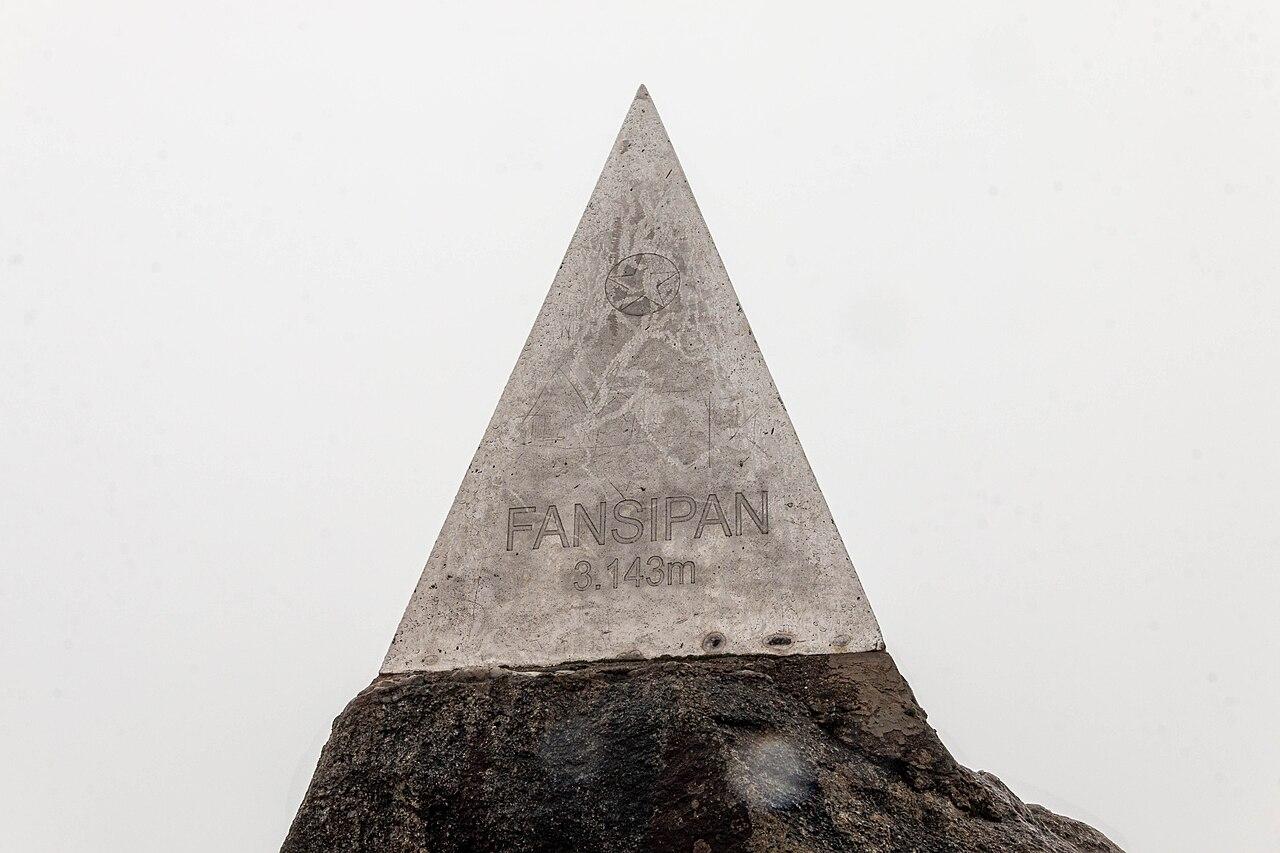
Photo: MinhVN1863 / Wikimedia Commons, CC BY-SA 4.0
Getting to Sapa from Hanoi
There are two main ways to get there.
- Overnight train: sleeper trains run from Hanoi to Lao Cai station, arriving early in the morning. From Lao Cai, a bus or car takes about an hour up the mountain road to Sa Pa. The train is comfortable in a four-berth cabin and saves a hotel night.
- Bus or limousine van: buses and smaller vans run from Hanoi along the expressway to Lao Cai and on to Sa Pa, taking roughly five to six hours. Many pick up from the Old Quarter.
Book a few days ahead in winter and well ahead around Tet, when domestic travel peaks. Fog and ice occasionally slow traffic on the mountain road, so leave a buffer before any onward flight from Hanoi.
Where to stay
- Sa Pa town: the most choice, with heated hotels, cafes and easy access to the cable car. Best in winter.
- Ta Van and Lao Chai: village homestays and small lodges in the valley. Quieter and closer to nature, but colder and less comfortable when the weather turns.
- Ta Phin and other side valleys: fewer visitors, good for longer stays with a guide.
For a first winter visit, a hotel in town with heating and day walks into the valleys is the simplest choice.
A 3-day Sapa in winter plan
Day 1: arrive and see the town
- Morning: arrive on the night train or an early bus. Have breakfast and a hot drink in town.
- Late morning: walk down to Cat Cat village, a short descent from town with a waterfall, a water wheel and craft stalls. The walk back up is steep.
- Afternoon: rest, buy any missing warm kit and look around Sa Pa Lake and the stone church.
- Evening: try thang co (a traditional Hmong stew) or the grilled skewers sold on the streets at night.
Day 2: a guided valley walk
- Morning: a guided trek through the Muong Hoa valley via Lao Chai and Ta Van, with a picnic or a homestay lunch.
- Afternoon: return by car to town, or stay overnight in a heated lodge in Ta Van.
Day 3: Fansipan or a market
- Option A: Fansipan by cable car early in the day, if the forecast is clear.
- Option B: on a Sunday, a day trip to Bac Ha market, a few hours' drive away, where people from nearby villages come to trade.
- Evening: return to Lao Cai for the night train, or take an afternoon bus to Hanoi.
Our sample 3 days in Sapa trip uses this same rhythm, and it pairs well with the 4 days in Hanoi plan before or after the mountains.
Quick answers
Is Sapa worth visiting in winter? Yes, if you want quiet village walks and do not mind cold, damp weather. If green or golden terraces are the main goal, go from June to early October instead.
Does it snow in Sapa? Only rarely, and usually on Fansipan or the high passes rather than in town. You cannot count on it.
Can you trek in Sapa in December and January? Yes. Choose shorter guided walks, good shoes and a flexible route, since fog and mud can change plans.
How many days do you need? Two full days is the minimum for a valley walk and Fansipan. Three gives you room for a weather day.
When you have your train or bus booked, add the trek, Fansipan and a spare weather slot to RoamerPlanner so you can swap days if the cloud comes in.
Sources
Sun World Fansipan Legend travel guide and ticket information (adult return cable car fare); Vietnam Railways Hanoi to Lao Cai sleeper services. Checked 10 Nov 2026.
Cover photo: Jakub Hałun / Wikimedia Commons, CC BY 4.0
ดูบทความและแพลนเที่ยวเวียดนามทั้งหมด
ทริปที่คัดลอกไปใช้ได้
แผนเที่ยวรายวันพร้อมใช้สำหรับที่นี่ คัดลอกได้ฟรีแล้วปรับให้เข้ากับทริปของคุณ
เปลี่ยนบทความนี้เป็นแผนทริป
อยากเอาเรื่องนี้ไปใส่ในแพลนเที่ยวจริงไหม วางแผนต่อใน RoamerPlanner ได้เลย
เริ่มวางแผนของคุณเอง ไม่ต้องสมัครก่อนดูทริปตัวอย่าง