Nha Trang in January: Islands, Mud Baths and How Many Days
November 16, 2026
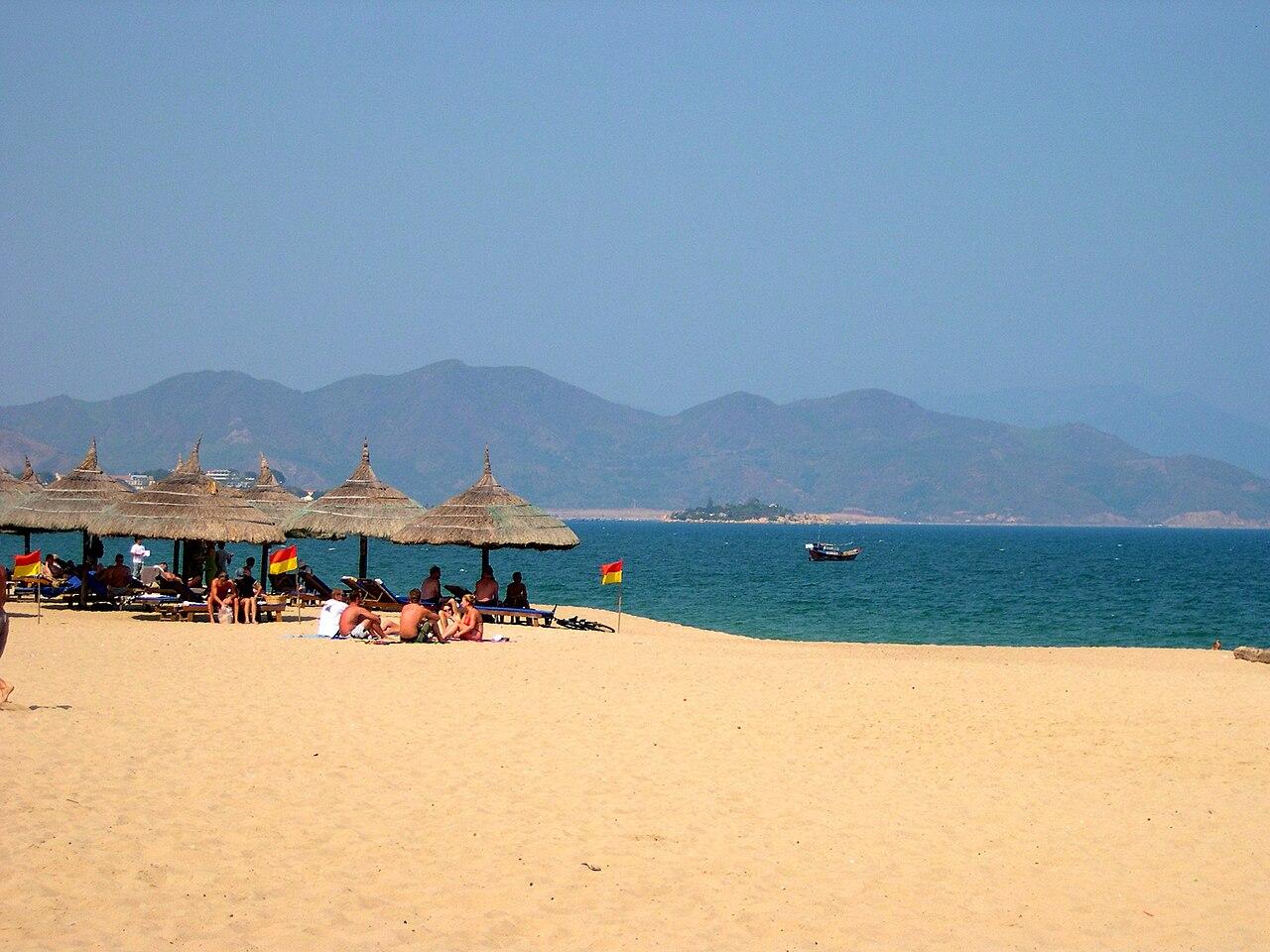
Nha Trang in January is one of the more reliable months for the coast of south-central Vietnam. The heavy autumn rains have usually eased, the long city beach is in regular use, and island boats run a full schedule. It is warmer than Hanoi or Sapa at the same time of year, which is why many Vietnamese visitors come here in winter. It is not a guaranteed dry month, and it is not empty. Showers still happen, and weekends plus the run-up to Tet can fill mid-range hotels.
This guide covers what January is actually like, how to use the beach, the islands and the mud-bath spots without rushing, and how many days are enough. A ready-made outline is on our 3 days in Nha Trang trip page.
What Nha Trang in January is like
January sits in the drier half of the year for Khanh Hoa, after the wettest months of autumn. Mornings are often clear. The sea is usually calm enough for a short island trip, though operators still cancel when the wind comes up. Days are warm enough to swim; evenings are mild rather than cold.
What this means for planning:
- Beach time works. The city beach faces a wide bay and is easy to reach from almost any central hotel.
- Island day trips are in season. Boats to the nearby islands, including the Hon Mun marine area, run daily in good weather.
- It is not off-peak. Domestic travel is steady in winter, and it builds again as Tet approaches (6 February in 2027).
- A leftover shower is normal. Keep one indoor or spa half-day in the plan rather than stacking every hour on a boat.
If you are coming from Ho Chi Minh City, January is a straightforward add-on: a morning flight or a train along the coast, then a slower pace than Saigon.
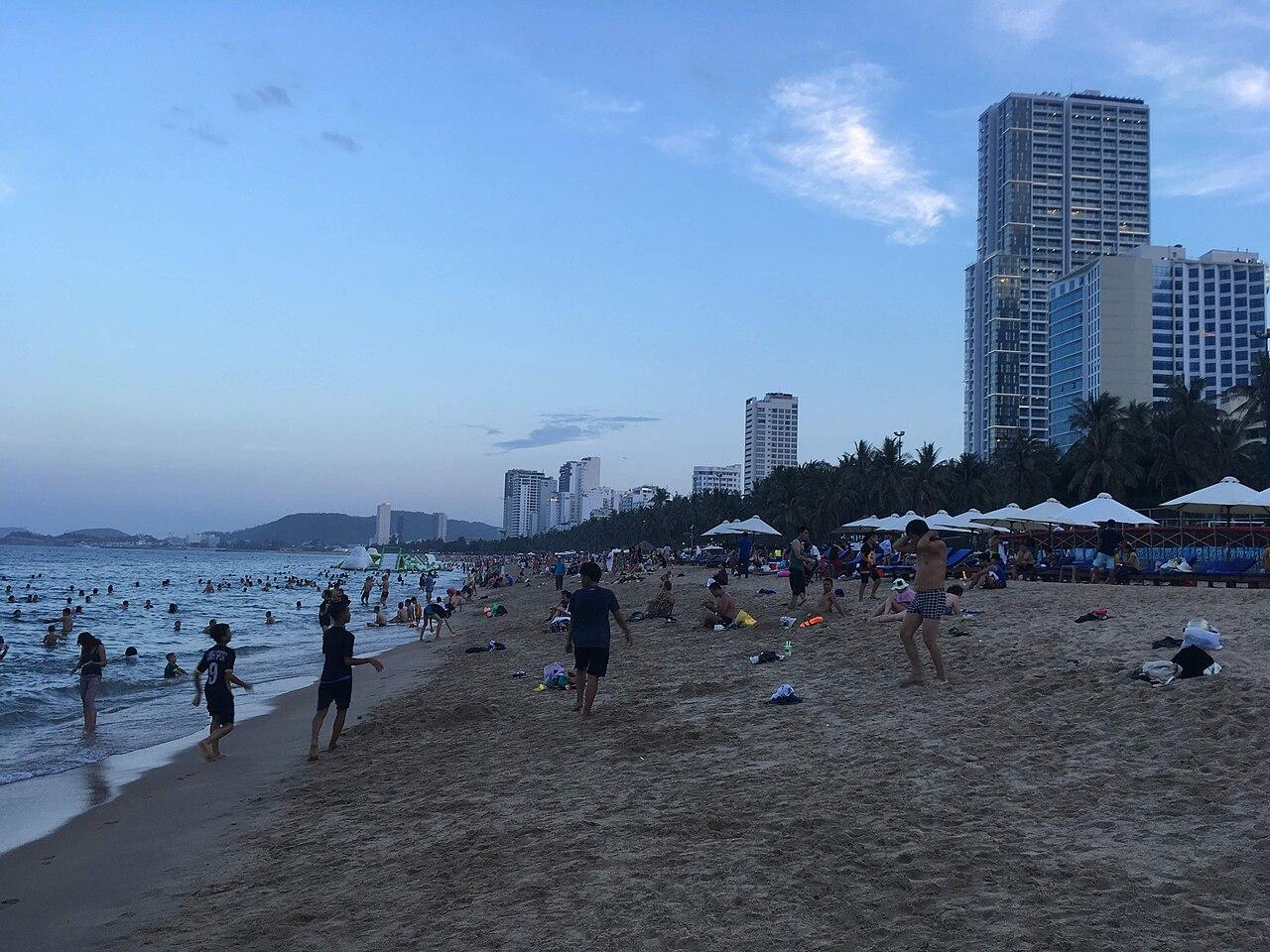
Photo: Christophe95 / Wikimedia Commons, CC BY-SA 4.0
The city beach, and how to use it
Nha Trang's main beach runs for several kilometres along the bay, with the coastal road and a dense strip of hotels behind it. You do not need a taxi to reach the sand if you stay in the centre. The water is generally calm in January, and there are plenty of sunbeds and simple beach restaurants. The trade-off is the setting: this is a city beach, with traffic, speakers and building work in places, not a quiet cove.
A practical way to use it is in halves. Swim or walk early, when it is cooler and less crowded, then do a paid activity or a neighbourhood walk later. The north end, toward Tran Phu and the closer hotels, is the busiest. Walking further can feel a little more open, but the character is still urban.
Po Nagar, the Cham temple towers on a hill at the mouth of the Cai River, is the one historic stop that sits naturally in a beach day. It is a living temple, so dress with shoulders and knees covered, and allow time rather than treating it as a five-minute photo stop.

Photo: Tervlugt / Wikimedia Commons, CC BY 3.0
Islands and the water
Most visitors take at least one boat day. The near islands sit just offshore. Hon Mun is known for its marine reserve and snorkelling, when visibility is decent. Tour boats also combine several stops, a lunch buffet and a swim. Quality varies. A smaller group, a clear explanation of which sites you will actually visit, and realistic time in the water are more useful than a long list of island names.
A few rules of thumb:
- Book for a morning departure. Afternoons can be choppier, and you will not want to start late and rush back at dusk.
- If you are prone to seasickness, say so when you book and ask how exposed the crossing is that day.
- Bring your own mask if you care about fit. Rental gear is common but inconsistent.
- Overnight island stays exist, but for a first visit a day trip is enough. Use the second day for the beach or a spa.
Glass-bottom boats and longer trips toward more distant islands also run in season. Check the weather the evening before and allow a spare morning in case a trip is postponed.
Mud baths and time off the sand
Nha Trang's mineral mud baths are a genuine local draw, not just a tourist add-on. The long-established site is Thap Ba, in the hills a short drive from the centre. There are also larger modern spa resorts that offer mud pools, hot mineral water and the usual spa menu. You do not need both unless you enjoy that kind of afternoon.
A few practical points:
- Go on a day when you are not already sunburnt or exhausted from a boat trip.
- Prices and packages change, so check the current list at the official counter rather than an old blog fare.
- These sites are popular with domestic tour groups, especially at weekends and around school holidays. Going earlier in the day is quieter.
A mud-bath afternoon pairs well with a short city walk or a seafood dinner, and it is a good backup if a boat is cancelled.
Getting to Nha Trang, and how many days
Cam Ranh Airport is about 30 to 40 minutes south of the city, with frequent flights from Hanoi and Ho Chi Minh City. The north-south railway also stops at Nha Trang, which is useful if you are already travelling along the coast from Hue, Da Nang or Saigon. The train is slower than flying but lands you close to the centre. Book early if your dates fall in the last week of January or the first weeks of February, when Tet travel demand rises. Our Tet 2027 guide explains how the holiday affects trains and hotels nationwide.
Two full days are a minimum: one for a boat trip, one for the beach and Po Nagar or a mud bath. Three days is the more comfortable version, because it leaves a spare slot for weather. A three-day Nha Trang plan can sit in RoamerPlanner beside a Saigon or Da Lat leg, so you can slide a boat day without rebuilding the whole trip.
Stay near the beach if swimming is the main point of the visit. The centre is compact, and you will spend less time in cars. If you want quieter nights, look a little away from the busiest block of bars, still within a short walk of the sand.
A simple three-day shape
Day 1. Arrive, walk the beach, and visit Po Nagar in the softer late-afternoon light. Keep the evening easy.
Day 2. Island boat trip, back mid-afternoon. Do not add a long spa booking on the same day.
Day 3. Mud bath or a slower morning on the sand, plus any stop you missed. If you have a later train or flight, this is also the day to stay close to your bags.
You can flip days 2 and 3 if the forecast looks better on the third morning.
Quick answers
Is Nha Trang in January a good time to go? Yes, for beach time and island boats. It is one of the more dependable months, as long as you allow for the odd shower and for rising crowds before Tet.
Can you swim in January? Usually yes. The bay is typically calm enough, and the air is warm. Listen to local advice on any rough mornings.
Do you need a tour for the islands? Independent boat hire exists, but most visitors use a licensed day tour. Compare group size and the actual snorkel time, not only the price.
How many days do you need? Three is a comfortable first visit. Two works if the weather holds and you accept a tighter plan.
What about Tet? Tet in 2027 starts on 6 February. Mid-January is simpler than the week immediately before the holiday, when transport and rooms tighten.
Sources
Checked 12 November 2026. Seasonal pattern for Nha Trang (drier winter after autumn rains) described in general climate terms, not as a forecast for a specific week. Tet 2027 dates: Vietnam Government Office document 10065/VPCP-KGVX (public-sector break 4 to 10 February, lunar new year 6 February). Island access, Hon Mun and mud-bath opening details can change with weather and operator schedules; confirm on the day. Specific 2027 hotel rates and boat prices were not used, because they change through the season.
Cover photo: Ken Eckert / Wikimedia Commons, CC BY-SA 4.0
ดูบทความและแพลนเที่ยวเวียดนามทั้งหมด
ทริปที่คัดลอกไปใช้ได้
แผนเที่ยวรายวันพร้อมใช้สำหรับที่นี่ คัดลอกได้ฟรีแล้วปรับให้เข้ากับทริปของคุณ
เปลี่ยนบทความนี้เป็นแผนทริป
อยากเอาเรื่องนี้ไปใส่ในแพลนเที่ยวจริงไหม วางแผนต่อใน RoamerPlanner ได้เลย
เริ่มวางแผนของคุณเอง ไม่ต้องสมัครก่อนดูทริปตัวอย่าง