Map of Countries Visited: Your 2026 Travel Year in Review
October 22, 2026
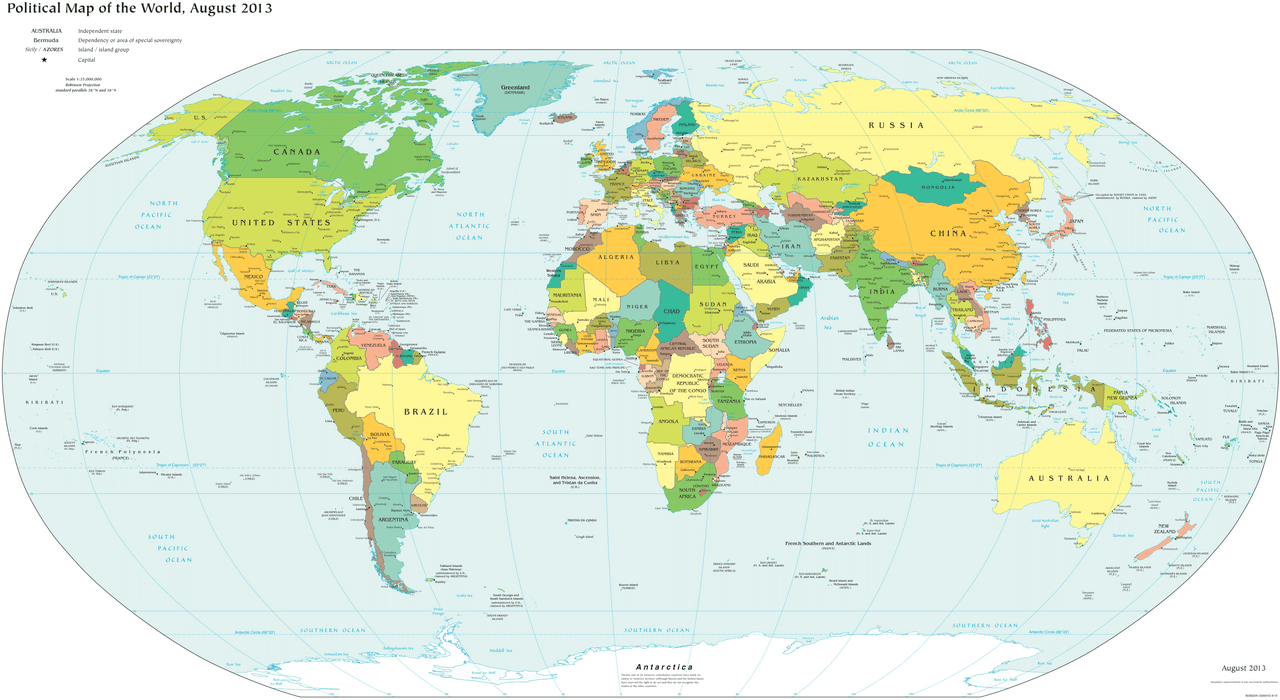
A map of countries visited turns a year of flights, trains and weekends away into something you can see at a glance. Instead of scrolling old tickets or guessing from photo albums, you mark each country once and watch the year fill in. This guide explains how to build a travel year in review on a map, what to count, and how to keep the record honest without turning it into homework.
Why a map works better than a list
Lists are fine for packing. They are weak for memory. A list of “France, Japan, Thailand” does not show that you crossed half the planet or that three short trips clustered in one region. A map makes patterns obvious: repeat visits, gaps on a continent you meant to explore, or a year that stayed closer to home than you thought.
People use a visited-countries map for different reasons:
- A personal year-end review
- Motivation for the next trip (filling a region, not chasing a number)
- Sharing a simple visual with family without dumping a 200-photo album
- Keeping a long-term log that survives phone upgrades
If you want a ready tool for this, RoamerPlanner’s visited countries map is built for marking countries and seeing your coverage grow.
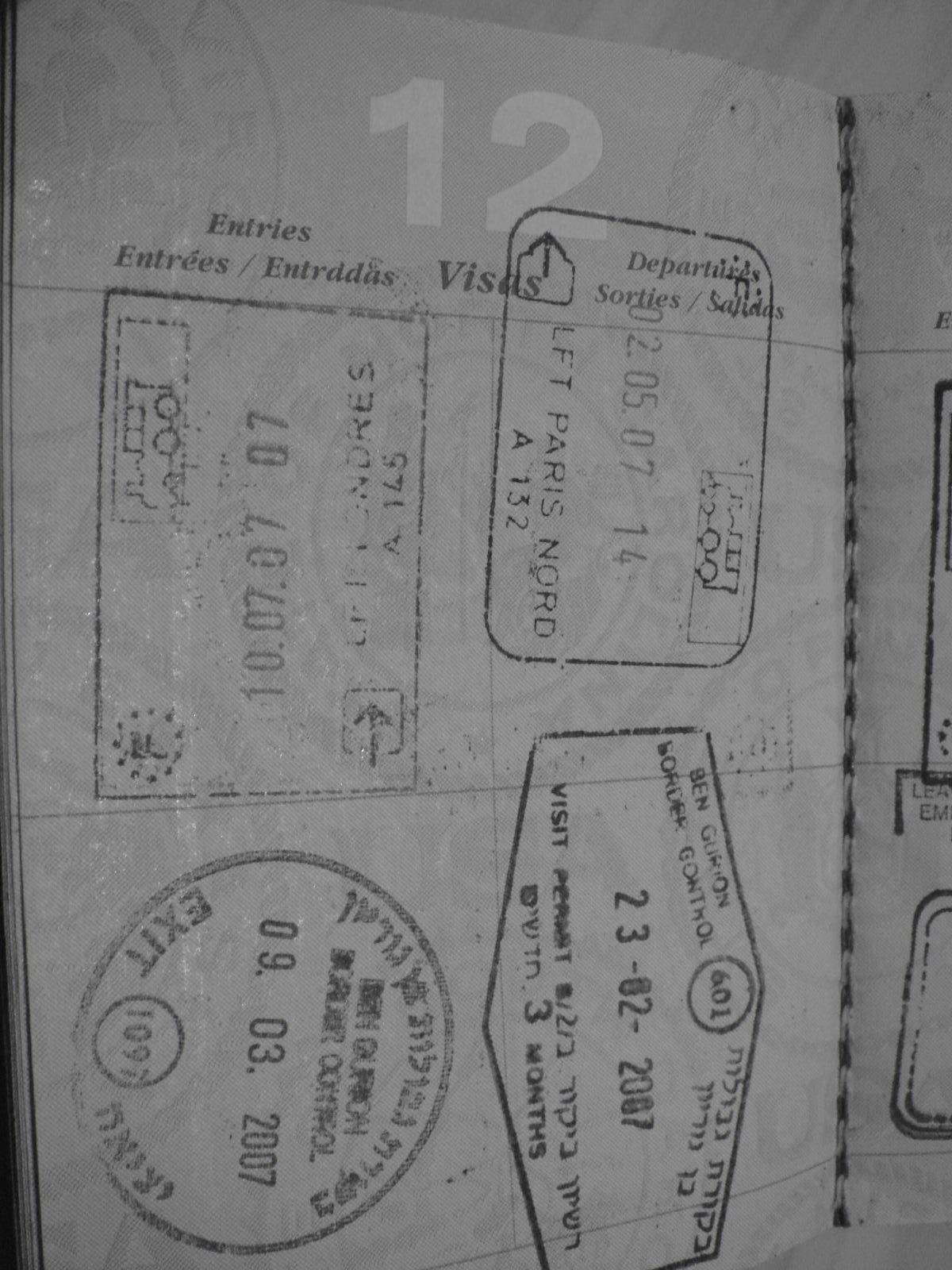
Photo: Evan / Wikimedia Commons, CC BY 2.0
What counts as a “visit”?
There is no world authority for this. Pick a rule and stick to it so your map stays comparable year to year.
Common rules people choose:
- Any immigration stamp or entry into the country, even a short airport layover where you clear passport control
- Only overnight stays (layover without leaving the airport does not count)
- Only trips where you left the airport/port and set foot in the city
Write your rule in a note on the map profile. The number matters less than consistency. If you change the rule later, note the year you changed it so old totals still make sense.
Disputed territories and special regions (for example Hong Kong, Macau, or places with complex status) are another choice point. Decide whether you follow the map’s country list as drawn, or keep a private side note. For a personal year in review, clarity beats arguing geopolitics in a caption.
How to build your map of countries visited for 2026
1. Gather the raw travel log
Pull from:
- Calendar holds and flight confirmations
- Passport stamps and digital entry records where you have them
- Photo albums sorted by date
- Expense or booking emails
You do not need perfect times. Month and country are enough for a year review.
2. Mark countries as you confirm them
Work chronologically. Mark each country once for the year even if you visited twice. Optional: keep a separate note for “visits this year” if you care about repeat trips (for example two weekends in Singapore).
3. Add light context, not a novel
For each country, one line is enough: “March, Tokyo + Kyoto, 8 nights” or “August, friends’ wedding in Chiang Mai.” Save day-by-day detail for itinerary tools, not for the map layer. If you already plan trips day by day, keep that workflow in how to plan a trip day by day and let the map stay high level.
4. Review the shape of the year
Ask:
- Did most trips stay in one region?
- Was there a long gap with no travel?
- Which trip was the outlier (distance, duration, or purpose)?
- What did you book late and regret, or book early and enjoy?
The map will not answer those alone, but it prompts better questions than a spreadsheet of airport codes.
5. Export or screenshot for your year note
Many people drop a map image into a short year-end note: countries count, favourite trip, one lesson (pack lighter, leave more buffer, travel slower). Keep it private or share it. Either way, the map is the visual anchor.
Year-in-review prompts that stay useful
Use these without turning the exercise into a performance:
- Distance vs depth: One long-haul blitz vs three slow regional trips. Which felt better for your energy and budget?
- Repeat vs new: Returning to a known city often costs less stress. First-time countries cost more planning. Both can be “wins.”
- Solo vs group: Mark which trips were alone, with partner, family or friends. Patterns here explain friction more than country count does.
- Open loops: Countries you only touched via a connection and still want a real stay for.
Avoid ranking your year against strangers’ counts on social media. A map is a diary tool first.
Keeping the map updated without burnout
Update within a week of coming home, while stamps and hotel names are fresh. Or set a quarterly reminder: end of March, June, September, December. Four short sessions beat one painful December archaeology dig.
If you travel for work, decide whether work countries count. Many people include them; some keep a separate work layer. Again, consistency is the rule.
For trips you are still planning, keep the future itinerary elsewhere (for example a 5 days in Tokyo outline or a 7-day Japan itinerary) and only mark the map after you have gone. Mixing planned and completed countries confuses the year review.
Sharing without oversharing
A countries map is easier to share than full calendars. Tips:
- Share the image, not every hotel address
- Skip exact dates if you prefer privacy
- Do not feel obliged to explain every coloured country in a caption
If friends ask for tips, point them to a specific itinerary page rather than rewriting advice in chat. That keeps the map light. A short caption with the year and your visit rule is usually enough context for anyone who sees the image.
Using the map to plan the next year
A good review ends with one forward decision, not twenty.
Examples:
- “Next year, more train-based trips in one region.”
- “One long trip in shoulder season instead of three rushed weekends.”
- “Fill South-East Asia gaps before another long-haul.”
Then put that decision into an actual plan with dates. Tools like RoamerPlanner help when the next trip needs a day-by-day spine; the visited countries map stays the scoreboard, not the itinerary.
FAQ
Does a layover count? Only if your personal rule says so. Many travellers require leaving the airport. Write the rule down.
What about cruises that dock for six hours? Same idea: decide whether “set foot on land” is enough, then apply it every time.
Should I count countries from childhood? For a 2026 year review, no. For a lifetime map, yes, in a separate lifetime view if your tool allows it.
Is there an official list of countries? Maps differ at the margins. Use one map product’s list so your count is stable. Do not mix two apps’ totals without checking definitions.
Can two people share one map? Yes, if you travel together often. For mixed solo travel, separate profiles stay clearer.
Sources
- Feature description aligned with RoamerPlanner visited countries map, checked 22 Oct 2026
- Visit-counting rules are personal conventions, not an official standard; no government body defines “countries visited” for travellers
Cover photo: Central Intelligence Agency / Wikimedia Commons, public domain
อยากเอาที่พักนี้ไปใส่ในแพลนเที่ยวจริงไหม วางแผนต่อใน RoamerPlanner ได้เลย
เปิด RoamerPlanner