Bali Wet Season vs Dry Season: When to Go and How Rain Changes Your Plans
October 21, 2026
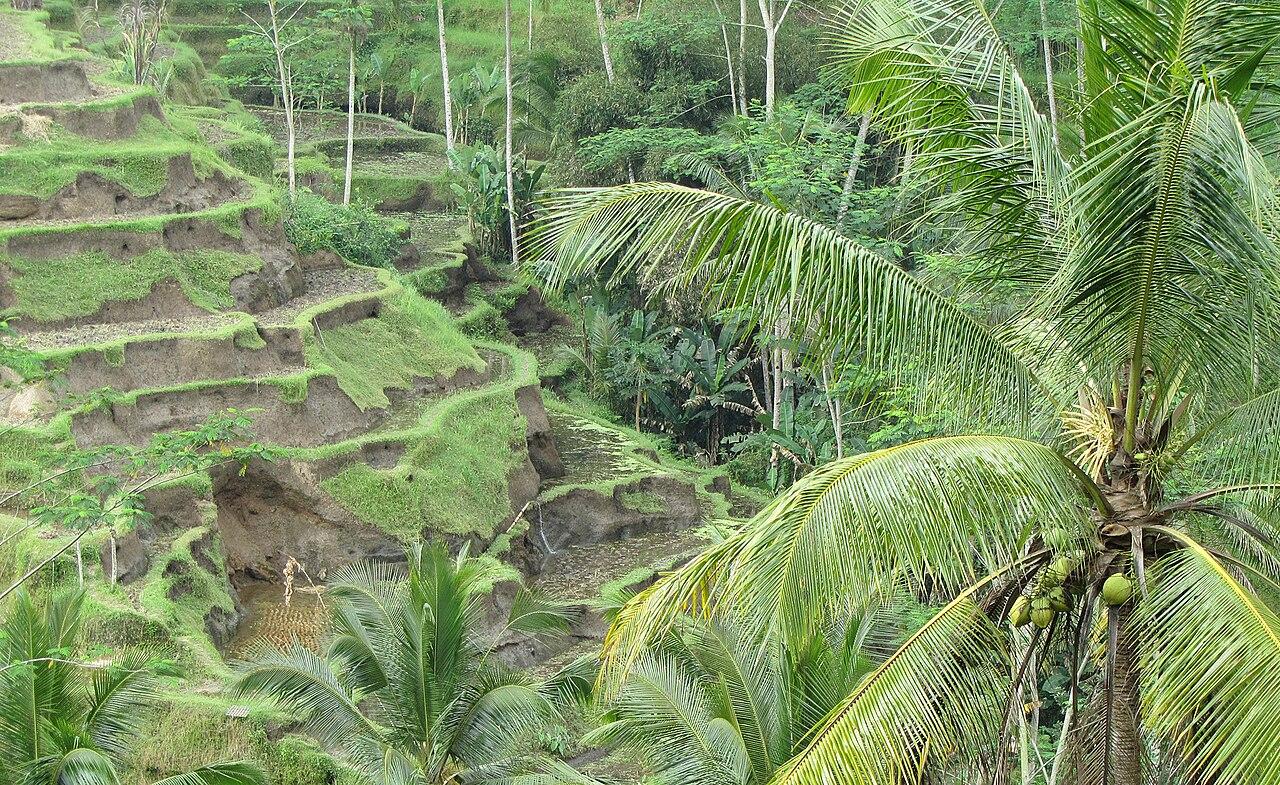
Choosing dates for Bali often starts with one question: can you live with the bali wet season, or do you need the drier months? Rain does not close the island, but it changes swimming days, volcano views and how you move between Ubud and the coast. This guide explains the usual pattern, what is and is not officially fixed for a given year, and how to adjust plans when showers arrive.
Bali wet season and dry season in plain terms
Indonesia's tourism board describes the country as having two relative seasons: rainy and dry. For much of the country, including Java and Bali, the familiar pattern is:
- Dry season: roughly April to October
- Wet (rainy) season: roughly November to March
Temperatures stay warm year-round near the coast. The main variable is rainfall and cloud, not a four-season swing. Humidity is often high in both seasons.
That calendar is a regional average, not a guarantee for every village on every date. Bali's climate office (BMKG / Stasiun Klimatologi Bali) divides the island into seasonal zones (ZOM). The start of the rainy season can arrive earlier or later than the long-term average depending on the zone and the year.
What official forecasts can (and cannot) tell you
BMKG publishes seasonal outlooks for the onset of the rainy season across Bali's zones, and monthly rainfall outlooks for the provinces it covers. Those bulletins are the right place to check in the months before you fly.
As of late 2026, travellers should treat exact onset dates for every corner of Bali as zone-specific and updated by BMKG, not as a single island-wide switch. Tourism copy that says "it never rains in July" or "it rains all day in January" oversimplifies. Showers in the dry season happen. Multi-day clear spells in the wet season happen too.
For trip planning: use April–October when you want higher odds of beach days and clearer sunrise views; use November–March when you accept more showers in exchange for fewer crowds and greener interiors, unless a major holiday surge applies.
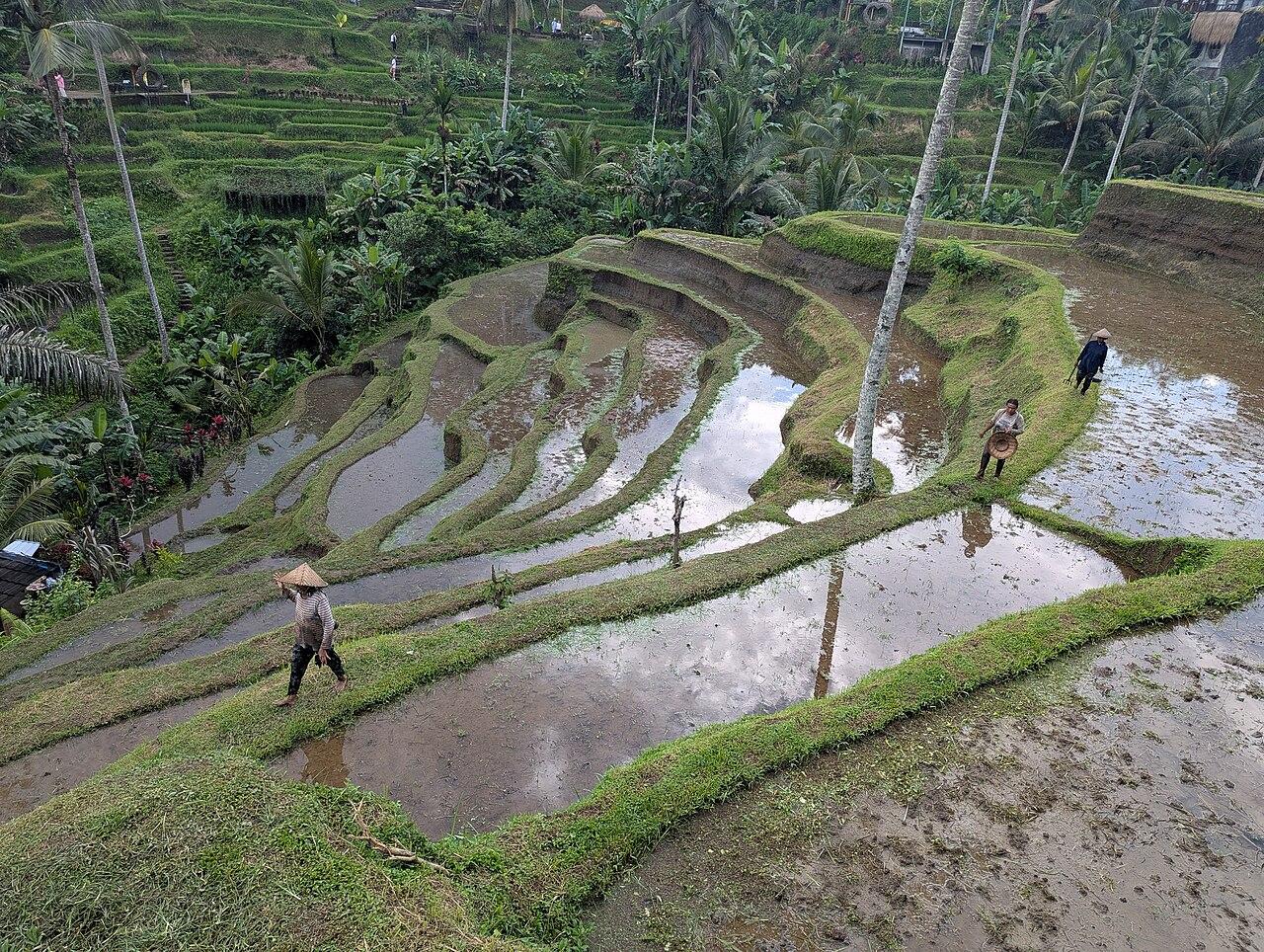
Photo: Freddy eduardo / Wikimedia Commons, CC BY-SA 4.0
How rain changes a Bali day
Mornings versus afternoons
In many wet-season weeks, heavier rain clusters later in the day. That is a tendency, not a rule. Still, it is why many visitors put outdoor highlights early: rice terraces, temple outer grounds, coastal walks and snorkel boats when operators confirm conditions.
Beaches and water
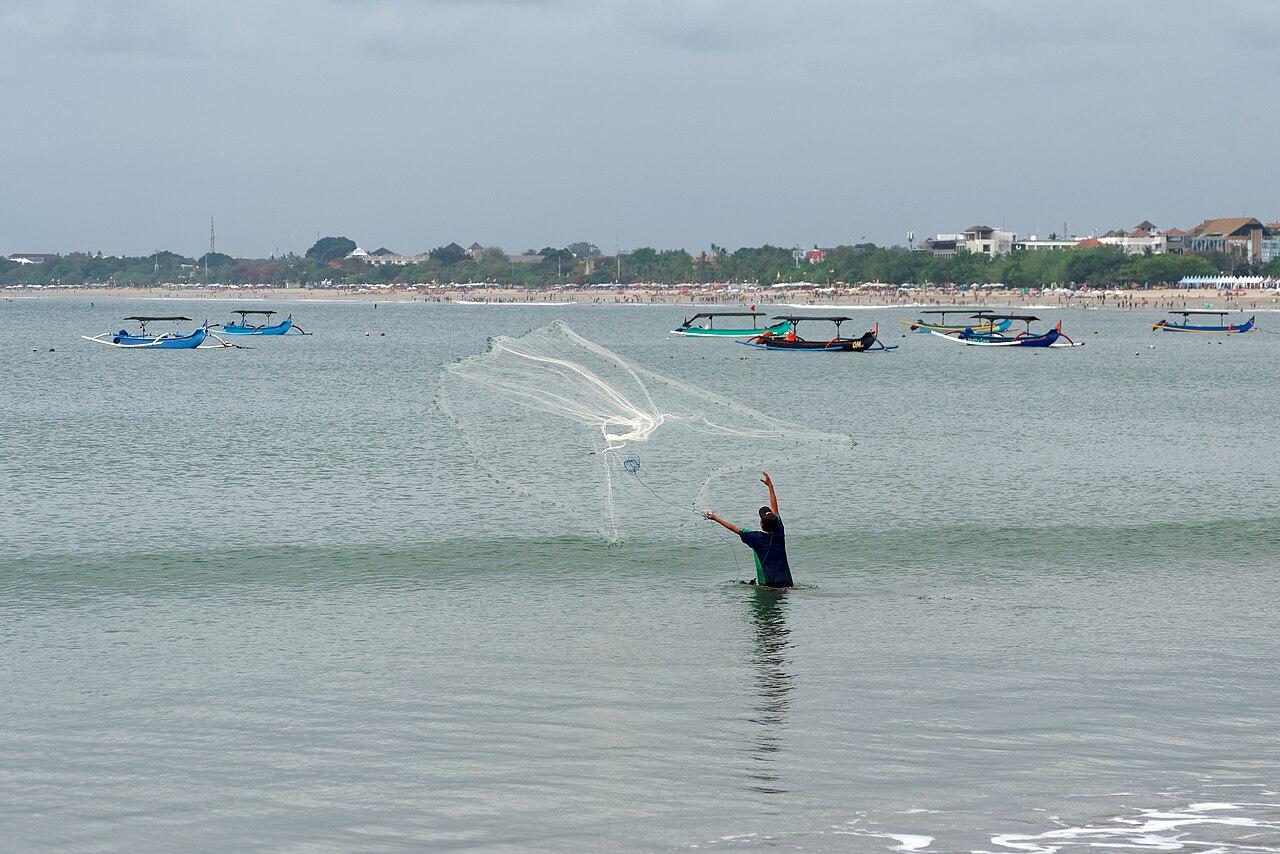
Photo: Jakub Hałun / Wikimedia Commons, CC BY-SA 4.0
The south coasts around Kuta, Seminyak and Nusa Dua remain swim spots year-round when local conditions allow, but wind, swell and jellyfish seasons vary. Always follow lifeguard flags and local advisories. Wet-season swell can change which beaches feel comfortable.
Ubud and the interior
Cloud and mist sit on the hills more often in the wet months. Rice terraces look intensely green; volcano viewpoints such as Mount Batur sunrise trips cancel more often. Book sunrise tours with clear cancellation terms.
Roads and timing
Heavy rain slows scooters and cars. Build buffer time between Ubud and the airport. Night driving in hard rain is tiring; keep evening plans closer to your hotel after big storm forecasts.
Dry season trade-offs
Dry months bring more reliable beach weather and busier temples, clubs and popular restaurants. Prices for rooms in Seminyak, Canggu and Ubud often rise, especially around July–August and major holidays. Book earlier if those months are your only window.
Dry season still needs sun protection, water and a light rain layer for surprise showers.
Wet season trade-offs
- Greener landscapes and fewer queues at some daytime sights
- More indoor spa, cooking class and cafe time
- Higher chance of short, intense downpours
- Occasional disruptions to boat crossings (for example to the Nusa islands) when seas are rough
If your priority is a specific outdoor event (diving visibility, a sunrise rim walk, a beach wedding), prefer dry-season dates or build weather backups.
A simple way to plan either season
1. Pick the region first (beach south, Ubud interior, east coast, west quieter beaches). 2. Put weather-sensitive items early in the day and early in the trip. 3. Keep one flexible half-day every two or three days. 4. Sleep near your main activities so rain does not erase the afternoon.
A ready structure is our 5 days in Bali itinerary. You can load it into RoamerPlanner and swap outdoor blocks when the forecast turns. For wider Indonesia timing context, official tourism guidance on seasons is a better first stop than social media anecdotes. Neighbouring trip ideas with clearer seasonal patterns include 3 days in Bangkok and 4 days in Singapore.
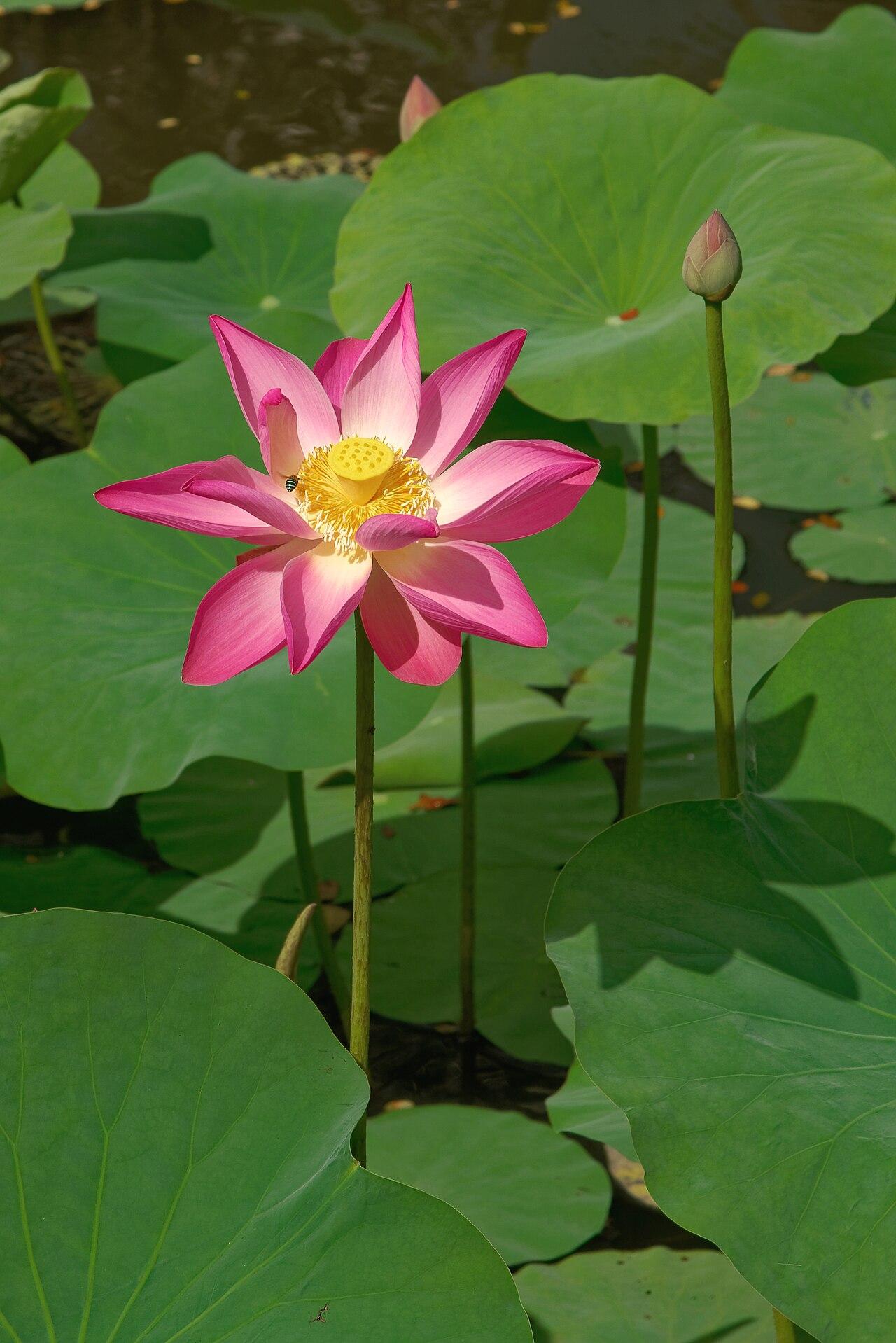
Photo: Jakub Hałun / Wikimedia Commons, CC BY-SA 4.0
Region-by-region notes
South beaches (Kuta, Legian, Seminyak, Canggu, Nusa Dua): Closest to the airport and the densest hotel strip. Wet-season evenings can still be lively indoors. Choose lodging with covered walkways if you dislike short soaked walks to dinner.
Ubud and nearby villages: Best for temples, crafts and rice-field walks. Mist and mud on paths are more common in the wet months; bring shoes with grip, not only flip-flops.
East and northeast coasts: Often quieter. Check local swell and boat conditions if you plan snorkelling day trips.
West and northwest: Longer drives from Denpasar. Factor rain delays into same-day airport connections.
Wherever you stay, ask hotels about shuttle timing in heavy rain and confirm scooter insurance rules if you rent. Many travellers underestimate how slippery painted road markings become after a downpour.
What to pack for the wet months
- Light rain jacket or poncho (humidity makes heavy coats miserable)
- Quick-dry clothes and an extra pair of sandals
- Dry bag or zip pouches for phones on scooter days
- Mosquito repellent (standing water increases bite pressure for many travellers)
- Reef-safe sunscreen for any clear beach windows
- A small cloth to dry scooter seats and camera gear
If you are comparing seasons across Southeast Asia more widely, remember Bali's pattern is local. Singapore's rain rhythm and Bangkok's monsoon peaks do not map one-to-one onto Bali's ZOM calendar, which is why BMKG's island bulletins matter more than a generic "Asia rainy season" chart.
FAQ
Is the bali wet season a reason to cancel the trip? Usually no, if you accept flexible days and indoor backups. Cancel or postpone only if your whole trip depends on a single outdoor date.
Which month is "best"? For beach probability, many visitors prefer June to August. For fewer crowds and lower rates, shoulder weeks in April–May or September–October are popular. Personal tolerance for rain matters more than chasing a perfect month.
Does rain fall all day? Often it falls in bursts. Full all-day washouts happen, but so do bright mornings.
Are 2026–27 onset dates fixed? BMKG issues zone-level seasonal predictions; treat them as forecasts that can be updated. Check the latest Bali climate station bulletin before you lock non-refundable plans.
Sources
Season months for Java and Bali: Indonesia Travel (official tourism) weather and seasons page (dry roughly April–October; wet roughly November–March). Seasonal definitions and zone concept: BMKG Region III / Bali climate materials on rainy-season onset and ZOM. Monthly outlook examples: BMKG Bali bulletins (rainfall category and below/above normal notes change by month). Exact onset for every district in any future season: confirm on the latest BMKG Bali publication; not a single static island-wide date. Checked 21 Oct 2026.
Cover photo: Scorewith German / Wikimedia Commons, CC BY 3.0
อยากเอาที่พักนี้ไปใส่ในแพลนเที่ยวจริงไหม วางแผนต่อใน RoamerPlanner ได้เลย
เปิด RoamerPlanner