Phu Quoc Dry Season Guide: Best Beaches, Visa-Free Rules and 3 Days
November 15, 2026
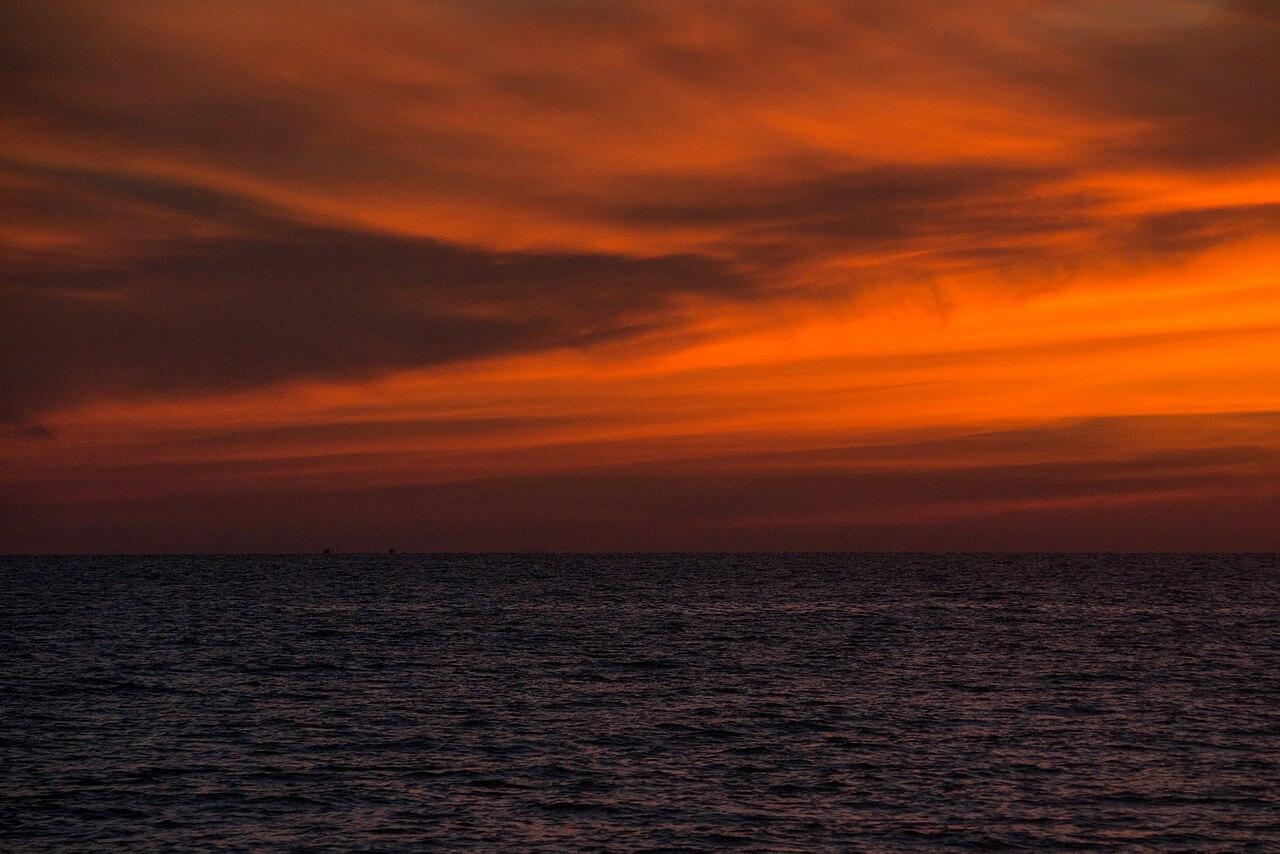
The Phu Quoc dry season runs from about November to April, and December to March is the most settled stretch, with calm water on the west coast, clear skies and sunsets over the sea. It is also the busiest time on the island, so this guide covers which beaches suit which kind of trip, how the island's visa-free rule works and a three-day plan that keeps travel time short.
Phu Quoc is Vietnam's largest island, off the south-west coast near the Cambodian border. It has its own international airport, so many visitors fly in directly and never set foot on the mainland. If you do want to combine it with Ho Chi Minh City or other parts of Vietnam, read the visa section first, because the rules are different.
When the Phu Quoc dry season is best
The island has two main seasons. From about November to April, the north-east monsoon brings dry air, and the long west coast is sheltered from the wind, so the sea there is usually flat and clear. From May to October, the south-west monsoon brings rain, rough seas on the west coast and more cancelled boat trips.
Within the dry season:
- November: the shoulder month. Showers are still possible early in the month, but prices are lower and the island is quieter.
- December to February: the most reliable weather. Christmas, New Year and Tet (6 February in 2027) are the busiest and most expensive weeks.
- March and April: hotter and more humid, with good sea conditions. April can bring the first storms near the end of the month.
If you mostly want beach days and snorkelling with fewer crowds, mid-January (after New Year, before Tet) and March are good choices.
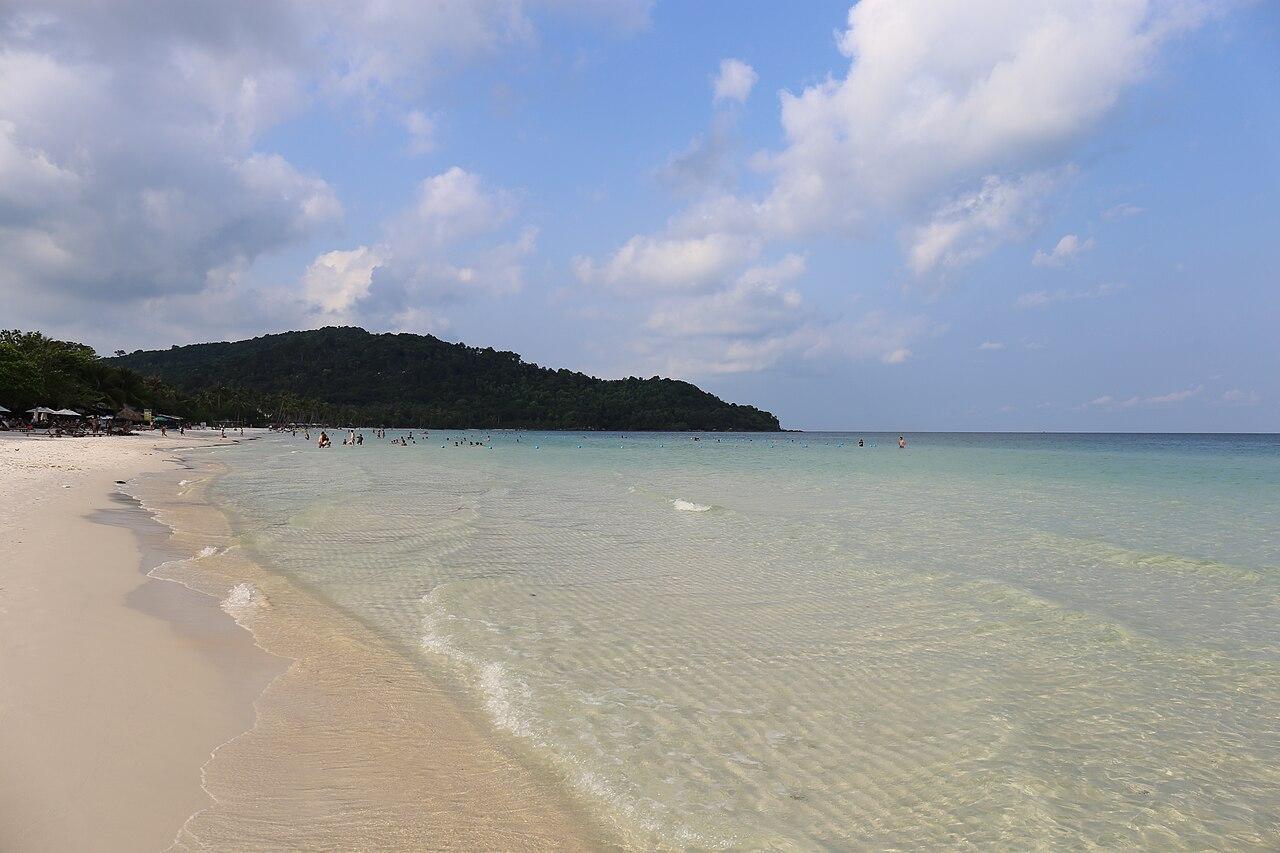
Photo: Vnecofriendly / Wikimedia Commons, CC BY-SA 4.0
Phu Quoc visa-free rules
Phu Quoc has a special entry rule. Holders of any foreign passport can visit the island without a visa for up to 30 days, according to Vietnam's foreign ministry list and its consulates. There is no list of eligible nationalities.
The details matter:
- Fly in directly. The simplest way to use the rule is an international flight straight to Phu Quoc International Airport, with flights from cities such as Bangkok, Singapore, Kuala Lumpur, Seoul and others depending on the season.
- Transfers. You can connect through another Vietnamese international airport and keep the exemption only if you stay in the transit area there. Many domestic connections in Ho Chi Minh City or Hanoi involve passing immigration, so check with your airline how your transfer works.
- Visiting the mainland. If you want to spend time in Ho Chi Minh City, Da Lat or anywhere else in Vietnam, you need a regular visa or e-visa, unless your passport already qualifies for Vietnam's national visa exemption. E-visas are issued only through the official government portal, evisa.gov.vn.
- Staying longer. Stays beyond 30 days also need a visa.
Check your own nationality's rules close to departure, as entry policies in Vietnam have changed several times in recent years.
Which beach area to stay in
Where you stay shapes your trip more than anything else, because the island is long and the sights are spread out.
- Long Beach (Bai Truong), west coast: the main hotel strip south of Duong Dong town. Easy access to restaurants, the night market and the airport, with sunsets over the water. Best for first visits and short stays.
- Ong Lang, north-west: smaller, quieter bays and resorts set among trees, a short drive north of town. Good for couples and anyone who wants calm evenings.
- North tip (Ganh Dau and Bai Dai): big resorts, the Grand World entertainment area, the safari park and theme park. Popular with families who want everything in one place, but further from town.
- South (An Thoi, Bai Khem, Sao Beach): the cable car to Hon Thom, island-hopping boats and some of the whitest sand on the island. Sao Beach on the south-east coast is the classic postcard beach, though it is more exposed to wind in the dry season and can collect debris on some days.
If you only have three days, Long Beach or the area just south of it is the most practical base. You can reach the north and the south in under an hour by car.
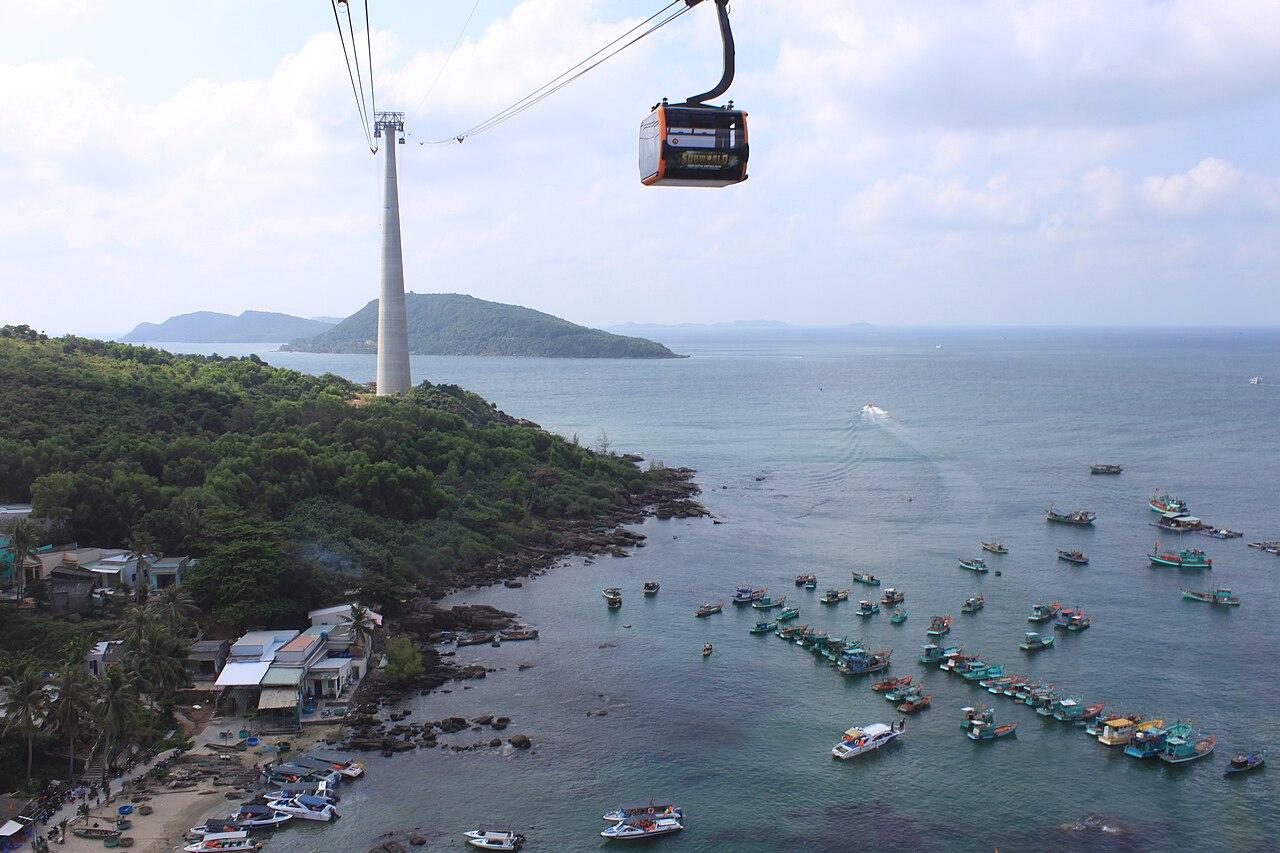
Photo: Klientos / Wikimedia Commons, CC BY-SA 4.0
Getting around
There is no full public transport network for visitors. Most people use ride-hailing apps such as Grab, metered taxis or a hired car with driver for the day. Scooters are widely rented, but traffic on the main roads moves fast and you need a valid licence that is recognised in Vietnam for your insurance to work.
Resorts in the north and south often run shuttle buses to their own attractions. Check what your hotel includes before paying for transfers.
Things to do in the dry season
- Island hopping in the An Thoi archipelago: boat trips from the south visit small islands with snorkelling stops. Calm dry-season seas make this the best time to go.
- Hon Thom cable car: a long sea crossing from An Thoi to Hon Thom island, with views over the fishing harbour and the islands. There is a water park and beach on the island side.
- Sunsets on the west coast: Long Beach, Ong Lang and the bars near Duong Dong face the sunset directly.
- Phu Quoc National Park: forested hills covering much of the north, with walking trails and streams that are low in the dry season.
- Fish sauce and pepper: Phu Quoc is known for both. Small factories and pepper farms near Duong Dong welcome visitors.
- History: the Phu Quoc Prison site in the south is a sobering museum about the war years. It is not suitable for young children.
- Night markets: the Duong Dong night market is the place for grilled seafood, while Grand World in the north has its own evening market and shows.
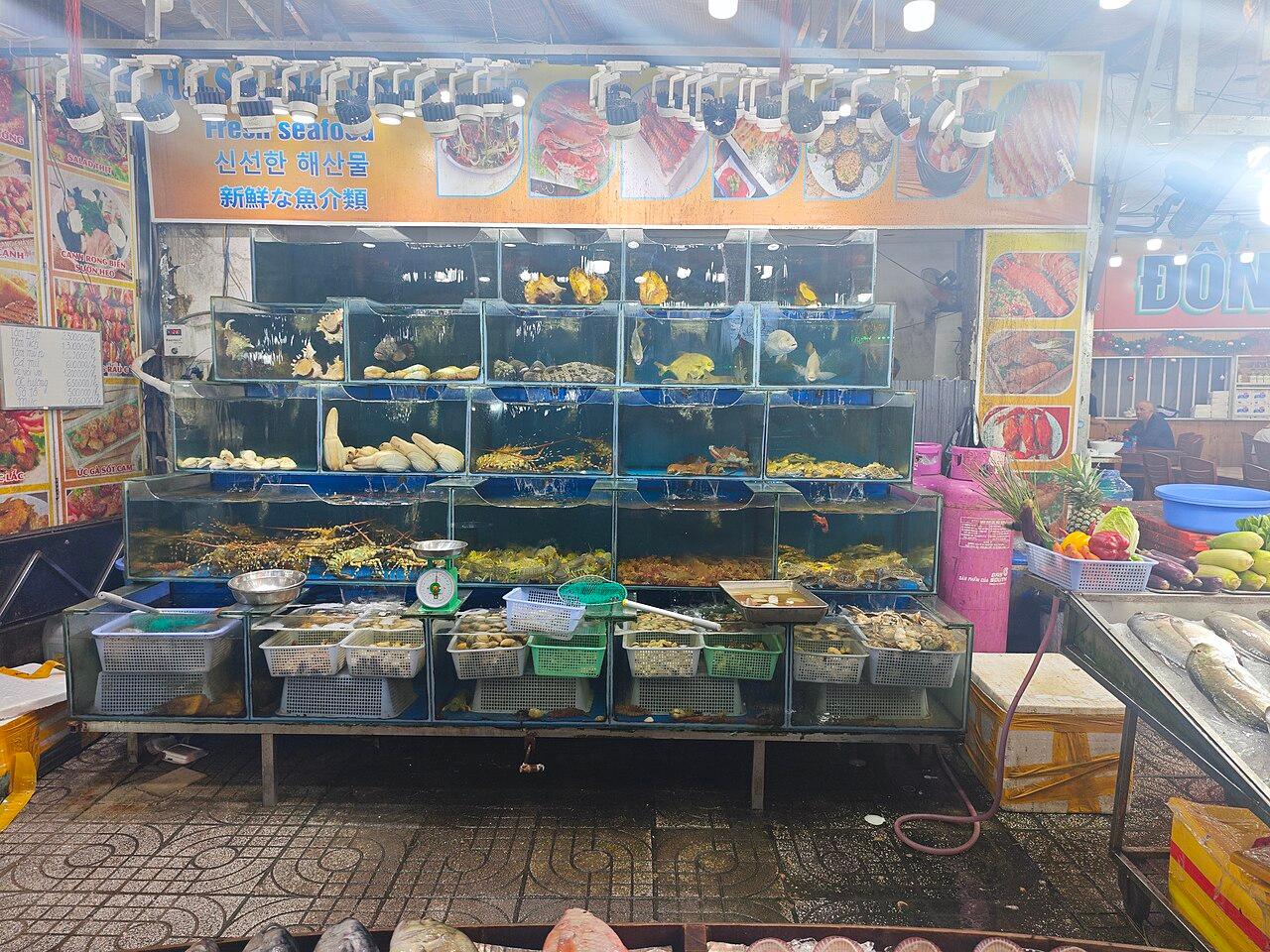
Photo: FrogsLegs71 / Wikimedia Commons, CC BY-SA 3.0
A 3-day Phu Quoc plan
Day 1: arrive and settle on the west coast
- Afternoon: arrive, check in near Long Beach and spend the rest of the day on the sand.
- Sunset: walk the beach or find a seafront bar as the sun goes down.
- Evening: Duong Dong night market for grilled seafood. Agree on prices by weight before your order is cooked.
Day 2: the south
- Morning: an island-hopping boat trip from An Thoi with two or three snorkelling stops. Most tours collect you from your hotel.
- Afternoon: the Hon Thom cable car, or Sao Beach if you skipped the boat.
- Late afternoon: a stop at the Phu Quoc Prison museum on the way back if you have the energy.
Day 3: the north or a slow day
- Option A, families: the north tip for the safari park, theme park or Grand World.
- Option B, nature: a morning walk in the national park, then lunch and a quiet afternoon at Ong Lang.
- Option C, local life: a fish sauce factory, a pepper farm and coffee in Duong Dong before your flight.
Our 3 days in Phu Quoc sample trip follows a similar route. If you have a full Vietnam visa and want a city stop, pair it with the 3 days in Ho Chi Minh City plan, which is a short flight away. For a beach comparison closer to home for Thailand-based travellers, see our guide to Khao Lak vs Phuket.
Quick answers
Is November a good time for Phu Quoc? Usually, yes, though early November can still bring showers as the rainy season ends. From late November the weather tends to settle.
Do I need a visa for Phu Quoc? Not for a stay of up to 30 days on the island itself, if you fly in directly or stay in the transit area of another Vietnamese airport. You need a visa or a qualifying passport to visit the mainland.
Which side of Phu Quoc is best in the dry season? The west coast. It is sheltered from the dry-season wind, so the sea is calmer and the sunsets face the beach.
How many days do you need? Three days covers the west coast, the south and one more area. Add two or three more if you want proper rest days.
Put your flight, beach base and boat trip into RoamerPlanner so the transfers between north, south and the airport fit into each day.
Sources
Consulate General of Vietnam in Sydney, Phu Quoc visa exemption page (citing the Ministry of Foreign Affairs list); Vietnam National Authority of Tourism, Phu Quoc destination page; official e-visa portal evisa.gov.vn. Checked 10 Nov 2026.
Cover photo: Alexey Komarov / Wikimedia Commons, CC BY-SA 4.0
More about Vietnam: all articles and trip plans
Trips you can copy
Ready-made day-by-day plans for this place. Copy one for free and change it to fit your trip.
Turn this into a plan
Ready to turn this into a real itinerary? Plan it in RoamerPlanner.
Start your own plan, no account neededBrowse sample trips