Phnom Penh in 2 Days: Royal Palace, History Sites and the Riverside
November 21, 2026
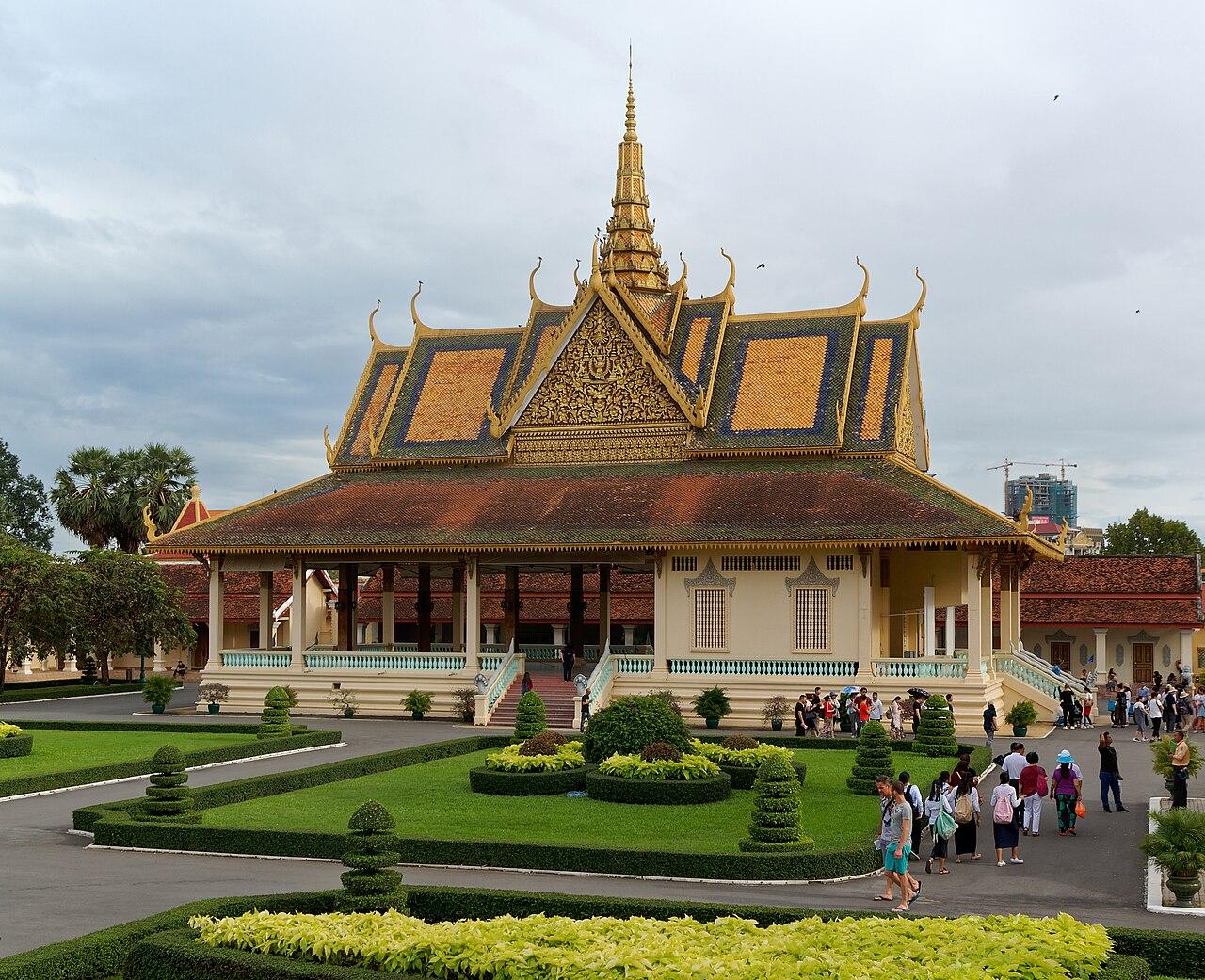
Phnom Penh rewards a short stay more than its reputation suggests. Two days in Phnom Penh is enough to see the Royal Palace and Silver Pagoda, spend time at the two main memorials to the Khmer Rouge period, eat well, and walk the riverside at sunset. This plan keeps the heavy history and the lighter parts of the city on separate days, and it works around the palace's long midday break.
Before you go: arrival and borders
Most visitors now fly in. Phnom Penh's international flights moved to Techo International Airport, which opened in 2025 well south of the city. Allow around an hour by taxi or ride-hailing app to the centre, more in rush hour or heavy rain. There is also a cheap airport bus that takes longer.
If you arrive by air, Cambodia asks travellers to complete the e-Arrival card online in the days before landing. Check the official Cambodian government portal for the current rules and your visa options before you fly.
If you were planning to come overland from Thailand, check first. As of late 2026, all land border crossings between Thailand and Cambodia remain closed until further notice, according to the Cambodian embassy's list of checkpoints. The crossings from Vietnam at Bavet and from Laos are listed as open. From Bangkok, flying is the practical option for now.
US dollars are used alongside the riel for most prices in the city. Bring clean, untorn small notes; damaged ones are often refused. Change usually comes back in riel.
Getting around
Tuk-tuks and remorks are everywhere, but the easiest way to avoid haggling is a ride-hailing app such as Grab or PassApp, which show the price before you ride. Distances in the centre are short. The riverside, the palace and the National Museum are all walkable from each other; Tuol Sleng is a short ride south-west, and Choeung Ek is outside the city.
Day 1: History day
This is a hard day emotionally. Many visitors find it easier to do both memorials together and then have a quiet evening, rather than spreading them out.
Morning: Tuol Sleng Genocide Museum
Tuol Sleng was a secondary school before the Khmer Rouge turned it into Security Prison 21, known as S-21. Thousands of people were held, interrogated and photographed here before being sent to their deaths. The buildings, cells and portrait photographs are kept largely as they were found. Since 2025, Tuol Sleng and Choeung Ek have been part of a UNESCO World Heritage listing of Cambodian memorial sites.
According to the museum's own visitor page, it opens daily from 8 am to 5 pm. International adults pay US$5, children aged 10 to 17 pay less, and tickets are cash only at the gate. The audio guide costs extra and is worth it: it explains each building and includes survivor testimony. Allow two to three hours. The museum advises that some exhibits may not suit younger teenagers.
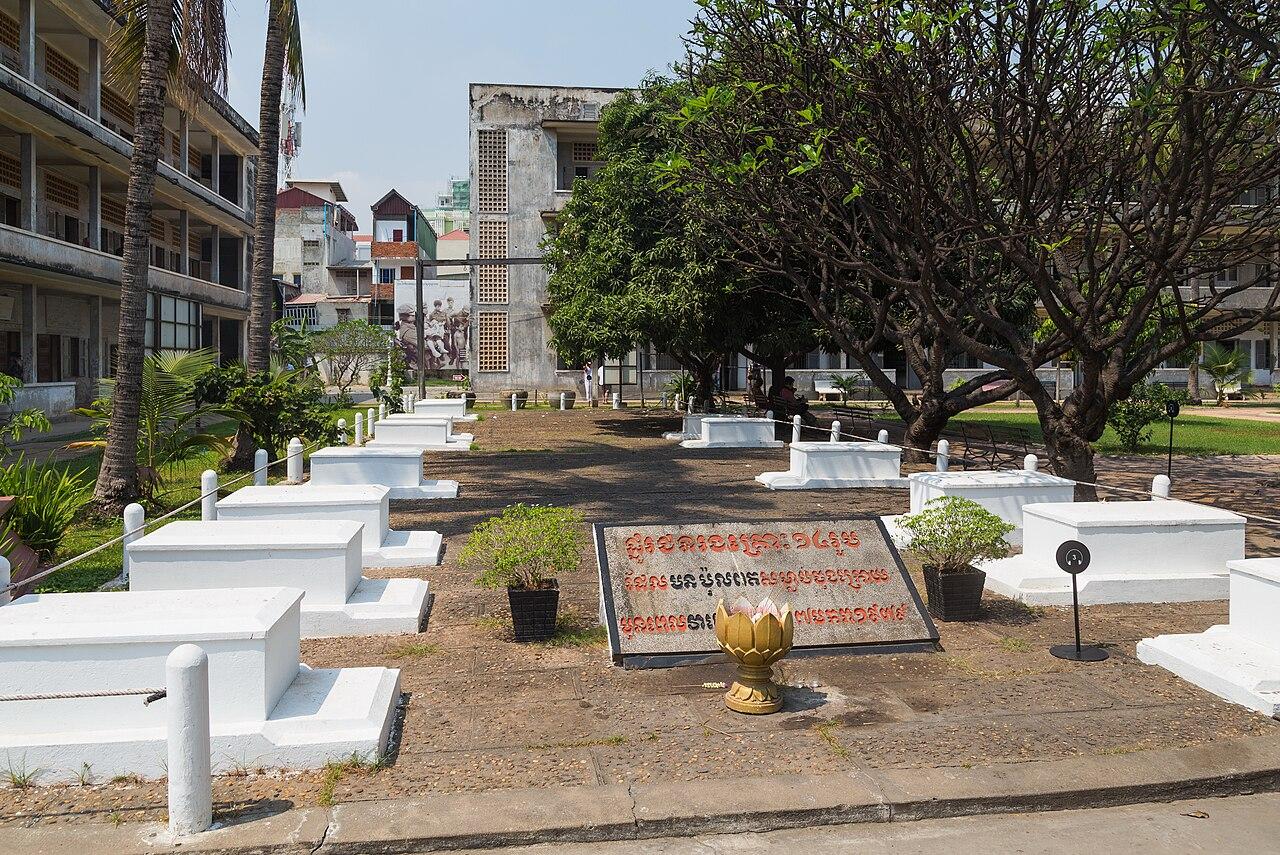
Photo: Marcin Konsek / Wikimedia Commons, CC BY-SA 4.0
Midday: a quiet lunch
Keep lunch simple. The streets around Tuol Sleng and the nearby Russian Market area have plenty of cafes and noodle shops. This is a good point to sit down for a while before the second visit.
Afternoon: Choeung Ek
Choeung Ek, about 15 km south of the centre, is where most prisoners from S-21 were killed and buried. A memorial stupa holds the remains recovered from the mass graves. The audio tour sets the pace for the walk and warns you before the most difficult sections, so you can choose what to listen to. Allow an hour or so on site, plus the ride there and back.
Recent visitor guides list entry at around US$6 including the audio tour. We could not find a working official page for Choeung Ek's prices, so confirm at the ticket office and bring cash. A tuk-tuk or app ride with the driver waiting is the simplest way to get there.
Dress modestly at both sites, keep your voice down, and do not take photos of the human remains in a way that feels like a tourist shot. These are places of mourning for Cambodian families.
Evening: the riverside
End the day along Sisowath Quay, where the Tonle Sap meets the Mekong. The riverside park fills up with families, exercise groups and food carts as it cools down. A short sunset boat cruise from the riverfront is an easy, low-effort option if you want to sit and watch the city from the water.
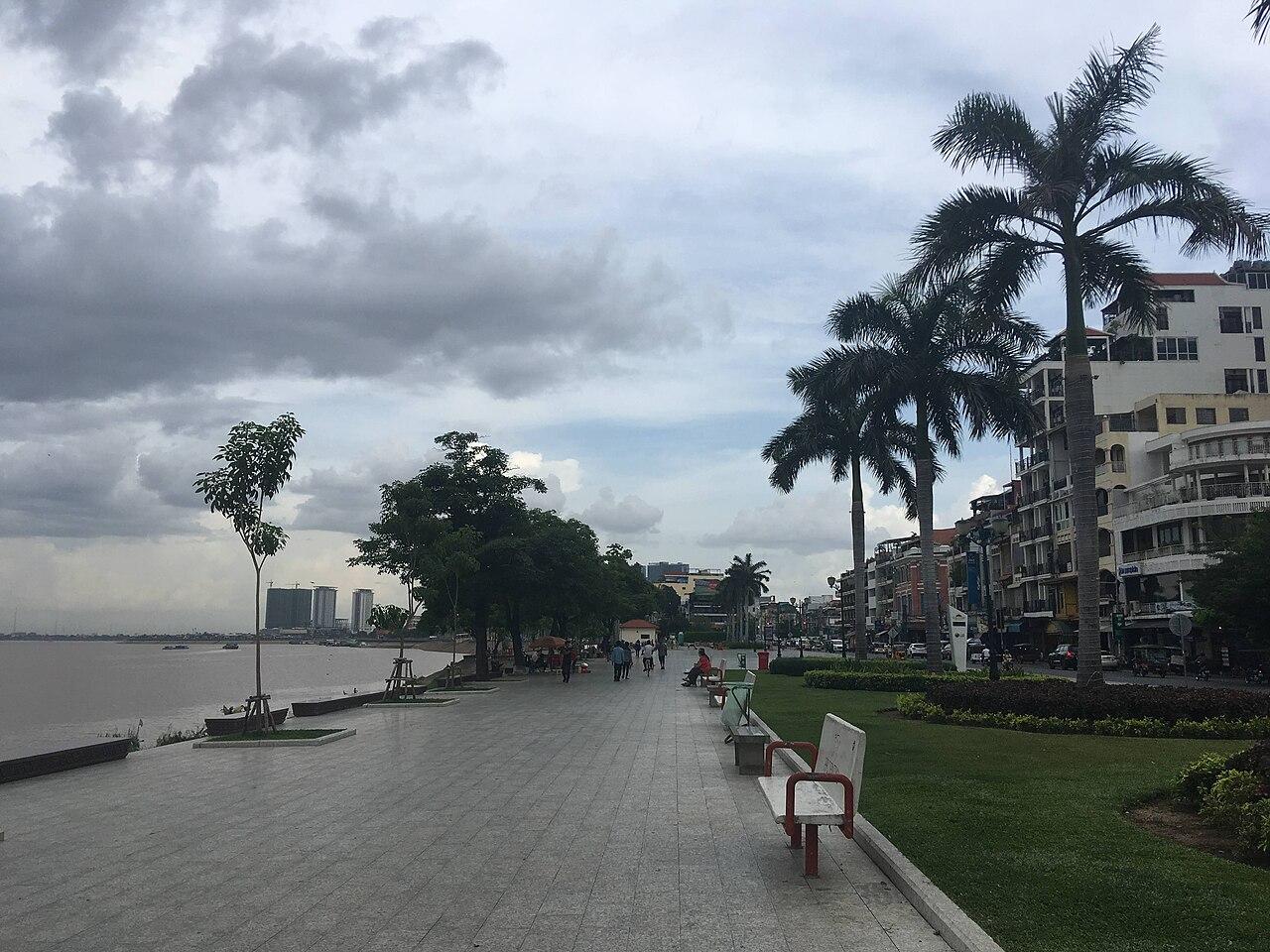
Photo: Christophe95 / Wikimedia Commons, CC BY-SA 4.0
Day 2: Palace, museum and markets
Morning: the Royal Palace and Silver Pagoda
Go early. The palace opens in two sessions, typically 8 to 11 am and 2 to 5 pm, and closes in between. It can also close at short notice for royal ceremonies, so check on the day.
Entry for foreign visitors is around US$10, which covers the palace grounds and the Silver Pagoda, named for the silver tiles on its floor. You cannot enter the Throne Hall, but you can look in through the doors. Cover your shoulders and knees; the dress code is checked after you buy your ticket, and you will not get a refund if you are turned away. Guides wait near the entrance if you want one. Allow about 90 minutes to two hours.
Late morning: National Museum
The National Museum of Cambodia is a few minutes' walk from the palace, in a red building around a garden courtyard. It holds the country's best collection of Khmer sculpture, including many pieces from the Angkor period, and it makes much more sense of the temples if you are heading to Siem Reap next. It stays open through the middle of the day, so it fits neatly into the palace's midday closure. Entry is about US$10 for foreign adults.
Afternoon: markets and Wat Phnom
After lunch, choose between two very different markets:
- Central Market (Phsar Thmei), an art deco dome with stalls selling jewellery, clothes and snacks. It is cooler under the dome than you would expect.
- Russian Market (Phsar Tuol Tom Poung), cramped and hot, with fabrics, souvenirs, spare parts and food stalls. The surrounding streets are full of cafes, which makes it a good place to slow down.
Then take a short ride to Wat Phnom, the hilltop temple that gives the city its name. It is small and calm, and the park around it is pleasant in the late afternoon.
Evening: Independence Monument and dinner
The Independence Monument is lit up at night, and the park stretching east towards the river is a popular evening spot for locals. For dinner, Phnom Penh has a good range, from street stalls with grilled meats and rice soups to restaurants running training programmes for young Cambodians. Try fish amok, a curry steamed in banana leaf, and kuy teav, the rice noodle soup that many people eat for breakfast.
Practical tips for Phnom Penh
- Heat. Even in the cool season, from November to February, afternoons are hot. Do outdoor sights in the morning and save museums or cafes for the middle of the day.
- Bag safety. Bag snatching from passing motorbikes happens in Phnom Penh. Keep your phone away from the roadside edge of the pavement and hold bags on the side away from traffic, including in open tuk-tuks.
- Cash. Tickets at the memorials and the palace are cash. ATMs are common and usually dispense US dollars.
- Respect. At temples and memorial sites, remove hats and shoes where signs ask you to, and avoid pointing your feet at Buddha images.
Where to go next
Phnom Penh pairs naturally with Siem Reap. Flights are short, and buses take most of a day. Our guide to the Angkor Wat temple pass and sunrise covers tickets and a three-day plan there.
For ready-made day plans, see the 2 days in Phnom Penh and 3 days in Siem Reap sample trips. If you want to combine Cambodia with Bangkok, the 3 days in Bangkok itinerary is a good place to start, and you can copy any of these into RoamerPlanner to adjust the days and add your flights.
Quick answers
Is two days in Phnom Penh enough? For the main sights, yes. Add a third day if you want a slower pace or a day trip, for example to the island of Koh Dach on the Mekong.
Can I visit Tuol Sleng and Choeung Ek on the same day? Yes, and many people prefer to. Start at Tuol Sleng in the morning and go to Choeung Ek after lunch.
Is it suitable for children? The memorials contain distressing material. Tuol Sleng itself says some exhibits may not suit visitors aged 14 and under. The palace, museum, markets and riverside are fine for all ages.
What should I wear at the Royal Palace? Clothes that cover your shoulders and knees. Avoid very short shorts and skirts.
Sources checked 17 November 2026: Tuol Sleng Genocide Museum visitor information (tuolsleng.gov.kh), Royal Embassy of Cambodia in Berlin list of international checkpoints (as of 3 October 2026), and recent visitor guides for Royal Palace, National Museum and Choeung Ek hours and prices. Palace hours and fees are not published on an official page; confirm at the gate.
Cover photo: Jakub Hałun / Wikimedia Commons, CC BY-SA 4.0
More about Cambodia: all articles and trip plans
Trips you can copy
Ready-made day-by-day plans for this place. Copy one for free and change it to fit your trip.
Turn this into a plan
Ready to turn this into a real itinerary? Plan it in RoamerPlanner.
Start your own plan, no account neededBrowse sample trips