Where to Stay in Tokyo First Time: Shinjuku vs Shibuya vs Asakusa vs Tokyo Station
October 20, 2026
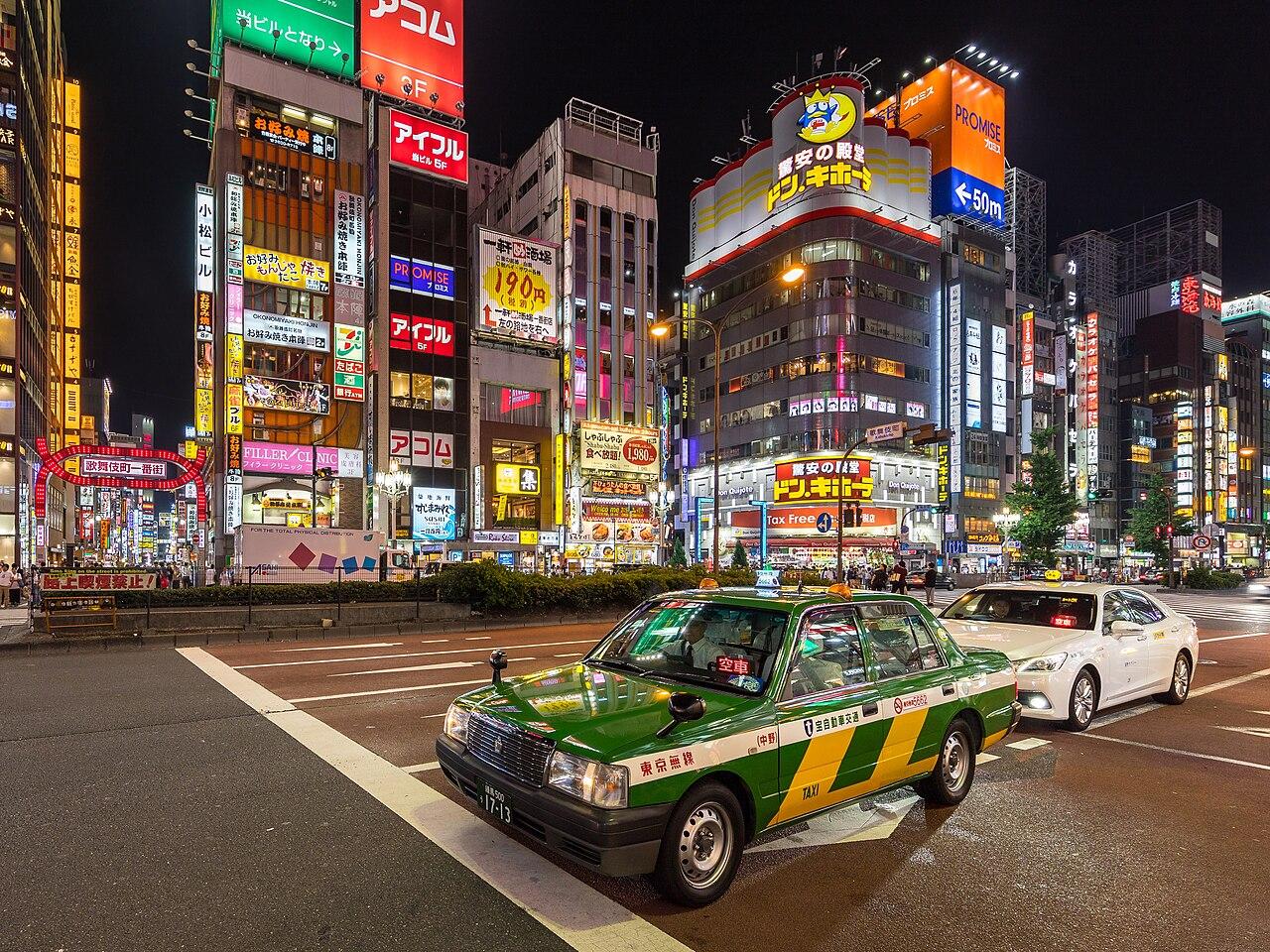
Where to stay in Tokyo first time is mostly a question about train lines, not hotels. Tokyo is huge, but its rail network is so good that almost any central base works. What changes is how many transfers you make each day, how easy the airport run is, and what the streets outside your hotel feel like at 10 pm. This guide compares the four areas most first-time visitors choose: Shinjuku, Shibuya, Asakusa (with nearby Ueno) and Tokyo Station (with Ginza).
Where to stay in Tokyo first time: the short answer
- Pick Shinjuku if you want the most train connections, lots of food and nightlife, and an easy day trip to Hakone or Mount Fuji.
- Pick Shibuya if you want a younger, design-led neighbourhood with good cafes and shopping, and you do not mind paying a bit more.
- Pick Asakusa or Ueno if you want lower prices, a traditional feel, quiet evenings and a direct train from the airports.
- Pick Tokyo Station or Ginza if you will take the shinkansen to Kyoto, Osaka or Hiroshima, or if you want a calm, central base with easy airport links.
If you are still stuck after reading the details, the last section has four questions that usually settle it.
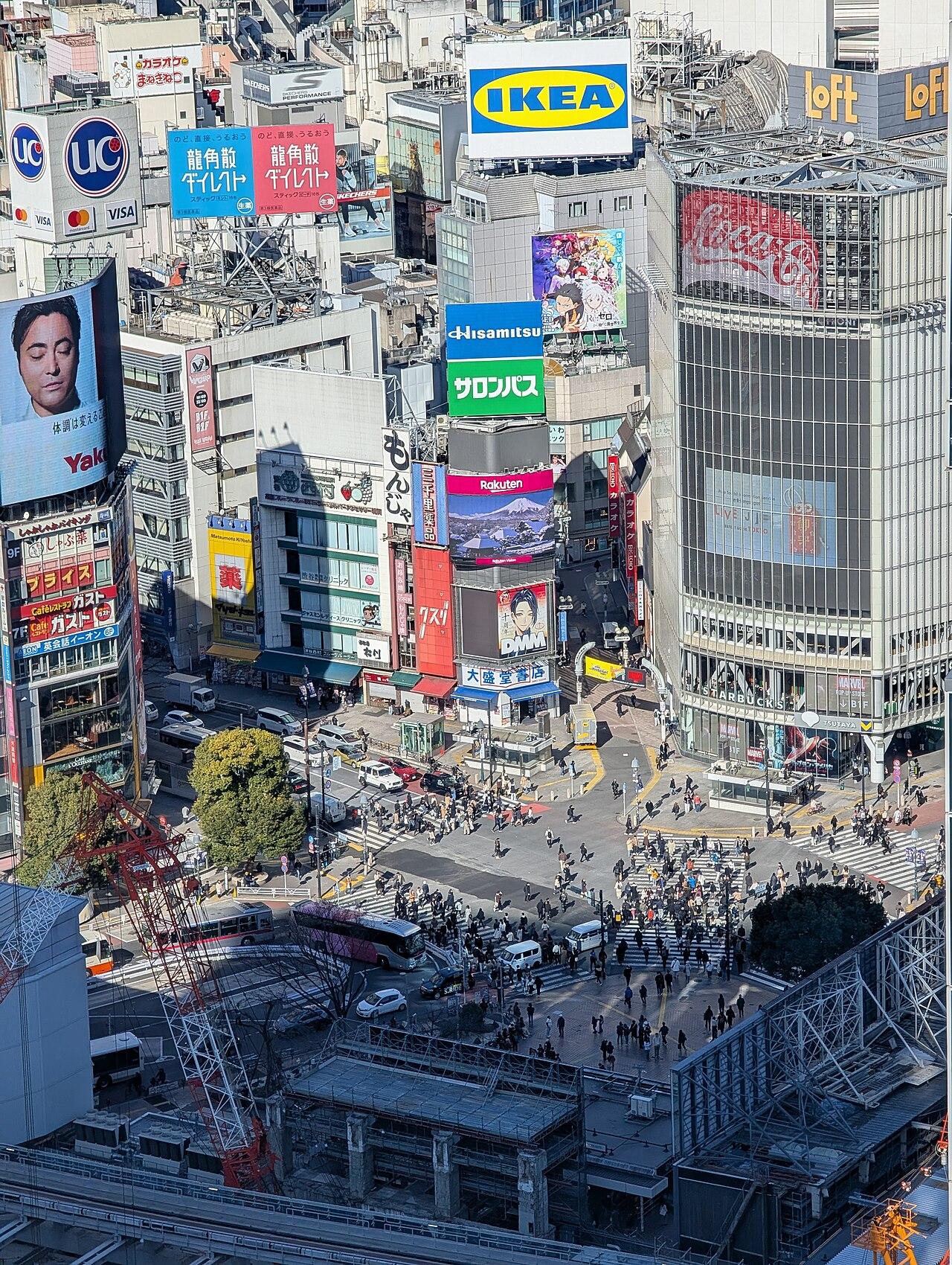
Photo: Syced / Wikimedia Commons, CC0
Shinjuku: the most connected base
Shinjuku Station is one of the busiest stations in the world, and that is both its strength and its weakness. From here the JR Yamanote Line loops around central Tokyo, the Chuo Line runs east to Tokyo Station and west to the suburbs, several subway lines fan out across the city, and Odakyu trains leave for Hakone. The Narita Express also stops here.
Good for: first-timers who want options. You can eat late, shop at large department stores, walk to Shinjuku Gyoen garden, and see the city from the free observation decks at the Tokyo Metropolitan Government Building.
Watch out for: the station itself. It has dozens of exits, and finding the right one with a suitcase can take a while on day one. Stay within about five minutes' walk of the exit closest to your hotel, and check which exit that is before you arrive.
Which side? The west side has big hotels and office towers and is quieter at night. The east side, including Kabukicho, is louder and busier until late. Light sleepers should look west or south.
Shibuya: style, food and a lot of hills
Shibuya is the area most people picture from photos of Tokyo, with the Scramble Crossing and its big screens. Over the past decade the area around the station has been rebuilt with new towers, shopping centres and the Shibuya Sky viewpoint.
Good for: cafes, fashion, record shops, and walking to Harajuku, Omotesando and Yoyogi Park. It is also on the Yamanote Line, the Ginza and Hanzomon subway lines and the Tokyu lines, so getting around is easy. The Narita Express stops here too.
Watch out for: prices. Hotels near the station tend to cost more than similar ones in Ueno or Asakusa. The area is also hilly, and streets around the station are very crowded on weekend evenings.
Who it suits: couples and friends who want a lively base, and anyone who plans to spend more time in western Tokyo (Harajuku, Shimokitazawa, Daikanyama) than in the old east side.
Asakusa and Ueno: the old east side
Asakusa grew up around Senso-ji, Tokyo's oldest temple, and still has a lower skyline and an older feel than the west side. Ueno, a few stops away, has a big park, several major museums and the zoo.
Good for: budget-conscious travellers and families. Rooms are often larger for the money, the evenings are calm, and you can walk to Senso-ji early before the day-trippers arrive. Asakusa is also close to the Sumida River and the Tokyo Skytree.
Airport links: this is where the east side shines. The Toei Asakusa Line runs through trains to both airports, so on many services you can ride from Asakusa to Narita or Haneda without changing. From Ueno, the Keisei Skyliner reaches Narita Airport Terminal 2 in about 41 minutes, according to Keisei.
Watch out for: distance from the west side. Getting to Shinjuku or Shibuya takes around 30 to 40 minutes, and nightlife is limited. If most of your plans are in western Tokyo, you will spend a lot of time on trains.
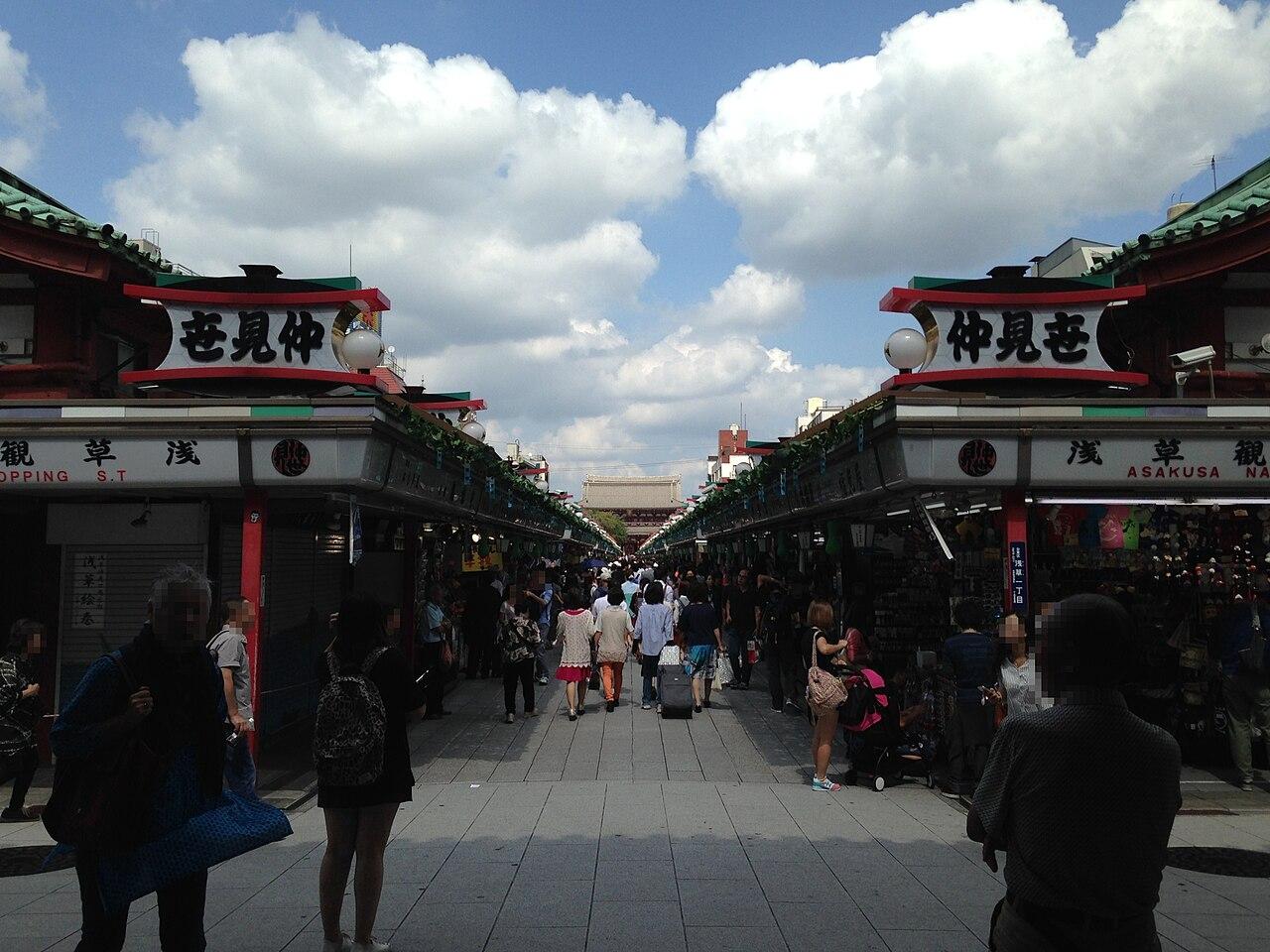
Photo: そらみみ (Soramimi) / Wikimedia Commons, CC BY-SA 4.0
Tokyo Station and Ginza: best for shinkansen days
Tokyo Station is where most shinkansen lines start, including the Tokaido Shinkansen to Kyoto and Osaka. Ginza, a short walk south, is the city's upmarket shopping area, with wide streets that close to cars on weekend afternoons.
Good for: trips that include Kyoto, Osaka or other cities. You can walk to your train with your luggage instead of crossing the city at rush hour. The Narita Express and many airport buses also stop here, and Haneda is close.
Watch out for: quiet weekends. Much of the area around Marunouchi and Otemachi is offices, so some streets feel empty on Saturday and Sunday. Hotel prices are also on the higher side, though there are good business hotels around Nihonbashi and Kyobashi.
Who it suits: people on a multi-city Japan trip, business travellers, and anyone who prefers calm streets at night.
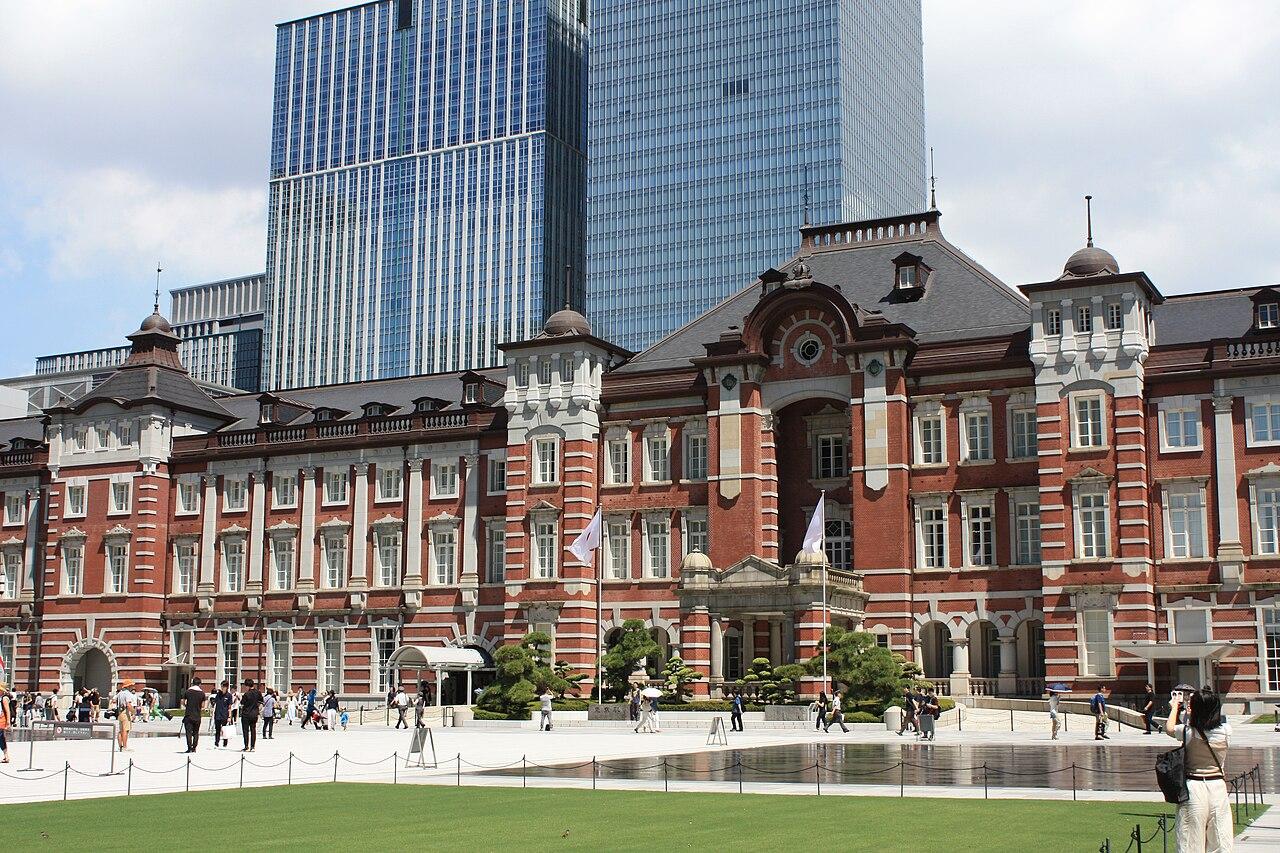
Photo: Alexandr3126 / Wikimedia Commons, CC BY-SA 4.0
How the four areas compare for a first trip
Getting around: Shinjuku is the strongest, with Tokyo Station close behind. Shibuya is good. Asakusa is fine for the east side but slower for the west.
Airport runs: Asakusa and Ueno are strongest for Narita, Tokyo Station is good for both airports, and Shinjuku and Shibuya work well with the Narita Express or an airport bus.
Price: Asakusa and Ueno usually cost the least. Shinjuku has a wide range. Shibuya and Tokyo Station or Ginza tend to cost the most.
Evenings: Shinjuku and Shibuya are busy and loud. Asakusa is quiet after dinner. Tokyo Station is quiet, Ginza a little livelier.
Feel: Shinjuku is big city, Shibuya is young and design-led, Asakusa is traditional, and Ginza is polished.
Practical points before you book
Room size. Tokyo hotel rooms are small. A standard double in a business hotel can leave little floor space for two open suitcases. If you are travelling with large bags, check the room size in square metres and consider a twin or a larger room type.
Distance to the station exit. A hotel described as "3 minutes from the station" may be 3 minutes from one exit and 12 minutes from the platform you actually use. Look at the map and pick the exit, not just the station.
Accommodation tax. Tokyo charges an accommodation tax on top of the room rate. According to the Tokyo Metropolitan Government Bureau of Taxation, stays under ¥10,000 per person per night are exempt, stays from ¥10,000 to ¥14,999 pay ¥100, and stays of ¥15,000 or more pay ¥200 per person per night. From 1 April 2027 this changes to 3% of the room charge for stays of ¥13,000 or more per person per night, and it will also apply to vacation rentals. If you are booking a trip for spring 2027, expect a slightly higher final bill.
Luggage. If you change hotels during your trip or head to Kyoto next, Japan's luggage forwarding services can send your suitcase ahead for a fee, so you travel light on the train.
One base or two? For a five to seven day Tokyo stay, one base is usually best. If you want to try two different areas, a common split is a few nights in Shinjuku or Shibuya, then the last nights near Tokyo Station before a shinkansen, or in Asakusa or Ueno before a morning flight from Narita.
Four questions that settle it
1. Is this trip only Tokyo, or Tokyo plus other cities? If you are taking the shinkansen, Tokyo Station or Shinagawa saves time. 2. Which airport, and what time? An early Narita flight points to Ueno or Asakusa. A Haneda flight works from almost anywhere south or central. 3. Where will you spend most evenings? If it is bars and late food, choose Shinjuku or Shibuya. If you will be back early, choose somewhere quiet. 4. What is the budget per night? If money is tight, Ueno and Asakusa give you more room for less.
Once you have picked an area, lay out your days around it. Our 5 days in Tokyo itinerary works from any of these bases, and the 7-day Japan itinerary shows how Tokyo fits with Kyoto and Osaka. If you are deciding on rail passes for that longer trip, read is the JR Pass worth it before you book. Planning a winter trip that starts in Korea? See our guide to Seoul in winter.
A simple way to compare hotels is to drop two or three options into a RoamerPlanner trip and see how each one sits next to your day plans and the station you will use most.
FAQ
What is the best area to stay in Tokyo for first-time visitors? Shinjuku is the most common choice because of its train links and food options. Asakusa and Ueno are better value and quieter, and Tokyo Station suits trips that continue by shinkansen.
Is Shinjuku or Shibuya better for a first trip? Both work. Shinjuku has more train lines and a wider hotel range. Shibuya is more compact and stylish but usually costs more.
Is Asakusa too far from everything? No, but it is far from the west side. Expect 30 to 40 minutes to Shinjuku or Shibuya. In return you get calmer evenings and easy airport trains.
Do I need to stay near a JR station? It helps if you plan to use a JR Pass or ride the Yamanote Line often, but subway stations work just as well for getting around the city.
Sources: Tokyo Metropolitan Government Bureau of Taxation, tax.metro.tokyo.lg.jp (current accommodation tax and the change from 1 April 2027); Keisei Electric Railway, keisei.co.jp (Skyliner journey time from Keisei-Ueno to Narita Terminal 2); JR East (Narita Express stops). Checked 20 October 2026.
Cover photo: Basile Morin / Wikimedia Commons, CC BY-SA 4.0
อยากเอาที่พักนี้ไปใส่ในแพลนเที่ยวจริงไหม วางแผนต่อใน RoamerPlanner ได้เลย
เปิด RoamerPlanner